
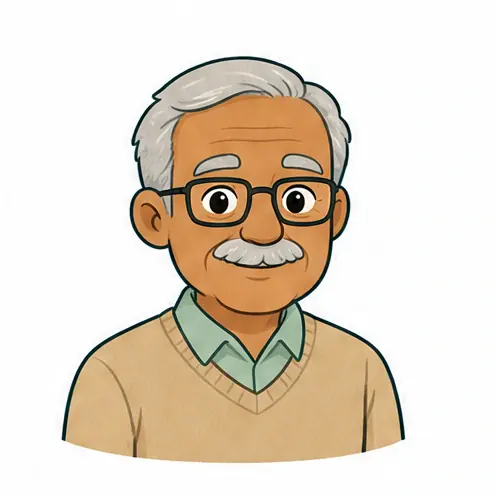
 grandpa
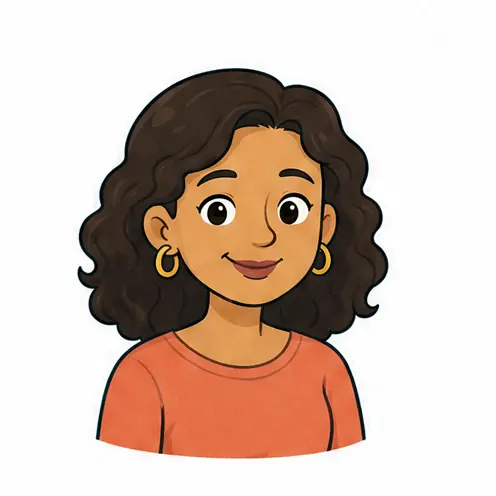 aunt
aunt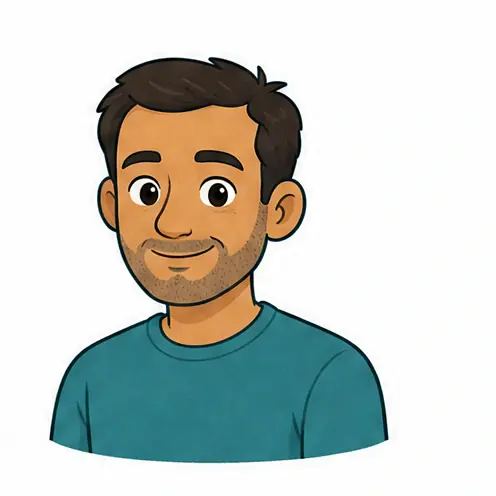 uncle
uncle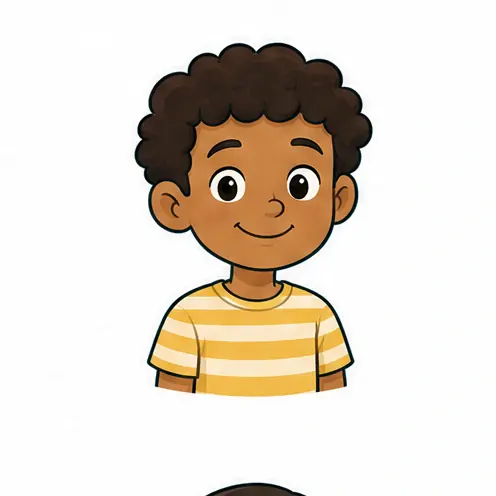 cousin
 long
long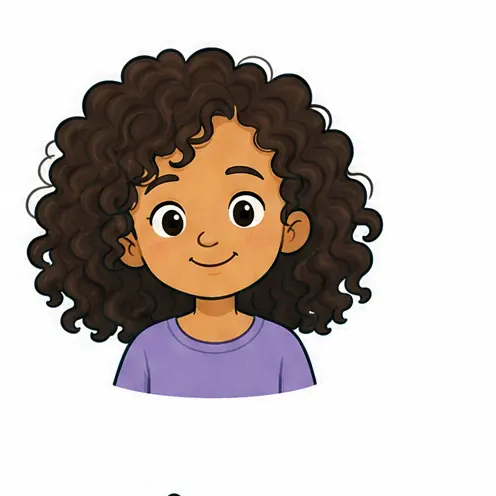 curly
curly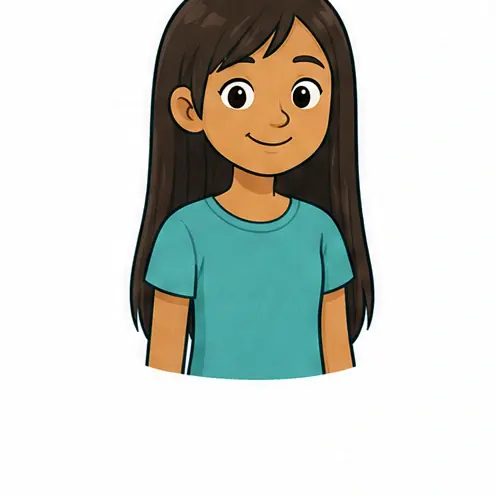 straight
 brown
brown black
black white
whiteFamily words for this topic
This topic adds four relatives to “mum” and “dad”: grandpa, aunt, uncle and cousin. English uses one word where many languages use two. “Aunt” is your mother’s sister and your father’s sister. “Uncle” is your mother’s brother and your father’s brother. “Cousin” is the same for a boy and a girl.
Say the word with a real name from your family: “Aunt Ayşe”, “Uncle Tom”. Children remember a word faster when it belongs to someone they know.
- grandpa – grandfather
- aunt – mother’s or father’s sister
- uncle – mother’s or father’s brother
- cousin – an aunt’s or uncle’s child, boy or girl
Hair words: length, shape, colour
Hair words come in three groups. When you use more than one, say them in this order: length, then shape, then colour, then “hair”. So it is “long curly brown hair”, not “brown curly long hair”. Start with one word at a time and add a second only when the first is easy.
In English, the hair on someone’s head is one thing, so there is no “s”: “She has got long hair.” “Hairs” means single hairs, for example on a jumper.
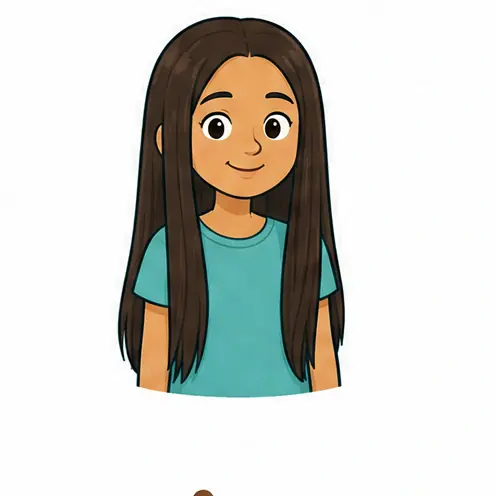
- Length: long, short
- Shape: curly, straight
- Colour: brown, black, white
- All together: “My grandpa has got short white hair.”
Has got: sentences, questions and short answers
With he, she and one person’s name, use “has got”: “My aunt has got long hair.” With I, you and we, use “have got”: “I have got short hair.” In speech, “has got” is usually “’s got”: “He’s got curly hair.” Here “’s” means “has”, not “is”.
To ask, put “has” first: “Has he got curly hair?” The short answer repeats “has” and drops “got”: “Yes, he has.” or “No, he hasn’t.” You will also hear “He has curly hair.” and “Does he have curly hair?” Both are correct and common, especially in American English; this topic uses “has got”.
Nia This is my cousin.
Leo Has he got curly hair?
Nia Yes, he has.
Leo My uncle has got short hair.
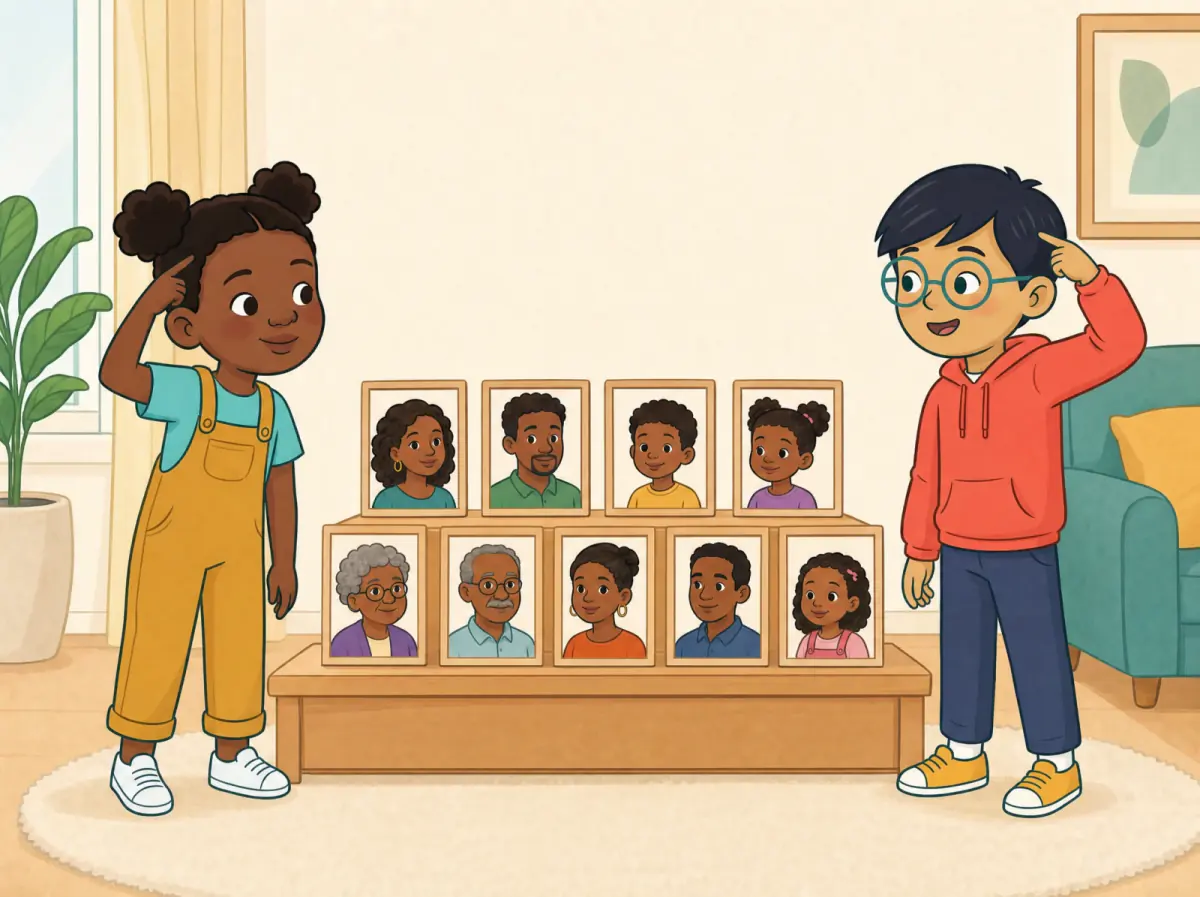
A guess-who game with family photos
Lay out four or five photos of relatives, or draw simple faces with different hair. Think of one person. Your child asks questions with “Has he got…?” or “Has she got…?” and you answer only “Yes, he has.” or “No, she hasn’t.” When your child guesses right, they say the full sentence: “It’s Uncle Tom. He’s got short black hair.” Then swap roles.
Keep each round short. Three questions and one guess is plenty at first.
Common mistakes and quick fixes
These are normal at this stage. Instead of stopping your child, repeat the sentence back the right way and carry on.
- “He have got short hair.”: with he, she and a name it is “has”: “He has got short hair.”
- “She has got long hairs.”: hair on the head has no “s”: “She has got long hair.”
- “He has got hair long.”: in English the describing word comes before “hair”: “He has got long hair.”
- “Yes, he has got.”: the short answer stops at “has”: “Yes, he has.”
- Mixing up “He’s got” and “He’s”: “He’s got curly hair.” (has), but “He’s my cousin.” (is).
What comes next
When your child can describe hair easily, add eyes: “She’s got blue eyes.” Then try the colour question: “What colour is her hair?” “It’s brown.” Later, your child can describe a whole person in two sentences, a good first step towards writing about their own family.