
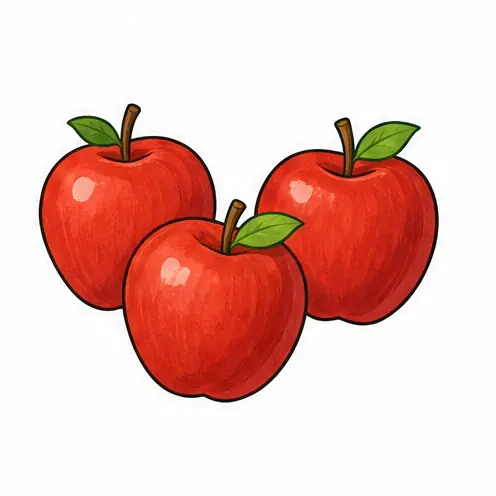
 apple
apple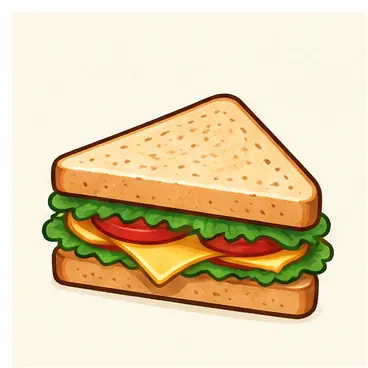 sandwich
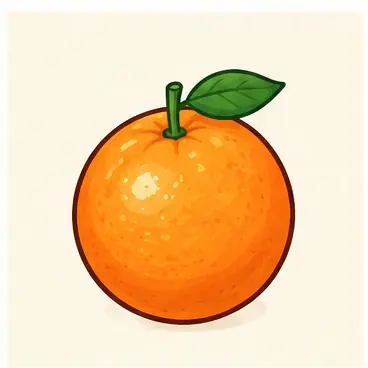 orange
 bowl of soup
 bread
bread rice
rice water
water juice
juice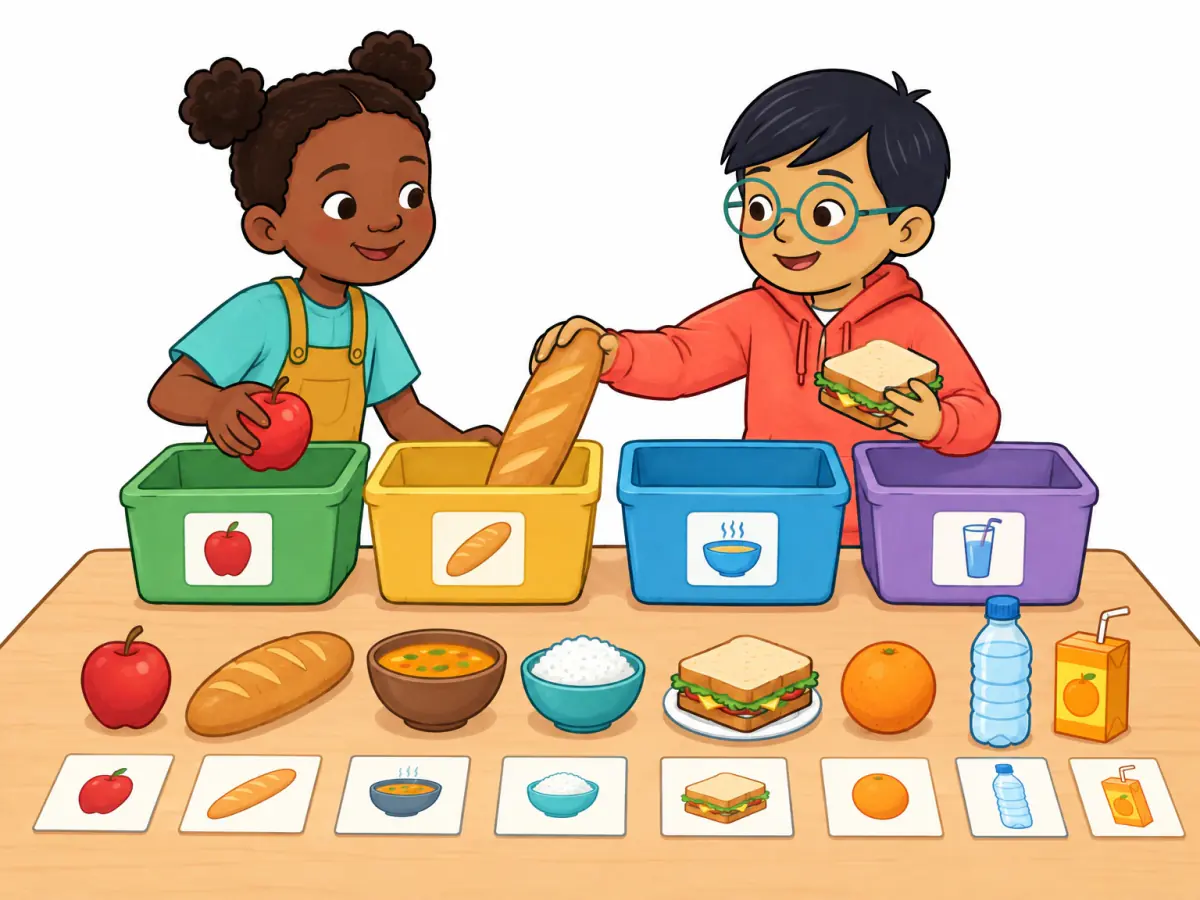
Telling the time: past and to
At this level children move from whole hours to quarters and halves. “Past” means after the hour, and “to” means before the next hour. So 6:45 is “quarter to seven”, because fifteen minutes are left until seven.
Use “at” before a time: “at four”, “at half past five”. “O’clock” is only for whole hours: “at four o’clock”, but never “at half past five o’clock”. Add “in the afternoon” or “in the evening” for the part of the day.
- 3:00 – three o’clock
- 4:15 – quarter past four
- 5:30 – half past five
- 6:45 – quarter to seven
Comparing two plans: earlier, later, better
Short describing words add -er: “early” becomes “earlier” (the y changes to i) and “late” becomes “later”. Add “than” to compare two things: “Four o’clock is earlier than six o’clock.” “Good” is irregular: its comparative is “better”, never “more good”.
In the recording below, two friends pick one of two plans. Then ask your child for a reason with “because”: “The earlier plan is better because we can play longer.” Either choice is fine; the reason is what counts.
Leo One plan starts at four, and one starts at six. Which plan is better?
Nia The earlier plan is better.
Can I…?, Let’s… and going to
“Can I” plus a verb is the everyday way to ask permission: “Can I bring my cousin?” The short answers are “Yes, you can.” and “No, you can’t.” There is no “to” after “can”. To agree on a time, use “Let’s” plus a verb: “Let’s meet at four.”
For plans already decided, English uses “be going to” plus a verb: “What are we going to do?” “We are going to walk and have a picnic.” The “be” part changes (I am, she is, we are) and can’t be dropped.
Nia Can I bring my cousin?
Leo Yes, you can. Let's meet at four.
Leo What are we going to do?
Nia We are going to walk and have a picnic.
Picnic food: a, an or some?
Things you can count take “a” or “an” and have a plural: “a sandwich”, “two sandwiches”. Use “an” before a vowel sound: “an apple”, “an orange”.
Bread, rice, water and juice can’t be counted, so they take no “a” and no plural. Use “some”, or count a container: “some water”, “a bottle of water”, “a bowl of soup”. For exact amounts, count the things or the containers: “two sandwiches and three bottles of water”. Ask “How many sandwiches?” but “How much juice?”
- You can count: an apple, a sandwich, an orange, a bowl of soup
- You can’t count: some bread, some rice, some water, some juice
- Likes: “I like oranges.” (plural), but “I like bread.” (no s)
A home game: plan a pretend picnic
Write 4:15 and 5:30 on two slips of paper and ask: “One plan starts at quarter past four, and one starts at half past five. Which plan is better?” Your child chooses, reads the time aloud and adds a reason with “because”, then asks for one extra: “Can I bring my cousin?”
Next, your child says the picnic list: “We are going to take two sandwiches, an apple and some water.” Pack paper food and get one amount wrong on purpose, so your child can correct you: “No, two sandwiches, not three!” Then swap roles. A round takes about five minutes.
Common mistakes and quick fixes
These are normal at A2. Repeat the sentence correctly and keep going.
- “Quarter to seven” read as 7:15: it is 6:45. 7:15 is “quarter past seven”.
- “The more early plan”: short words add -er: “the earlier plan”.
- “Can I to bring my cousin?”: no “to” after “can”: “Can I bring my cousin?”
- “We going to walk.”: add am, is or are: “We are going to walk.”
- “Two breads”: bread can’t be counted, so say “some bread” or “two slices of bread”.
What comes next
When planning feels easy, move on to habits and to the past. Your child can contrast what they usually eat with what they are eating today, and after a day out, say what happened: “We walked to the park. We had a picnic.”