Skip to content
Flalingo

English practice

Parts of the face and feelings in English for preschoolers: “It’s got two eyes” and a puppet game (ages 4–6, Pre-A1)

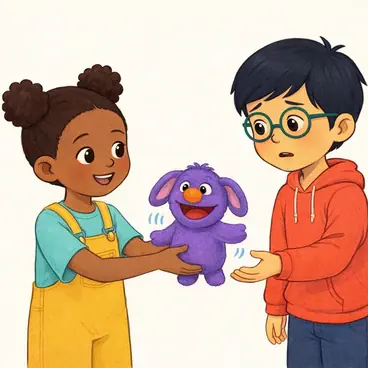
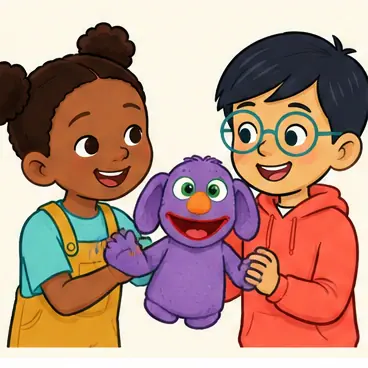
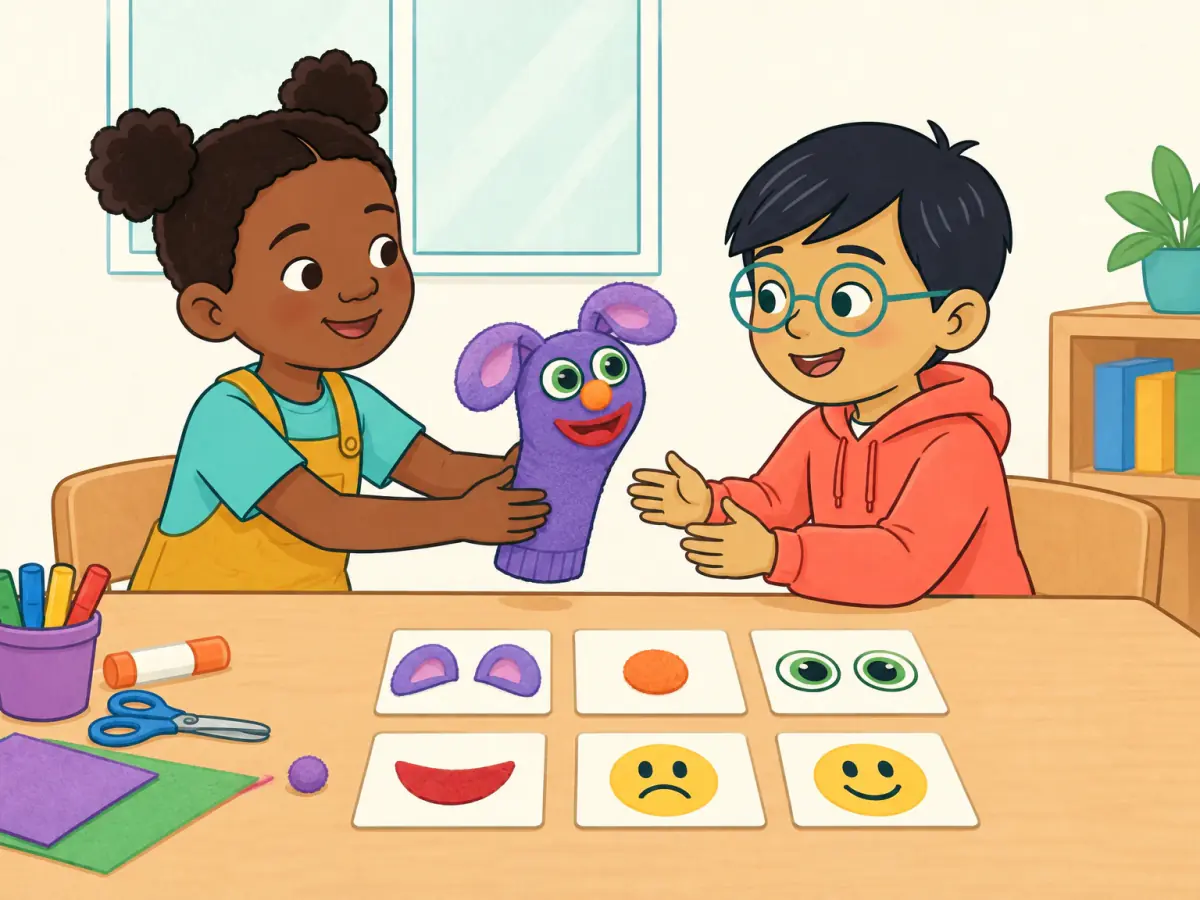
Two children make a friendly puppet with clear ears, eyes, nose and mouth beside happy and sad face cards.

Teach ears, eyes, nose, mouth, happy and sad with one question, “What has it got?”, and a two-faced puppet your child makes and leads. For ages 4–6 at Pre-A1, with audio for every word.

To teach the parts of the face and two feelings in English to a preschooler, start with six words: ears, eyes, nose, mouth, happy and sad. Make a simple puppet together and describe it with one question: “What has it got?” – “It’s got two ears.” Then turn it from its happy face to its sad face and ask “Is it sad?” This is a first-steps topic (Pre-A1) for children of about 4–6 who know a few English words, such as “hello” or numbers. Five minutes a day is enough, and you don’t need to speak English yourself: the cards on this page play every word.

Who this is for

  • Parents of 4–6-year-olds who know a few English words: “hello”, colours or numbers are enough to start.
  • Parents who aren’t confident in English: every word has audio on the cards, and each question and answer you need is written out here.
  • Children who like making things: a paper-plate puppet gives them something to hold, show and talk about.
  • Too early: if your child doesn’t know any English words yet, start with a movement game built on “Let’s clap!” (link below).
  • Too easy: if your child already describes a face with “It’s got …” on their own, move on to the five senses: “I can see with my eyes.” (link below).

Open the sample pages

Open the sample pages

Word cards

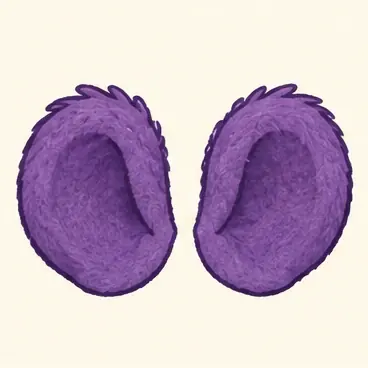
earsears
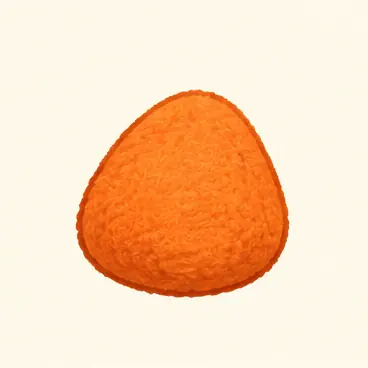
nosenose
eyeseyes
mouthmouth
sadsad
happyhappy

Conversation

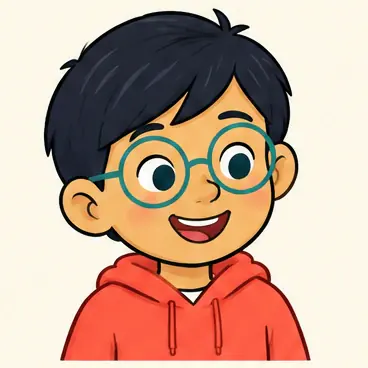
Nia What has the puppet got?

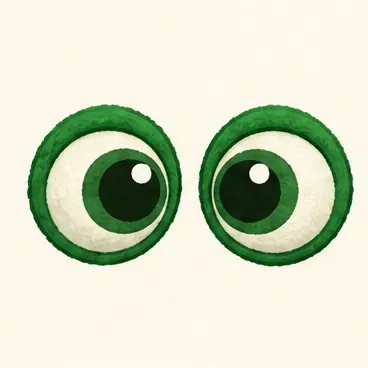
Leo It's got two green eyes.

Leo Is it sad?

Nia No. It's happy!

Language pattern

What has it got?

It's got two ears.

  • It's got two eyes.
  • It's happy.

More practice

Talk together: a kind invitation

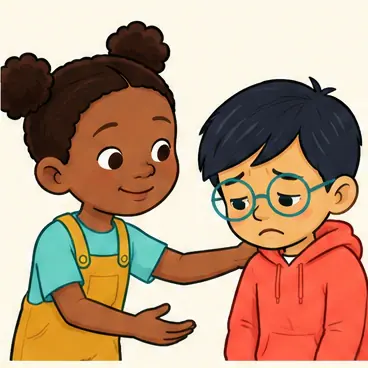
Nia and Leo make a friendly puppet with clear ears, eyes, nose and mouth beside happy and sad face cards.
ask kindlyask kindly
invite to playinvite to play
play togetherplay together

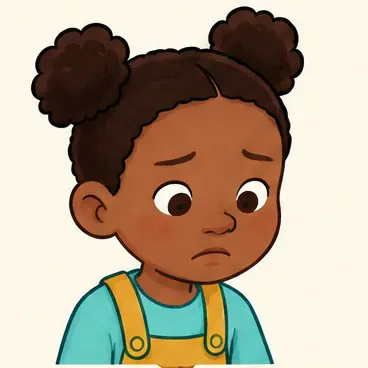
Leo I'm sad. My puppet is not ready.

Nia Would you like to play with mine?

Leo Yes, please.

Nia Let's make it wave together.

What's the matter?

I'm sad.

  • Would you like to play?
  • Yes, please.

Invite and play

Nia and Leo make a friendly puppet with clear ears, eyes, nose and mouth beside happy and sad face cards.
ask kindlyask kindly
invite to playinvite to play
play togetherplay together

What's the matter?

I'm sad.

  • Would you like to play?
  • Yes, please.
Learn this unit
How would you like to learn?

Six words: four face parts and two feelings

Start with the face: your child can point to it anywhere, on their own face, on yours or on a teddy. Play a card, point to that part and let your child copy you. Pointing is the first answer; the word can come later.

Happy and sad are the easiest feelings to show, because the mouth does most of the work.

  • ears – touch both ears
  • eyes – point to both eyes and blink
  • nose – tap the tip of your nose
  • mouth – open your mouth wide
  • happy – give a big smile
  • sad – turn the corners of your mouth down

“What has it got?” – “It’s got two ears.”

One question covers all four face words: “What has it got?” The answer starts with “It’s got …”. Here “it’s” is short for “it has”, not “it is”. Your child doesn’t need this rule; it just helps you keep the pattern steady.

Watch the small words. Ears and eyes come in pairs, so they end in “-s”: “two eyes”. A nose and a mouth come one at a time: “a nose”. A colour goes before the face word: “two green eyes”.

Nia What has the puppet got?

Leo It's got two green eyes.

Happy or sad? Asking about feelings

Feelings use “it’s” in its other meaning, “it is”: “It’s happy.” The question swaps the order: “Is it sad?” A nod, a “No” or the right face is a good answer. Point to a feeling card and ask, then let your child point and ask you.

Leo Is it sad?

Nia No. It's happy!

Make a two-faced puppet, then play for five minutes

Many shy children find it easier to speak through a puppet. Draw a happy face on one side of a paper plate and a sad face on the other, and tape a craft stick to the bottom. Name each part as you draw it, “Eyes. Two eyes.”, and let your child choose the colours. Then play at the same time each day:

  • Minute 1: play the six cards and point to each part on your own face.
  • Minutes 2–3: hold up the puppet and ask “What has it got?” Accept one word (“Nose!”) and say the full sentence back: “Yes, it’s got a nose.”
  • Minute 4: turn the puppet round and ask “Is it sad?” or “Is it happy?”
  • Minute 5: swap. Your child holds the puppet and asks you. Get one answer wrong on purpose; most children love to correct a grown-up.
Learn this unit your way

Kind words for a sad friend

Once your child can spot a sad face, add a kind step. Turn the puppet to its sad side and ask it, “What’s the matter?” The puppet answers, “I’m sad.” Your child offers, “Would you like to play?” – “Yes, please.” Then turn the puppet to its happy side.

The scene shows your child how to notice a feeling and answer it kindly. If your child just hands the puppet over without a word, say the words for them.

Common mistakes

These slips are normal at this age. Say the right version back instead of correcting:

  • “It’s got two eye.”: in many languages the word after a number doesn’t change, but in English two of something takes “-s”: “two eyes”.
  • “It’s got nose.”: one nose needs “a”: “It’s got a nose.”
  • “Two greens eyes.”: colours never take “-s” in English: “two green eyes”.
  • “It’s got happy.”: feelings don’t use “got”: “It’s happy.”
  • Mixing up eyes and ears: say both words and point each time, so your child hears how differently they start.

What comes next

When your child describes the puppet without help, use the same face words for the senses: “I can see with my eyes.” The articles below also bring back “Let’s …” invitations and add tidying up after your puppet making.

Frequently asked questions

Is it “It’s got two eyes” or “It has two eyes”?

Both are correct and mean the same. “It’s got” is very common in British English, especially in speech; American English usually says “It has two eyes.” Pick one and use it every time, so your child hears one steady pattern.

What are the parts of the face in English for kids?

Start with the four every child can point to: eyes, ears, nose and mouth. Hair, teeth and cheeks can follow once those come easily. Teach eyes and ears as pairs (“two eyes”) and nose and mouth as single words (“a nose”).

How do I teach feelings in English to a preschooler?

Start with happy and sad, because they are easy to see and to act out. Make the face, say the word and let your child copy you. Then add “Is it happy?”, and later “What’s the matter?” Angry, tired or scared can come after the first two.

Learn this unit
How would you like to learn?

What comes next?

One-to-one lessons with a live teacher

In Flalingo kids lessons, your child practises units like this one-to-one with a live teacher, through games on the same screen.

Book a free trial lesson