
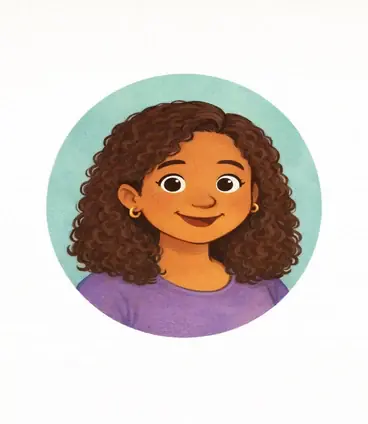
 mummy
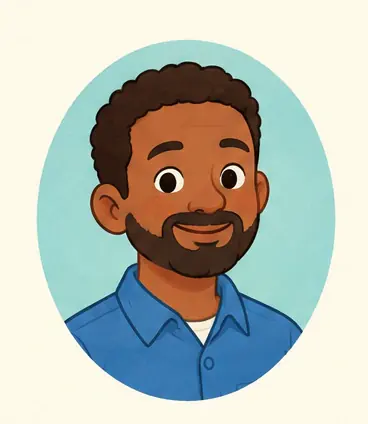 daddy
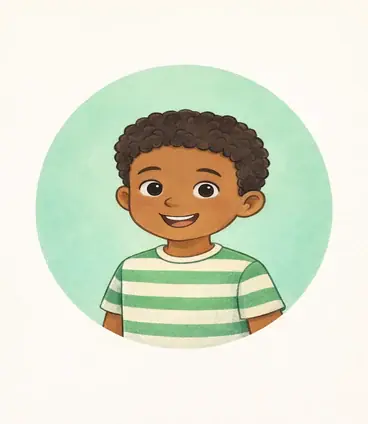 brother
 sister
Four family words and one sentence
The words are mummy, daddy, brother and sister. “Mum” and “dad” are just as common, and American English uses “mommy” and “mom”; pick one form and keep it.
The sentence is a question and an answer: “Which picture do you want?” “I want my mummy.” The small word “my” does the real work: it says this is your child’s own mummy. Play each card above, then say the word yourself as you point to a photo.
- mummy: mother
- daddy: father
- brother: a boy in the family, older or younger
- sister: a girl in the family, older or younger
Start with your own family, whoever is in it
Real photos work better than cards, because your child already knows the faces. Choose three or four pictures of people at home. Not every child has a mummy, a daddy, a brother and a sister, and the game never needs all four. Use the words that fit, and add others:
- granny and grandad (or grandma and grandpa)
- auntie, uncle and cousin
- a pet: “I want my dog.”
- If a card doesn’t match your home, leave it out; nothing is missing.
Listen first: choosing a picture
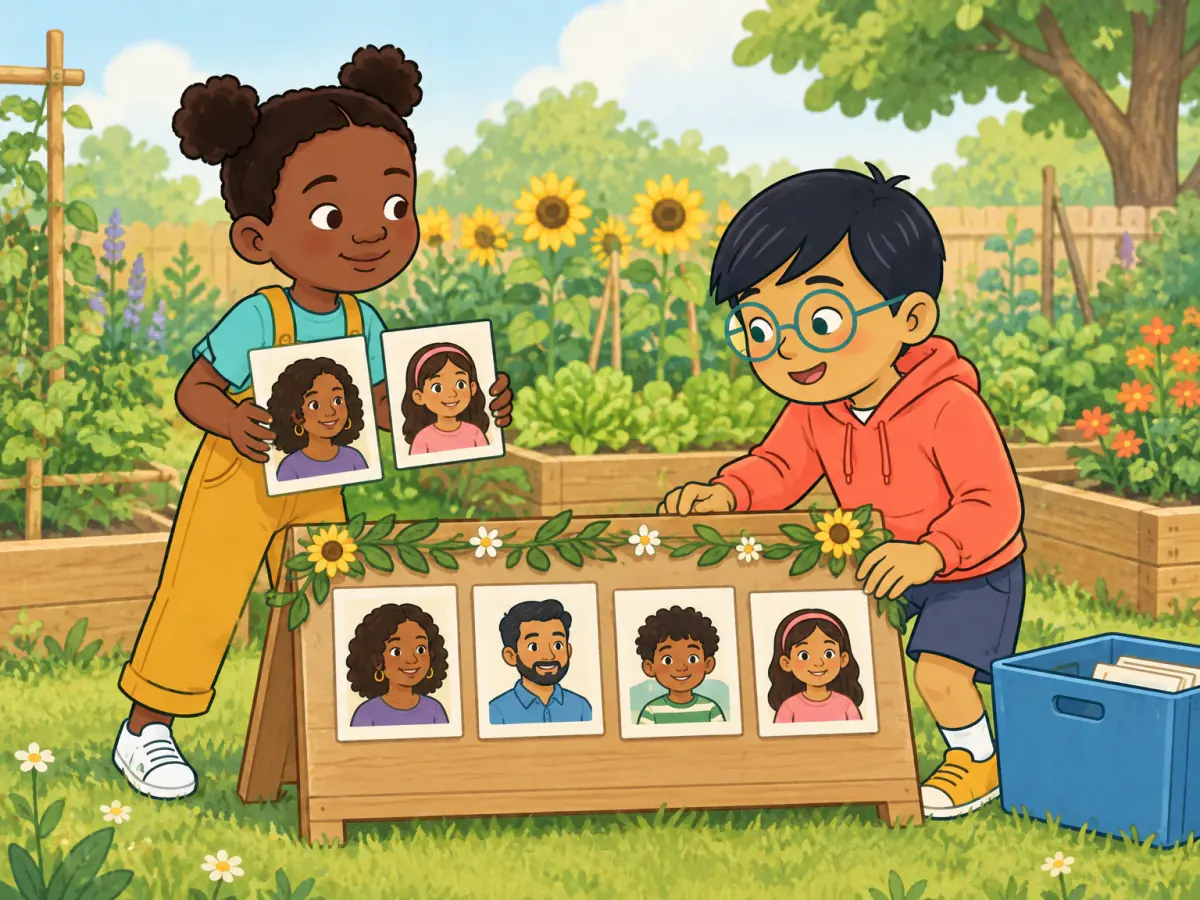
In the short exchange below, two children take turns choosing family portraits. Listen together two or three times before you play. In the second question, the word “next” keeps the game going, one picture at a time.
Leo Which picture do you want?
Nia I want my mummy.
Nia Which picture do you want next?
Leo I want my brother.
The photo game: five minutes at home
Sit on the floor with the photos face up between you, and stop while your child still wants more.
- Ask “Which picture do you want?” and wait. A point, a word or a sentence all count.
- Hand over the photo and say who it is: “Your mummy. Here you are.”
- Ask “Which picture do you want next?” until every photo is chosen.
- Swap roles: your child asks (“Which picture?” is fine) and you choose. From your side the words change: if Granny is your mother, her photo is “my mummy” for you, which can make children laugh.
Help each other put the photos up
Finish by putting the photos up together, on the fridge or a low shelf. Tidying gives the game a clear end and a reason for a few helping words:
- “Can you help me?” – hold out a photo
- “Yes.” or a nod – your child takes it
- “Thank you.” – every time, from both of you
- Two photos at once? Say it for your child: “You can carry two!”
What a good answer sounds like at 3–5
Children answer in steps, and every step counts. Praise the step your child is on and say the next one back once, without asking for a repeat. When you echo, “my” becomes “your”: your child says “My mummy”, and you say “Yes, your mummy!” The steps usually look like this:
- A point at the photo: the question was understood.
- One word: “Mummy!”
- Two words: “My mummy.”
- The whole sentence: “I want my mummy.”
Common mistakes
Most of these are easy to fix once you notice them:
- Teaching words that don’t fit your family: skip any card that doesn’t match your home, and add the people who do.
- Dropping “do”: “Which picture you want?” is a common slip for adult learners. The question needs “do”; play the recording if you’re unsure.
- Asking for the whole sentence every time: at this age a point or one word is a real answer.
- Leaving out “I”: in many languages the verb already shows who is speaking, so “Want my mummy” feels complete. Say “I want my mummy” back and carry on.
What comes next
When your child answers with “my” and a family word, add granny and grandad. A natural next question is “Who takes you to school?”, answered with “My grandad takes me to school.” or whoever really does. Body words then bring “my” back in “Look at my head.”