
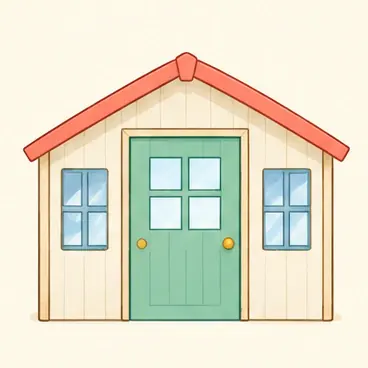
 house
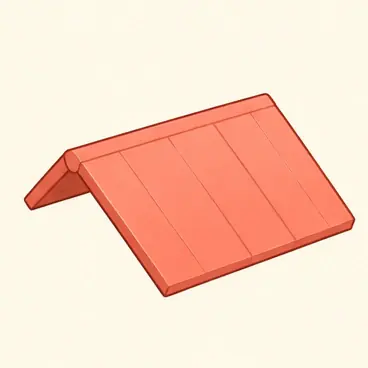 roof
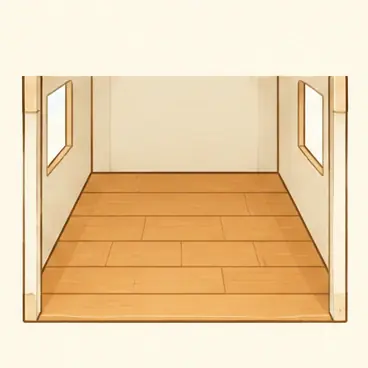 floor
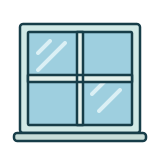 window
 door
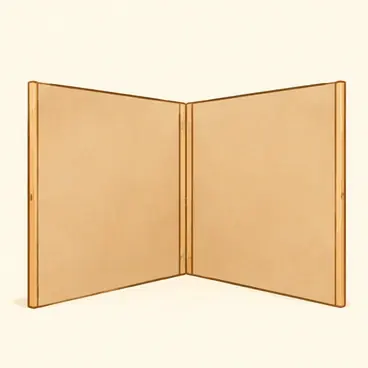 walls
Six house parts and a gesture for each
Draw a simple house together or use a toy house. Point and name each part: “This is the door.” Then let your child point: “Point to the roof.” Pointing counts as an answer; when your child says the word, say the full sentence back.
Start with three parts. A gesture helps each word stick:
- house – draw a square in the air with a pointed top
- floor – pat the floor flat with both hands
- walls – press your palms against the air, like a mime
- roof – touch your fingertips together above your head
- window – make a square with your fingers and look through it
- door – knock: “Knock, knock!”, then pull it open
“What do we do next?” asks for an action
Once the names are easy, build a house in order and ask “What do we do next?” It asks what to do, not what something is called, so the answer starts with a verb: “Add the roof.” Your child has to remember the order and choose the action, a real step up from naming.
- First the floor: a flat base on the ground.
- “Build the walls.” – stand blocks or books around the edge.
- “Add the roof.” – lay a book or folded card on top.
- “Open the door.” – fold back a paper flap. The house is ready!
Listen: four lines, one finished house
Two children build a house, one step per line. “Let’s…” invites someone to join in, and “Now…” moves to the next step: both are easy ways for a child to lead. Listen, then build along.
Leo Our floor is ready.
Nia Let's build the walls.
Leo Now add the roof.
Nia Open the door. Our house is ready!
The playhouse game: let your child lead
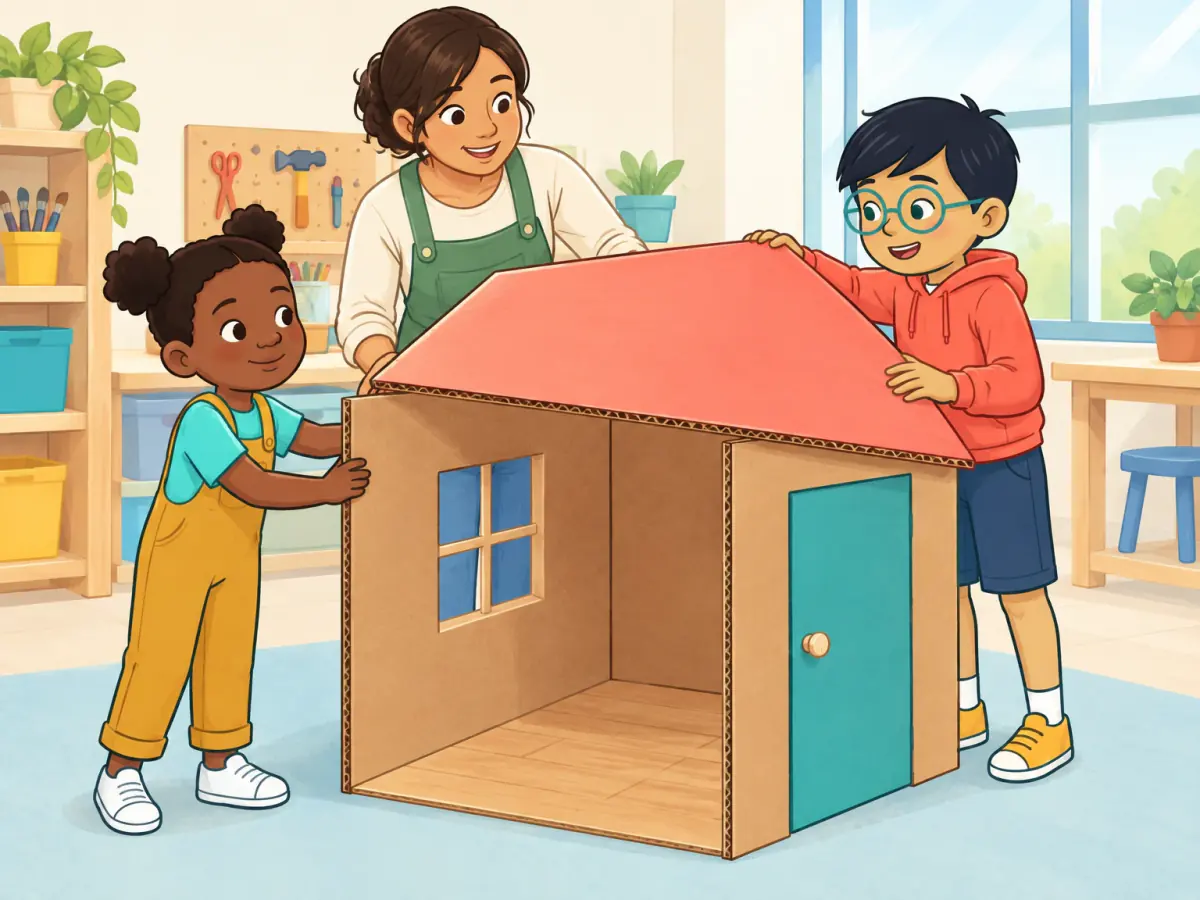
Children remember words better when they make something with them. Use blocks, a box, or cushions with a blanket for the roof.
- Model first: build slowly and say each step as you do it.
- Pause: after the walls, ask “What do we do next?” Pointing or “Roof!” is fine; say “Yes, add the roof!” and do it together.
- Get it wrong on purpose: put the roof straight on the floor. Most children love to correct a grown-up: “No! Build the walls!”
- Swap roles: your child gives the instructions and you build. Stop after two or three houses, while it is still fun.
Four rooms and what we do there
Link each room to something your child does every day, and ask at that moment: “Where do you sleep?” at bedtime, “Where do you eat?” at dinner. The answer names the room: “I sleep in the bedroom.” or just “In the bedroom.” Keep it true: if you eat in the living room, say so.
- bathroom – “I wash in the bathroom.” (rub your hands together)
- kitchen – “I eat in the kitchen.” (pretend to eat with a spoon)
- living room – “I play in the living room.” (roll a pretend ball)
- bedroom – “I sleep in the bedroom.” (rest your head on your hands)
Common mistakes
These slips are normal at this age. Say the right version back instead of correcting:
- “The roof!” after “What do we do next?”: the question asks for an action. Say “Yes, add the roof!” so your child hears the verb.
- “Open door.” or “in bedroom”: many languages have no word like “the”. Say it back with “the”: “Open the door.”, “in the bedroom”.
- “Vindow” for “window”: many languages have no “w” sound. Round your lips as for “oo”, then open them.
- “Wall” for all four sides: say “Build the walls.”; one on its own is “a wall”.
What comes next
When your child leads the building order alone, take “Where…?” outside. At nursery or school, children hear “Where are you?” – “In the playground.”, “In the classroom.” or “In the cloakroom.”, the room for coats. Later, your child can describe a whole place with “There’s a…”. The articles below continue with the seasons and an island map.