
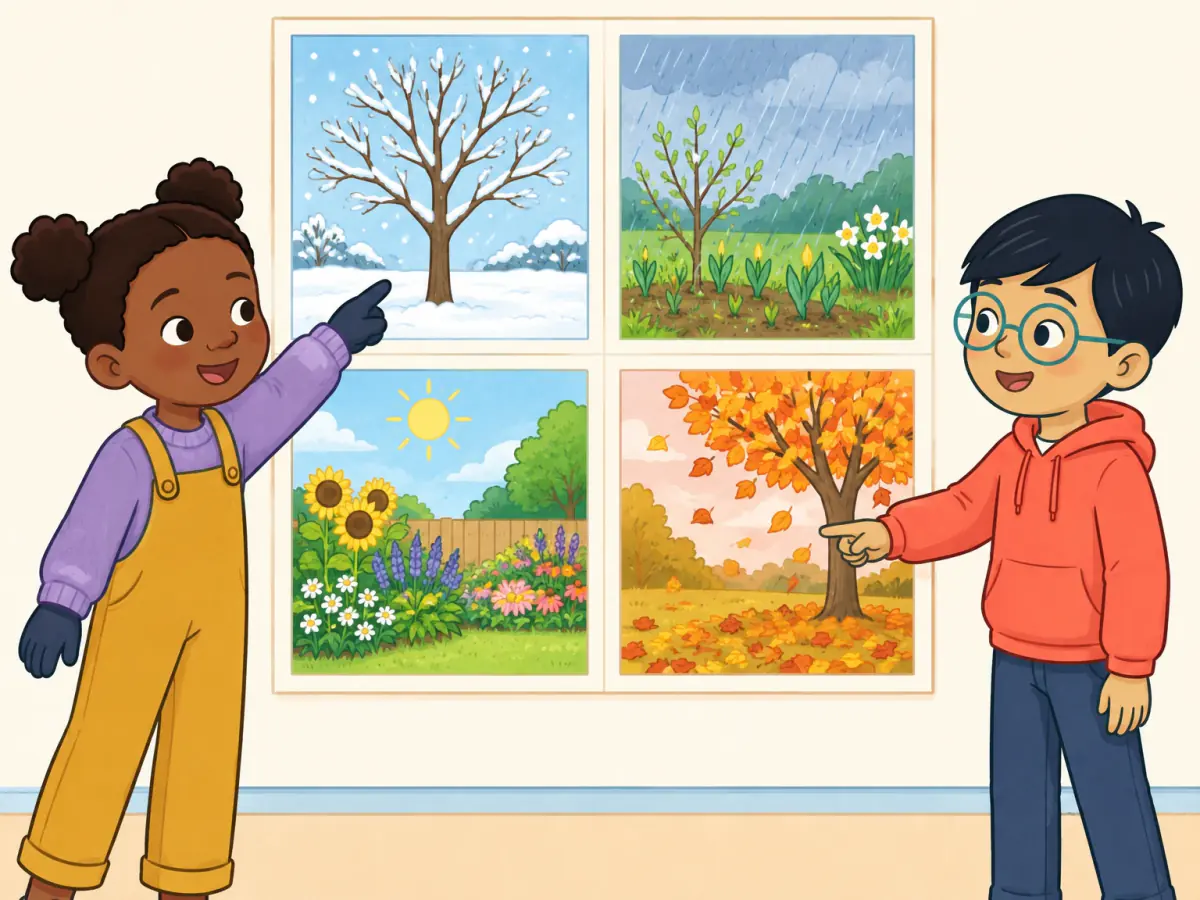
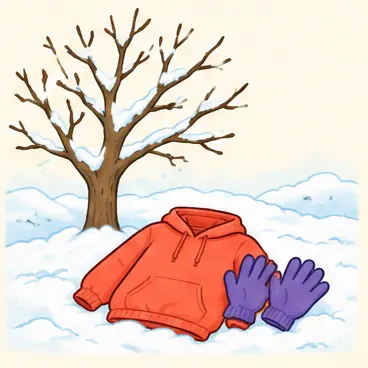
 winter
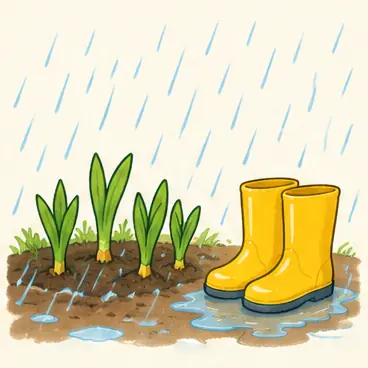 spring
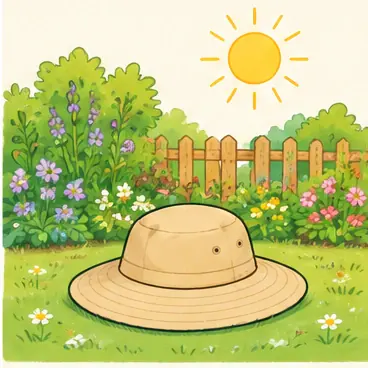 summer
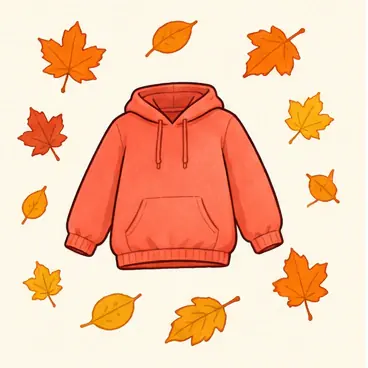 autumn
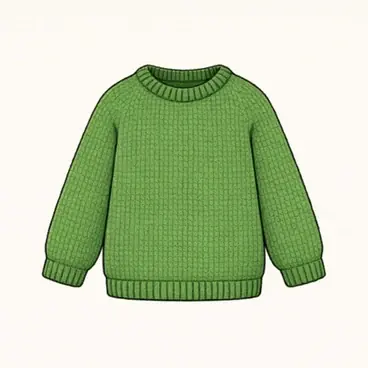 jumper
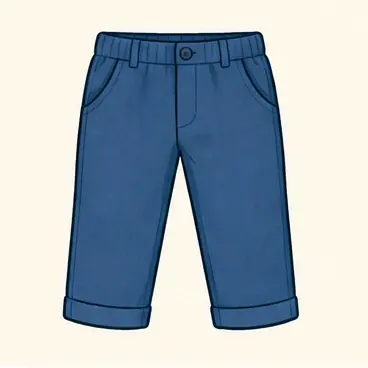 trousers
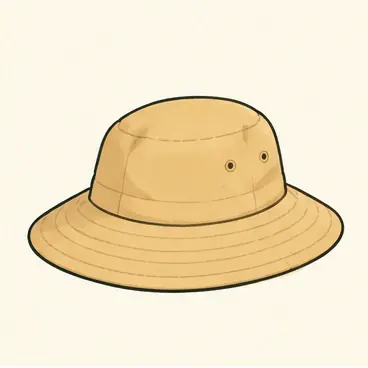 hat
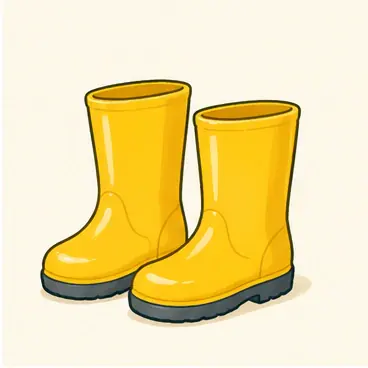 boots
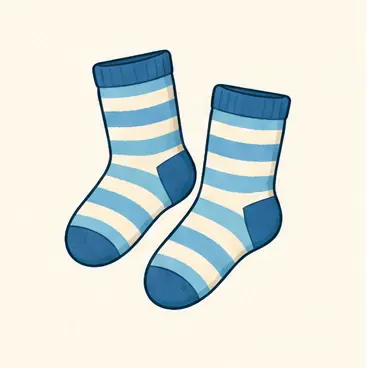 socks
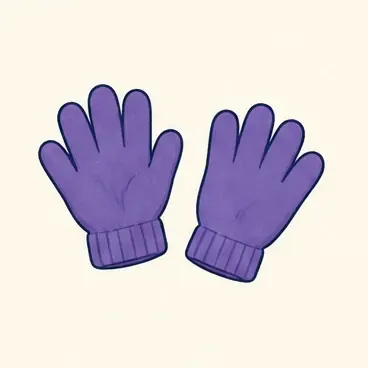 gloves
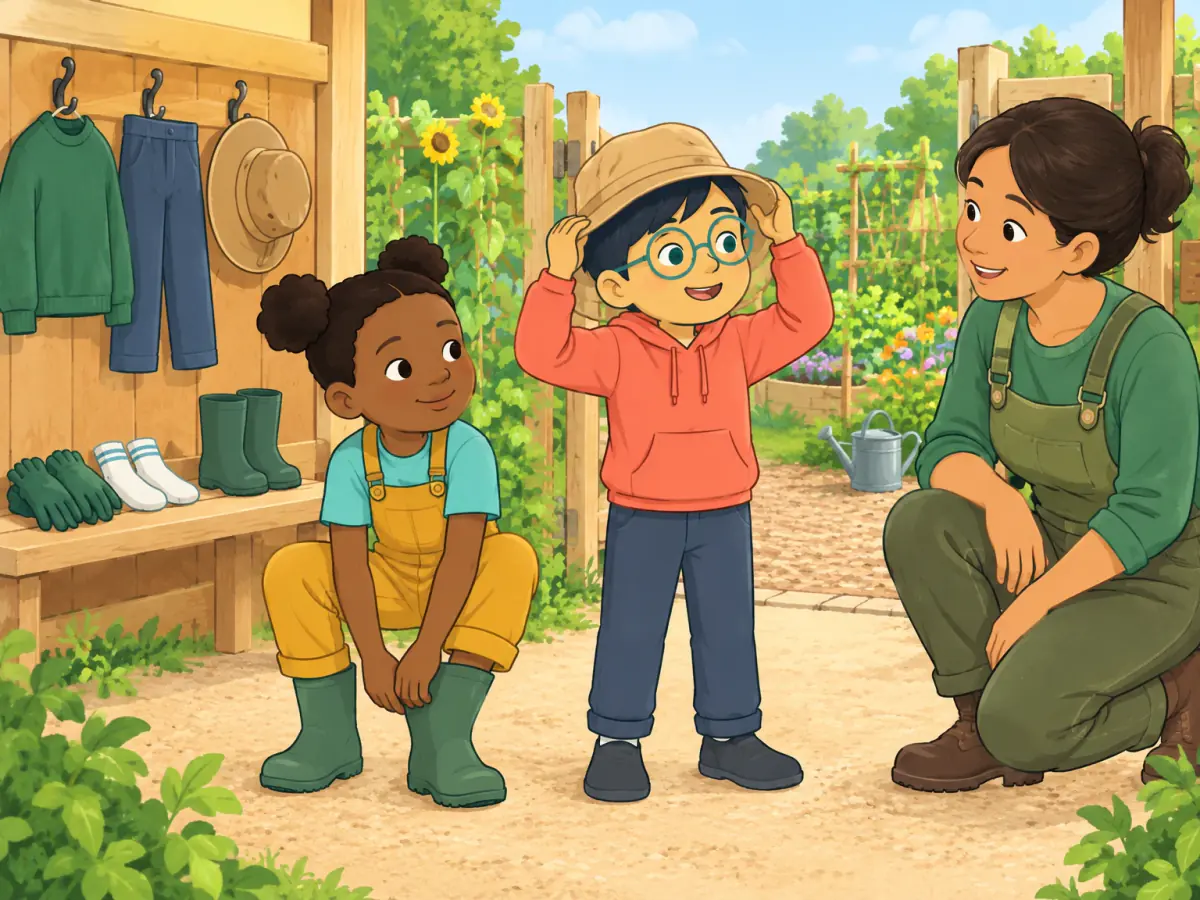
Four seasons, four picture clues
Give each season one clue your child can see. Family photos work well: the snowy walk, the beach, the blossom, the pile of leaves. Play a card, point to the clue and say the word. Choose clues that fit where you live: winter doesn’t have to mean snow.
- winter – snow, bare trees, a warm coat: hug yourself and shiver
- spring – flowers and new leaves: open your hands like a flower
- summer – strong sun and the beach: fan your face
- autumn – falling leaves: wiggle your fingers downwards. The final “n” is silent
Six clothes, and why most of them end in “s”
Lay real clothes on the floor and name each one as your child picks it up. Start with three.
Four of the six words are plural. Boots, socks and gloves come in pairs, and “trousers” is always plural in English, even though it is one thing. So we say “My boots.”, not “My boot.”
- jumper – a warm top you pull over your head (Americans say “sweater”)
- trousers – always with “s”: “Put on your trousers.”
- hat – just one: “My hat.”
- boots, socks, gloves – a pair, so always with “s”: “Where are your gloves?”
Three questions, three kinds of answer
The tricky part is the questions, not the words. Each asks for a different kind of answer, and children often name the season when you asked about clothes:
- “What season is it?” asks for a season: “It’s winter.”
- “What can you wear?” asks for clothes: “My boots.” or “A hat.”
- “Whose hat is it?” asks who it belongs to: “My hat.” or “Daddy’s hat.”
- At first, one word is a great answer: “Winter!” Say the full answer back.
Listen: a season and something to wear
One child asks about the season, the other asks what to wear. Listen together, then ask the same two questions about one of your photos.
Nia What season is it?
Leo It's spring.
Leo What can you wear?
Nia My boots.
The dress-for-the-season game
Children remember words better when they do something with them. Put a pile of real clothes on the floor and one season picture face down.
- Turn the picture over and ask “What season is it?” Your child answers: “It’s winter.”
- Ask “What can you wear?” Your child holds up the gloves or the jumper. Say it back: “Yes! Put on your gloves.”
- Get it wrong on purpose: hold up gloves for a summer picture. Most children love to correct a grown-up. Then say: “It’s summer. Put on your hat.”
- Swap roles: your child asks, and you dress up. Stop after three or four rounds, while it is still fun.
- On other days, use getting dressed: hold up a hat and ask “Whose hat is it?” – “My hat.”
Ready for the garden: three steps and a count
Before a walk or some time in the garden, say three steps and let your child do each one: “Choose the boots.”, “Put on the hat.”, “Help in the garden.” Next time, stop after the first step and ask “What do we do next?”
Then count vegetables together, in the garden or the kitchen: “What are these?” – “They’re carrots.” “How many?” – “Five tomatoes.” Touch each one as you count.
Common mistakes
These slips are normal at this age. Say the right version back instead of correcting:
- “My boot.” for a pair: many languages don’t mark pairs as plural. Say “My boots.” back.
- “A trouser”: “trousers” is always plural. Say “your trousers” or “a pair of trousers”.
- “Five tomato.”: after a number bigger than one, English uses the plural: “Five tomatoes.”
- “Winter!” after “What can you wear?”: your child named the picture. Point to the clothes and ask again: “What can you wear? Gloves?”
What comes next
When your child answers all three questions without help, add a weather word: “It’s winter. It’s cold. Put on your gloves.” Later, your child can describe a whole picture with “There’s a…”. The articles below continue with an island map and with where food comes from.