
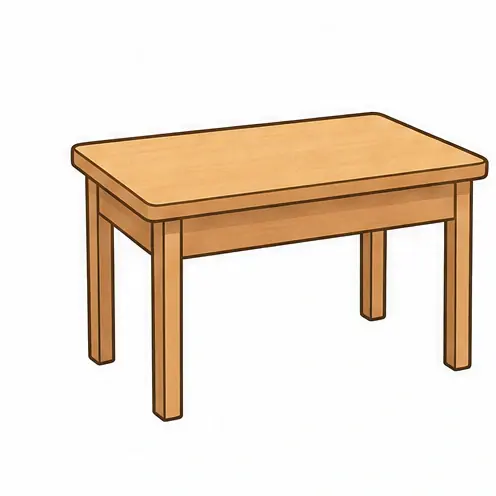
 desk
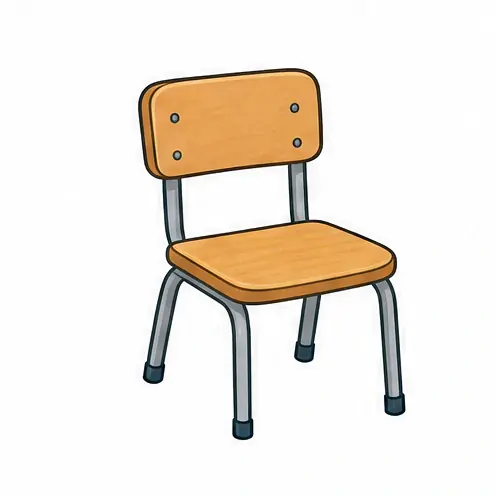 chair
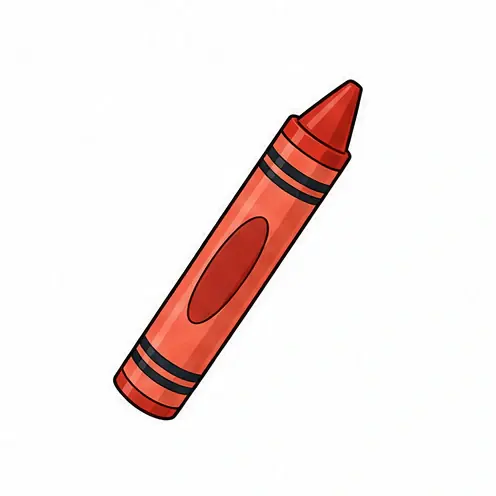 crayon
 pencil
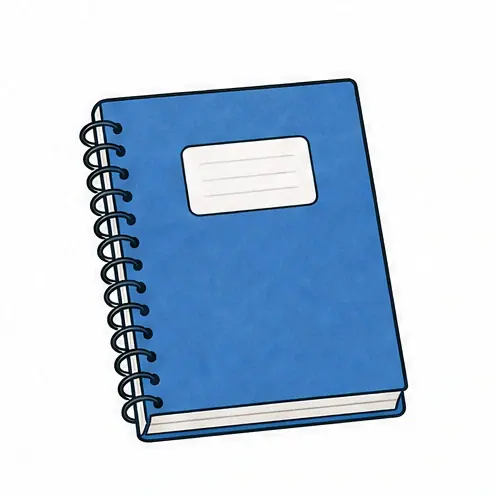 notebook
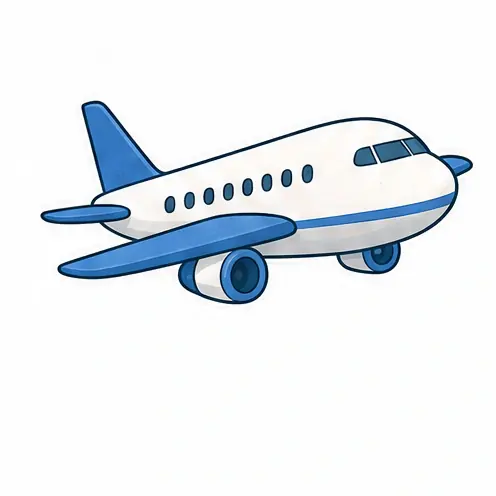 plane
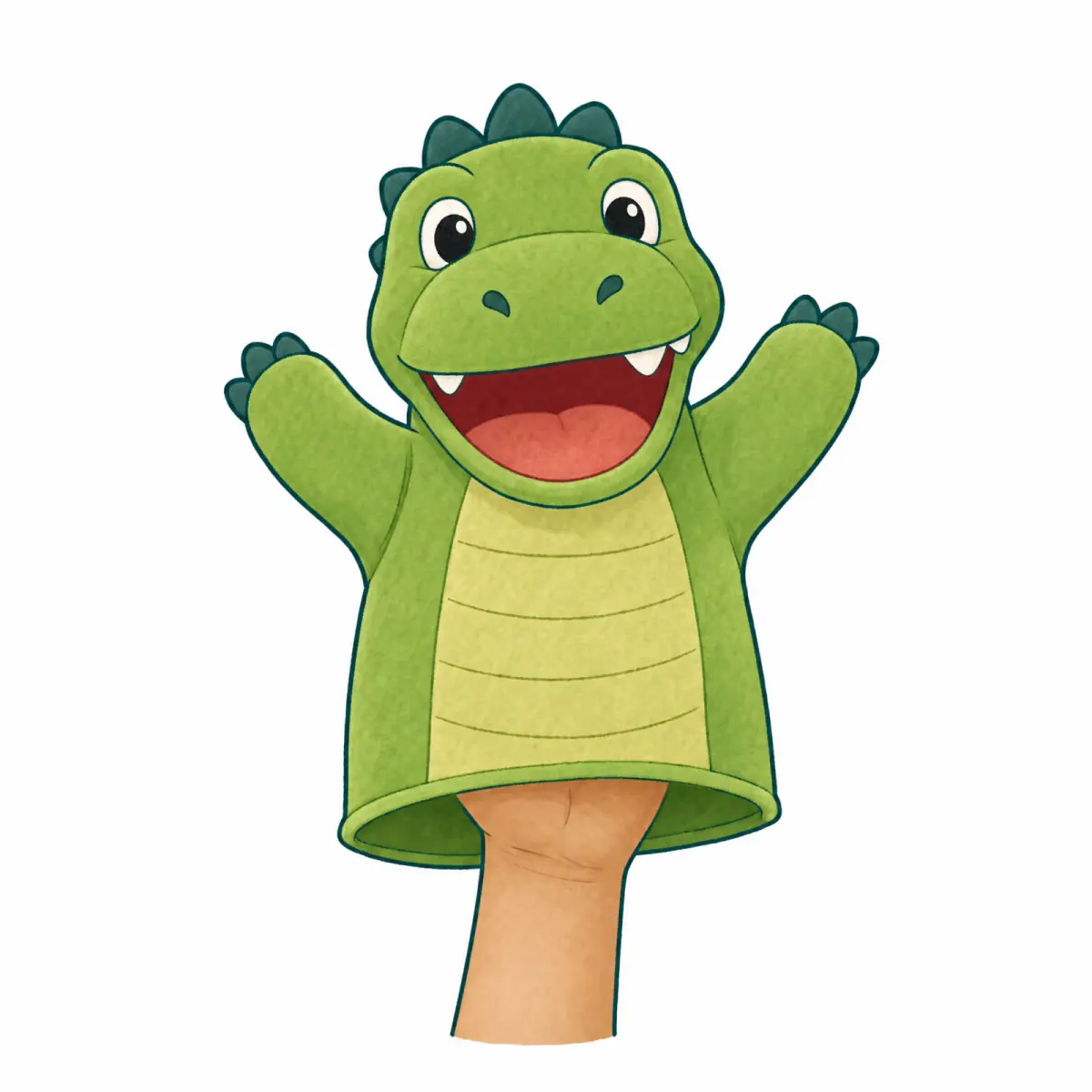 puppet
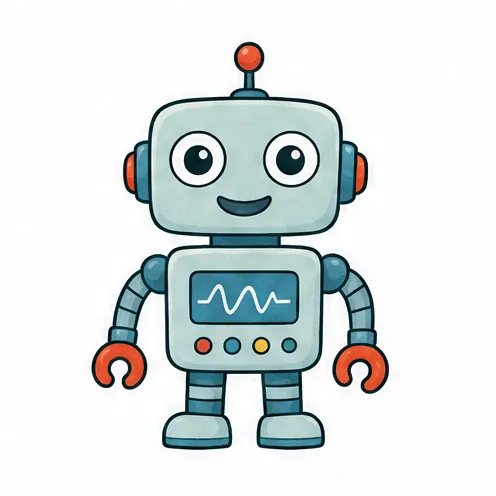 robot
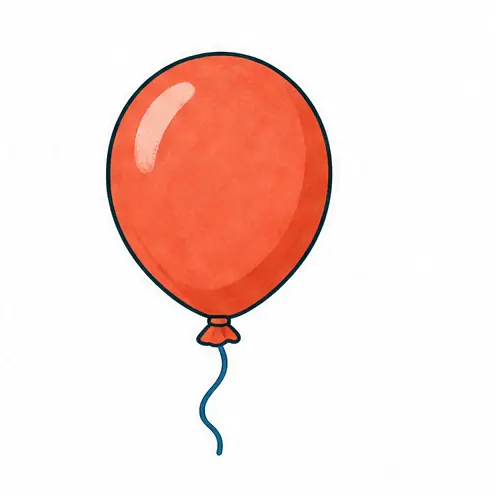 balloon
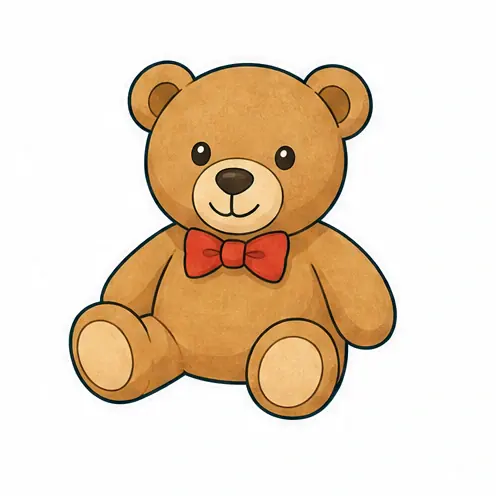 teddy
Four questions, four kinds of answer
Children usually learn first words in groups: colours, school things, toys. A review mixes them, so your child has to decide what kind of answer each question wants. The clue is in the first words. Stress them a little when you ask, and if your child hesitates, repeat just the start: “What colour …?” The four cards above play the questions.
- “What’s your name?” wants a name: “I’m Leo.”
- “What colour …?” wants a colour, with no “a”: “It’s green.”
- “What’s this?” wants a thing, with “a” in front: “It’s a notebook.”
- “Is it …?” wants yes or no: “Yes, it is.” or “No, it isn’t.”
Listen: one route, four stops
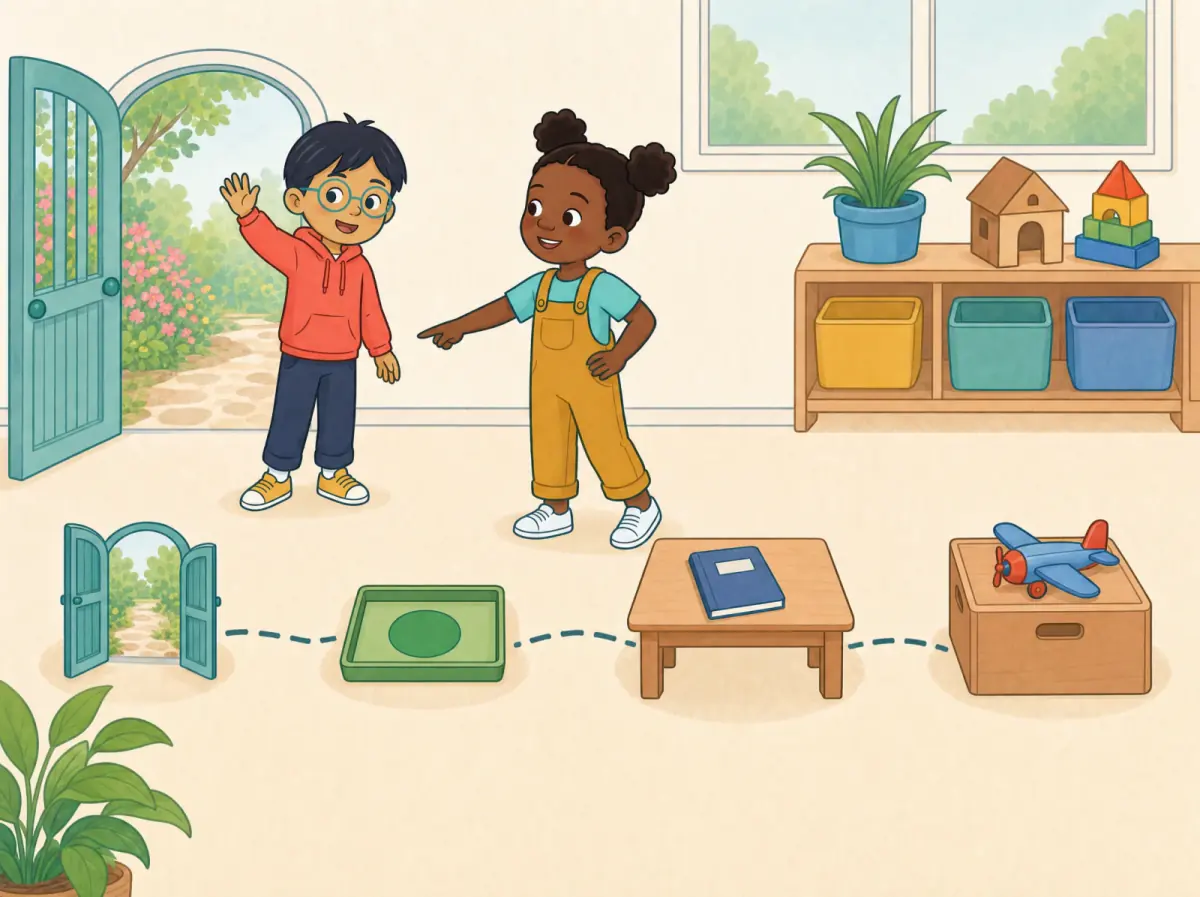
In the recording below, two children follow a picture route from left to right: a gate where they meet, a green circle, a notebook and a toy plane. Play it once while you trace a route with your finger; four quick drawings on paper are enough. Next time, pause after each question so your child can answer first.
The picture alone doesn’t decide the answer. A green notebook could be “It’s green.” or “It’s a notebook.”: the question tells your child which one is wanted.
Nia What's your name?
Leo I'm Leo.
Leo What colour is it?
Nia It's green.
Nia What's this?
Leo It's a notebook.
Leo Is it a plane?
Nia Yes, it is.
The words to answer with
Before you play, put a few real things on the table and check that your child can point to each one when you say it.
- Colours: red, green, blue, black, white
- School things: desk, chair, crayon, pencil, notebook
- Toys: plane, puppet, robot, balloon, teddy
- Sounds and numbers: a for apple, b for bat, c for cat, up to i for insect, and counting to eight (say each letter’s sound, not its name)
A picture route game at home
Draw a path on a big sheet of paper with four stops: a smiley face for names, a blob of colour, a school thing and a toy. Walk a small toy along it; whoever reaches a stop asks the question that fits.
- Round one: you ask at every stop and your child answers. Unsure how a question sounds? Play the cards first.
- Round two: swap roles. Give one wrong answer on purpose, such as “It’s a robot.” at the colour stop; children love catching a grown-up out.
- My own stop: your child picks one question, draws a new stop for it, such as a blue balloon, and leads it: they ask, you answer.
- Behind my back: hide a toy and let your child guess: “Is it a robot?” “No, it isn’t.” “Is it a teddy?” “Yes, it is!”
Common mistakes and quick fixes
These slips are normal. Don’t stop the game; say the right version back with a smile. Leaving out “a” and asking “It is a plane?” are especially common when a child’s home language has no small word like “a”, or asks questions by raising the voice.
- A colour for “What’s this?”: your child says “Green!” about the notebook. Point, ask again, then give both answers: “It’s green. It’s a notebook.”
- “a” before a colour: “It’s a green.” A colour alone takes no “a”: “It’s green.” With a thing, “a” comes first: “It’s a green notebook.”
- No “a” before a thing: “It’s notebook.” becomes “It’s a notebook.”
- “Yes, it’s.”: short answers end with the full words: “Yes, it is.”
- “It is a plane?”: English swaps two words to ask, so answer with the real question: “Is it a plane?”
What comes next
When your child picks the right kind of answer every time, add a fifth question: “Who’s this?” “This is my mum.” It works like “What’s this?”, but for people, and it opens the door to family words.