Skip to content
Flalingo

English practice

How to play spot the difference in English with your child: school things (Pre-A1, ages 4–7)

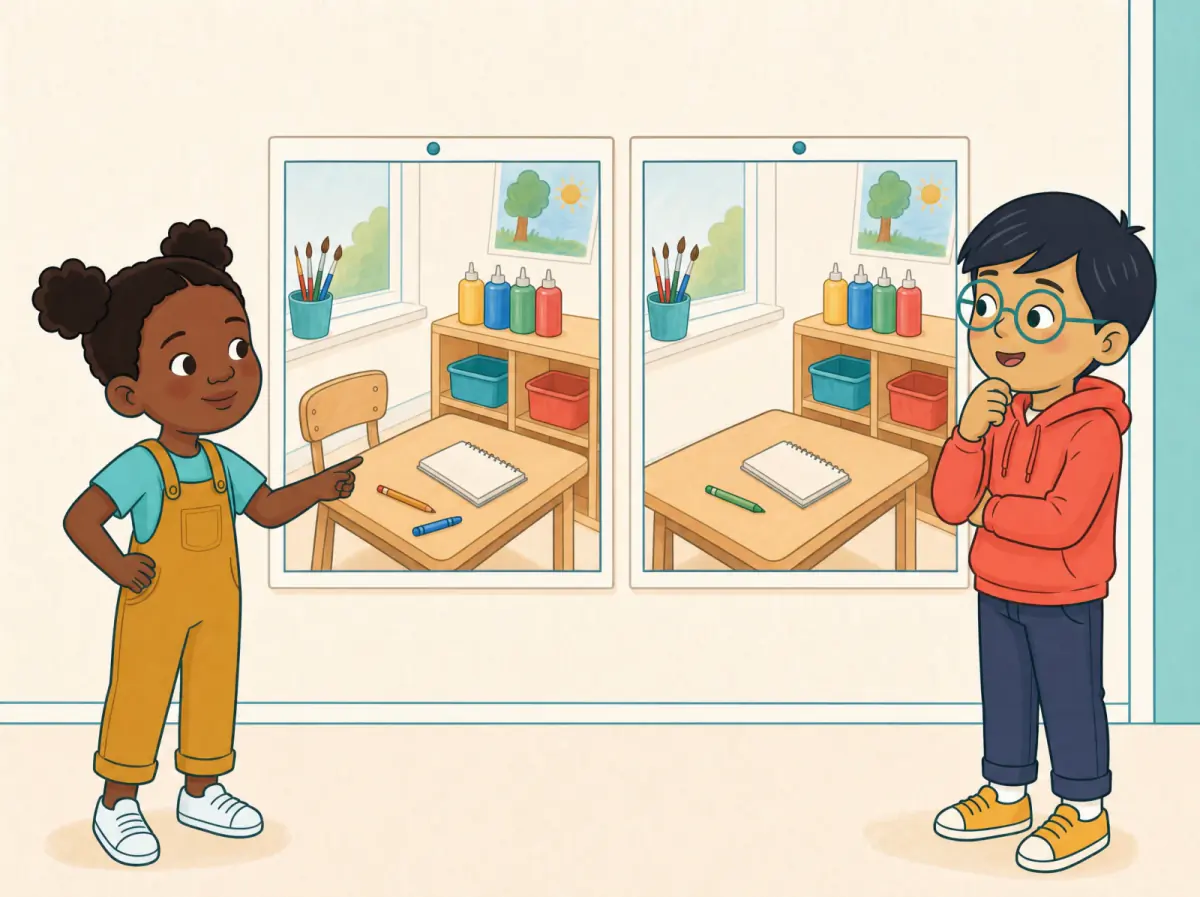
Two side-by-side picture boards show the same desk scene; the right board has no chair and has a green crayon instead of a blue crayon. Two children compare them from left to right.

Five school words, the question “What’s this?” and a simple spot-the-difference game in English for children of 4–7 at Pre-A1, with audio for every word and line.

A spot-the-difference game is an easy way to practise your child’s first school words in English: desk, chair, crayon, pencil and notebook. Your child first names each thing with “What’s this?” – “It’s a pencil.”, then compares two almost identical pictures: “Look left.”, “No chair!”, “Green there!” This is the very first level (Pre-A1), for children of about 4–7 who already know a few English words. Three or four minutes a day is plenty, and every word and line has audio here, so you don’t need to speak English yourself.

Who this is for

  • Children who know a few English words, such as hello and some colours: school things are a natural next step, because the same objects are on the table at home.
  • Parents who aren’t confident in English: every word and line has audio on this page, and the sentences you need are written out here.
  • Children starting English at nursery or school: classroom objects often come early in a course, so a short picture game at home helps them join in.
  • Too early: if your child doesn’t know any English words yet, start with hello, goodbye and their name (linked below).
  • Too easy: if your child already names all five things and finds differences in English without help, move on to guessing toys with “Is it a …?” (linked below).

Open the sample pages

Open the sample pages

Word cards

deskdesk
chairchair
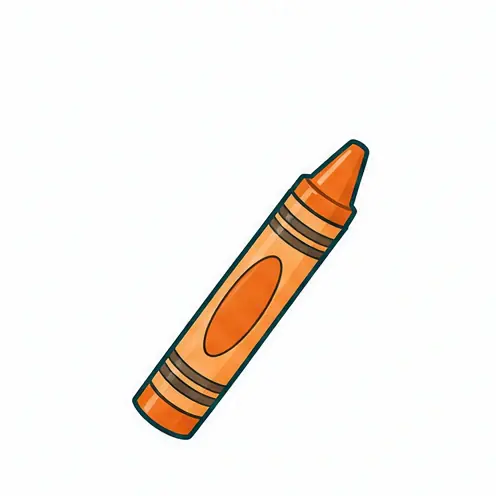
crayoncrayon
pencilpencil
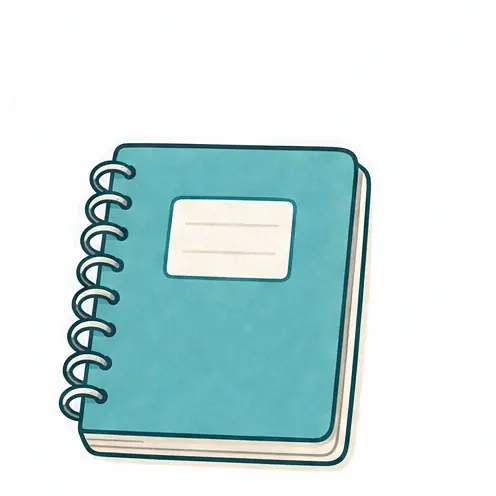
notebooknotebook

Conversation

Nia Look left.

Leo A desk and chair.

Nia Look right.

Leo A desk. No chair!

Nia Blue here.

Leo Green there!

Language pattern

What's this?

It's a notebook.

  • It's a desk.
  • It's a chair.
  • It's a pencil.

More practice

Nia and Leo talk

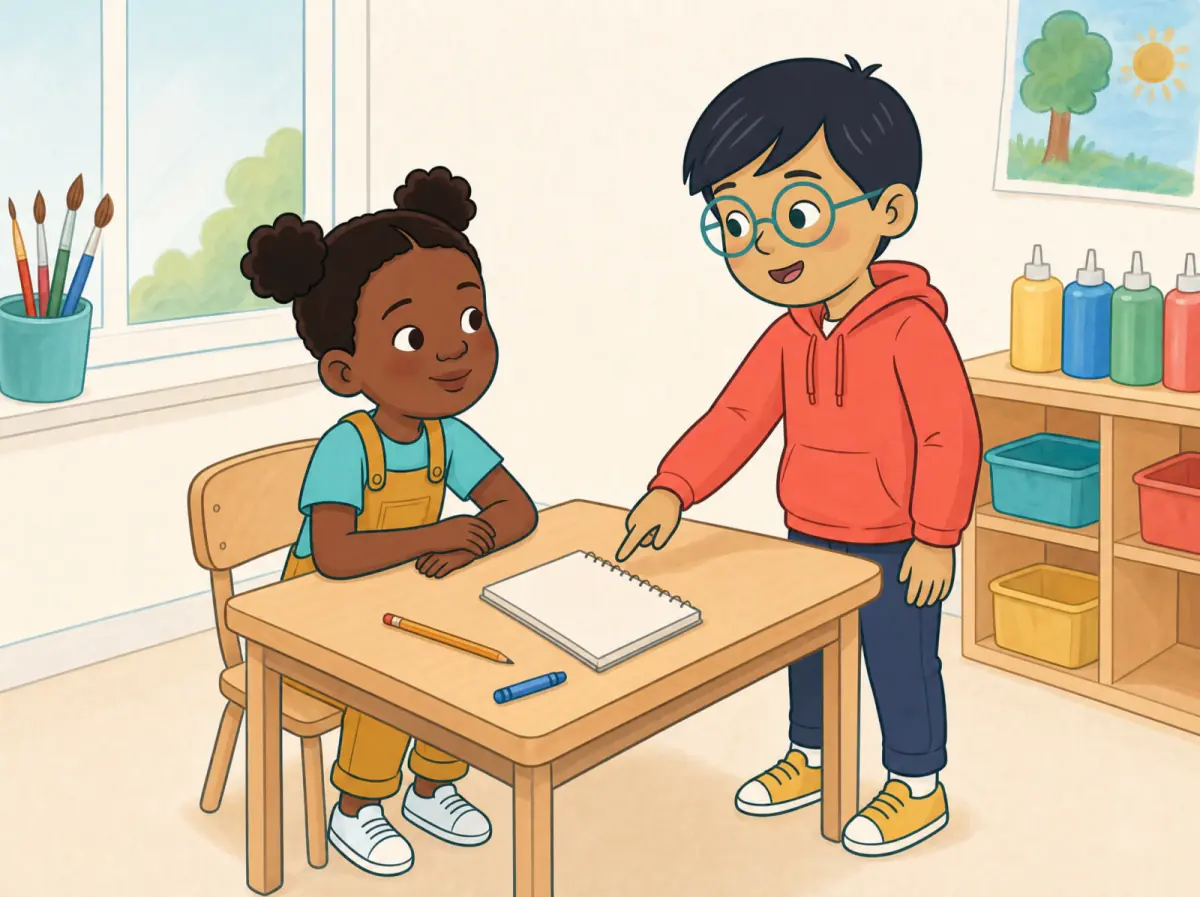
In a bright art corner, Nia sits on one chair at a small desk. A notebook, one pencil and one blue crayon lie separately on the desk. Leo stands beside her and points to the notebook.

Leo What's this?

Nia It's a notebook.

Nia What's this?

Leo It's a pencil.

Leo A blue crayon!

Nia Let's draw!

What's this?

It's a notebook.

  • It's a desk.
  • It's a chair.
  • It's a pencil.
Learn this unit
How would you like to learn?

Five school words to start with

The five word cards on this page have audio: play one, then find the real object at home and touch it together. Pointing to the right thing already counts, even before your child says the word.

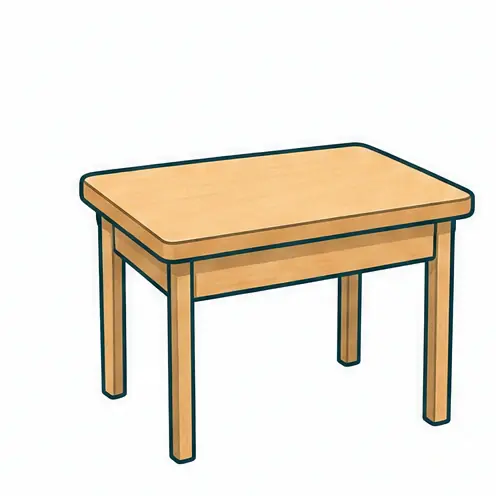
  • “desk”: the table where you sit to draw or write
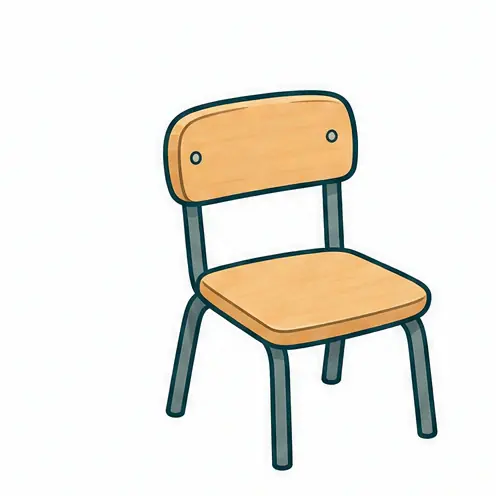
  • “chair”: the seat at the desk
  • “crayon”: the thick wax stick for colouring
  • “pencil”: the thin one you write with and sharpen
  • “notebook”: the little book with empty pages

Naming things: “What’s this?” – “It’s a …”

One question works for every object: touch something and ask “What’s this?” The answer is “It’s a …” plus the thing: “It’s a desk.”, “It’s a chair.”, “It’s a notebook.” The question and answer have audio on this page too.

“This” is for something close, something you are holding or touching, so touch the object as you ask. A one-word answer such as “Pencil!” is fine at first; say the whole line back, “Yes, it’s a pencil!”

From naming to comparing

A spot-the-difference picture shows the same scene twice, side by side, with small changes. Your child needs the word “chair” before they can say that a chair is missing, so naming comes first. Then follow the same order each time:

  • Sit side by side, so left and right mean the same for you both.
  • Name two or three things in the left picture.
  • Move your finger slowly to the right picture.
  • Find what is missing, then what has changed colour.

Listen: two children compare two pictures

In this recording, two children compare the two pictures line by line. Point left and right as the lines play.

“No chair!” is a short, natural way to say that something isn’t there; the full sentence, “There’s no chair.”, can come later. In “Blue here. Green there!”, “here” is the picture you point at and “there” is the other one.

Nia Look left.

Leo A desk and chair.

Nia Look right.

Leo A desk. No chair!

Nia Blue here.

Leo Green there!

Learn this unit your way

Three picture games at home

Keep each game to two or three minutes and stop while your child still wants to play.

  • Two drawings: fold a sheet of paper in half and draw the same desk on both sides. Add a chair only on the left, and colour a crayon blue on the left and green on the right. Say “Look left.”, then “Look right.”, and let your child point to each change.
  • Two plates: put a pencil, a crayon and a notebook on each plate. Take one thing off the right plate, or swap a blue crayon for a green one. Your child points and says “No pencil!” or “Green!”
  • Swap roles: your child makes the change and you find it. Sometimes get it wrong on purpose so they can correct you.

Common mistakes and how to help

“It’s pencil.” Many languages have no small word like “a”, and young children drop short words anyway. Don’t explain the rule; say the whole line back with a smile, “It’s a pencil!”

Left and right mixed up. Many children of this age are still learning left and right, even in their home language. Point every time you say “left” or “right”.

Every drawing tool is a “pencil”. A crayon is the thick wax one, a pencil is the thin one you sharpen, and the thin ones for colouring are “coloured pencils”. Put one of each on the table and let your child sort them.

What comes next

When your child names all five things and finds both differences without help, add a colour before the thing: “a blue crayon”, “a green pencil”. Then try guessing with a yes/no question: “Is it a pencil?” – “Yes, it is.” or “No, it isn’t.” The links below show the colour questions that come before this topic and the guessing game that follows.

Frequently asked questions

Should children say “What’s this?” or “What is this?”

Both are correct. “What’s this?” is the short spoken form, so it is the natural one to learn first. “What is this?” appears in books and worksheets and means exactly the same.

When do you say “a” and when “an” in English?

“A” goes before a consonant sound: a desk, a chair, a pencil. “An” goes before a vowel sound, as in “an apple” or “an egg”. All five school words here take “a”, so your child doesn’t need the rule yet.

Is spot the difference good for learning English?

Yes, for young beginners it is a useful game: your child needs the words to say what they see, and finding a change gives a real reason to speak. It works best once your child has heard the words a few times, and when it stays short.

Learn this unit
How would you like to learn?

What comes next?

One-to-one lessons with a live teacher

In Flalingo kids lessons, your child practises units like this one-to-one with a live teacher, through games on the same screen.

Book a free trial lesson