انتقل إلى المحتوى
Flalingo

تدريبات على الإنجليزية

استخدام just وalready وyet بالإنجليزية للأطفال (المستوى A2، من 9 إلى 12 سنة): المضارع التام والسؤال “هل العرض جاهز؟”

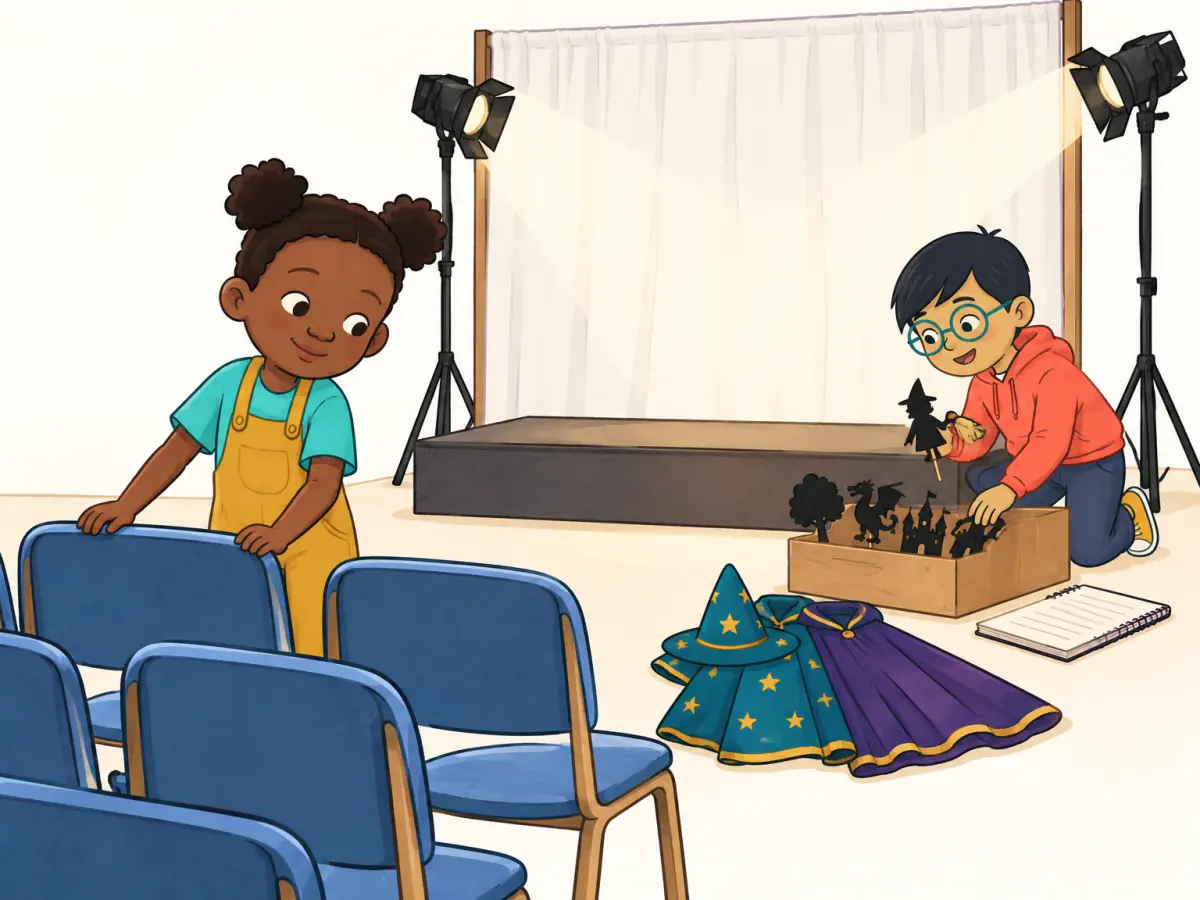
In a school shadow-theatre workshop, lights shine toward a white curtain. A script, two costumes and character cut-outs rest beside the empty stage while a child checks the audience seats.

ساعد طفلك في سن 9–12 على استخدام just وalready وyet بالإنجليزية (المستوى A2) أثناء التحضير لعرض مسرحي، وعلى التمييز بين “We have just tested the lights.” و“I finished it yesterday.”

لقول ما هو جاهز وما لا يزال ناقصًا تستخدم الإنجليزية زمن المضارع التام (present perfect): have أو has مع التصريف الثالث للفعل (past participle). تعني “just” قبل لحظة (“We have just tested the lights.”)، وتعني “already” أن الأمر انتهى، وغالبًا أبكر من المتوقع، أما “yet” فتأتي في نهاية الأسئلة والجمل المنفية عن شيء ما زلنا ننتظره (“Have you finished the script yet?”). وحين تذكر متى حدث الشيء تنتقل إلى الماضي البسيط (past simple): “I finished it yesterday.” هذا الموضوع من المستوى A2 ويناسب الأطفال من نحو 9 إلى 12 سنة الذين يستخدمون الماضي البسيط بالفعل.

لمن هذا المقال؟

  • أهل الأطفال الذين يستخدمون الماضي البسيط: يقول طفلك “I finished my homework yesterday.” ويعرف بعض الأفعال الشاذة.
  • عائلات الأطفال الذين يحبون المسرح أو حفلات المدرسة أو مسرح الدمى: التحقق مما هو جاهز قبل العرض يعطي القواعد الجديدة وظيفة حقيقية.
  • الأهل الذين يريدون التدرب في البيت: تجهيز الحقيبة المدرسية أو الاستعداد لحفلة يصلح تمامًا مثل المسرح.
  • مبكر جدًا: إذا كان طفلك ما زال يقول “Yesterday I go to the concert.”، فتدرّبا أولًا على الماضي البسيط، مثلًا مع موضوع وصف حفل موسيقي (الرابط أدناه).
  • سهل جدًا: إذا كان يقول دون مساعدة “I haven’t packed yet, but I’ve already found my ticket.”، فانتقل إلى قسم “الخطوة التالية” في النهاية.

افتح الصفحات النموذجية

افتح الصفحات النموذجية

بطاقات الكلمات

lightslights
make-upmake-up
scriptscript
curtaincurtain
character

a person or creature in a story or play

stagestage
costumecostume
audience

the people watching or listening to a performance

Have you finished the script yet?

Study how this model connects form with meaning.

Yes. I finished it yesterday, and I have already checked the ending.

Study how this model connects form with meaning.

We have just tested the lights.

Study how this model connects form with meaning.

I have never performed this part before.

Study how this model connects form with meaning.

المحادثة

Leo Have you finished the script yet?

Nia Yes. First I finished it yesterday. Then I checked the ending, and we have just tested the lights.

Nia Have you found the costume?

Leo No, I have not found it yet.

Leo What have we just tested?

Nia We have just tested the lights.

تركيب الجملة

Have you finished the script yet?

Yes. I finished it yesterday, and I have already checked the ending.

  • We have just tested the lights.
  • I have never performed this part before.

تدريبات إضافية

Use the contrast

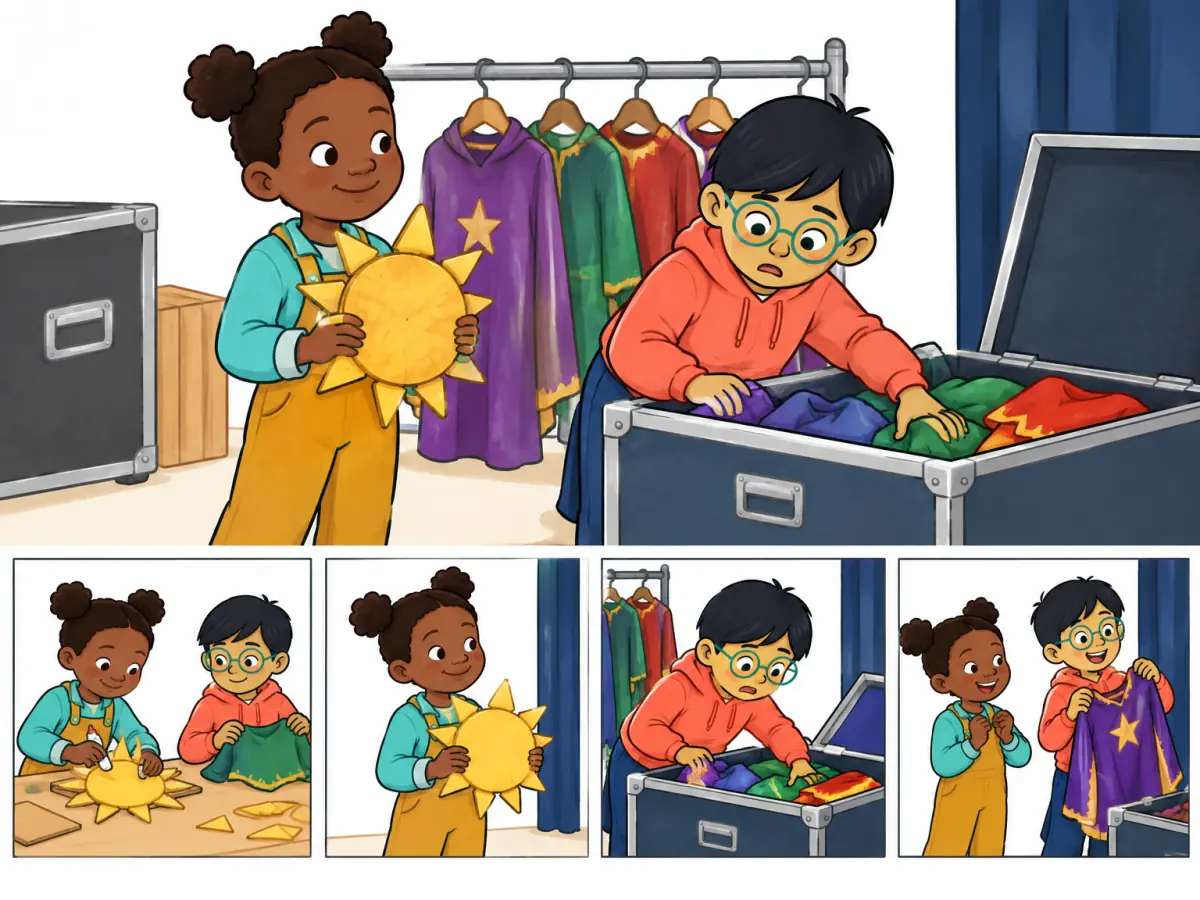
Backstage after rehearsal, Nia holds a completed prop, Leo searches for one missing costume, and a four-panel event strip shows actions before and after the current moment.

Leo Have you finished the script yet?

Nia Yes. I finished it yesterday, and I have already checked the ending.

Nia Have you found the costume?

Leo No, I have not found it yet.

Leo What have we just tested?

Nia We have just tested the lights.

Have you finished the script yet?

Yes. I finished it yesterday, and I have already checked the ending.

  • We have just tested the lights.
  • I have never performed this part before.

The moon behind the curtain

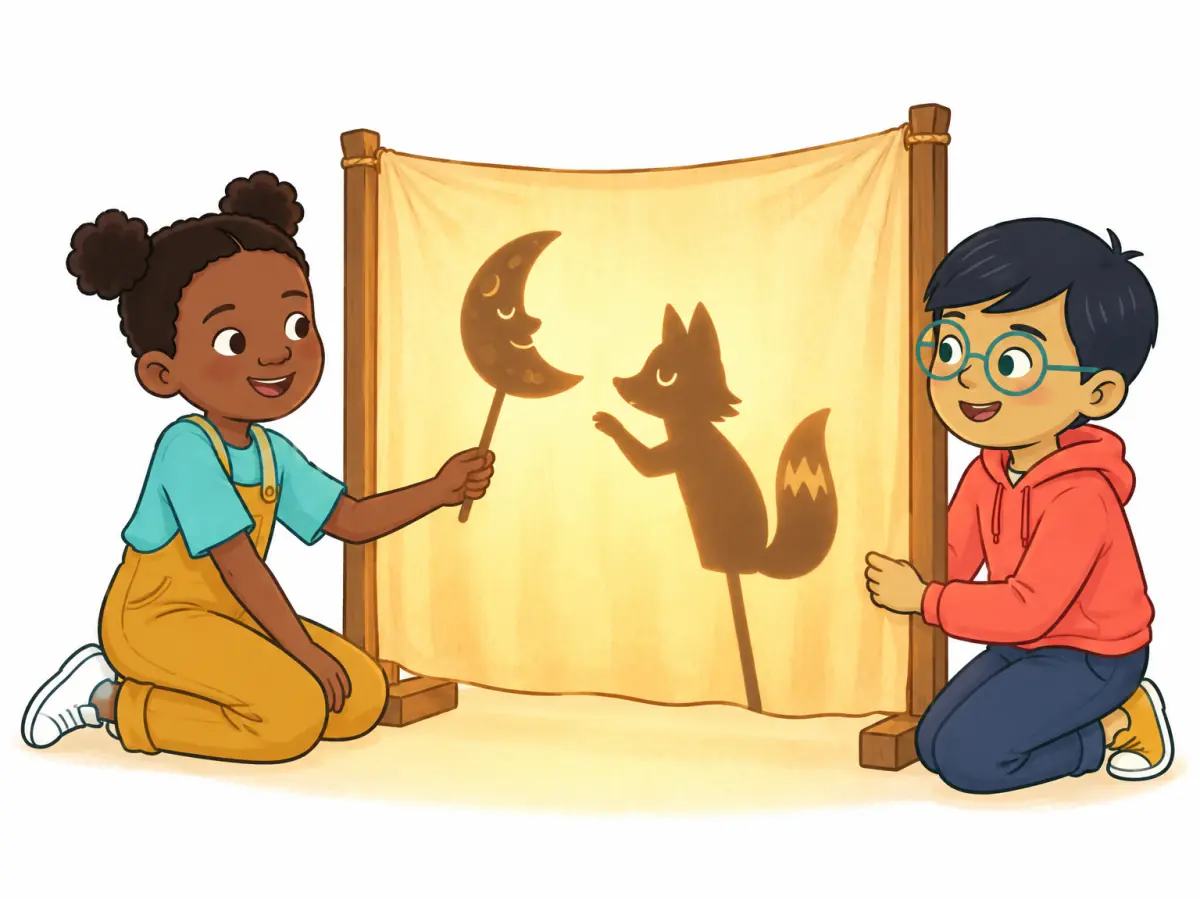
The end of the shadow play: behind a glowing curtain, Nia holds up the moon puppet that has been found, and the fox puppet reaches towards it while Leo holds the curtain.

THE MOON BEHIND THE CURTAIN

NARRATOR: The moon puppet has disappeared before the show.

FOX: I have already looked beside the lights.

CHILD: I checked the costume box ten minutes ago.

FOX: Listen! Something has just moved behind the curtain.

CHILD: It is the moon. The string caught on a nail.

NARRATOR: They free the puppet, and the audience sees a bright ending.

Plan aloud

The end of the shadow play: behind a glowing curtain, Nia holds up the moon puppet that has been found, and the fox puppet reaches towards it while Leo holds the curtain.

Nia How will your new scene end?

Leo The fox finds the moon puppet behind the curtain, and the light returns.

Leo Where will you put the stage directions?

Nia I will put them in brackets.

How will your new scene end?

CHARACTERS: Fox, Child, Narrator SCENE: Behind the theatre curtain. (Child lifts a silver string.) FOX: I have just found the moon puppet. CHILD: The audience is waiting! NARRATOR: The light returns and the scene ends.

  • character list
  • scene heading
  • stage direction in brackets
  • clear ending

Draft and revise

The end of the shadow play: behind a glowing curtain, Nia holds up the moon puppet that has been found, and the fox puppet reaches towards it while Leo holds the curtain.

Nia Who will read your text?

Leo My teacher and I will act it out.

Leo What will you check?

Nia I will check my spelling and punctuation.

How will your new scene end?

CHARACTERS: Fox, Child, Narrator SCENE: Behind the theatre curtain. (Child lifts a silver string.) FOX: I have just found the moon puppet. CHILD: The audience is waiting! NARRATOR: The light returns and the scene ends.

  • character list
  • scene heading
  • stage direction in brackets
  • clear ending
تعلّم هذه الوحدة
كيف تريد أن تتعلّم؟

كلمات التحضير للعرض

التحضير لعرض مسرحي مكان طبيعي لهذه القواعد، لأن الجميع يتحققون باستمرار مما انتهى. تحتاج كلمتان عادةً إلى شرح: “character” هي شخص أو مخلوق في قصة أو مسرحية (شخصية)، و“audience” هم الناس الذين يشاهدون (الجمهور). وهناك فخ في التهجئة: الحرفان gh في “lights” لا يُنطقان، كما في “night”.

  • stage – خشبة المسرح حيث يؤدي الممثلون
  • curtain – الستارة أمام خشبة المسرح
  • script – نص المسرحية
  • costume, make-up – الزي والمكياج

المضارع التام: have أو has مع التصريف الثالث

يربط المضارع التام حدثًا ماضيًا بالحاضر: “We have tested the lights.” تعني أن التجربة انتهت وأن الأضواء جاهزة الآن. الأفعال القياسية تأخذ -ed، مثل finished وtested. أما الأفعال الشاذة فلها صيغتها الخاصة، وليست دائمًا مثل الماضي البسيط: write وwrote وwritten.

في السؤال تأتي have أو has قبل الفاعل: “Have you found the costume?” وفي الكلام يُختصر النفي عادةً: “I haven’t found it.”

  • مع I وyou وwe وthey: “We have tested the lights.”
  • مع he وshe وit: “She has found the costume.”

just وalready وyet وnever

تأتي “just” و“already” بين have والتصريف الثالث. تعني “just” قبل وقت قصير جدًا، مثل “للتو” بالعربية: “We have just tested the lights.” أي جرّبنا الأضواء للتو. وتعني “already” أن الأمر انتهى، وغالبًا أبكر من المتوقع، مثل “بالفعل”: “I have already checked the ending.”

أما “yet” فتُستخدم في الأسئلة والنفي وتأتي في آخر الجملة: “No, I have not found it yet.” وهي قريبة من “لم … بعد” بالعربية، أي لم أجده بعد. والإجابة القصيرة “Not yet.” طبيعية جدًا. وتعني “never” لم يحدث أبدًا حتى الآن: “I have never performed this part before.”

Nia Have you found the costume?

Leo No, I have not found it yet.

Leo What have we just tested?

Nia We have just tested the lights.

المضارع التام أم الماضي البسيط؟

هذا هو الاختيار الأهم في هذا الموضوع. إذا ذكرت متى حدث الشيء أو سألت عنه (yesterday وten minutes ago وlast year) فاستخدم الماضي البسيط، وكذلك في الأسئلة التي تبدأ بـ“When…?”. وإذا لم يُذكر وقت وكانت النتيجة الآن هي المهمة فاستخدم المضارع التام. في العربية يعبّر الفعل الماضي “أنهيتُ” عن “I finished” و“I have finished” معًا، لذلك يكون هذا التمييز جديدًا على الأطفال العرب. نصيحة: إذا كان في الجملة وقت منتهٍ فاختر الماضي البسيط.

الإجابات الحقيقية تمزج بين الزمنين. في المثال أدناه تروي الإجابة الخطوات المنتهية بالماضي البسيط، ثم تذكر آخر خبر بـ“have just”.

  • “I have checked the costume box.”: لم يُذكر وقت
  • “I checked it ten minutes ago.”: وقت منتهٍ

Leo Have you finished the script yet?

Nia Yes. First I finished it yesterday. Then I checked the ending, and we have just tested the lights.

تعلّم هذه الوحدة بطريقتك

كتابة مشهد مسرحي قصير

تناسب اللغة نفسها مسرحية قصيرة عن شيء يختفي قبل العرض مباشرة. اكتب قائمة الشخصيات، ثم اسم المشهد، ثم اسم كل متحدث تليه نقطتان. أما الإرشادات المسرحية التي تخبر الممثلين بما يفعلون فتُكتب بين قوسين وبصيغة المضارع. إليك نموذجًا يمكن لطفلك تغييره:

“CHARACTERS: Fox, Child, Narrator. SCENE: Behind the theatre curtain. (Child lifts a silver string.) FOX: I have just found the moon puppet. CHILD: The audience is waiting! NARRATOR: The light returns and the scene ends.”

  • خطّط: ما الشيء المفقود، وأين يبحثون عنه، وأين هو
  • راجع: “just” واحدة، و“already” أو “yet”، ونهاية واضحة، ثم مثّلا المشهد معًا

أخطاء شائعة وطرق سهلة لتصحيحها

هذه الأخطاء طبيعية في المستوى A2. أعِد الجملة بشكلها الصحيح وتابعا.

  • “I have finished it yesterday.”: مع وقت منتهٍ نستخدم الماضي البسيط: “I finished it yesterday.”
  • “I have already finish.”: نستخدم التصريف الثالث: “I have already finished.”
  • “Have you yet finished?”: تأتي “yet” في النهاية: “Have you finished yet?”
  • “I have found it yet.”: في الجمل المثبتة نستخدم “already”: “I have already found it.”

لعبة في البيت: قائمة ما وراء الكواليس

قبل مناسبة حقيقية، مثل رحلة مدرسية، اكتب ست مهام في قائمة. اسأل: “Have you packed your water bottle yet?” ويجيب طفلك بـ“Yes, I have already packed it.” أو “Not yet.” أو “I have just done it!” ثم تبادلا الأدوار. في الجولة الثانية اسأل “When did you do it?” لينتقل طفلك إلى الماضي البسيط. ولنسخة أكبر، قدّما عرضًا لمسرح الظل بمصباح يدوي وملاءة.

الخطوة التالية

بعد ذلك يستطيع طفلك وصف المشكلات وحلولها باستخدام too وenough: “The costume is too big.” “The string is not long enough.” وهذا يقود إلى قصة قصيرة عن زيّ مسرحي تحدث له مشكلة.

الأسئلة الشائعة

ما الفرق بين just وalready وyet؟

تعني “just” قبل وقت قصير جدًا، و“already” أن الأمر انتهى، وغالبًا أبكر من المتوقع، أما “yet” فتسأل أو تخبر هل حدث شيء منتظر: “Have you finished yet?”

هل يصح أن نقول “I have finished it yesterday”؟

لا. مع وقت منتهٍ مثل yesterday أو last week نستخدم الماضي البسيط: “I finished it yesterday.” ومن دونه نستخدم المضارع التام: “I have finished it.”

هل “I just finished it” خطأ؟

لا. في الإنجليزية الأمريكية يشيع استخدام الماضي البسيط مع just وalready وyet: “Did you finish it yet?” أما الإنجليزية البريطانية فتفضّل عادةً المضارع التام. والصيغتان صحيحتان.

تعلّم هذه الوحدة
كيف تريد أن تتعلّم؟

ما الخطوة التالية؟

التعلّم مع معلم مباشر

في دروس Flalingo للأطفال، يتدرّب طفلك على وحدات مثل هذه في درس فردي مع معلم مباشر، من خلال ألعاب على الشاشة نفسها.

احجز درسًا تجريبيًا مجانيًا