
انتقل إلى المحتوى
Flalingo

تدريبات على الإنجليزية

كيف تصف صورة بالإنجليزية وتخمّن ما وراءها؟ (B2) “looks as if” و“might have” و“must have”

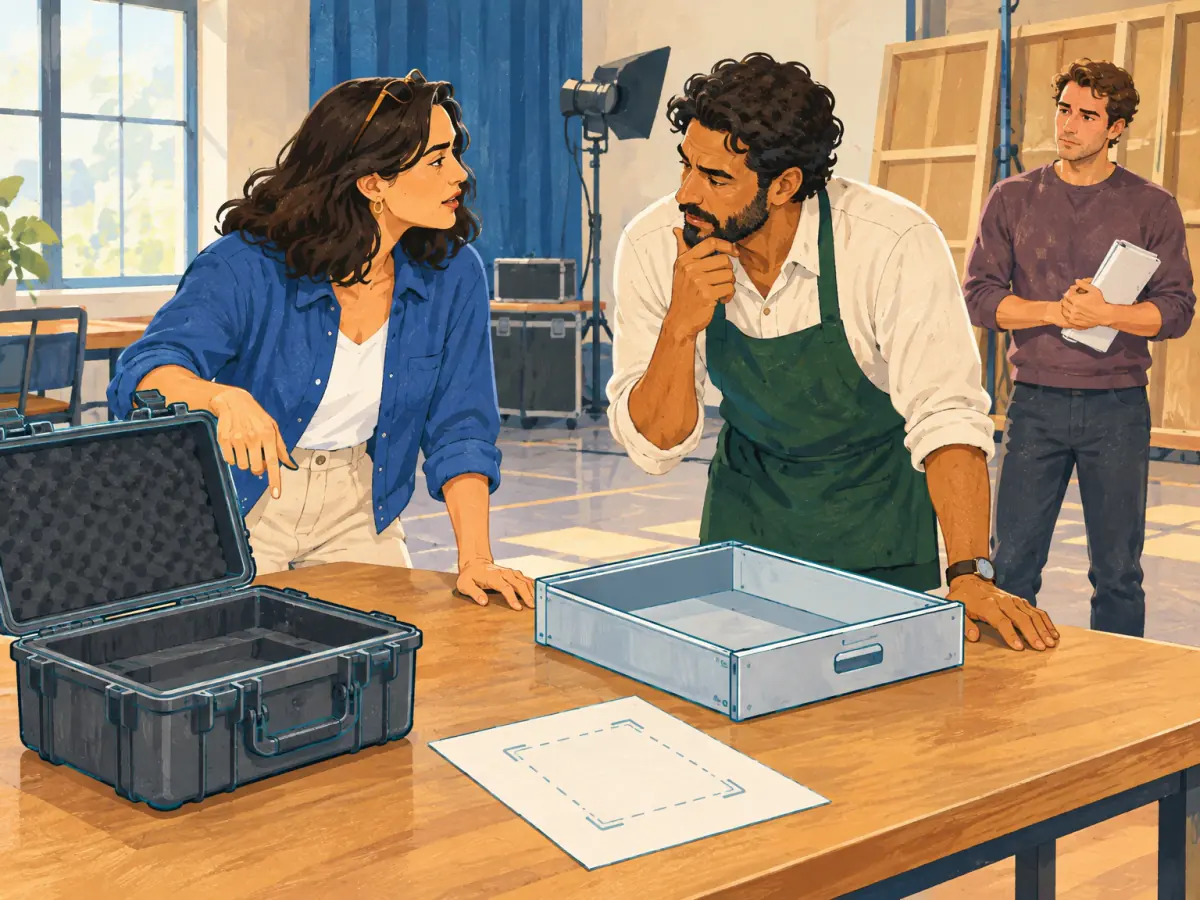
Two friends look at an empty instrument case and its tray on a rehearsal-room table.

دليل B2 لوصف صورة بالإنجليزية: عبارات المكان، ومفردات لغة الجسد، و“look” و“seem”، وأفعال مساعدة مثل “might have” و“must have”، حتى يكون كل تخمين واضحًا ومدعومًا بشيء مرئي.

عندما تصف صورة بالإنجليزية، انقل ما يُرى أولًا ثم فسّره. قُد القارئ من مقدمة الصورة إلى خلفيتها، وضع على كل تخمين علامة مثل “may” أو “looks as if” أو “must have”، واربطه بتفصيل مرئي. “His raised eyebrows suggest that the damage is unexpected.” جملة منصفة، أما “He is shocked.” فتخمين قُدِّم على أنه حقيقة. هذا موضوع من المستوى B2 (فوق المتوسط)، وهو موجّه للبالغين الذين يستطيعون قول ما في الصورة ويريدون التخمين بحذر.

لمن هذا المقال؟

  • البالغون في المستوى فوق المتوسط الذين يعدّدون ما في الصورة لكنهم يقدّمون تخميناتهم كأنها حقائق.
  • من يصفون الصور بالإنجليزية: مهمة تحدّث بالصور، أو تقرير عن حادثة، أو مراجعة تصميم أو عرض مسرحي، أو نص لمعرض.
  • المتعلّمون الذين يريدون أن يبدوا منصفين: حذرين مع “may” و“looks as if”، وواثقين مع “must have” فقط حين يكون الدليل قويًا.
  • ما زال الوقت مبكرًا: إذا كانت تسمية الأماكن والأشخاص والأفعال في صورة جديدة عليك، فابدأ بوصف صورة من المستوى B1 يشرح لماذا تهمّك الصورة.
  • سهل جدًا: إذا كنت تفصل بين الدليل والتفسير دون تفكير، فانتقل إلى مراجعة فنية من المستوى C1 تدعم كل رأي بدليل يمكن ملاحظته.

افتح الصفحات النموذجية

افتح الصفحات النموذجية

بطاقات الكلمات

in the foreground/centre/background

locate elements by depth

In the foreground, Maya stands by the open door.

on the left/right; in front of; behind; opposite; outside

locate one element relative to another

Owen is opposite the window, behind the case.

may/might/perhaps

mark a possible interpretation

The case might have been moved.

looks/seems as if/as though

connect visible evidence to a clause

It looks as though rain entered overnight.

The photo reminds me of…

connect the image to a relevant memory or genre

The photo reminds me of an unresolved workplace incident.

المحادثة

maya Her folded arms look defensive at first.

owen Yes, but the raised shoulder later looks as if it is protecting her.

maya The metal sound seems important, although we never see its source.

owen And the door feels like stone, but it is a painted prop.

تركيب الجملة

look/feel/smell/sound/taste + adjective

describe a quality

The fabric feels rough and the alarm sounds urgent.

sense verb + like + noun phrase

compare with a thing

The prop feels like real stone.

sense verb + as if/as though + clause

give an apparent situation

It sounds as if somebody is behind the curtain.

look

impression specifically from appearance

Maya looks tired under the stage light.

seem

general impression from any evidence

Owen seems worried after reading the schedule.

feel like + noun/-ing

want something or want to do something

I feel like watching the second performance.

as: role/reason/time/example/comparison

marks function, cause, simultaneous time, example, or comparison

As the actor left, Maya worked as a reviewer and noted details such as gesture and pace.

تدريبات إضافية

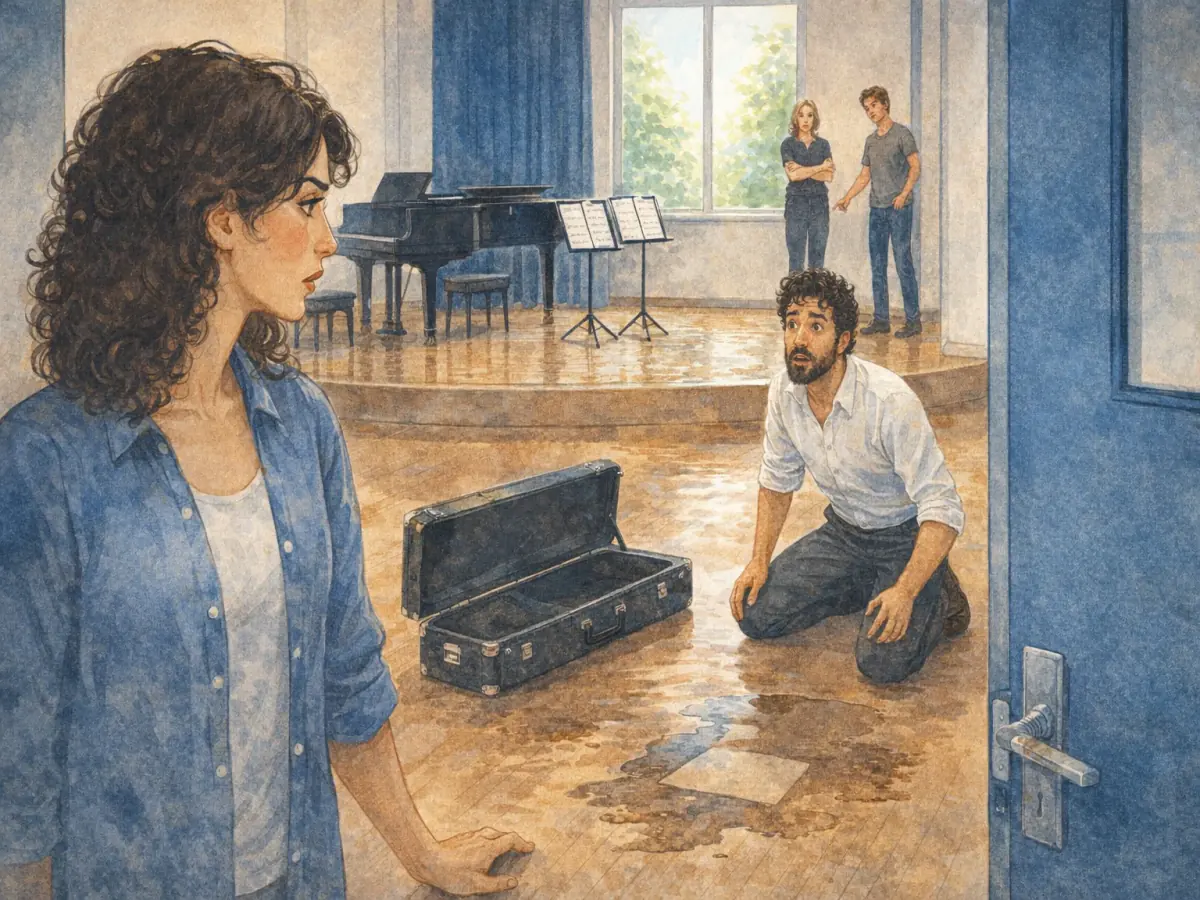
A rehearsal-room decision

Maya just inside the open door, Owen kneeling by a damaged case, and two performers near a wet patch below the window.

In the foreground of the photograph, Maya is standing just inside an open rehearsal-room door. Her face and shoulders look tense. In the centre, Owen is kneeling next to a damaged instrument case. He looks worried, and his raised eyebrows suggest that the damage is unexpected.

In the background, two performers are waiting near the stage. One has folded her arms; the other is pointing towards a wet patch below the window. It looks as if rain has entered during the night. The case may have been moved away from the wall, because its original position is marked by a dry rectangle.

The photo reminds me of the moment before a practical decision. Nobody is posing, and each gesture contributes evidence without proving exactly what happened.

Body and gestures 1

ankle

joint connecting foot and lower leg

Maya rotated her ankle.

calf

muscular back of the lower leg

Owen stretched his calf.

heel

back part of the foot

The shoe rubbed her heel.

knee

joint between thigh and lower leg

He knelt on one knee.

elbow

joint in the middle of the arm

Maya rested an elbow on the table.

fist

closed hand

Owen relaxed his fist.

nails

hard coverings at the ends of fingers or toes

The actor bit her nails.

palm

inner surface of the hand

She placed her palm on the door.

Body and gestures 3

kidneys

two organs that filter blood and make urine

The scan showed both kidneys.

liver

large organ that processes substances in the blood

The liver metabolizes many medicines.

lungs

two organs used for breathing

The singer filled her lungs.

forehead

area above the eyebrows

Sweat appeared on Owen’s forehead.

cheek

side of the face below the eye

Stage paint covered one cheek.

lips

soft edges of the mouth

Maya pressed her lips together.

neck

part joining head to torso

The collar covered his neck.

chin

lower front part of the face

Owen raised his chin.

Write a complete photo description

Evidence audit

تعلّم هذه الوحدة
كيف تريد أن تتعلّم؟
لديك حساب؟

يفتح الحساب المجاني وحدة واحدة تبقى مفتوحة دائمًا.

خطة من أربعة أجزاء لوصف صورة في 140 إلى 190 كلمة

تخيّل غرفة تدريب مسرحي: امرأة عند الباب، ورجل راكع بجانب حقيبة آلة موسيقية متضررة. استخدم أربع عبارات للمكان وست كلمات من لغة الجسد:

  • نظرة عامة: “The photo shows a rehearsal room with four people and a damaged case.”
  • تفاصيل المكان: “In the centre, a man is kneeling next to the case.”
  • استنتاج حذر مرتبط بدليل: “The case may have been moved: a dry rectangle marks where it stood.”
  • انطباع شخصي: “The photo reminds me of the moment before a practical decision.”

عبارات مكان توجّه عين القارئ

تحرّك في اتجاه واحد: من الأمام إلى الخلف أو من اليسار إلى اليمين. نقول في العربية “في المقدمة” و“على اليسار”، وهذا يطابق الإنجليزية: “in the foreground” و“on the left”، فاستفد من هذا التشابه.

  • العمق والجانبان: “in the foreground” و“in the centre” و“in the background” و“on the left” و“on the right”. “In the foreground, a woman is standing in the doorway.”
  • العلاقة بشيء آخر: “in front of” (أقرب إلى الناظر)، و“behind”، و“next to”، و“opposite” (في الجهة المقابلة ومواجهًا له، دون “of”). “The man is opposite the window, behind the case.”

لغة الجسد: سمِّها بدقة واقرأها بحذر

استخدم المضارع المستمر للأفعال، واسم المفعول للأوضاع: “She is pointing at the window.” “Her arms are folded.” في العربية يغطي المضارع الحدث الجاري والمعتاد معًا، أما في الإنجليزية فالفعل الجاري في الصورة يأتي عادةً بصيغة “is + -ing”.

الإيماءة دليل وليست مدخلًا في قاموس: الذراعان المتشابكتان قد تعنيان موقفًا دفاعيًا أو بردًا أو مجرد راحة. ناقش قبل أن تكتب: “Should interviewers judge candidates by their body language?” “Why do we feel so sure about other people’s feelings when the evidence is weak?”

  • الوضعية واليدان: “folded arms” (ذراعان متشابكتان)، و“a raised shoulder”، و“a clenched fist” (قبضة مشدودة)، و“a hand on the hip”.
  • الوجه: “raised eyebrows” (حاجبان مرفوعان)، و“a frown”، و“a furrowed brow” (جبين مقطّب)، و“pressed lips”.
  • الأفعال: “kneeling” و“pointing” و“shrugging” و“staring” و“leaning against a wall”.

“look” أم “seem” أم “look like” أم “look as if”؟

أفعال الحواس تنقل انطباعًا لا يقينًا، وتأتي بعدها صفة لا ظرف. في العربية تغطي كلمة “يبدو” معاني كثيرة (“يبدو متعبًا”، “يبدو كأنه حجر”، “يبدو أنها أمطرت”)، أما الإنجليزية فلكل معنى تركيبه. هنا يغيّر تفصيل لاحق قراءة مشهد مسرحي صامت:

  • “look” أو “feel” أو “sound” + صفة: “Her shoulders look tense.”
  • “look” أو “feel” + “like” + اسم: “The prop feels like real stone.”
  • “look” أو “sound” + “as if” أو “as though” + جملة: “It looks as if rain has come in overnight.”
  • “seem” لانطباع مبني على أي دليل: “He seems worried after reading the schedule.”

Maya Her folded arms look defensive at first.

Owen Yes, but the raised shoulder later looks as if it is protecting her.

Owen And the door feels like stone, but it is a painted prop.

ما مدى يقينك؟ الأفعال المساعدة للاستنتاج

نقول في العربية “لا بد أنه نسي” بفعل ماضٍ، فقد يكتب بعض المتعلمين “He must forgot”. في الإنجليزية تبقى “must” كما هي، ويأتي الماضي في “have” + التصريف الثالث: “He must have forgotten.” اختر الفعل المساعد حسب قوة الدليل: للحاضر “modal + be”، ولما حدث قبل التقاط الصورة “modal + have” + التصريف الثالث:

  • شبه مؤكد، “must”: “They must have arrived a while ago: their coats are hanging up.”
  • محتمل، “may” أو “might” أو “could”: “She may be waiting for someone.”
  • شبه مؤكد أنه غير صحيح، “can’t” أو “couldn’t”: “The door can’t be real stone: one actor is carrying it with one hand.”
  • “must have” استنتاج، و“should have” نقد: “She must have called; she should have called me too.”
تعلّم هذه الوحدة بطريقتك

راجع كل استنتاج

ضع خطًا تحت كل جملة تتجاوز ما سجّلته الكاميرا، واكتب دليلها بجانبها. بلا دليل: احذفها. دليل ضعيف: خفّفها. دليل قوي: أبقِها.

  • “She is angry.” تصبح “She is frowning with her arms folded; she may be annoyed, or simply cold.”
  • “Rain came in overnight.” تصبح “It looks as if rain came in: there is a wet patch below the window.”
  • “The performers damaged the case.” تصبح “Nothing in the photo shows who damaged the case.”

أخطاء شائعة

راجع وصفك بحثًا عن هذه الأخطاء:

  • “on the foreground” أو “in the left”. قل “in the foreground” و“on the left”.
  • “She looks like tired.” قل “She looks tired.” تأتي “like” قبل الاسم.
  • “He must went.” أو “He must of gone.” قل “He must have gone.” وفي الكلام: “must’ve”.
  • “It remembers me of my first job.” قل “It reminds me of my first job.” الفعل “remember” يعني أن تتذكّر أنت، و“remind” يعني أن تذكّر غيرك.

تدريب يومي لمدة 10 دقائق

أي صورة تصلح. ومرة في الأسبوع، اكتب وصفًا كاملًا وراجعه.

  • دقيقتان: استمع إلى الجمل الثلاث أعلاه وسمِّ نمط كل جملة.
  • 3 دقائق: صِف صورة بصوت عالٍ مستخدمًا أربع عبارات للمكان.
  • 3 دقائق: قدّم ثلاثة تخمينات بـ“must have” و“might have” و“can’t have”، ومع كل منها “because”.
  • دقيقتان: اكتب جملة نظرة عامة وانطباعًا شخصيًا بـ“reminds me of”.

الخطوة التالية

بعد ذلك، في المستوى B2، اكتب مقال رأي يُبقي تصحيحاته ظاهرة، ثم تقريرًا عن مدينة يخفي فيه المتوسط مشكلات محلية. وفي المستوى C1، تدعم المراجعة الفنية كل رأي بدليل.

الأسئلة الشائعة

ما الفرق بين “look like” و“look as if”؟

“look like” + اسم تشبّه بشيء: “The door looks like stone.” و“look as if” + جملة تصف موقفًا: “It looks as if it has rained.” وقبل الصفة لا نستخدم أيًّا منهما: “She looks tired.”

كيف أخمّن ما في صورة بالإنجليزية؟

اربط الفعل المساعد بدليل: “The case may have been moved: a dry rectangle marks where it stood.” “must have” تعني أن حدوثه شبه مؤكد، و“can’t have” تعني أن عدم حدوثه شبه مؤكد.

هل نقول “in the foreground” أم “on the foreground”؟

نقول “in the foreground” و“in the background” و“in the centre”، لكن “on the left” و“on the right”.

تعلّم هذه الوحدة
كيف تريد أن تتعلّم؟
لديك حساب؟

يفتح الحساب المجاني وحدة واحدة تبقى مفتوحة دائمًا.

ما الخطوة التالية؟

واصل التدرّب مع Flai

Flai هو تطبيق Flalingo للتدرب على المحادثة بالذكاء الاصطناعي، ويقدم محادثات صوتية وتصحيحات وتقارير للدروس تساعدك على توجيه تدريبك.

التعلّم مع معلم مباشر

في دروس Flalingo تتدرّب على وحدات مثل هذه في درس فردي مع معلم مباشر.