
انتقل إلى المحتوى
Flalingo

تدريبات على الإنجليزية

كيف تكتب سيرة قصيرة بالإنجليزية لشخص على قيد الحياة؟ مستوى B1 (ما قبل المتوسط): أحداث الحياة و“for” و“since” ونقطتا تحول

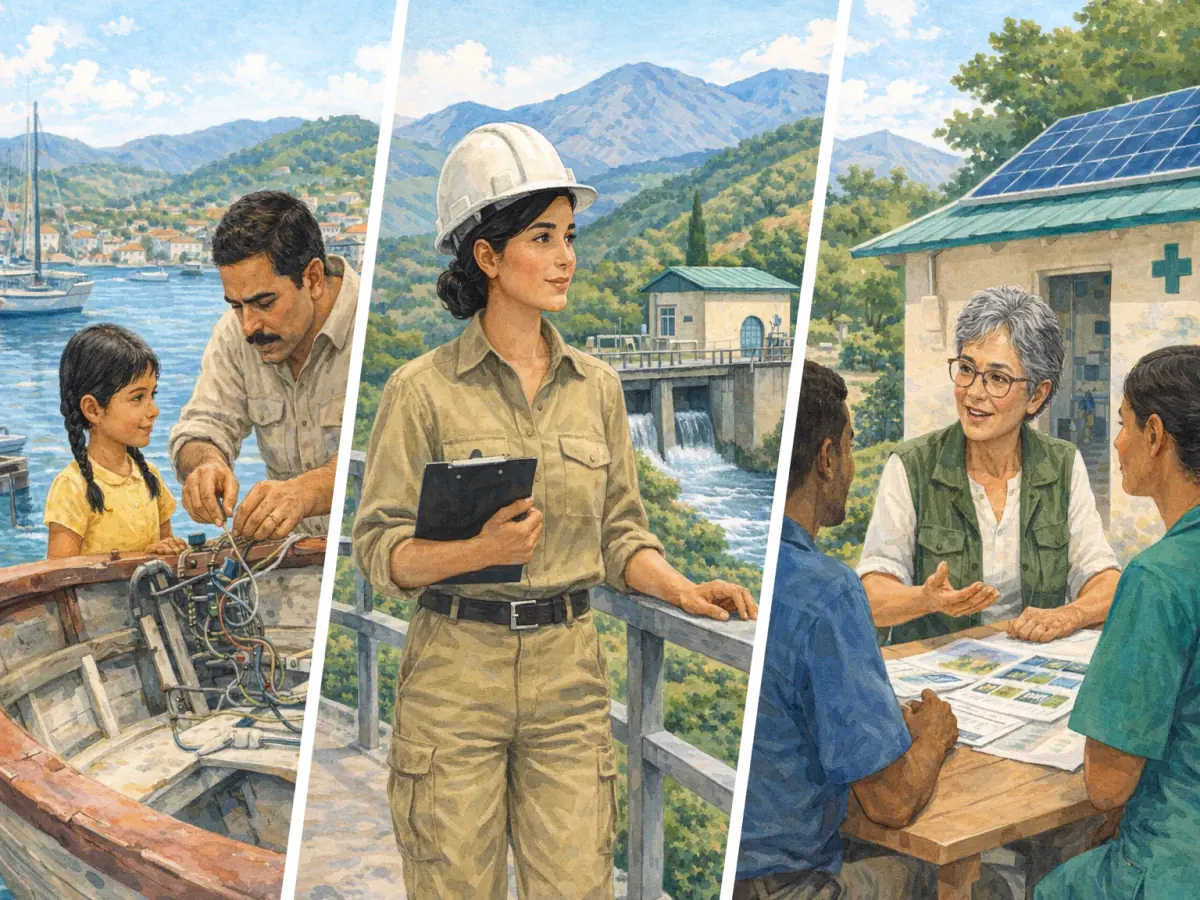
An engineer working with boat equipment, supervising a rural power project, and advising a solar clinic team.

دليل بمستوى B1 (ما قبل المتوسط، A2–B1) لكتابة سيرة بالإنجليزية من 140 إلى 170 كلمة عن شخص يعيش اليوم: عبارات أحداث الحياة، والماضي البسيط للأحداث المؤرخة، والمضارع التام مع “for” و“since”، ونقطتا تحول.

السيرة القصيرة الجيدة لا تسرد كل التواريخ. إنها تقول من هو الشخص اليوم، وتضيف قليلًا عن سنواته الأولى، وتروي نقطتي تحول، وتنتهي بما يستمر حتى اليوم. الأحداث المؤرخة تأخذ الماضي البسيط: “She opened her first studio in 1998.” وما لا يزال صحيحًا يأخذ المضارع التام مع “for” أو “since”: “She has lived in Porto since 2012.” هذا الدليل للبالغين في مستوى B1 (ما قبل المتوسط، A2–B1)، وتكفي 10 دقائق يوميًا.

لمن هذا المقال؟

  • البالغون في مستوى ما قبل المتوسط الذين يروون الأحداث بالماضي لكنهم يترددون عند جملة مثل “She has lived there since…”.
  • كل من يريد الكتابة عن أمه أو جده أو مرشده أو زميله: تاريخ العائلة، أو بطاقة تقاعد، أو تعريف قصير في نشرة نادٍ.
  • من يستعدون لمهمة كتابة أو محادثة عن شخص يُعجبون به.
  • ما زال الوقت مبكرًا: إن كنت تخلط بين “I did” و“I’ve done”، فابدأ بمقال المستوى B1 عن تجربة حديثة ونتيجتها الآن.
  • سهل جدًا: إن كنت تربط الأحداث المؤرخة بما يفعله الشخص اليوم دون ملاحظات، فانتقل إلى المقارنة بين سنوات الدراسة والحياة اليوم.

افتح الصفحات النموذجية

افتح الصفحات النموذجية

بطاقات الكلمات

be born · verb phrase

begin life; normally use the passive was/were born

My aunt was born in Ankara in 1958.

go to primary school · verb phrase

attend the first stage of formal schooling

She went to primary school near her family’s bakery.

go to secondary school · verb phrase

attend the school stage after primary education

At eleven, she went to secondary school across the city.

leave school · verb phrase

finish or stop attending school

She left school at eighteen and began paid training.

go to university · verb phrase

study for a higher-education qualification

She went to university in the evenings while working.

get a job · verb phrase

obtain paid employment

After her course, she got a job in a local laboratory.

المحادثة

maya When was your aunt Salma born?

owen She was born in Izmir in 1957 and left school at seventeen.

maya What did she do next?

owen She got a job repairing radios, then opened her own workshop in 1989.

maya Is she retired now?

owen She retired from full-time work in 2022, but she has mentored apprentices for twelve years and still runs a free class every month.

maya Has she always lived in Izmir?

owen No. She moved to Berlin in 1996 and has lived there since then.

تركيب الجملة

What does Salma still do?

She mentors apprentices and runs a free class every month.

Finished dates use past simple; continuing work and accumulated experience use present perfect.

  • was born
  • opened in 1998
  • has trained
  • has lived since

تدريبات إضافية

Finished life or life until now?

An engineer working with boat equipment, supervising a rural power project, and advising a solar clinic team.
past simple + finished time

use past simple with a finished date, age, period, or life

Lina opened her first studio in 1998.

present perfect + life until now

use present perfect for experience in an unfinished life when no finished time is stated

She has designed more than forty public spaces.

for / since + continuing state

use present perfect when the state began before now and continues

She has lived in Porto since 2012.

When…? → past simple

ask for a finished time with did or was/were

When did she win her first award?

deceased person → past simple

treat the person’s life and achievements as a finished period

Her grandfather wrote six books and died in 2004.

present result

use present perfect when a past action matters to the person’s current life

She has trained hundreds of apprentices, and many now run their own studios.

The engineer who kept the lights on

An engineer working with boat equipment, supervising a rural power project, and advising a solar clinic team.

THE ENGINEER WHO KEPT THE LIGHTS ON

Noura Haddad was born in a coastal town in 1954. Her father repaired fishing boats, and as a child she often watched him solve electrical problems with very simple tools. She left secondary school at eighteen and got a job in the office of a small power company.

The technical team did not include women then, but Noura studied electrical engineering at evening college for six years. In 1981, she became the company’s first female site engineer. She later led a project that brought reliable electricity to five remote villages. The work was difficult: materials arrived by boat, winter storms stopped construction, and each village needed a different plan.

Noura married Karim in 1984, and they had one daughter. The family moved to the capital in 1992 when Noura began training new engineers. She retired from full-time work in 2017, but retirement did not end her public work.

For the last nine years, she has advised a charity that installs small solar systems in rural clinics. She has also spoken at schools since 2019. “Young people need to see that technical work belongs to them,” she says. Noura has received several professional awards, but she keeps one object above her desk: the first light switch her father taught her to repair. It connects her finished career with the work she still does today.

Write a biography of a living person

An engineer working with boat equipment, supervising a rural power project, and advising a solar clinic team.

MARTA SILVA: A LIFE IN COMMUNITY RADIO

Marta Silva was born in Porto in 1962. She loved music and conversation, but she left school at sixteen to help in her family’s shop. In 1981, she joined a local radio station as an office assistant. Two years later, she presented her first evening programme.

Marta married Rui in 1987, and they had two children. She continued working and became the station’s programme director in 2001. During her career, she trained many young presenters and started a weekly programme for new local musicians.

She retired from full-time radio in 2023, but she has not stopped broadcasting. She has produced a monthly interview podcast for three years and has volunteered at a media club since last autumn. Marta now lives near the sea. She says her proudest achievement is not an award: it is hearing confident presenters whom she helped at the beginning of their careers.

How does a short biography become more than a list of dates?

It selects turning points, shows why they mattered, uses dates only where useful, and ends by connecting past experience to the person’s life now.

The model has a clear professional thread and closes with the subject’s own measure of success.

  • was born
  • left school
  • in 2001
  • has…for
  • has…since
  • now
تعلّم هذه الوحدة
كيف تريد أن تتعلّم؟
لديك حساب؟

يفتح الحساب المجاني وحدة واحدة تبقى مفتوحة دائمًا.

ما الذي تحتاجه السيرة القصيرة

قائمة التواريخ ليست قصة حياة. اختر من هو الشخص اليوم، وقليلًا عن سنواته الأولى، ونقطتي تحول، وما يستمر حتى اليوم. وتحقق من المعلومات أولًا مع الشخص نفسه أو مع عائلته. قوالب مفيدة:

  • “[Name] is a … who …” – من هو اليوم
  • “She was born in … in …” – مكان الولادة وسنتها
  • “In …, she …, so …” – نقطة التحول ونتيجتها
  • “Since then, she has …” – ما يستمر منذ ذلك الحين
  • “Today, she still …” – ما زالت تفعله اليوم

أحداث الحياة من الولادة إلى التقاعد

هذه العبارات تتبع ترتيب الحياة. وحين تقصد الدراسة، تأتي “school” و“university” بلا “the”: “go to university” و“leave school”.

  • “be born” (يولد)، دائمًا مع “was/were”: “My aunt was born in Ankara in 1958.”
  • “leave school” (يُنهي الدراسة أو يتركها): “She left school at eighteen and began paid training.”
  • “get a job” (يحصل على عمل): “After her course, she got a job in a local laboratory.”
  • “marry someone” أو “get married to someone” (يتزوج): “She married Deniz in 1984.” ولا تقل “married with” ترجمةً لعبارة “تزوجت من”.
  • “retire” (يتقاعد): “She retired from the laboratory at sixty-five.”

الماضي البسيط للأحداث المنتهية المؤرخة

أي زمن منتهٍ (سنة، أو عمر، أو “after that”) يأخذ الماضي البسيط، وكذلك أسئلة “When…?”.

  • سنة: “She opened her first studio in 1998.”
  • سؤال: “When did she move to Berlin?”
  • شخص توفي: الماضي البسيط من البداية إلى النهاية: “Her grandfather wrote six books and died in 2004.”

المضارع التام مع “for” و“since” لما يستمر

للحالة التي بدأت في الماضي وما زالت صحيحة، استعمل “have/has” مع التصريف الثالث للفعل: “for” مع المدة، و“since” مع نقطة البداية. في العربية تقول “تعيش في برلين منذ 1996” بالمضارع، أما في الإنجليزية فلا بد من المضارع التام. وحين لا تذكر زمنًا منتهيًا، يعبّر المضارع التام أيضًا عن التجربة حتى الآن.

  • “since”: “She has lived in Porto since 2012.”
  • “for”: “She has worked from home for about twenty years.”
  • التجربة حتى الآن: “She has trained hundreds of apprentices, and many now run their own studios.”
  • عادة حالية مع “still”: “She still teaches one evening a week.”

استمع: قصة حياة عمّة

امرأة تسأل زميلها عن عمّته سلمى التي كانت تصلح أجهزة الراديو. ميّز بين الأحداث المؤرخة (“was born” و“retired” و“moved”) وما يستمر حتى الآن (“has mentored” و“has lived”).

Maya When was your aunt Salma born?

Owen She was born in Izmir in 1957 and left school at seventeen.

Maya Is she retired now?

Owen She retired from full-time work in 2022, but she has mentored apprentices for twelve years and still runs a free class every month.

Maya Has she always lived in Izmir?

Owen No. She moved to Berlin in 1996 and has lived there since then.

تعلّم هذه الوحدة بطريقتك

اكتب سيرة من 140 إلى 170 كلمة

اختر شخصًا على قيد الحياة تستطيع التحقق من معلوماته:

  • من هي اليوم: “Teresa Lopes is a retired nurse who now teaches first aid.”
  • السنوات الأولى: “She was born in Lisbon in 1955 and left school at sixteen.”
  • نقطة التحول الأولى وسبب أهميتها: “In 1975, she got a job in a hospital kitchen, where nurses encouraged her to train.”
  • نقطة التحول الثانية: “In 1990, she moved to Canada and had to retake her nursing exams in English.”
  • ما يستمر: “She retired in 2020, but she has run a monthly first-aid class since then.”
  • رأيها هي: “She says her best reward is meeting former students who now work in hospitals.”

أخطاء شائعة

لكل منها تصحيح سهل:

  • “She born in 1957.” لا بد من “was”: “She was born in 1957.”
  • “She has opened her workshop in 1989.” “in 1989” فترة منتهية، لذا يحتاج الماضي البسيط: “She opened her workshop in 1989.”
  • “She lives in Berlin since 1996.” الحالة مستمرة، لذا: “She has lived in Berlin since 1996.”
  • “since twelve years” المدة تأخذ “for”: “for twelve years”
  • “She married with Deniz.” قل “She married Deniz.”
  • الانتهاء بتاريخ: أضف جملة عن الحاضر.

تمرين يومي لمدة 10 دقائق

اختر قريبًا أو صديقًا أكبر منك سنًا.

  • دقيقتان: كرر كل جملة من المحادثة. في “born” صوت طويل /ɔː/، وفي “work” صوت /ɜː/.
  • 3 دقائق: اسأله: “When were you born?” “When did you …?” “How long have you …?” “What do you still do?”
  • 3 دقائق: اكتب من 140 إلى 170 كلمة بالترتيب أعلاه.
  • دقيقتان: راجع كل فعل، ثم ناقش: هل نقطة التحول حدث كبير أم قرار صغير؟

الخطوة التالية

بعد ذلك، صِف شيئًا بالمبني للمجهول وبمعلومات متحقق منها. ثم قارن سنوات دراستك بحياتك العملية اليوم.

الأسئلة الشائعة

كيف أكتب سيرة قصيرة لشخص بالإنجليزية؟

ابدأ بمن هو الشخص اليوم، وأضف قليلًا عن سنواته الأولى، واروِ نقطتي تحول، واختم بما يستمر حتى اليوم.

هل أستعمل الماضي البسيط أم المضارع التام في السيرة؟

الأحداث المؤرخة تأخذ الماضي البسيط: “She moved to Berlin in 1996.” وما يستمر يأخذ المضارع التام: “She has lived there since then.” أما إذا كان الشخص قد توفي فاستعمل الماضي البسيط.

ما الفرق بين “for” و“since”؟

“for” تدل على المدة (“for twelve years”)، و“since” على نقطة البداية (“since 1996”). ويمكن أن تصف “for” فترة منتهية أيضًا: “He worked there for five years, then left.”

تعلّم هذه الوحدة
كيف تريد أن تتعلّم؟
لديك حساب؟

يفتح الحساب المجاني وحدة واحدة تبقى مفتوحة دائمًا.

ما الخطوة التالية؟

واصل التدرّب مع Flai

Flai هو تطبيق Flalingo للتدرب على المحادثة بالذكاء الاصطناعي، ويقدم محادثات صوتية وتصحيحات وتقارير للدروس تساعدك على توجيه تدريبك.

التعلّم مع معلم مباشر

في دروس Flalingo تتدرّب على وحدات مثل هذه في درس فردي مع معلم مباشر.