İçeriğe geç
Flalingo

İngilizce pratiği

B1 Preliminary Speaking Bölüm 3: partnerinle çevre fikirlerini tartışıp birlikte nasıl karar verirsin?

Two friends take part in an online discussion with three other friends.

B1 Preliminary ve B1 Preliminary for Schools ikili konuşma görevi: öneri, katılma, kibarca katılmama ve karar kalıpları, gerekçe için if cümleleri, çevre kelimeleri, tipik hatalar ve pratik rutini.

B1 Preliminary Speaking Bölüm 3’te sınav görevlisi bir durumu anlatır ve sana ve partnerine farklı fikirleri gösteren resimlerin olduğu bir sayfa verir. Fikirleri birlikte konuşur ve hangisinin en iyisi olacağını söylersiniz. Doğru cevap yoktur: görevliler birlikte nasıl konuştuğunuza ve İngilizcenize bakar. Bu yüzden birkaç fikir hakkında konuş, her birine bir gerekçe ver, partnerine ne düşündüğünü sor ve sonunda açıkça karar verin. Görev B1 Preliminary for Schools’ta da aynıdır. Bu yazı yaklaşık 12–16 yaşındaki, orta (B1) seviyedeki öğrenciler için.

Bu yazı kimin için?

  • B1 Preliminary ya da B1 Preliminary for Schools sınavına hazırlanan, yaklaşık 12–16 yaşındaki öğrenciler.
  • Kendi fikrini söyleyebiliyorsun ama ikili görevde ya çok uzun süre tek başına konuşuyorsun ya da sadece “Yes, I agree.” deyip susuyorsun.
  • Veliler için: Evde partner siz olabilirsiniz. Hafta sonu için iki plan seçin; çocuğunuz İngilizce olarak birini önersin, bir gerekçe versin ve size ne düşündüğünüzü sorsun. Mükemmel İngilizce gerekmez.
  • Henüz erken: Resimlerle kısa bir karşılıklı konuşmayı sürdürmek hâlâ zor geliyorsa önce A2 Key’deki ikili konuşma görevine bak (aşağıdaki bağlantı).
  • Fazla kolay: Birkaç fikri takılmadan tartışıp birlikte karar verebiliyorsan, görüşünü yazıda savunmak için Writing Bölüm 2 makalesine ya da sınav haftası kurallarına geç (aşağıdaki bağlantılar).

Örnek sayfaları açın

Örnek sayfaları açın

Kelime kartları

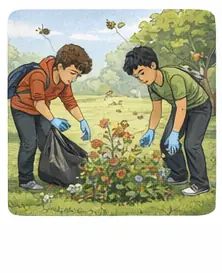
litter-picking daylitter-picking day

everyone picks up litter in the park for one afternoon

A litter-picking day is easy to organise.

recycling competitionrecycling competition

classes compete to recycle the most bottles and paper

The class that recycles the most wins a prize.

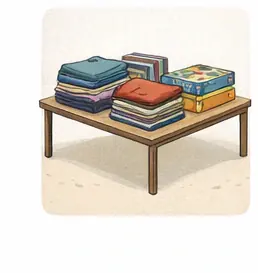
second-hand salesecond-hand sale

people sell old clothes and games instead of throwing them away

At the second-hand sale, Amara bought a jacket for two pounds.

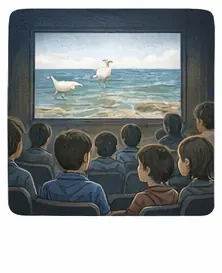
nature film nightnature film night

the school shows a film about animals and the natural world

At the nature film night, we learned about sea birds.

flowers for beesflowers for bees

students plant flowers that bees like around the school

If we plant flowers for bees, more bees will come to the school garden.

Konuşma

Hana So, we need one idea for the school green week. Why don't we have a bike-to-school day?

Theo That's a great idea. I cycle every day anyway! But what about students who live far away?

Hana Good point. They could come by public transport instead.

Theo How about a no-plastic lunch day, too? Everyone brings food in boxes, not plastic bags.

Hana I'm not sure about that. Some families might not have boxes.

Theo I see what you mean. What do you think about the bike day, then?

Hana I think it's the best one, because everyone can take part.

Theo OK, so we both agree. The bike-to-school day it is!

Cümle yapısı

The Green Team wants more young people in Kingsbay to help the environment. Here are some ideas. Talk together about the different ideas and say which one would be the best.

Why don't we start with the recycling competition? If classes compete, lots of students will take part. What do you think?

Talk about each idea, give reasons, ask for your partner's opinion and decide together at the end.

  • Why don't we…?
  • What do you think?
  • I'm not sure about that.
  • If we…, more people will…
  • So, we both agree.

Diğer alıştırmalar

What will happen if…?

Theo and Amara take part in an online discussion with Hana, Deniz and Lucas.

Hana Welcome to our debate. The question is: can young people really change anything?

Deniz If we only clean beaches, the plastic will come back next week.

Lucas Maybe. But unless someone starts, nothing will change.

Amara People might listen to us if we share our videos. Climate change is a big problem, but small actions may help.

Theo I agree. If more people take public transport, there will be less pollution.

Hana So, will we save the whole planet? Probably not. But we'll definitely change our four schools.

What will happen if we don't pick up the plastic?

If we don't pick it up, it will end up in the sea.

Use the present simple after 'if' or 'unless', and will, might or may in the result.

  • if
  • unless
  • will
  • won't
  • might
  • may
  • definitely
  • probably
  • perhaps

First conditional

  • If + present simple, will / won't + verb
  • If we only clean beaches, the plastic will come back.
  • The result can come first: The plastic will come back if we only clean beaches.

unless = if … not

  • Unless someone starts, nothing will change.
  • = If someone doesn't start, nothing will change.

How sure are you?

  • will definitely / definitely won't = very sure
  • will probably / probably won't = fairly sure
  • might / may / perhaps = not sure

Useful phrases

How did it go?

Your discussion

  • Did you ask for your partner's opinion?
  • Did you give reasons?
  • Did you decide together at the end?
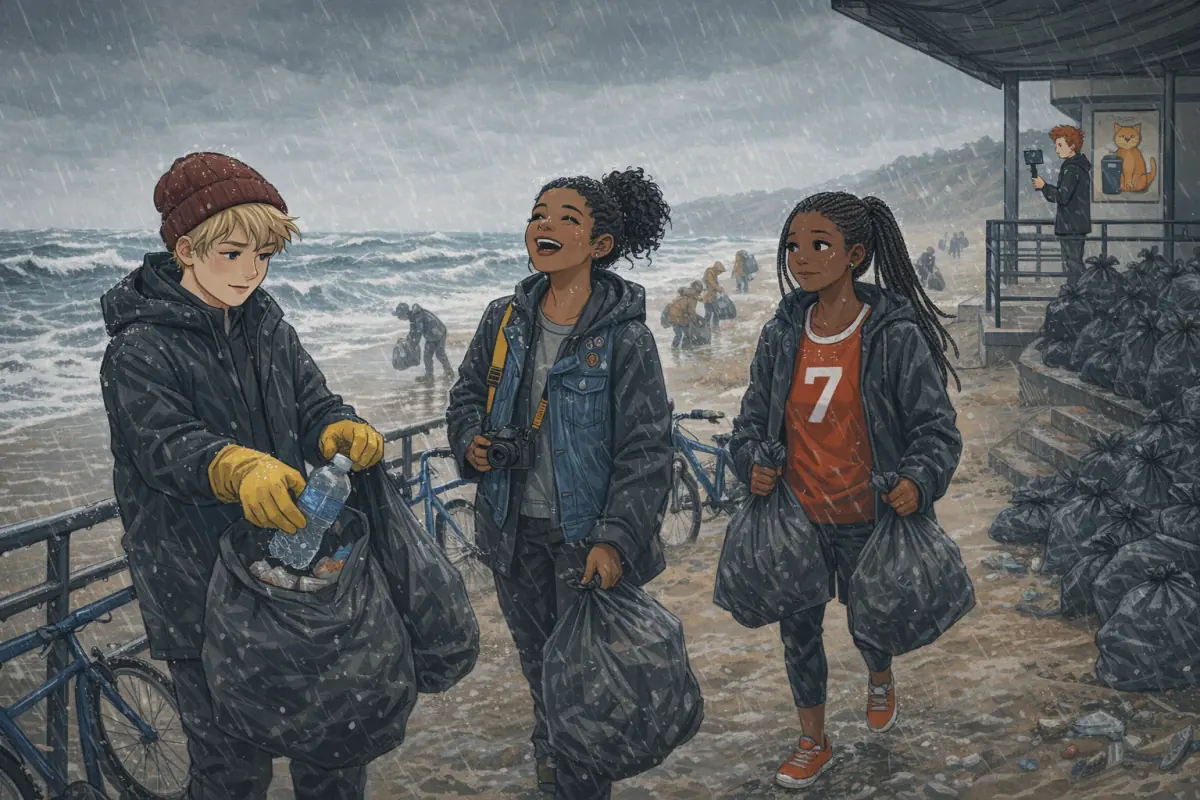
  1. The Green Team picks up litter on Kingsbay beach in heavy rain while Max Carter films them; a poster of Byline hangs by the café.

    Narrator On Saturday, the wind was freezing and the rain didn't stop. But twenty volunteers filled forty bags of rubbish on Kingsbay beach.

    Narrator In Curitiba, Lucas's team cleaned the river on the same day.

    Theo It isn't much, but small actions are a start.

    Narrator That evening, Amara checked her phone.

    Amara Look at this! Max Carter has posted a video of our clean-up, and he's put his own name on it!

Bu üniteyi öğren
Nasıl öğrenmek istersin?

Bölüm 3’te ne oluyor?

Konuşma sınavına başka bir adayla birlikte, iki görevlinin önünde girersin. Bölüm 3’te resimlerin olduğu bir sayfa alırsınız, fikirleri birlikte konuşur ve hangisinin en iyisi olduğuna karar verirsiniz. Bölüm 4 aynı konuyu ikinize sorulan sorularla sürdürür.

Bizim hazırladığımız bir alıştırma görevi: “Your school wants more young people to help the environment. Here are some ideas. Talk together about the different ideas and say which one would be best.”

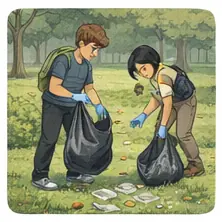
  • “a litter-picking day”: parktaki çöpleri toplamak
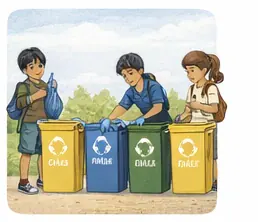
  • “a recycling competition”: sınıfların en çok şişeyi ve kâğıdı geri dönüştürmek için yarışması
  • “a second-hand sale”: eski kıyafetleri ve oyunları atmak yerine satmak
  • “a nature film night”: hayvanlar ve doğa üzerine bir film
  • “flowers for bees”: okulun çevresine arıların sevdiği çiçekleri dikmek

Konuşmayı sürdüren altı hamle

Parlak fikirlere ihtiyacın yok; konuşmayı paylaşman gerekiyor. Her hamleyi birden fazla kez kullan:

  • Öner: “Why don’t we have …?”, “How about a …?”
  • Gerekçe ver: “… because everyone can take part.”
  • Katıl: “That’s a great idea.”, “Good point.”
  • Gerekçeyle, kibarca katılma: “I’m not sure about that.”, “I see what you mean, but …”
  • Fikir sor: “What do you think?”, “Which one do you prefer?”
  • Karar ver: “So, we both agree.”, “In the end, the best idea is …”

Dinle: öneriden karara bir tartışma

İki öğrenci okuldaki çevre haftası için tek bir fikir seçiyor. İlk öneriden son karara kadar her hamleyi fark et. “The … it is!” bir seçimi onaylamanın samimi bir yolu:

Öğrenci 1 So, we need one idea for the school green week. Why don't we have a bike-to-school day?

Öğrenci 2 That's a great idea. I cycle every day anyway! But what about students who live far away?

Öğrenci 1 Good point. They could come by public transport instead.

Öğrenci 2 How about a no-plastic lunch day, too? Everyone brings food in boxes, not plastic bags.

Öğrenci 1 I'm not sure about that. Some families might not have boxes.

Öğrenci 2 I see what you mean. What do you think about the bike day, then?

Öğrenci 1 I think it's the best one, because everyone can take part.

Öğrenci 2 OK, so we both agree. The bike-to-school day it is!

Gerekçeyi if, unless ve might ile kur

En hızlı gerekçe birinci tip koşul cümlesidir: if + present simple, ardından will + fiil. If’ten hemen sonra will gelmez. Daha az eminsen might ya da may, “… -mezse” demek için unless kullan.

  • “If we have a recycling competition, lots of students will take part.”
  • “If we plant flowers for bees, more bees will come to the school garden.”
  • “A film night might be boring for students who don’t like films.”
  • “Unless the school says yes, we can’t have the sale.” (Okul izin vermezse …)
Bu üniteyi kendi yolunla öğren

Gerekçeni güçlendiren çevre kelimeleri

Kelimeleri birlikte kullanıldıkları kelimelerle öğren:

  • “pick up litter” (çöp toplamak), “reduce waste” (atığı azaltmak), “cause pollution” (kirliliğe yol açmak)
  • “recycle bottles and paper”, “a recycling bin” (geri dönüşüm kutusu)
  • “protect the beach”, “Plastic damages rivers.”
  • “volunteers” (gönüllüler), “public transport” (toplu taşıma), “second-hand clothes” (ikinci el kıyafetler)

Tipik hatalar ve doğruları

Pratik yaparken bunlara kulak ver:

  • “If we will plant flowers, more bees will come.” → “If we plant flowers, …”
  • “I’m agree.” → “I agree.” agree bir fiildir, am almaz.
  • “Let’s discuss about the ideas.” → “Let’s discuss the ideas.” Türkçedeki “hakkında tartışmak” yüzünden about eklemek kolay, ama discuss’tan sonra about gelmez.
  • “How about make a film night?” → “How about a film night?” ya da “How about having …?”
  • Sadece “Yes, I agree.” → “I agree, because …” ve ardından yeni bir fikir.
  • Sonunda karar yok → “So, our final decision is …”

15 dakikalık pratik rutini

Haftada iki kez bir arkadaşınla ya da anne babanla yap; mümkünse telefona kaydet:

  • 2 dakika: Bir durum seç (sınıf gezisi, çevre haftası) ve beş fikir yaz.
  • 4 dakika: Fikirleri tartışın; her biriniz en az iki kez “What do you think?” diye sorsun.
  • 1 dakika: Kararı yüksek sesle söyleyin: “So, our final decision is …”
  • 5 dakika: Kaydı dinleyin, gerekçelerinizi ve sorularınızı sayın, bir if cümlesini düzeltin.
  • 3 dakika: Bölüm 4’teki gibi bir soruya cevap verin: “Do you think young people can help to protect the environment?”

Sıradaki adım

Bölüm 4’te bir görüş, bir gerekçe ve bir örnek ver. Tartışmalar kolaylaşınca Writing Bölüm 2’deki iki taraflı makaleye ya da must ve don’t have to ile kurallara geç (aşağıdaki bağlantılar).

Sık sorulan sorular

B1 Preliminary Speaking Bölüm 3’te aynı fikirde olmak zorunda mıyız?

Hayır. Kibarca katılmayabilirsin ama birlikte karar vermeye çalışın. Olmazsa bunu açıkça söyleyin: “We don’t agree, but we both like …”

Partnerim çok konuşursa ya da neredeyse hiç konuşmazsa ne yapmalıyım?

Ona bir soru sor: “What do you think about …?” Herkes kendi İngilizcesinden puan alır, partnerininkinden değil.

Bölüm 3 B1 Preliminary for Schools’ta da aynı mı?

Evet, format aynıdır; konular senin yaşındaki öğrencilere göre seçilir.

Flalingo, A2 Key ve B1 Preliminary sınavlarını sunan Cambridge English ile bağlantılı değildir ve bu kuruluşun onayını taşımaz.

Bu üniteyi öğren
Nasıl öğrenmek istersin?

Sırada ne var?

Canlı öğretmenle birebir ders

Flalingo’da gençler bu tür üniteleri canlı bir öğretmenle birebir, kendi hızlarında çalışır.

Ücretsiz deneme dersi al