

본문으로 바로가기
Flalingo

영어 연습

스포츠로 배우는 아이 영어 if 문장 (A2, 10–12세): 조건문과 가정법 과거

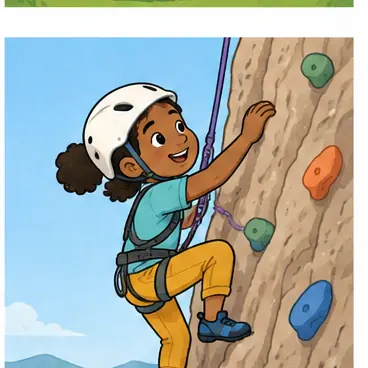
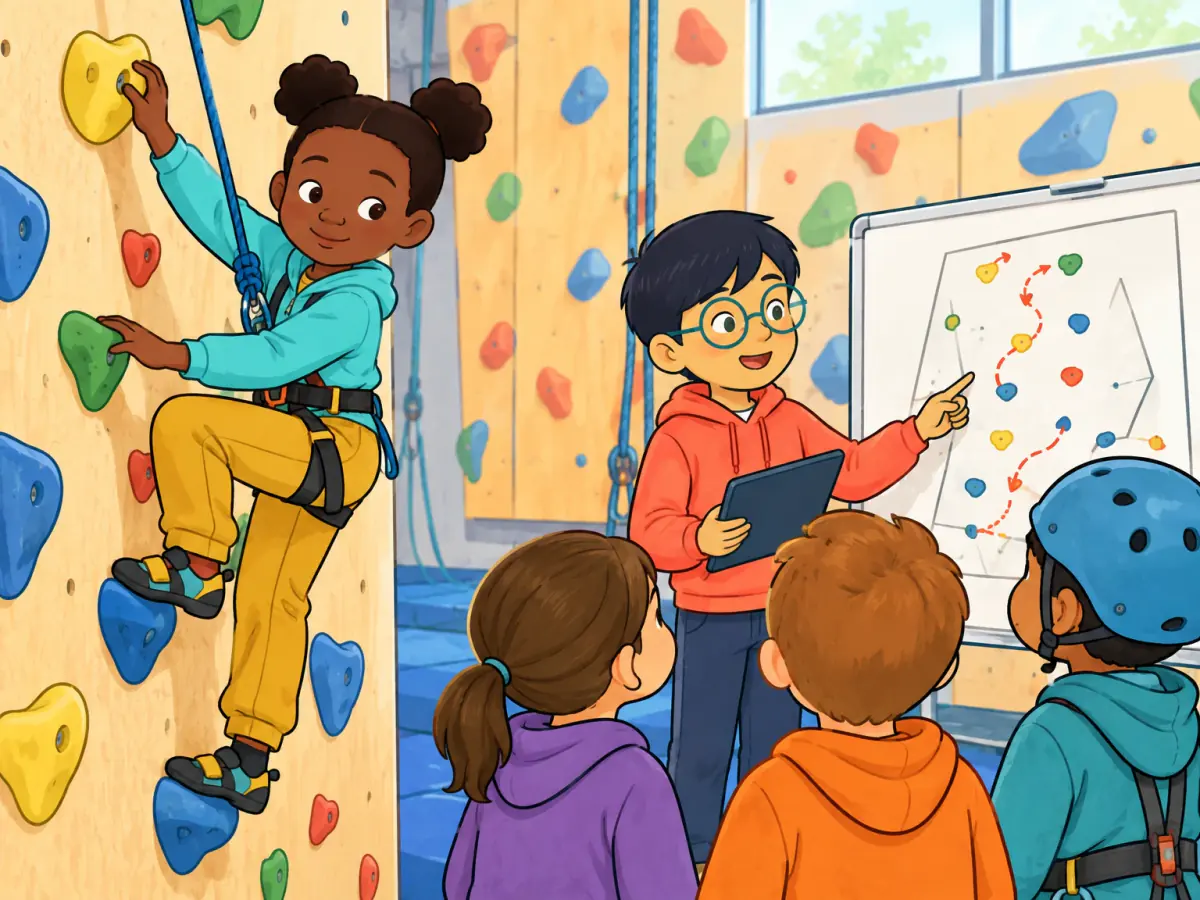
An original youth profile shows a child climbing indoors in a harness while another child plans easier routes for a younger group.

아이가 스포츠를 주제로 if 문장 두 가지를 익히도록 도와주세요. 실제 계획은 “If it rains, I will train indoors.”, 상상은 “If I tried caving, I would go with a guide.”로 말합니다 (A2, 10–12세).

영어에는 자주 쓰는 if 문장이 두 가지 있습니다. 실제로 일어날 수 있는 일에는 if 뒤에 현재형, 나머지 절에 will을 씁니다: “If it rains, I will train indoors.” 아이가 상상만 하는 일에는 if 뒤에 과거형, 나머지 절에 would를 씁니다: “If I tried caving, I would go with a guide.” 아이들은 두 가지를 모험 스포츠로 연습하고 짧은 스포츠 안내문에 활용합니다. 이 A2 주제는 will과 going to로 계획을 말할 수 있는 약 10–12세 아이에게 알맞습니다.

이 글이 맞는 분

  • 이미 계획을 영어로 말하는 아이의 부모님: 아이가 “I’m going to play football on Saturday.”와 “I’ll help you.”를 말할 수 있습니다.
  • 운동, 야외 활동, 모험 영화를 좋아하는 아이: 안전한 계획과 엉뚱한 상상 사이에서 고르다 보면 if를 쓸 진짜 이유가 생깁니다.
  • 집에서 연습하고 싶은 부모님: 일기 예보나 동네 수영장 안내문 하나면 충분하고, 아래 카드와 인터뷰에서 모든 문장을 들을 수 있습니다.
  • 아직 이른 경우: will과 going to를 아직 헷갈린다면 아래에 연결된 미래 계획 A2 글부터 시작하세요.
  • 너무 쉬운 경우: 두 가지 if 문장을 이미 정확하게 쓴다면 아래에 연결된, since와 for로 쓰는 축제 편지 A2 글로 넘어가세요.

예시 학습 페이지 열기

예시 학습 페이지 열기

단어 카드

ice skatingice skating
skiingskiing
baseballbaseball
rugbyrugby
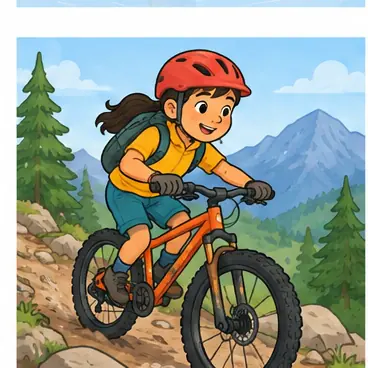
mountain bikingmountain biking
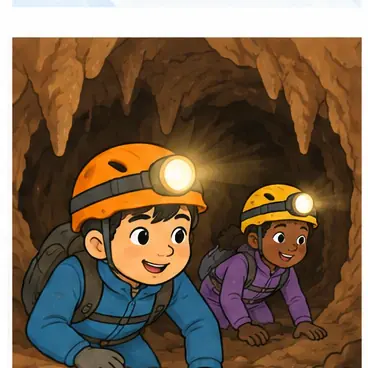
cavingcaving
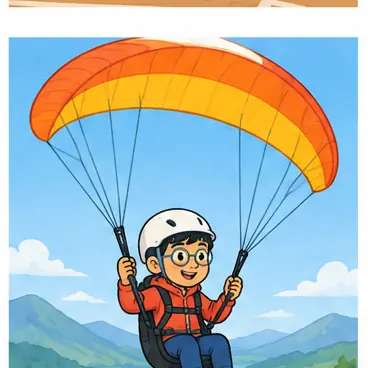
paraglidingparagliding
rock climbingrock climbing
What will you do if the weather changes?

If it rains, I will train indoors.

If I tried caving, I would go with a guide.
Would you try paragliding?
If the path is dry, we will ride.

대화

Nia Today’s sports profile is about Dani, a young adventure athlete. Which sport is her main focus?

Leo Dani says that she trains for rock climbing competitions.

Nia How experienced is she?

Leo She has climbed for four years and completed her first outdoor route last spring.

Nia How often does she train?

Leo She trains indoors three evenings a week, and she goes mountain biking on Sundays.

문장 형태

What will you do if the weather changes?

If it rains, I will train indoors.

  • If I tried caving, I would go with a guide.
  • Would you try paragliding?
  • If the path is dry, we will ride.

추가 연습

Talk with the grammar

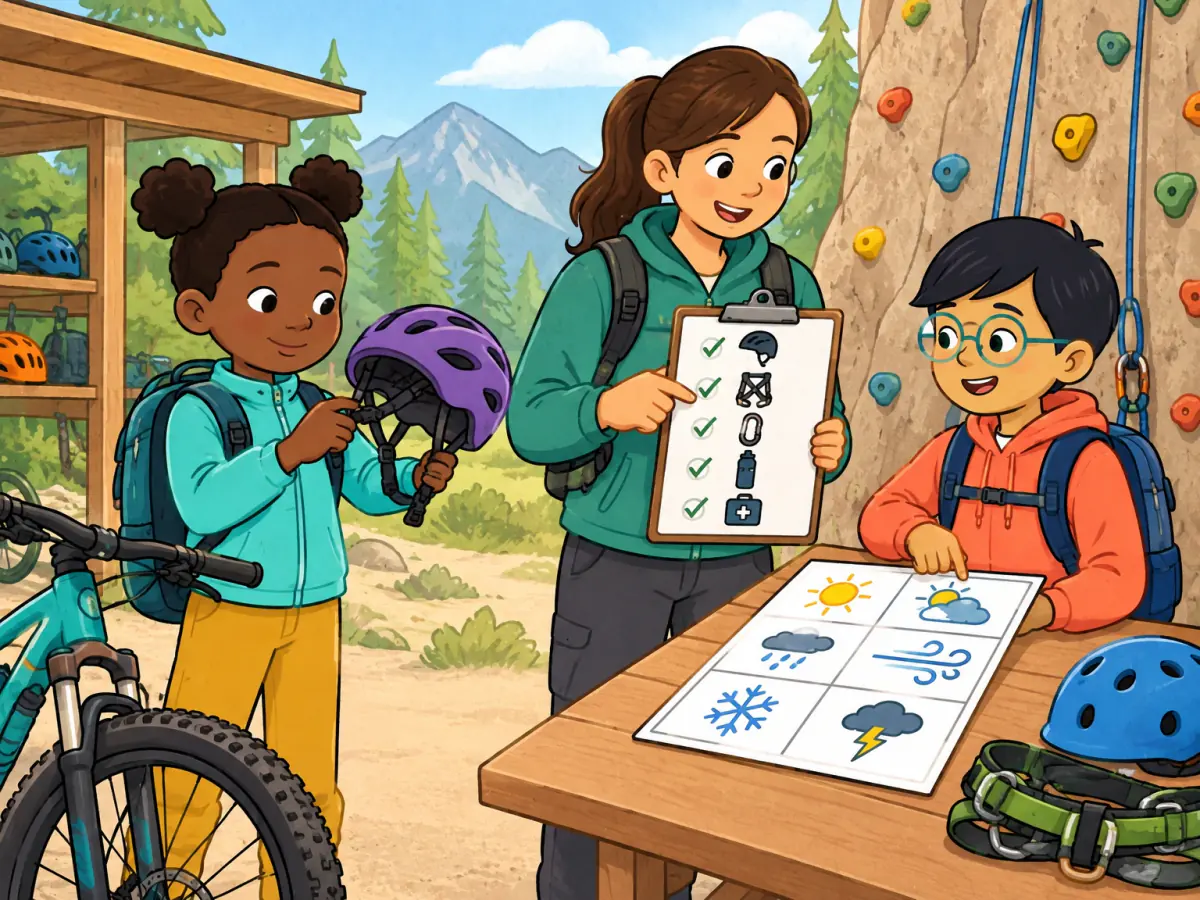
Nia checks a helmet before mountain biking while Leo studies weather symbols beside a climbing wall; an instructor holds the safety list.

Leo What will you do if the weather changes?

Nia If it rains, I will train indoors.

Nia Would you try paragliding?

Leo I would try it with an experienced instructor.

Leo What if the path is dry?

Nia We will go mountain biking.

What will you do if the weather changes?

If it rains, I will train indoors.

  • If I tried caving, I would go with a guide.
  • Would you try paragliding?
  • If the path is dry, we will ride.

A route for everyone

An original youth profile shows Nia climbing indoors in a harness while Leo plans easier routes for a younger group.

A ROUTE FOR EVERYONE

Nia trains on an indoor climbing wall twice a week. She studies each route before she moves and uses a harness checked by her coach. Her friend Leo designs lower starts for younger climbers. If a hold is too far away, he tests another safe route. Nia says that courage is not ignoring danger. It is making an honest plan, listening to advice and trying again.

Writer's studio

An original youth profile shows Nia climbing indoors in a harness while Leo plans easier routes for a younger group.

Nia Who will read your text?

Leo Visitors to the Ridge Centre will read it.

What should visitors know?

TRY THE RIDGE CENTRE Choose climbing, biking or skating. If you are new, an experienced coach will help you. Bring comfortable clothes and follow every safety rule. Ask a coach to help you choose your activity and equipment.

  • If I tried caving, I would go with a guide.
  • Would you try paragliding?
  • If the path is dry, we will ride.
이 단원 배우기
어떻게 배우고 싶나요?

스포츠 8가지와 함께 쓰는 동사

아이들은 이 스포츠 중 몇 가지를 이미 알고 있을 겁니다. 새로 배울 점은 앞에 오는 동사입니다. caving은 땅속 동굴을 탐험하는 것, paragliding은 패러글라이딩입니다. 한국어로 “스키를 타다”, “등반을 하다”라고 하다 보니 “ride skis”나 “do climbing”처럼 말하기 쉽습니다. 아이에게 여덟 가지를 두 묶음으로 나눠 보게 하세요:

  • play + 공을 쓰는 경기와 팀 경기: “play baseball”, “play rugby”
  • go + -ing로 끝나는 활동: “go skiing”, “go ice skating”, “go mountain biking”, “go caving”, “go paragliding”, “go rock climbing”

How long과 how often: 운동선수 소개하기

스포츠 프로필에는 세 가지 시제가 필요합니다. 습관은 현재형입니다: “She trains three evenings a week.” 과거에 시작해 지금도 계속되는 일은 for와 함께 현재완료를 씁니다: “She has climbed for four years.” 한국어로 “4년째 하고 있다”라고 하기 때문에 “She is climbing for four years.”라고 말하기 쉽습니다. “last spring”처럼 끝난 때를 말하면 과거형입니다. 젊은 암벽 등반 선수에 관한 이 인터뷰에서 각 대답이 어떤 시제인지 아이에게 물어보세요.

Nia How experienced is she?

Leo She has climbed for four years and completed her first outdoor route last spring.

Nia How often does she train?

Leo She trains indoors three evenings a week, and she goes mountain biking on Sundays.

실제 계획: if + 현재형, 그리고 will

정말 일어날 수 있는 일에 쓰는 형태입니다. 미래 이야기라도 if 절에는 현재형을 씁니다: “What will you do if the weather changes?” “If it rains, I will train indoors.” 학교 문법에서 배우는 ‘시간·조건 부사절에서는 현재형이 미래를 대신한다’는 규칙이 바로 이것입니다. 한국어 “비가 오면”에도 미래를 나타내는 말이 들어가지 않는 것처럼, 영어도 if 뒤에 will을 쓰지 않습니다. 두 절은 순서를 바꿀 수 있습니다: “I will train indoors if it rains.” 쉼표는 if가 앞에 올 때만 씁니다.

  • If the path is dry, we will ride.

상상한 선택: if + 과거형, 그리고 would

상상한 상황에는 if 뒤에 과거형, 나머지 절에 would를 씁니다: “If I tried caving, I would go with a guide.” 여기서 tried는 어제 일이 아닙니다. 과거형은 이것이 상상이라는 표시이고, 학교 문법에서는 이 형태를 ‘가정법 과거’라고 부릅니다. “If we go skiing this winter, I will take lessons.”는 실제로 갈 수도 있는 여행이고, “If I went skiing, I would take lessons first.”는 그냥 상상하는 것입니다. 아래 질문으로 이야기 나누고, 매번 이유를 물어보세요.

  • Would you try paragliding? Why or why not?
  • If you went caving, what would you take?

dis-와 in-으로 만드는 반대말

영어의 반대말은 접두사로 만드는 경우가 많은데, 어떤 접두사가 붙는지 알려 주는 간단한 규칙은 없습니다. 그래서 짝으로 함께 외우는 것이 좋습니다: “An inexperienced climber should go with an experienced coach.” “unhonest”나 “uncorrect”라고는 하지 않습니다.

  • honest – dishonest (정직한 – 정직하지 않은)
  • like – dislike (좋아하다 – 싫어하다)
  • obey – disobey (규칙을 따르다 – 일부러 어기다)
  • correct – incorrect (맞는 – 틀린)
  • experienced – inexperienced (경험 많은 – 경험 없는)
  • sensitive – insensitive (남의 감정을 살피는 – 살피지 않는)
나에게 맞는 방법으로 이 단원 배우기

개념 지도에서 방문객 안내문으로

개념 지도는 가운데에 장소를 쓰고 가지 세 개를 뻗습니다: 방문객이 할 수 있는 것, 도와주는 사람, 가져와야 할 것. 가지 하나가 한두 문장이 되고, 대부분 “Choose…”나 “Bring…” 같은 안내 문장입니다. 빠진 가지가 없는지 확인하세요. 도움 가지는 잊기 쉽습니다. 가상의 공원을 위한 예시입니다:

  • TRY THE RIVERSIDE BIKE PARK
  • Choose the easy track or the hill track.
  • If you are new, a coach will help you.
  • Bring a helmet, gloves and water.
  • If it rains, the hill track will close.

집에서 하는 놀이: 플랜 A와 플랜 B

내일 일기 예보를 함께 보세요. 아이가 실제 계획 두 개를 말합니다: “If it is sunny, we will ride to the park. If it rains, we will play table tennis.” 그다음 부모님이 스포츠 하나를 말하고 “Would you try it?”이라고 물으면, 아이는 would와 이유를 넣어 대답합니다. 다른 날에는 아는 수영장이나 공원으로 개념 지도를 그리고 네 문장짜리 안내문을 함께 써 보세요.

흔한 실수와 쉬운 해결법

바른 문장으로 다시 말해 주고 대화를 이어 가세요.

  • “If it will rain…”: if 뒤에는 will을 쓰지 않습니다: “If it rains, I will stay inside.”
  • “If I would try caving…”: would는 한쪽 절에만 씁니다: “If I tried caving, I would…”
  • “She is climbing for four years.”: 지금도 계속되는 일입니다: “She has climbed for four years.”
  • “She has finished the route last spring.”: 끝난 때에는 과거형을 씁니다: “She finished the route last spring.”
  • “play skiing”, “play caving”: “go skiing”, “go caving”.

다음 단계

다음은 have와 has로 경험을 말하는 단계로, since, for, just, already를 더합니다: “We have been here since six.” 나중에는 would로 조언도 할 수 있습니다: “If I were you, I would wear a helmet.”

자주 묻는 질문

조건문과 가정법 과거는 어떻게 다른가요?

will을 쓰는 조건문(first conditional)은 실제로 일어날 수 있는 일에 씁니다: “If it rains, I will train indoors.” would를 쓰는 가정법 과거(second conditional)는 상상한 상황에 씁니다: “If I tried caving, I would go with a guide.”

왜 “if it will rain”이 아니라 “if it rains”라고 하나요?

미래에 대한 if 문장에서는 if 절에 현재형을 쓰고, will은 결과를 말하는 절에 씁니다: “If it rains, we will stay indoors.”

“play skiing”인가요, “go skiing”인가요?

“go skiing”입니다. play는 공을 쓰는 경기와 팀 경기에, go는 -ing로 끝나는 대부분의 활동에 씁니다: “go caving”.

이 단원 배우기
어떻게 배우고 싶나요?

다음에는 무엇을 할까요?

라이브 선생님과 함께 배워요

Flalingo 어린이 수업에서는 아이가 이런 단원을 라이브 선생님과 1:1로, 같은 화면의 게임으로 연습합니다.

무료 체험 수업 예약하기