

본문으로 바로가기
Flalingo

영어 연습

아이와 영어로 아침 식사 습관 말하기 (A2, 8–11세): “usually”와 “right now”

A split café scene contrasts a quiet family breakfast table used every week with the busy café right now. A child records meal habits while another child carries no hot items.

8–11세 A2 단계 아이가 영어로 가족의 아침 식사를 말해 보도록 도와주세요. usually, often, rarely로 습관을, am, is, are + -ing로 지금 하는 일을 말하고, 연결된 문장 네 개를 써 봅니다.

여기서 영어는 두 가지 형태를 구분해서 씁니다. 습관은 빈도를 나타내는 말과 함께 현재형(present simple)으로 말합니다: “We usually eat toast.” “I rarely drink fizzy drinks.” 바로 지금 일어나는 일은 am, is, are에 -ing 동사를 붙여 말합니다: “Right now, we are making pancakes.” 이 주제는 A2 단계로, “I eat toast.”를 이미 말할 수 있고 평소 아침과 오늘을 비교할 준비가 된 약 8–11세 아이에게 알맞습니다.

이 글이 맞는 분

  • 간단한 현재형 문장을 말하는 아이의 부모님: 아이가 “I like milk.”나 “I eat toast.”를 도움 없이 말합니다.
  • 영어를 일상과 연결하고 싶은 가족: 아침 식사는 매일 있으니 실제 아침 시간에 자연스럽게 연습할 수 있습니다.
  • 쓰기 목표가 필요한 부모님: 마지막에는 아이가 가족의 아침 식사에 대해 연결된 문장 네 개를 씁니다. 아래 대화는 모든 문장을 녹음으로 들을 수 있습니다.
  • 아직 이른 경우: “I eat toast.” 같은 간단한 문장이나 “Where are you from?” 같은 질문이 아직 어렵다면, 아래에 연결된 출신을 묻는 A1 글부터 시작하세요.
  • 너무 쉬운 경우: 아이가 “usually”와 “right now”를 이미 실수 없이 구분한다면, 아래에 연결된 평소의 하루와 어제를 다루는 A2 글로 넘어가세요.

예시 학습 페이지 열기

예시 학습 페이지 열기

단어 카드

waiterwaiter
waitresswaitress
uniformuniform
menumenu
customercustomer
bottle of waterbottle of water
cup of coffeecup of coffee
glass of milkglass of milk
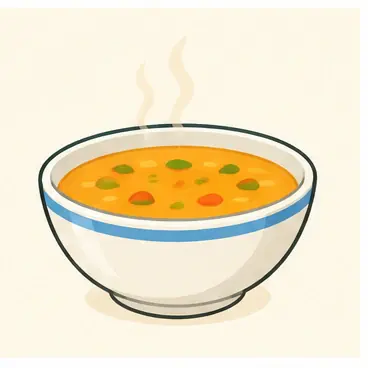
bowl of soupbowl of soup
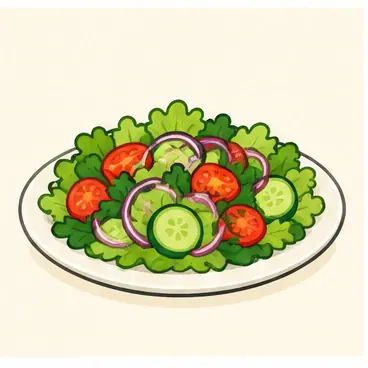
plate of saladplate of salad
What does your family usually eat?

We usually eat toast and fruit.

I rarely drink fizzy drinks.
Right now, Leo is carrying a muffin.
Today, the café is getting busy.

대화

Nia What does your family usually eat?

Leo We usually eat soup.

Leo Do you often eat at a café?

Nia No. We rarely eat out.

Nia What are we doing right now?

Leo We are choosing salad.

문장 형태

What does your family usually eat?

We usually eat toast and fruit.

  • I rarely drink fizzy drinks.
  • Right now, Leo is carrying a muffin.
  • Today, the café is getting busy.

추가 연습

Change the information

A split café scene contrasts a quiet family breakfast table used every week with the busy café right now. Nia records meal habits while Leo carries no hot items.

Nia What do you usually have for breakfast at home?

Leo I usually have toast and fruit.

Leo What are you doing right now?

Nia I am writing in my notebook.

Nia What are you carrying today?

Leo I am carrying a muffin and some juice.

What does your family usually eat?

We usually eat toast and fruit.

  • I rarely drink fizzy drinks.
  • Right now, Leo is carrying a muffin.
  • Today, the café is getting busy.

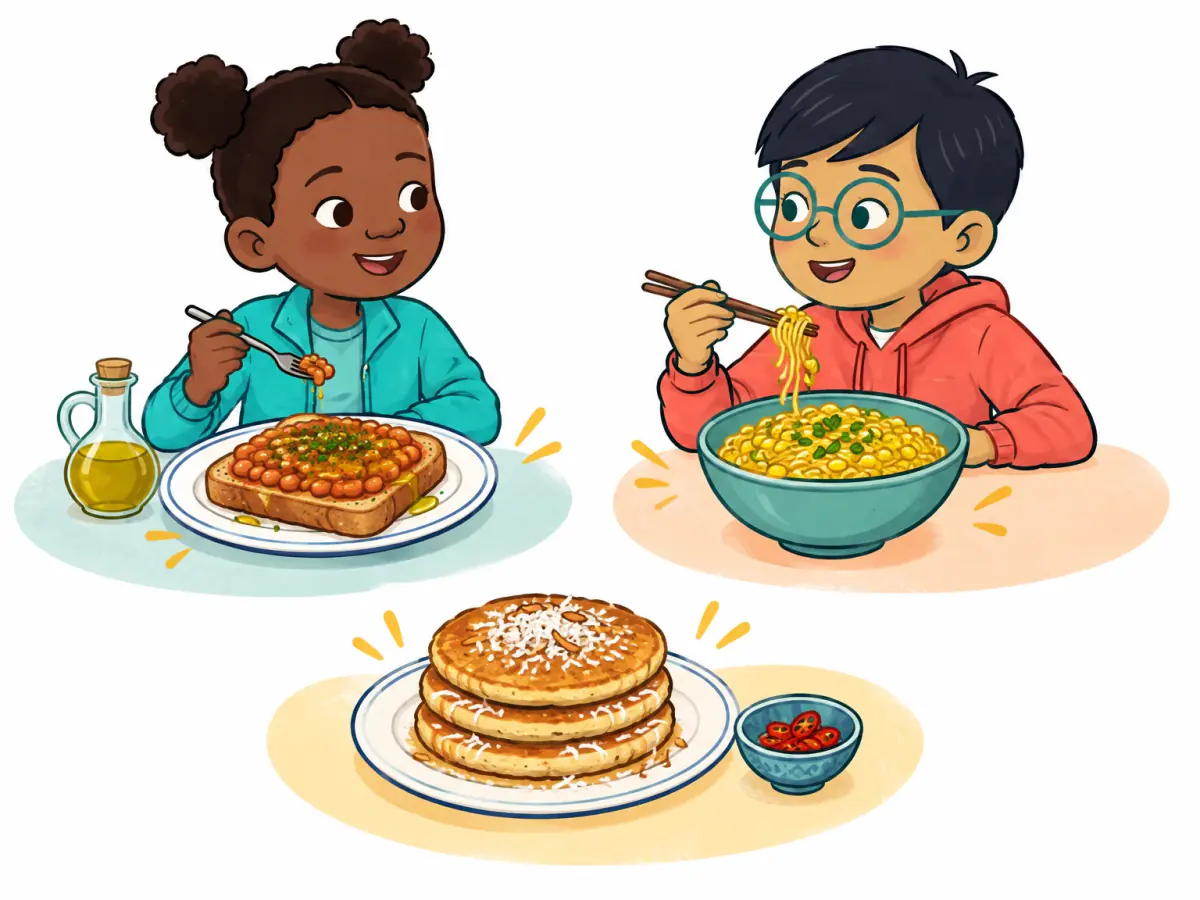
Three breakfast tables

Three distinct breakfast tables show toast with beans, noodles with corn, and coconut pancakes with chilli kept separate.

THREE BREAKFAST TABLES

Families start the day in different ways. Nia's family usually shares toast with beans and a little olive oil. Leo's family often has noodles with corn, but today they are eating coconut pancakes. Their neighbours, the Silva family, rarely eat together on weekdays; one adult likes chilli, so it stays in a separate bowl. On Saturday, all three families are meeting at a neighbourhood café. A good breakfast can look different in every home.

Writer’s studio

A split café scene contrasts a quiet family breakfast table used every week with the busy café right now. Nia records meal habits while Leo carries no hot items.

Nia What will you write about?

Leo I will write about my family's breakfast.

Nia Which time words will you use?

Leo I will use usually, rarely and today.

What are your eating habits?

I usually eat bread for breakfast. I rarely drink fizzy drinks. Today, I am having fruit.

  • I rarely drink fizzy drinks.
  • Right now, Leo is carrying a muffin.
  • Today, the café is getting busy.
이 단원 배우기
어떻게 배우고 싶나요?

습관인가, 지금인가: 두 가지 형태

영어는 반복해서 일어나는 일과 지금 일어나고 있는 일을 구분합니다. 습관은 현재형으로, 지금 이 순간은 am, is, are와 -ing로 말합니다. 한국어에서는 “지금 밥 먹어요”처럼 같은 현재형으로 지금 하는 일도 말할 수 있어서, 아이들이 “Right now I eat.”라고 말하기 쉽습니다. 가장 좋은 단서는 시간을 나타내는 말입니다. usually, every morning, on Sundays에는 습관 형태가, right now, at the moment, “Look!”에는 -ing 형태가 어울립니다.

  • 습관: “My mum usually drinks tea.”
  • 오늘: “Today she is drinking coffee.”

Usually, often, rarely: 얼마나 자주?

빈도를 나타내는 말은 ‘매번’부터 ‘전혀’까지 이어지는 선처럼 가르치고, 가족의 실제 습관을 그 선 위에 놓아 보세요. 이 말은 일반동사 앞에 오지만(“I usually eat eggs.”), am, is, are 뒤에 옵니다(“He is usually hungry at eleven.”). rarely는 이미 ‘자주 하지 않는다’는 뜻이라서 “don’t”를 붙이지 않습니다: “We rarely eat out.” eat out은 카페나 식당에서 밥을 먹는다는 뜻입니다.

  • always: 항상
  • usually: 보통, 대개
  • often: 자주
  • sometimes: 가끔
  • rarely: 거의 하지 않음
  • never: 전혀 하지 않음

습관 묻기: do와 does

습관을 물을 때는 do나 does를 씁니다: “Do you often eat at a café?” he, she, 한 사람의 이름, “my family”와 함께라면 does를 쓰고 동사는 원래 모양 그대로 둡니다: “What does your family usually eat?” 이런 주어로 대답할 때는 동사에 -s가 붙습니다: “My brother usually eats cereal.” 한국어 동사는 주어에 따라 모양이 바뀌지 않아서 이 -s를 빠뜨리기 쉽습니다.

Nia What does your family usually eat?

Leo We usually eat soup.

Leo Do you often eat at a café?

Nia No. We rarely eat out.

지금과 오늘: am, is, are + -ing

바로 지금 하는 일: “I am writing in my notebook.” “Today, the café is getting busy.” 철자에 주의하세요. 소리 나지 않는 끝의 e는 빠지고(choose, choosing), 짧은 동사 중 일부는 마지막 글자를 두 번 씁니다(get, getting; sit, sitting). 카페 사진이나 우리 집 식탁을 보며 사람들이 하는 일을 말해 보는 것도 좋은 연습입니다: “The waiter is carrying a tray.”

Nia What are we doing right now?

Leo We are choosing salad.

아침 식사와 카페 단어

우리 가족이 실제로 먹는 음식을 모아 보세요: toast(토스트), beans(콩), olive oil(올리브유), noodles(국수), corn(옥수수), pancakes(팬케이크), coconut(코코넛), chilli(고추). 카페에서는 menu(메뉴), customer(손님), uniform(유니폼)을 입은 waiter나 waitress(종업원)를 만납니다. 음료와 수프에는 잔이나 그릇을 나타내는 말이 필요합니다: “a milk”가 아니라 “a glass of milk”입니다. 어른들은 카페에서 “a coffee”라고 주문하기도 하지만, 전체 표현은 언제나 맞습니다. 손뼉을 치며 음절을 세면 철자에 도움이 됩니다: pan-cakes (2), co-co-nut (3).

  • a bottle of water: 물 한 병
  • a cup of coffee: 커피 한 잔
  • a glass of milk: 우유 한 잔
  • a bowl of soup: 수프 한 그릇
  • a plate of salad: 샐러드 한 접시
나에게 맞는 방법으로 이 단원 배우기

아침 식사에 대해 연결된 문장 네 개 쓰기

목표는 목록이 아니라 짧은 문단입니다. 습관 하나, 다른 빈도 표현을 쓴 두 번째 습관, 가족이 거의 하지 않는 일, 그리고 오늘 달라진 점을 씁니다. and, but, because, so가 네 문장을 하나의 글로 이어 줍니다. 예시를 읽고, 아이가 모든 내용을 우리 가족에 맞게 바꾸게 하세요:

  • “On school days, my family usually eats toast and eggs.”
  • “My dad often drinks coffee, but I drink milk.”
  • “We rarely eat pancakes because they take a long time.”
  • “Today is Saturday, so we are making pancakes right now!”

흔한 실수와 쉬운 해결법

A2 단계에서는 자연스러운 실수입니다. 바른 문장으로 다시 말해 주고 계속하세요.

  • “My dad usually drink coffee.”: he, she, 이름과 함께라면 -s를 붙입니다: “My dad usually drinks coffee.”
  • “I am usually eat toast.”: 습관에는 am, is, are가 필요 없습니다: “I usually eat toast.”
  • “Right now I eat a pancake.”: 지금 이 순간에는 -ing를 씁니다: “Right now I am eating a pancake.”
  • “We don’t rarely eat out.”: rarely에는 이미 부정의 뜻이 있습니다: “We rarely eat out.”

집에서 하는 ‘아침 식사 기자’ 놀이

아이에게 작은 공책을 아침 식사 일지로 주세요. 아침을 먹으며 아이가 가족 한 명을 인터뷰합니다. “What do you usually eat on Sundays?” 같은 습관 질문 두 개와 지금에 대한 질문 하나를 합니다: “What are you eating right now?” 식사가 끝나면 대답을 바탕으로 문장 네 개를 씁니다. 다음 날에는 역할을 바꿔 아이도 대답하는 연습을 하게 하세요.

다음 단계

다음에는 과거를 더해 보세요: “We usually eat toast, but yesterday we ate pancakes.” 그다음에는 clapped, stopped 같은 과거형 동사로 있었던 일을 순서대로 다시 말할 수 있습니다.

자주 묻는 질문

“I eat”와 “I am eating”은 어떻게 다른가요?

“I eat toast.”는 습관이고, “I am eating toast.”는 지금 일어나는 일입니다. 한국어로는 둘 다 “토스트 먹어요”가 될 수 있으니 시간을 나타내는 말로 고르세요: 앞의 것은 every morning, 뒤의 것은 right now와 어울립니다.

“usually”는 영어 문장에서 어디에 오나요?

일반동사 앞에 옵니다: “We usually eat soup.” am, is, are 뒤에 옵니다: “She is usually early.” 문장 맨 앞에 올 수도 있습니다: “Usually, we eat at seven.” 이 단계에서는 rarely와 never를 문장 가운데에 두세요.

“I am having breakfast”라고 말해도 되나요?

네, “have”가 먹다나 마시다라는 뜻일 때는 됩니다: “We are having breakfast.” 가지고 있다는 뜻일 때는 현재형 그대로 둡니다: “I am having a cat.”이 아니라 “I have a cat.”입니다.

이 단원 배우기
어떻게 배우고 싶나요?

다음에는 무엇을 할까요?

라이브 선생님과 함께 배워요

Flalingo 어린이 수업에서는 아이가 이런 단원을 라이브 선생님과 1:1로, 같은 화면의 게임으로 연습합니다.

무료 체험 수업 예약하기