
본문으로 바로가기
Flalingo

영어 연습

아이를 위한 영어 연결어 (A2, 9–12세): 친환경 집 글에서 and, but, or, so, because 쓰기

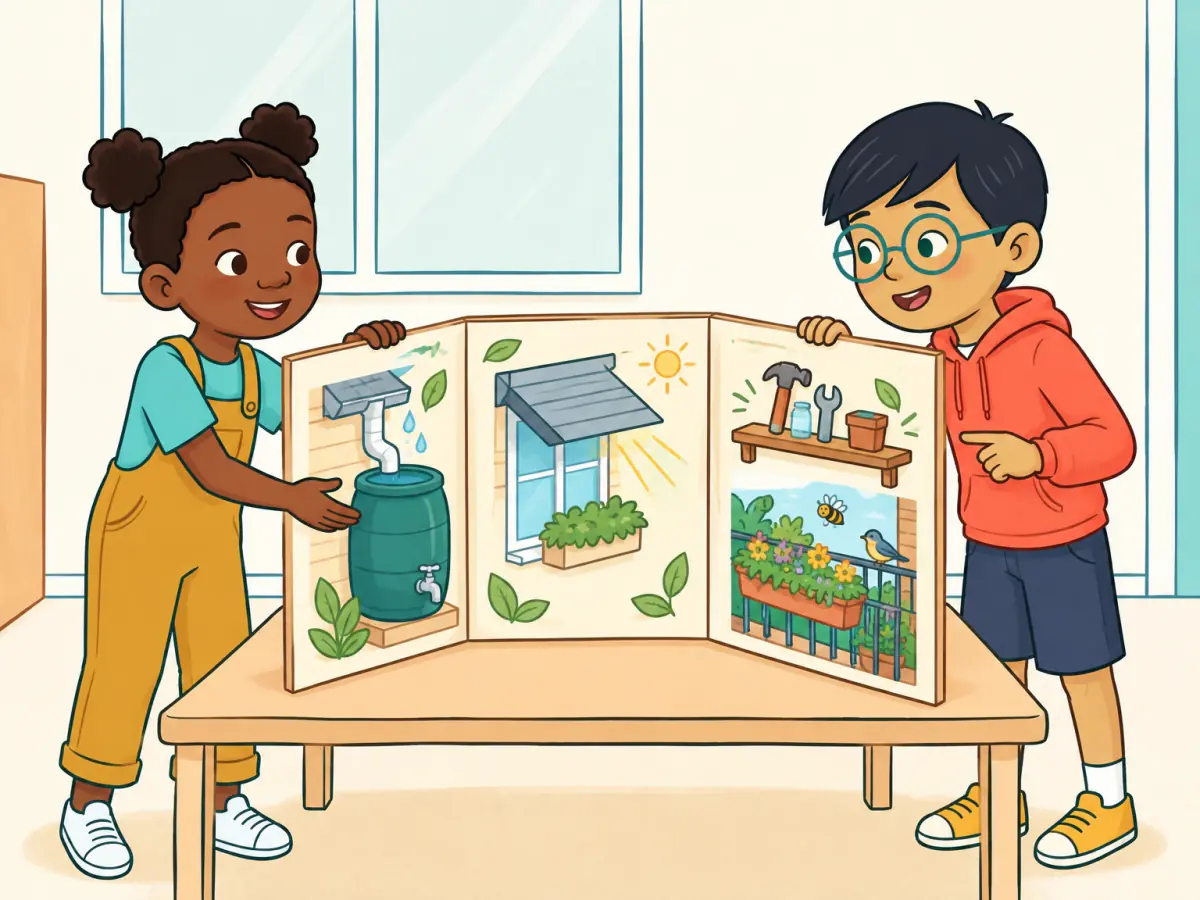
An eco-home information display shows a rain barrel, shaded window, repair shelf and wildlife-friendly balcony garden.

9–12세 아이가 A2 단계에서 and, but, or, so, because로 생각을 잇고, “used to … but now”로 예전 습관과 지금을 비교하며, 더 친환경적인 집에 관한 짧은 안내 글을 쓰도록 도와주세요.

연결어는 두 생각을 이어 주고 둘이 어떤 관계인지 보여 줍니다. “and”는 사실을 더하고, “but”은 대조나 변화를, “or”는 선택을, “so”는 결과를, “because”는 이유를 나타냅니다: “We repair toys and lamps, so less rubbish leaves the building.” 이 주제는 A2 단계로, 과거와 현재의 간단한 문장을 이미 쓰는 약 9–12세 아이에게 알맞습니다. 마지막에는 이웃을 위해 더 친환경적인 집에 관한 짧은 글을 씁니다.

이 글이 맞는 분

  • 간단한 문장을 이미 쓰는 아이의 부모님: 아이가 지난 주말에 한 일과 매일 하는 일을 말할 수 있습니다.
  • 동물, 공원, 재활용에 관심 있는 아이: 더 친환경적인 집은 연결어에 진짜 쓸모를 줍니다.
  • 집에서 연습하고 싶은 부모님: 우리 집에 관한 사실이면 충분하고, 이 페이지의 카드에서 모든 단어와 문장을 들을 수 있습니다.
  • 아직 이른 경우: 한 사건에 대해 과거 문장 두 개를 아직 분명하게 쓰지 못한다면, 앞 주제인 짧은 수리 이야기 속 too와 enough부터 시작하세요 (아래 링크).
  • 너무 쉬운 경우: 짧은 글에서 이미 혼자 사실을 연결한다면, 안내문에서 이유와 함께 제안하기로 넘어가세요 (아래 링크).

예시 학습 페이지 열기

예시 학습 페이지 열기

단어 카드

clean up

remove litter or mess from a place

damage

harm that makes a place or object worse

the environment

the natural world and the places where people and animals live

litterlitter
planetplanet
pollution

harmful waste that makes air, water or land dirty

rubbish dump

a place where large amounts of waste are taken

wildlife

animals and plants living in natural places

What were you doing when the rain started?

Study how this model connects form with meaning.

I was picking up litter with gloves when the rain started.

Study how this model connects form with meaning.

We used to waste water.

Study how this model connects form with meaning.

The team was planting while we were cleaning.

Study how this model connects form with meaning.

대화

Leo What does your group do for the environment?

Nia We clean up the stream bank every Saturday and pick up litter with gloves.

Nia Why does the litter matter?

Leo It can damage wildlife, and a lot of it ends up at the rubbish dump.

Leo What is the biggest problem here?

Nia Plastic pollution. We want to protect our planet, one small place at a time.

문장 형태

What were you doing when the rain started?

I was picking up litter with gloves when the rain started.

  • We used to waste water.
  • The team was planting while we were cleaning.

추가 연습

Use the contrast

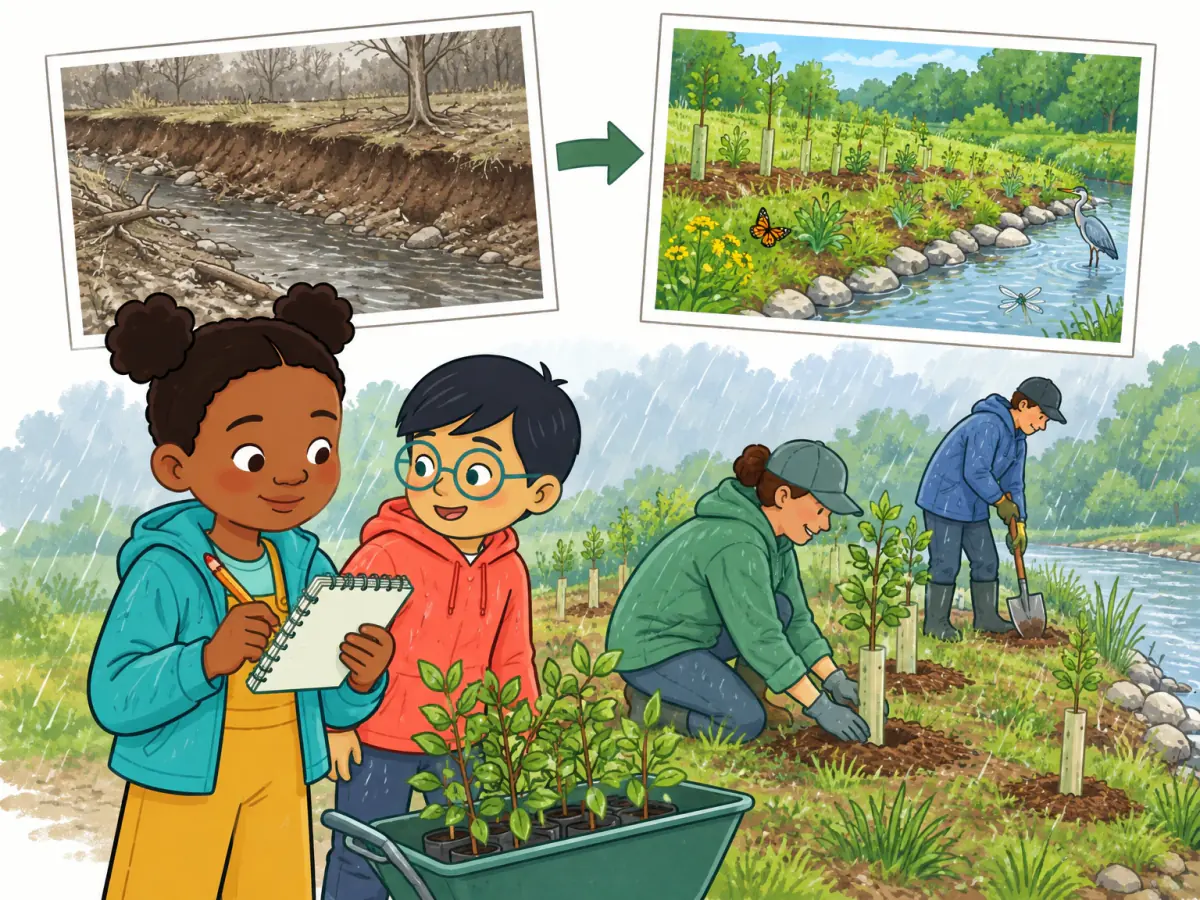
A before-and-now display contrasts a damaged stream bank in an old photograph with a planted bank and clear wildlife area today. Nia records what volunteers were doing when rain began.

Leo What were you doing when the rain started?

Nia I was picking up litter with gloves when the rain started.

Nia What was the team doing?

Leo They were planting while we were cleaning.

Leo Did this place use to have more litter?

Nia Yes, but people changed their habits.

What were you doing when the rain started?

I was picking up litter with gloves when the rain started.

  • We used to waste water.
  • The team was planting while we were cleaning.

Four quiet changes at home

An eco-home information display shows a rain barrel, shaded window, repair shelf and wildlife-friendly balcony garden.

FOUR QUIET CHANGES AT HOME

A greener home does not need dramatic machines. First, a covered rain barrel can store water for plants. Second, a shaded window stays cooler in summer. Third, a repair shelf gives broken objects another chance. Finally, balcony flowers can support insects. Our building used to throw away small items, but neighbours now meet once a month to repair them.

Plan aloud

An eco-home information display shows a rain barrel, shaded window, repair shelf and wildlife-friendly balcony garden.

Nia How will your eco-home text flow?

Leo It will start with what we used to do, and then it will say what we do now.

Leo Which linking words will you use?

Nia I will use but, so and because.

How will your eco-home text flow?

Our building used to waste water, but now we collect rain for the garden. We repair toys and lamps, so less rubbish leaves the building. Neighbours choose herbs or flowers because both support insects.

  • and / but
  • or / so / because
  • used to/now
  • information text

Draft and revise

An eco-home information display shows a rain barrel, shaded window, repair shelf and wildlife-friendly balcony garden.

Nia Who will read your text?

Leo Neighbours in our building will read my information text.

Leo What will you check?

Nia I will check my spelling and punctuation.

How will your eco-home text flow?

Our building used to waste water, but now we collect rain for the garden. We repair toys and lamps, so less rubbish leaves the building. Neighbours choose herbs or flowers because both support insects.

  • and / but
  • or / so / because
  • used to/now
  • information text
이 단원 배우기
어떻게 배우고 싶나요?

이 주제의 환경 단어

이 단어들로 아이는 공원이나 개울처럼 실제 장소를 돌보는 이야기를 할 수 있습니다. “litter”는 복수형이 없어서 “litters”가 아니라 “a lot of litter”라고 합니다. 한국어에는 관사가 없어 “the environment”의 “the”를 빠뜨리기 쉬우니 한 덩어리로 외우세요. “rubbish”는 영국 영어이고, 미국 영어에서는 “trash”라고 합니다.

  • clean up – 한 장소의 쓰레기나 어질러진 것을 치우다
  • litter – 땅에 버려진 쓰레기
  • damage – 무언가를 더 나쁘게 만드는 피해
  • wildlife – 자연 속에 사는 동물과 식물, 야생 생물
  • pollution – 공기, 물, 땅을 더럽히는 물질, 오염
  • rubbish dump – 많은 양의 쓰레기를 가져다 버리는 곳, 쓰레기 매립장
  • the environment – 우리 주변의 자연 세계, 환경
  • planet – 지구처럼 우주에 있는 크고 둥근 천체, 행성

짧은 인터뷰로 단어 듣기

두 아이가 개울가를 청소하는 모임에 대해 이야기합니다. 한 번 들은 뒤 “When does the group clean up?” (every Saturday)와 “What can litter damage?” (wildlife)를 묻고, 다시 들으며 확인하세요.

Leo What does your group do for the environment?

Nia We clean up the stream bank every Saturday and pick up litter with gloves.

Nia Why does the litter matter?

Leo It can damage wildlife, and a lot of it ends up at the rubbish dump.

연결어 다섯 개, 역할 다섯 가지

학교에서는 이 말들을 “connectives”나 “conjunctions”라고도 부릅니다. 하나를 고르기 전에 두 번째 사실이 무엇을 하는지 물어보세요. 더하기, 대조, 선택, 결과, 이유 중 무엇일까요?

“so”와 “because”는 같은 두 사실을 반대쪽에서 이어서 아이들이 자주 바꿔 씁니다. “so”는 결과 앞에, “because”는 이유 앞에 옵니다: “Less rubbish leaves the building because we repair toys.” 한국어는 “비가 와서 집에 갔어요”처럼 이유를 먼저 말할 때가 많아 “so” 문장이 더 익숙할 수 있으니, 결과를 먼저 말하는 “because” 문장도 함께 연습하세요. 두 완전한 문장을 이을 때 “so”와 “but” 앞에는 쉼표를 찍고, “because” 앞에는 보통 찍지 않습니다.

  • and – 더하기: “A rain barrel stores water, and we use it for the plants.”
  • but – 대조나 변화: “Our flat is small, but it has a balcony.”
  • or – 선택: “Neighbours can plant herbs or flowers.”
  • so – 결과: “The window has a shade, so the room stays cooler.”
  • because – 이유: “We grow flowers because they support insects.”

예전 습관과 과거에 하던 일: used to와 was doing

“used to” + 동사는 지금은 바뀐 예전 습관을 말하며, 한국어의 “예전에는 ~하곤 했다”와 비슷합니다: “We used to waste water.” 질문에서는 “d”가 빠집니다: “Did you use to recycle?” 변화를 보여 주려면 “but now”와 현재형을 붙이세요: “I used to throw old bottles away, but now I recycle them.”

was/were + -ing는 과거 어느 순간에 하고 있던 일을 말하며, 한국어의 “~하고 있었다”와 비슷합니다. “when”과 함께 쓰면 짧은 일이 그 일을 끊습니다: “I was picking up litter with gloves when the rain started.” “while”과 함께 쓰면 두 일이 동시에 일어납니다: “The team was planting while we were cleaning.”

나에게 맞는 방법으로 이 단원 배우기

이웃을 위한 안내 글 쓰기

안내 글은 실제 독자에게 사실을 알려 주는 글이고, 여기서 독자는 이웃입니다. 아이는 빗물 통, 그늘막이 있는 창문, 수리 선반, 발코니 꽃처럼 더 친환경적인 집에 관한 사실 네 가지를 정한 뒤 서로 연결합니다. 바꿔 쓸 수 있는 예시: “Our building used to waste water, but now we collect rain for the garden. We repair toys and lamps, so less rubbish leaves the building. Neighbours choose herbs or flowers because both support insects.”

그다음 연결어를 하나씩 확인하세요. “so”나 “because”는 한 사실이 정말 다른 사실의 원인일 때만 씁니다. “We collect rain, so the window stays cool.”은 이어진 것처럼 들리지만 사실이 아닙니다.

흔한 실수와 쉬운 해결법

A2 단계에서는 자연스러운 실수입니다. 바른 문장으로 다시 말해 주고 계속하세요.

  • “It was raining, because we went home.”: “It was raining, so we went home.”
  • 지금도 하는 습관에 “I use to recycle.”: “I usually recycle.”
  • “Now we used to repair lamps.”: “Now we repair lamps.”
  • “We was cleaning.”: “We were cleaning.”
  • “a lot of litters”: “a lot of litter”

집에서 하는 놀이: 연결해 보기

카드 다섯 장에 and, but, or, so, because를 쓰세요. 종이 띠에는 “We turn off the lights.”와 “We use less electricity.”처럼 우리 집에 관한 사실을 두 개씩 씁니다. 아이는 맞는 카드를 골라 문장을 소리 내어 읽고 이유를 말합니다. 그다음 할머니나 할아버지에게 “What did you use to do with old bottles?”라고 물어보게 하세요.

다음 단계

다음은 안내문처럼 이유와 함께 조언하기입니다: “Why not repair your lamp? It saves money.” 그다음에는 긴 글을 주제문이 있는 문단으로 나누는 법을 배웁니다.

자주 묻는 질문

“so”와 “because”는 어떻게 다른가요?

“because”는 이유를, “so”는 결과를 이끕니다: “The room stays cool because the window has a shade.” “The window has a shade, so the room stays cool.”

영어 문장을 “Because”로 시작해도 되나요?

두 부분이 모두 있으면 됩니다: “Because it was raining, we went home.” 글에서 “Because it was raining.”만 쓰면 불완전한 문장이지만, “Why?”에 대한 짧은 말 대답으로는 자연스럽습니다.

“used to”는 과거에만 쓰나요?

네. 지금도 하는 습관에는 현재형을 씁니다: “We usually recycle.”

이 단원 배우기
어떻게 배우고 싶나요?

다음에는 무엇을 할까요?

라이브 선생님과 함께 배워요

Flalingo 어린이 수업에서는 아이가 이런 단원을 라이브 선생님과 1:1로, 같은 화면의 게임으로 연습합니다.

무료 체험 수업 예약하기