본문으로 바로가기
Flalingo

영어 연습

아이와 영어로 학교 음악회 이야기하기 (A2, 8–11세): “played”와 “clapped”로 익히는 과거형

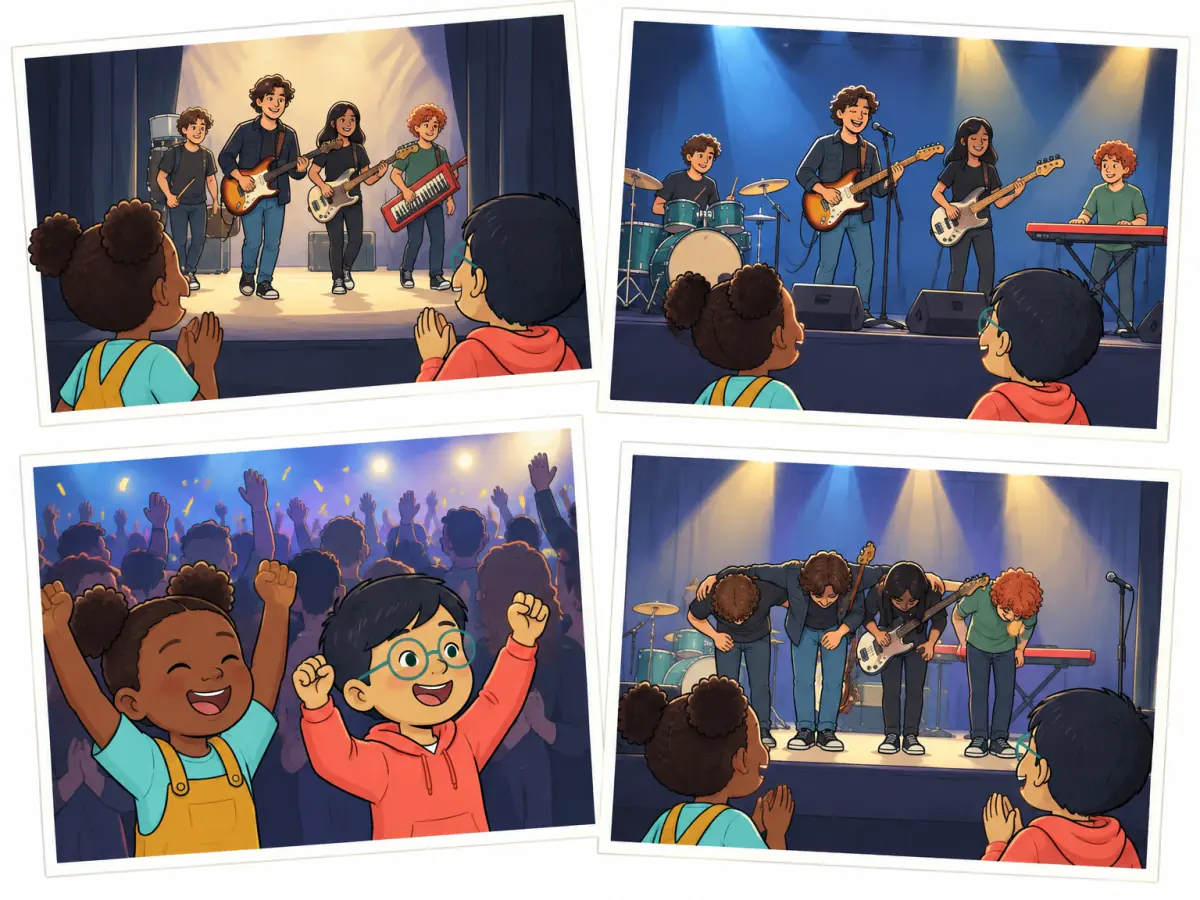
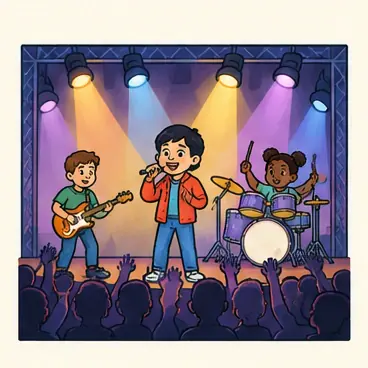
Four concert-memory pictures show musicians entering the stage, playing instruments, the audience cheering and the group bowing at the end.

아이가 영어로 음악회 이야기를 하도록 도와주세요 (A2, 8–11세): -ed 과거형 동사, did 질문과 짧은 대답 “Yes, we did.”, clapped와 stopped의 겹자음, 네 문장으로 쓰는 경험 글까지 다룹니다.

이미 끝난 음악회를 말할 때 영어는 과거형(past simple)을 씁니다. 대부분의 동사는 -ed를 붙입니다: “We played outside.” “The audience cheered.” clap, stop 같은 짧은 동사는 먼저 마지막 자음을 한 번 더 씁니다: clapped, stopped. 질문에는 did를 쓰고 동사는 원래 모양 그대로 둡니다: “Did you have a concert yesterday?” “Yes, we did.” 이 주제는 A2 단계로, 실제로 있었던 일을 짧은 이야기로 말할 준비가 된 약 8–11세 아이에게 알맞습니다.

이 글이 맞는 분

  • 현재형으로 말할 수 있는 아이의 부모님: 아이가 “I usually play football.”이라고 말하고 yesterday, last weekend 같은 말을 이해합니다.
  • 이야기할 실제 경험이 있는 가족: 학교 음악회, 음악 수업, 합창, 또는 아이가 본 공연.
  • 쓰기 목표를 원하는 부모님: 마지막에는 아이가 한 가지 일을 순서대로 네 문장으로 씁니다. 아래 대화에는 모든 줄의 녹음이 있습니다.
  • 아직 이른 경우: “We usually eat soup.” 같은 현재형 문장이 아직 어렵다면 아래에 연결된 아침 식사 습관 글(A2)부터 시작하세요.
  • 너무 쉬운 경우: -ed 동사, did, was를 실수 없이 쓴다면 아래에 연결된 박물관 견학 글(A2)로 넘어가세요.

예시 학습 페이지 열기

예시 학습 페이지 열기

단어 카드

concertconcert
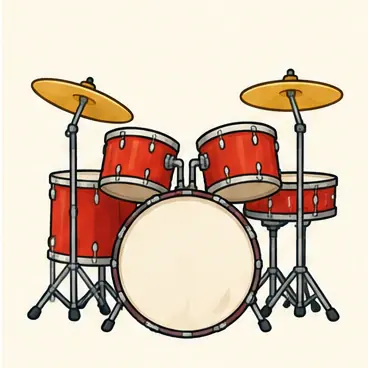
drumsdrums
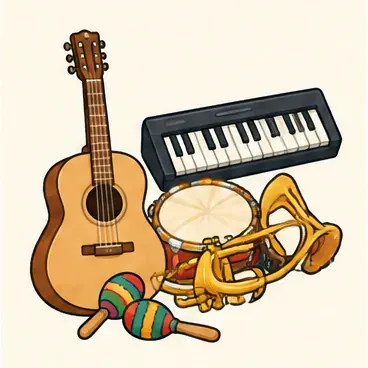
instrumentsinstruments
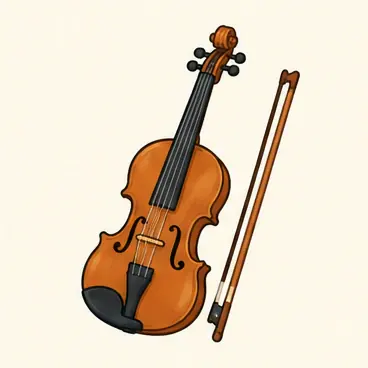
violinviolin
audienceaudience
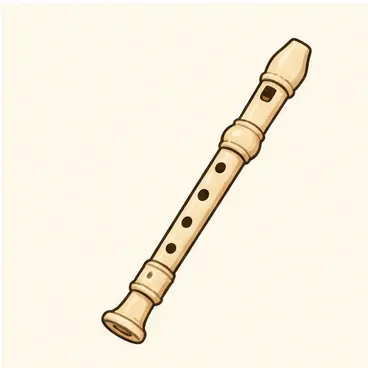
recorderrecorder
cheercheer
stagestage
programmeprogramme
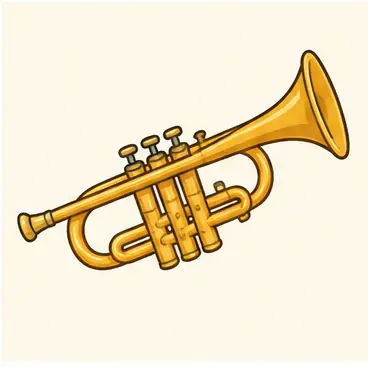
trumpettrumpet
Did you go to a concert yesterday?

Yes, we did. We watched a band.

The stage was bright.
We had four instruments.
The audience cheered.

대화

Leo Did you have a concert yesterday?

Nia Yes, we did. We played outside.

Leo What did you play?

Nia I played the trumpet.

Leo Was the audience quiet?

Nia No. Everyone cheered.

문장 형태

Did you go to a concert yesterday?

Yes, we did. We watched a band.

  • The stage was bright.
  • We had four instruments.
  • The audience cheered.

추가 연습

Change the information

Four concert-memory pictures show musicians entering the stage, playing instruments, the audience cheering and the group bowing at the end.

Nia Was the concert good?

Leo Yes, it was great!

Leo How many instruments did the band have?

Nia They had four instruments.

Nia What did the audience do?

Leo They clapped and cheered.

Did you go to a concert yesterday?

Yes, we did. We watched a band.

  • The stage was bright.
  • We had four instruments.
  • The audience cheered.

Writer’s studio

Four concert-memory pictures show musicians entering the stage, playing instruments, the audience cheering and the group bowing at the end.

Nia What will you write about?

Leo I will describe the concert picture.

Nia Which verbs have double letters?

Leo Clapped and stopped have double letters.

What happened in the picture?

The band walked onto the stage. They played the guitars, the drums and the keyboard. Nia and Leo clapped and cheered. When the music stopped, the band bowed.

  • The stage was bright.
  • We had four instruments.
  • The audience cheered.
이 단원 배우기
어떻게 배우고 싶나요?

음악회 단어: 무대, 음악, 관객

연주자는 무대(stage)에 있고, 관객(audience)은 지켜보는 모든 사람입니다. audience는 무리 전체를 가리키는 한 단어라서 음악회 하나에는 audience가 하나입니다: “The audience cheered.” programme은 연주할 곡이 적힌 종이(순서지)이고, 미국 영어에서는 program으로 씁니다. recorder는 학교 음악 시간에 많이 배우는 리코더입니다. 한국어는 피아노는 치고, 바이올린은 켜고, 트럼펫은 분다고 하지만 영어는 모두 play이고, 악기 이름 앞에 보통 “the”를 붙입니다: “I played the trumpet.”

  • 악기: drums (드럼), violin (바이올린), recorder (리코더), trumpet (트럼펫)
  • 장소: concert (음악회), stage (무대), programme (순서지)
  • 사람: the band (밴드), the audience (관객)
  • 동작: play (연주하다), watch (보다), cheer (환호하다), clap (박수 치다), bow (허리 숙여 인사하다)

-ed 과거형: played, watched, cheered

대부분의 동사는 -ed로 과거형을 만듭니다: play – played, watch – watched, cheer – cheered. I, you, she, we, they 모두 같은 모양입니다. e로 끝나는 동사는 -d만 붙입니다: smile – smiled. 자주 쓰는 몇몇 동사는 불규칙이라 새 단어처럼 외웁니다: have – had, go – went, is – was: “We had four instruments.”

외래어를 한글로 적을 때처럼 끝에 ‘으’ 소리를 넣어 ‘클랩드’처럼 말하기 쉽습니다. -ed는 모음 없이 짧게 끝나며, 소리는 세 가지입니다. 아래 묶음을 함께 소리 내어 말해 보세요:

  • p, k, s, ch, sh 소리 뒤에는 t 소리: clapped, walked, watched
  • 그 밖의 대부분의 소리 뒤에는 d 소리: played, cheered, bowed
  • t나 d 뒤에서만 음절이 하나 늘어난 “id”: started, ended

왜 clapped와 stopped는 자음을 겹쳐 쓸까요?

짧은 동사가 모음 하나와 자음 하나로 끝나면 -ed 앞에서 그 자음을 한 번 더 씁니다. 겹자음이 앞의 모음을 짧게 지켜 주기 때문에 “hopped”(hop: 깡충 뛰다)와 “hoped”(hope: 바라다)는 소리가 다릅니다.

  • 겹쳐 씀: clap → clapped, stop → stopped, plan → planned
  • 모음 두 개, 겹치지 않음: cheer → cheered
  • 자음 두 개, 겹치지 않음: jump → jumped
  • w, x, y로 끝남, 겹치지 않음: bow → bowed, play → played

did로 묻고 짧게 대답하기

과거를 묻는 질문에는 did를 쓰고 동사는 원래 모양 그대로 둡니다: “Did you had…?”가 아니라 “Did you have a concert?”입니다. 짧은 대답은 did를 다시 씁니다: “Yes, we did.” 또는 “No, we didn’t.” 한국어로 “음악회 했어?” “응, 했어.”라고 하듯, did가 앞의 동사를 대신합니다. was로 묻는 질문에는 did가 없습니다: “Was the stage bright?” “Yes, it was.” 녹음에서 각 대답이 정보를 하나 더하는 것을 들어 보세요.

Leo Did you have a concert yesterday?

Nia Yes, we did. We played outside.

Leo What did you play?

Nia I played the trumpet.

Leo Was the audience quiet?

Nia No. Everyone cheered.

연주했을까, 보았을까? 무대 위와 객석

“Did you have a concert?”는 보통 아이의 반이나 학교가 공연을 했는지 묻고, “Did you go to a concert?”는 공연을 보러 갔는지 묻습니다. “We played outside.”는 연주한 사람의 말이고, “We watched a band.”는 관객의 말입니다. 아이가 이야기를 시작하기 전에 물어보세요: 무대 위에 있었니, 객석에 있었니? 연주한 사람은 “I”, “we”로 말하고, 본 사람은 밴드를 “they”라고 부릅니다.

나에게 맞는 방법으로 이 단원 배우기

네 부분으로 음악회 이야기 쓰기

경험 글(recount)은 일어난 순서대로 씁니다. A2 단계에서는 시작, 음악, 관객, 끝의 네 문장이면 충분합니다. 예시를 함께 읽고, 아이가 실제로 본 공연에 맞게 모든 내용을 바꾸게 하세요. 마지막으로 모든 동사가 과거형인지, clapped와 stopped가 겹자음으로 쓰였는지 확인합니다.

  • “First, the band walked onto the stage.”
  • “Then they played the guitars, the drums and the keyboard.”
  • “After that, everyone clapped and cheered.”
  • “When the music stopped, the band bowed.”

흔한 실수와 쉬운 해결법

A2 단계에서는 자연스러운 실수입니다. 바른 문장으로 다시 말해 주고 계속 진행하세요.

  • “Yesterday we play the trumpet.”: 끝난 일은 과거형으로 씁니다: “Yesterday we played the trumpet.”
  • “Did you played?”: did 뒤의 동사는 원래 모양입니다: “Did you play?”
  • “Yes, we had.”: 짧은 대답에는 did를 씁니다: “Yes, we did.”
  • “claped”, “stoped”: 모음 하나와 자음 하나로 끝나는 짧은 동사는 자음을 겹쳐 씁니다: clapped, stopped.

집에서 하는 기자 놀이

어떤 공연이든 좋습니다: 학교 공연, 영상 속 밴드, 또는 아이가 연주하고 부모님이 관객이 되는 거실 음악회. 끝나면 기자처럼 서로 인터뷰하세요: “What did the band play?” “What did the audience do?” 그다음 종이를 네 칸으로 접어 네 장면을 그리고, 칸마다 과거형 문장을 하나씩 씁니다. 다음에는 역할을 바꿔 하루는 연주자, 하루는 관객이 되어 보세요.

다음 단계

다음에는 부정문과 더 많은 불규칙 동사를 더합니다: “We didn’t hear the drums.” “We saw a huge skeleton!” 그러면 아이는 학교 견학에 대해 자세히 묻고 “It was enormous!” 같은 감탄문도 쓸 수 있습니다.

자주 묻는 질문

영어 과거형에서 마지막 글자는 언제 겹쳐 쓰나요?

짧은 동사가 모음 하나와 자음 하나로 끝날 때입니다: stop – stopped, plan – planned. 모음 두 개 뒤(cheer – cheered), 자음 두 개 뒤(jump – jumped), w, x, y로 끝날 때(play – played)는 겹쳐 쓰지 않습니다.

과거형 -ed는 어떻게 발음하나요?

세 가지입니다: “clapped”, “watched”는 t, “played”, “cheered”는 d, “started”, “ended”는 음절이 하나 늘어난 “id”입니다. 음절이 늘어나는 것은 t나 d 뒤뿐입니다.

“Did you played?”인가요, “Did you play?”인가요?

“Did you play?”가 맞습니다. did가 이미 과거를 나타내므로 뒤의 동사는 원래 모양입니다. didn’t도 같습니다: “We didn’t play.”

이 단원 배우기
어떻게 배우고 싶나요?

다음에는 무엇을 할까요?

라이브 선생님과 함께 배워요

Flalingo 어린이 수업에서는 아이가 이런 단원을 라이브 선생님과 1:1로, 같은 화면의 게임으로 연습합니다.

무료 체험 수업 예약하기