
본문으로 바로가기
Flalingo

영어 연습

IELTS Academic Writing Task 1 과정 도표: 개요(overview) 쓰는 법과 수동태 활용법

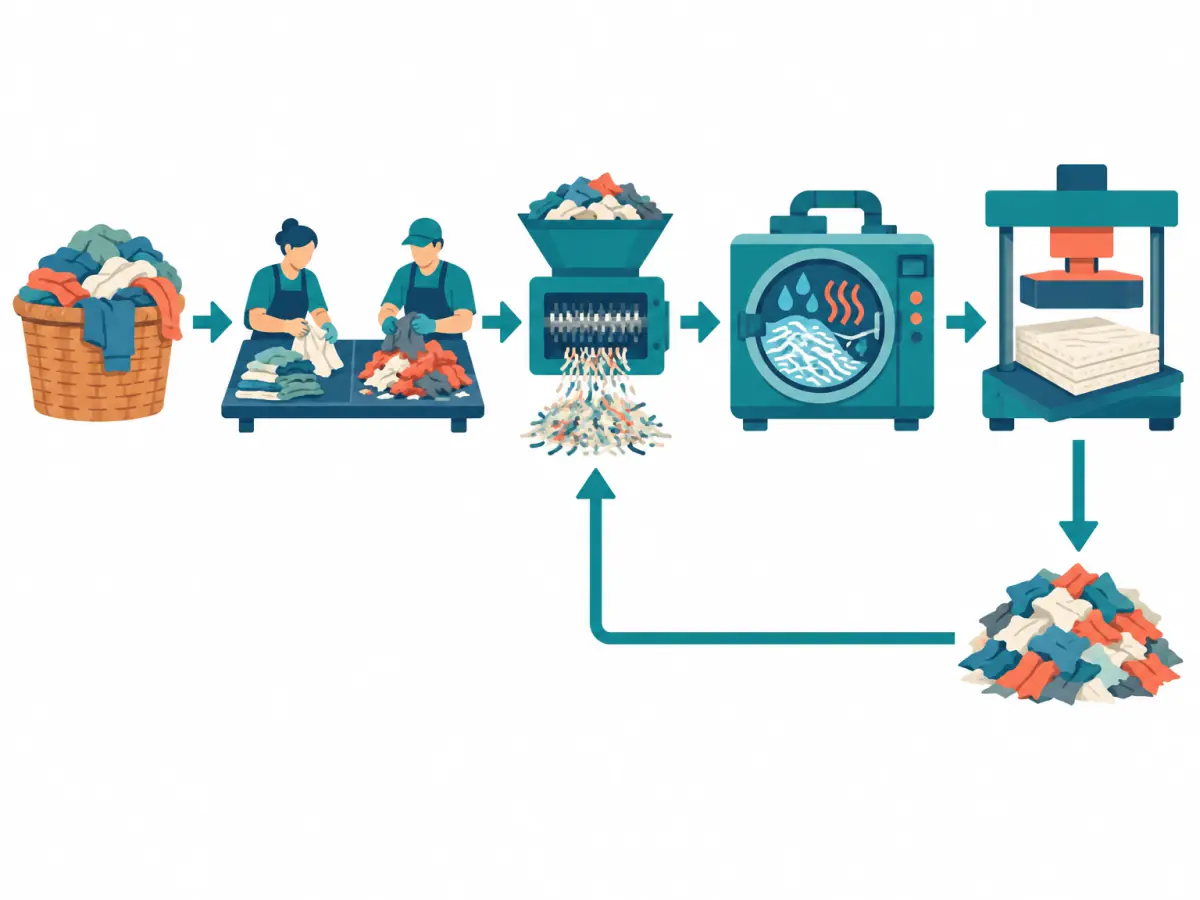
Material recovery cycle

IELTS Academic Writing Task 1에서 과정 도표를 설명하는 법: 투입물, 최종 산출물, 되돌아가는 흐름을 찾고, 개요부터 쓰고, 단계를 묶고, 수동태를 고르는 방법까지. B2 이상 응시자를 위한 안내입니다.

IELTS Academic Writing Task 1의 과정 도표는 숫자가 아니라 단계를 보여 줍니다. 무엇이 들어가고 무엇이 나오는지, 그리고 어느 부분이 되돌아가는지를 밝히는 개요로 시작하세요. 그다음 모든 단계를 순서대로, 두 단락으로 묶어 주로 수동태로 설명합니다. 누가 다루는지보다 재료가 중요하기 때문입니다. 도표에 없는 원인이나 의견은 덧붙이지 마세요. 이 글은 중상급(B2) 이상의 영어 실력을 갖춘 IELTS Academic 응시자를 위한 안내입니다.

이 글이 맞는 분

  • 그래프와 표는 잘 다루지만 Task 1에 숫자 대신 단계가 나오면 막히는 응시자.
  • 과정 보고서가 라벨 목록처럼 읽히고, 단계마다 앞에 “then”을 붙이는 분.
  • 이유 없이 능동태와 수동태를 오가거나, 되돌아가는 화살표를 엉뚱한 단계에 연결하는 분.
  • 아직 이르다면: Task 1 개요를 한 번도 써 본 적이 없다면 아래 선 그래프 글부터 시작하세요. 같은 습관을 숫자로 길러 줍니다.
  • 너무 쉽다면: 과정 보고서가 이미 정확하다면 Writing Task 2의 논증 단락으로 넘어가세요(아래 링크).

예시 학습 페이지 열기

예시 학습 페이지 열기

단어 카드

active versus passive focus

Choose active for the agent and passive for the receiver or stage.

Workers sort the glass. The glass is sorted by colour.

passive across tenses

Build the passive with the correct form of be plus a past participle.

The leaves are dried; the old shed was removed.

by-agent: include or omit

Name the agent only when it adds useful information.

The samples are sealed. They are checked by an independent technician.

passive infinitive and gerund

Use to be done or being done when the action receiver stays in focus.

The fibre needs to be washed before being pressed.

대화 예시

What belongs in the overview?

Used cotton is prepared and transformed into insulation panels, while offcuts are returned to an earlier stage.

The overview states input, product and cyclic feature.

  • is prepared
  • is transformed
  • are returned

문장 형태

Which focus fits the diagram?

The selected cloth is shredded, then the fibre is washed and dried before being pressed into panels.

The passive keeps the material and stages in focus.

  • is shredded
  • is washed and dried
  • being pressed

추가 연습

Follow the complete cycle

Material recovery cycle

What belongs in the overview?

Used cotton is prepared and transformed into insulation panels, while offcuts are returned to an earlier stage.

The overview states input, product and cyclic feature.

  • is prepared
  • is transformed
  • are returned

Cotton recovery stages

  1. Used cotton cloth is collected
  2. Cloth is sorted by fibre condition
  3. Suitable cloth is shredded
  4. Fibre is washed and dried
  5. Fibre is pressed into insulation panels
  6. Offcuts return to shredding

Structure controls

  • Start: collection
  • Main transformation: shredding → washing/drying → pressing
  • End product: insulation panels
  • Cycle: the return arrow takes offcuts back to the shredder (stage 3)

Check the evidence

Material recovery cycle

Cotton recovery stages: 1 Used cotton cloth is collected; 2 Cloth is sorted by fibre condition; 3 Suitable cloth is shredded; 4 Fibre is washed and dried; 5 Fibre is pressed into insulation panels; 6 Offcuts return to shredding

Structure controls: Start: collection; Main transformation: shredding → washing/drying → pressing; End product: insulation panels; Cycle: offcuts return to stage 3

Cotton recovery stages

  1. Used cotton cloth is collected
  2. Cloth is sorted by fibre condition
  3. Suitable cloth is shredded
  4. Fibre is washed and dried
  5. Fibre is pressed into insulation panels
  6. Offcuts return to shredding

Structure controls

  • Start: collection
  • Main transformation: shredding → washing/drying → pressing
  • End product: insulation panels
  • Cycle: offcuts return to stage 3
  1. What is the process input?

    정답과 해설 보기

    used cotton cloth

    Collection begins with used cotton cloth.

  2. Which stage directly precedes pressing?

    정답과 해설 보기

    washing and drying

    The visible sequence puts washing and drying before pressing.

  3. What makes the process partly cyclical?

    정답과 해설 보기

    Offcuts return to shredding.

    The return arrow connects offcuts to stage 3.

Describe Process Stages: transfer

Material recovery cycle

Cotton recovery stages

  1. Used cotton cloth is collected
  2. Cloth is sorted by fibre condition
  3. Suitable cloth is shredded
  4. Fibre is washed and dried
  5. Fibre is pressed into insulation panels
  6. Offcuts return to shredding

Structure controls

  • Start: collection
  • Main transformation: shredding → washing/drying → pressing
  • End product: insulation panels
  • Cycle: offcuts return to stage 3

Build connected process prose

Collection staff receive the cloth. Workers inspect it and remove unsuitable material. Machines shred the selected cloth. A closed system washes and dries the fibre. A press shapes it into panels. Staff return offcuts to the shredder.

Which focus fits the diagram?

The selected cloth is shredded, then the fibre is washed and dried before being pressed into panels.

The passive keeps the material and stages in focus.

  • is shredded
  • is washed and dried
  • being pressed

Cotton recovery stages

  1. Used cotton cloth is collected
  2. Cloth is sorted by fibre condition
  3. Suitable cloth is shredded
  4. Fibre is washed and dried
  5. Fibre is pressed into insulation panels
  6. Offcuts return to shredding

Structure controls

  • Start: collection
  • Main transformation: shredding → washing/drying → pressing
  • End product: insulation panels
  • Cycle: offcuts return to stage 3

Check the evidence

Collection staff receive the cloth. Workers inspect it and remove unsuitable material. Machines shred the selected cloth. A closed system washes and dries the fibre. A press shapes it into panels. Staff return offcuts to the shredder.

Cotton recovery stages

  1. Used cotton cloth is collected
  2. Cloth is sorted by fibre condition
  3. Suitable cloth is shredded
  4. Fibre is washed and dried
  5. Fibre is pressed into insulation panels
  6. Offcuts return to shredding

Structure controls

  • Start: collection
  • Main transformation: shredding → washing/drying → pressing
  • End product: insulation panels
  • Cycle: offcuts return to stage 3
  1. Which sentence keeps the material in focus?

    정답과 해설 보기

    The selected cloth is shredded.

    The passive subject is the material shown in the process.

  2. When is a by-agent useful?

    정답과 해설 보기

    when the agent adds relevant information

    A by-agent is omitted when it is unknown or unimportant.

  3. Which sequence is accurate?

    정답과 해설 보기

    Fibre is washed and dried before pressing.

    That order matches stages 4 and 5.

Control Passive Focus and Sequence: transfer

Material recovery cycle

Cotton recovery stages

  1. Used cotton cloth is collected
  2. Cloth is sorted by fibre condition
  3. Suitable cloth is shredded
  4. Fibre is washed and dried
  5. Fibre is pressed into insulation panels
  6. Offcuts return to shredding

Structure controls

  • Start: collection
  • Main transformation: shredding → washing/drying → pressing
  • End product: insulation panels
  • Cycle: offcuts return to stage 3
이 단원 배우기
어떻게 배우고 싶나요?
계정이 있나요?

무료 계정은 한 단원을 계속 열어 둘 수 있습니다.

과정 도표가 요구하는 것

과정 도표는 무언가가 어떻게 만들어지거나 바뀌는지를 단계별로 보여 줍니다. 의견 없이 150단어 이상으로, 네 부분으로 나누어 요약하세요.

  • 도입: 도표가 보여 주는 내용을 자신의 말로.
  • 개요: 투입물, 최종 산출물, 그리고 순환이 있다면 그 순환.
  • 세부 단락 1: 첫 번째 단계 묶음.
  • 세부 단락 2: 나머지 단계와 되돌아가는 흐름.

도표 읽기: 투입물, 산출물, 되돌아가는 지점

이 페이지의 연습 도표는 면 회수 과정을 보여 줍니다. 쓰기 전에 투입물(사용한 면직물), 최종 산출물(단열 패널), 그리고 되돌아가는 화살표가 끝나는 곳을 찾으세요. 화살표는 수거 단계가 아니라 3단계인 분쇄로 돌아갑니다.

도표에는 이유도, 시간도, 양도 나오지 않으므로 보고서에도 쓰지 않습니다. 라벨은 다음과 같습니다.

  • 1. “Used cotton cloth is collected”
  • 2. “Cloth is sorted by fibre condition”
  • 3. “Suitable cloth is shredded”
  • 4. “Fibre is washed and dried”
  • 5. “Fibre is pressed into insulation panels”
  • 6. “Offcuts return to shredding”

개요부터 쓰기

Task 1 채점 기준은 주요 추세, 차이 또는 단계를 분명하게 보여 주는 개요를 언급합니다. 과정에서는 투입물, 산출물, 순환을 뜻하며, 기계나 작은 단계는 넣지 않습니다.

이 페이지의 녹음된 예시는 “What belongs in the overview?”라고 묻고 “Used cotton is prepared and transformed into insulation panels, while offcuts are returned to an earlier stage.”라고 답합니다.

이 과정을 부분적으로 순환하게 만드는 것은 무엇일까요?

단계를 두 단락으로 묶기

재료가 가장 크게 바뀌는 지점에서 과정을 나누세요. 여기서는 분쇄 전의 준비 단계와 분쇄부터 시작되는 변형 단계입니다.

  • 준비: “First, used cotton cloth is collected and sorted according to the condition of its fibres.”
  • 변형: “Suitable cloth is then shredded, after which the fibre is washed and dried before being pressed into insulation panels.”
  • 순환: “Any offcuts are returned to the shredding stage.”
  • 동사 하나짜리 문장 여섯 개는 목록처럼 읽히고, 한 문장에 동사를 두세 개 담으면 보고서처럼 읽힙니다.

수동태와 능동태: 초점 고르기

과정 보고서의 중심은 재료이므로 보통 재료가 주어가 됩니다. “Workers sort the glass. The glass is sorted by colour.” 수동태는 유리(glass)에 초점을 둡니다. 이 페이지의 카드마다 녹음이 있습니다.

  • 형태: be + 과거분사이며, 시제는 be가 나타냅니다. “The leaves are dried; the old shed was removed.” 정기적으로 반복되는 과정에는 현재 시제(present simple)를 씁니다. 한국어는 ‘수거된다’, ‘분류된다’처럼 동사 하나로 수동을 나타내지만, 영어는 be와 과거분사 두 부분이 필요하므로 “is”를 빠뜨리지 마세요.
  • 행위자: “by …”는 정보를 더해 줄 때만 씁니다. “The samples are sealed. They are checked by an independent technician.”에서 “by an independent technician”은 정보를 주지만, “by workers”는 그렇지 않습니다.
  • 동사와 전치사 뒤: “The fibre needs to be washed before being pressed.”에는 수동 부정사와 수동 동명사가 함께 들어 있습니다. “Needs washing”도 맞는 표현입니다.
  • 자연 과정은 능동태로 쓰는 경우가 많습니다. 예: “the eggs hatch”. 목적어 없이 쓰인 동사에는 수동태가 없습니다.
나에게 맞는 방법으로 이 단원 배우기

순서를 지키는 연결어

연결어는 화살표와 맞아야 합니다. 이 페이지의 두 번째 녹음 예시는 “Which focus fits the diagram?”라고 묻고 “The selected cloth is shredded, then the fibre is washed and dried before being pressed into panels.”라고 답합니다.

  • “First”, “next”, “after that”, “finally”: 다양하게 쓰되 겹쳐 쓰지는 마세요.
  • “Once” + 현재완료 수동태: “Once the fibre has been dried, it is pressed into panels.”
  • “before” 또는 “after” + “being” + 과거분사: “after being sorted”.
  • 정확한 문장: “Fibre is washed and dried before pressing”. 틀린 문장: “Panels are pressed before washing”.

점수를 잃는 실수

연습 보고서마다 다음을 점검하세요.

  • 투입물, 산출물, 순환이 빠진 개요.
  • 엉뚱한 단계에 연결한 되돌아가는 화살표.
  • 수동태가 없는 동사를 억지로 수동태로 쓰기: “is consisted of”, “was happened”.
  • 빠진 “be”: “The cloth sorted by condition”.
  • 도표에 없는 원인: “to protect the environment”.

20분 시험 루틴

일주일에 세 번, 도표 하나로 시간을 재며 연습하세요.

  • 3분: 투입물, 산출물, 모든 화살표, 되돌아가는 지점을 표시합니다.
  • 2분: 단계를 두 묶음으로 나누고 개요를 씁니다.
  • 12분: 도입, 개요, 세부 단락 두 개를 씁니다.
  • 3분: 단계 순서, 모든 “be”, “shredded”와 “dried” 같은 철자를 확인합니다.
  • 마지막으로, 중요한 행위자만 언급하면서 과정을 소리 내어 다시 설명합니다.

다음 단계

지도 역시 보고할 데이터가 없는 Task 1 자료입니다. 같은 장소의 두 평면도를 “was converted into”, “was replaced by” 같은 과거 수동태로 설명합니다. 그다음 Writing Task 2에서는 근거가 뒷받침하는 것 이상을 주장하지 않는 논증이 필요합니다.

자주 묻는 질문

IELTS 과정 도표에는 수동태를 써야 하나요?

사람이 진행하는 과정이라면 대체로 그렇습니다. 누가 다루는지보다 재료가 중요하기 때문입니다. 자연의 순환은 능동태로 쓰는 경우가 많습니다.

IELTS 과정 도표의 모든 단계를 설명해야 하나요?

네, 세부 단락에서 순서대로 묶어서 설명합니다. 개요에서는 투입물, 산출물, 순환만 언급합니다.

IELTS Task 1 과정 도표 답안은 얼마나 길어야 하나요?

약 20분 동안 150단어 이상입니다. Task 2의 비중이 Task 1의 두 배이므로 에세이 시간을 지키세요.

Flalingo는 IELTS를 주관하는 기관과 제휴 관계가 없으며 해당 기관의 승인을 받지 않았습니다.

이 단원 배우기
어떻게 배우고 싶나요?
계정이 있나요?

무료 계정은 한 단원을 계속 열어 둘 수 있습니다.

다음에는 무엇을 할까요?

Flai로 계속 연습하세요

Flai는 음성 대화, 교정 내용, 수업 보고서로 말하기 연습을 돕는 Flalingo의 AI 말하기 앱입니다.

라이브 선생님과 배우기

Flalingo 수업에서는 이런 단원을 라이브 선생님과 1:1로 연습합니다.