本文へ移動
Flalingo

英語の練習

子どもと書く4行の英語アクション詩(A2・9~12歳):1行8音節のコツ

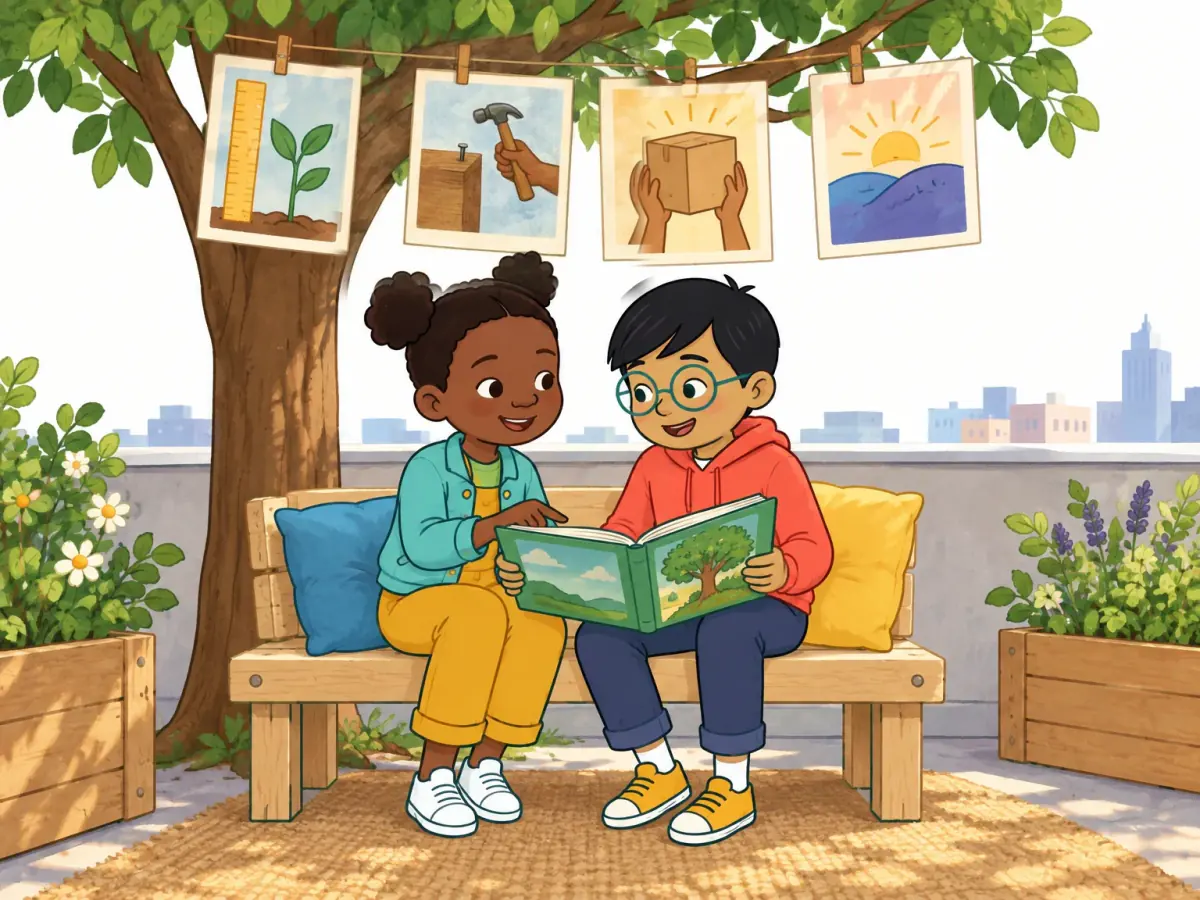
A rooftop reading corner contains a small handmade bench under a young tree, with four poem picture panels showing measure, tap, lift and rest.

9~12歳(A2)の子どもが4行の英語アクション詩を書いて発表できるようにしましょう。1行8音節、4つの強いビート、2行ずつの韻を学び、先に“Have you ever…?”で作った経験を話します。

4行のアクション詩では、作業の順番どおりに1行に1つの動作を書きます。各行は8音節で強いビートが4つあり、2行ずつ韻をふみます:“Measure the wood and mark each side.” 子どもは単語ではなく音節を手拍子で数え、一定のビートで詩を読み上げます。書く前に、“Have you ever…?”、“for”、“since”を使って自分が作ったものについて話します。このテーマはA2レベルで、英語で簡単な文が書ける9~12歳くらいの子どもに向いています。

この記事が向いている人

  • 英語で簡単な文が書ける子どもの保護者:子どもが昨日したことを言えて、音とリズムで遊ぶ準備ができています。
  • ものづくりや工作、修理が好きな子ども:詩が、実際にした作業を4行にしてくれます。
  • 家で短いプロジェクトをしたい保護者:紙と鉛筆とたたける机があれば十分です。下の音声ですべての文が聞けます。
  • まだ早い場合:過去形の文がまだ難しいなら、usually、now、yesterdayで日記を書くA2の記事から始めましょう。リンクは下にあります。
  • 簡単すぎる場合:韻をふんだ行がもう書けて、“for”と“since”を正しく使えるなら、“just”、“already”、“yet”のA2の記事へ進みましょう。

サンプルページを開く

サンプルページを開く

単語カード

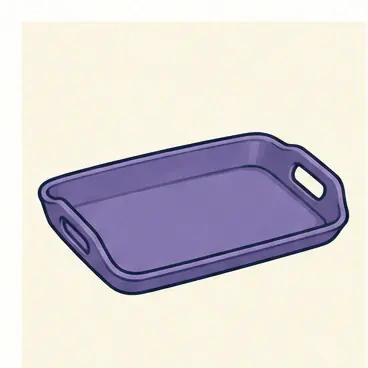
traytray
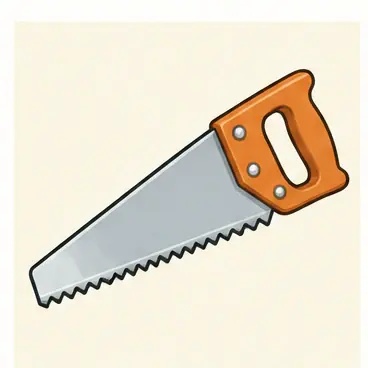
sawsaw
rollerroller
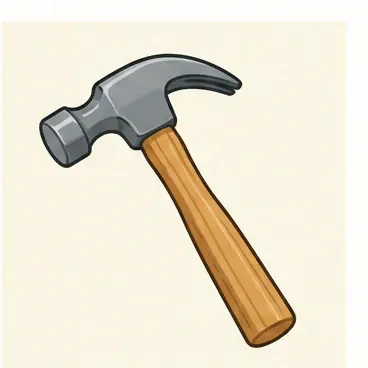
hammerhammer
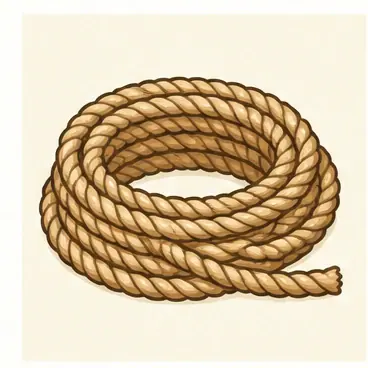
roperope
tools

objects used to make or repair things

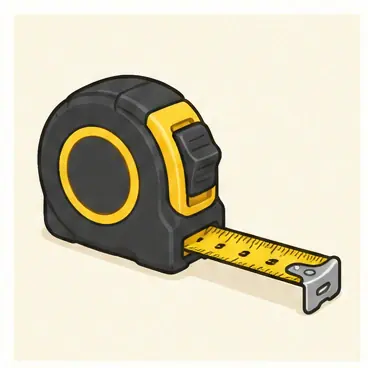
tape measuretape measure
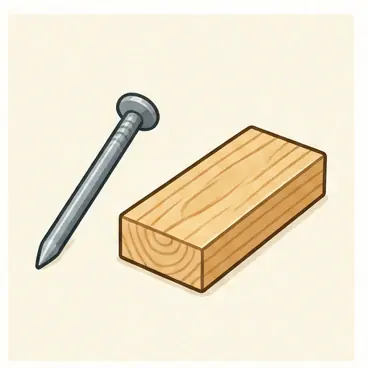
nailnail
Have you ever built something useful?

Study how this model connects form with meaning.

Yes, I have. I have worked on this stand for two weeks.

Study how this model connects form with meaning.

I have never used a saw alone.

Study how this model connects form with meaning.

We have been here since ten o’clock.

Study how this model connects form with meaning.

会話

Nia Have you ever built something useful?

Leo Yes, I have. I have worked on this stand for two weeks.

Leo Which objects did we put away?

Nia First the tape measure, then the roller, and finally the hammer.

Nia How long have we been here?

Leo We have been here since ten o’clock.

文の形

Have you ever built something useful?

Yes, I have. I have worked on this stand for two weeks.

  • I have never used a saw alone.
  • We have been here since ten o’clock.

追加の練習

Use the contrast

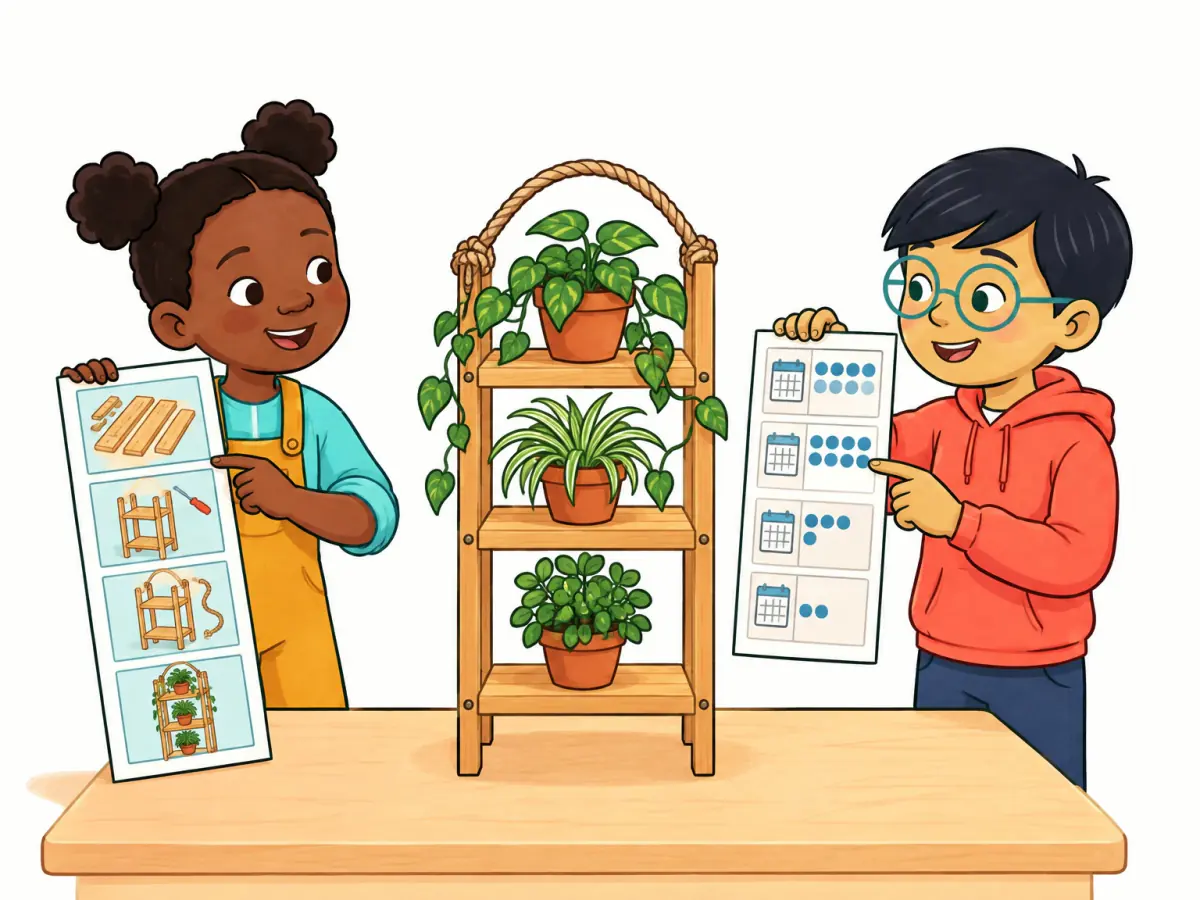
The finished wooden plant stand has three shelves and a rope handle. Nia shows a four-step picture record while Leo points to a calendar strip for time spent on the project.

Nia Have you ever built something useful?

Leo Yes, I have. I have worked on this stand for two weeks.

Leo Have you ever used a tape measure?

Nia Yes, but I have never used a saw alone.

Nia How long have we been here?

Leo We have been here since ten o’clock.

Have you ever built something useful?

Yes, I have. I have worked on this stand for two weeks.

  • I have never used a saw alone.
  • We have been here since ten o’clock.

Four beats for a bench

A rooftop reading corner contains a small handmade bench under a young tree, with four poem picture panels showing measure, tap, lift and rest.

FOUR BEATS FOR A BENCH

Measure the board with a careful eye.

Tap in a nail while the birds pass by.

Lift with a friend; keep the long rope tight.

Rest on the bench in the evening light.

Each line carries a clear action and a steady beat. The repeated rhythm helps a listener follow the building sequence.

Plan aloud

A rooftop reading corner contains a small handmade bench under a young tree, with four poem picture panels showing measure, tap, lift and rest.

Nia How will your four-line poem sound?

Leo Each line will have eight syllables and a steady beat.

Leo Which words will rhyme?

Nia Side will rhyme with pride, and tight will rhyme with light.

How will your four-line poem sound?

Measure the wood and mark each side. (8) Hammer each nail with steady pride. (8) Lift with a friend; keep rope pulled tight. (8) Rest on the bench in evening light. (8)

  • four action lines
  • eight syllables in each line
  • underline the strong beats
  • read with a steady rhythm

Draft and revise

A rooftop reading corner contains a small handmade bench under a young tree, with four poem picture panels showing measure, tap, lift and rest.

Nia Who will read your text?

Leo My teacher will hear me read my poem aloud.

Leo What will you check?

Nia I will check my spelling and punctuation.

How will your four-line poem sound?

Measure the wood and mark each side. (8) Hammer each nail with steady pride. (8) Lift with a friend; keep rope pulled tight. (8) Rest on the bench in evening light. (8)

  • four action lines
  • eight syllables in each line
  • underline the strong beats
  • read with a steady rhythm
この単元を学ぶ
どの方法で学びますか?

4行のアクション詩とは

1行に1つの動作が入り、行は作業の順番に並びます。だから聞く人は、作業を最初から最後まで思い浮かべられます。各行は8音節で強いビートが4つあり、2行ずつ韻をふみます。このお手本を声に出して読み、強いビートごとに机をたたいてみましょう:MEAsure the WOOD and MARK each SIDE。たたく間隔がそろっていれば、ビートが一定ということです。

  • Measure the wood and mark each side. (8)
  • Hammer each nail with steady pride. (8)
  • Lift with a friend; keep rope pulled tight. (8)
  • Rest on the bench in evening light. (8)

単語ではなく音節を数える

音節は、1つの母音の音を中心にした音のまとまりです:“wood”は1音節、“measure”は2音節(mea-sure)です。“Rest on the bench in evening light”は7語ですが8音節です。音節ごとに手をたたくか、あごの下に手を当てて、あごが下がるたびに数えましょう。

俳句の五・七・五で数えるのは「音(拍)」で、英語の音節とは数え方が違います。“pride”はカタカナでは「プ・ラ・イ・ド」の4拍ですが、英語では1音節です。カタカナでは子音のあとに母音がつきますが、英語の発音ではつかないからです。語末の発音しない“e”も音節を増やさないので、“side”は1音節です。“-ed”もふつうは増やしませんが(“pulled”)、tやdの音のあとでは増えます:“paint-ed”。

  • 行が短いときは?説明する言葉を足しましょう:“Lift the heavy box”。
  • 行が長いときは?小さな語をけずるか、短い語にかえましょう。

2行ずつの韻:目ではなく耳で

2つの語が、強く読む最後の母音の音から終わりまで同じ音なら韻をふんでいます:sideとpride、tightとlight。先に行の終わりに来る韻のペアを2組選び、その語に向かって各行を作りましょう。韻はつづりではなく音で決まります:“eight”は“late”と韻をふみますが、“wood”と“food”はふみません。

  • -ide: side, pride, wide
  • -ight: tight, light, bright
  • -ail: nail, tail, trail

作った経験を話す:“Have you ever…?”、forとsince

書く前に、子どもは自分が作ったものについて話します。現在完了(have+過去分詞)は、これまでの人生のいつかにした経験をたずねます:“Have you ever built something useful?” 答えは“Yes, I have.”か“No, I haven’t.”で、一度もしたことがなければ“never”を使います:“I have never used a saw alone.” 日本語の「~したことがありますか」に近いので、意味はつかみやすいはずです。

過去に始まって今も続いていることには、期間なら“for”、始まった時点なら“since”を使います:“for two weeks”(2週間)、“since ten o’clock”(10時から)。「から」をそのまま“from”にして“We have been here from ten o’clock.”と言いがちですが、現在完了では“since”が自然です。

Nia Have you ever built something useful?

Leo Yes, I have. I have worked on this stand for two weeks.

Nia How long have we been here?

Leo We have been here since ten o’clock.

自分に合った方法でこの単元を学ぶ

4つの動作を順番に、そして道具の言葉

子どもが実際にした作業、たとえばパン作りや自転車の修理を選び、下の会話のように“first”、“then”、“next”、“finally”で4つの手順を並べます。各手順を動詞で始まる行にし、目的語と細かい説明を足しましょう:“Hammer each nail with steady pride.” 日本語では動詞が文の最後に来ますが(「木をはかって」)、英語の命令文は動詞で始まります。

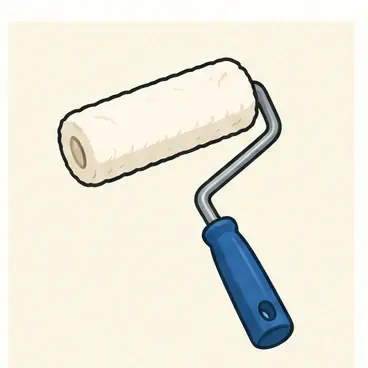
  • 道具の言葉:hammer(かなづち)、nail(くぎ)、saw(のこぎり)、tape measure(メジャー)、roller(ローラー)、rope(ロープ)、tray(トレー)
  • “saw”は“see”の過去形でもあり、“nail”には「つめ」という意味もあります。

Leo Which objects did we put away?

Nia First the tape measure, then the roller, and finally the hammer.

家でできる2日間のプロジェクト:今日書いて、明日発表

1日目、20分:“Have you ever made something useful?”とたずね、その作業を選んで4つの手順を書き出し、韻のペアを2組選んで行を書きます。各行を手拍子で数え、8でない行を直しましょう。2日目、10分:強いビートに下線を引き、机をたたきながら家族の前で詩を発表します。そのあと役を交代し、保護者が読んで、子どもがビートのそろわない行を見つけます。

よくある間違いと簡単な直し方

A2の段階では自然な間違いです。正しい文で言い直して、そのまま続けましょう。

  • 音節ではなく単語を数える:手拍子で行を数えましょう。
  • 発音しない“e”を数える:“side”は2音節ではなく1音節です。
  • “I have worked here since two weeks.”:“for two weeks”と言いましょう。
  • “I am here since ten o’clock.”:“I have been here since ten o’clock.”と言いましょう。
  • “Have you ever build…?”:“Have you ever built…?”と言いましょう。
  • “I have ever used a saw.”:“I have used a saw.”と言いましょう。

次のステップ

そろった4行が楽に書けるようになったら、2連の詩に挑戦するか、1行目と3行目で韻をふんでみましょう。次の文法は“just”、“already”、“yet”です:“I have just painted the shelf.” “Have you finished yet?”

よくある質問

英語の音節はどう数えますか?

書かれた母音字ではなく、聞こえる母音の音を数えます。単語を言いながら、ビートごとに1回手をたたきましょう。語末の発音しない“e”は数えません:“side”は1音節、“hammer”は2音節です。

“for”と“since”の違いは?

“for”は期間といっしょに使います:for two weeks、for an hour。“since”は始まった時点といっしょに使います:since ten o’clock、since Monday。今も続いていることなら、どちらも現在完了といっしょに使います。

詩のすべての行が同じ音節数でなければいけませんか?

いいえ。1行8音節は、リズム感をきたえるための練習のルールです。慣れたら、わざとルールをくずしてもかまいません。

この単元を学ぶ
どの方法で学びますか?

次は何をしましょうか?

ライブの先生と学ぼう

Flalingoのキッズレッスンでは、お子さまがこのような単元をライブの先生とマンツーマンで、同じ画面のゲームを通して練習します。

無料体験レッスンを予約