Skip to content
Flalingo

English practice

School subjects and timetable in English for children (A1, ages 6–9): “What have we got on Monday?”

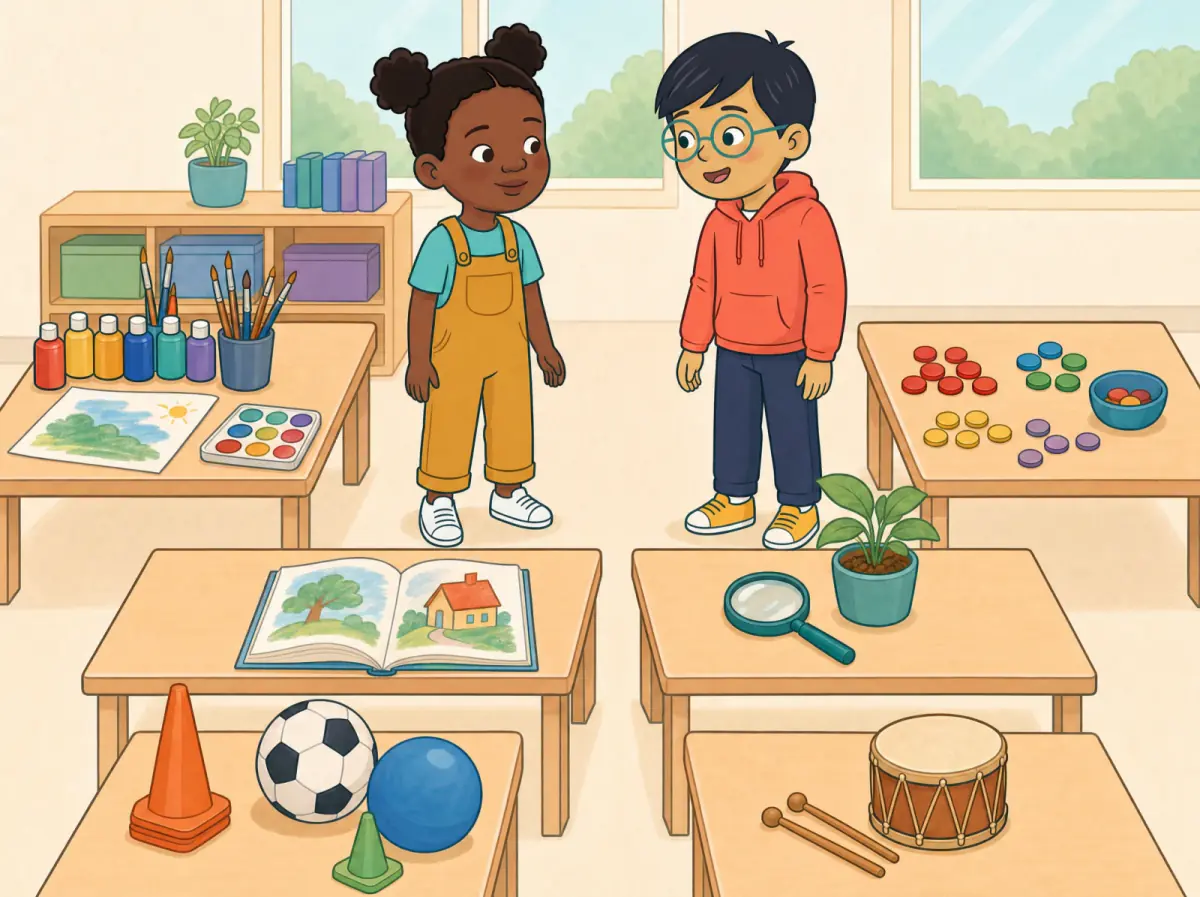
Two children visit six school-subject tables: art, maths, English, science, PE and music.

Help your child name six school subjects and talk about a weekly timetable in English (A1): “What have we got on Monday?” for the subject and “When have we got science?” for the day.

To talk about a school timetable in English, children need two questions. “What have we got on Monday?” asks for the subject: “We’ve got art and maths.” “When have we got science?” asks for the day: “We’ve got science on Tuesday.” This is an A1 topic for children of about 6–9 who know some English and can already say the days of the week. Your child also learns six subject words, uses “on” with days and writes a short school-day page with capital letters.

Who this is for

  • Parents of children who know basic English: your child can say “I like music.” and knows the days of the week.
  • Families with a child at school: your child’s real timetable is the best practice material you have.
  • Parents who want to practise at home: the cards below play every subject and day, and the recordings give you the questions and answers.
  • Too early: if your child can’t yet say the days of the week in order, practise those first.
  • Too easy: if your child already says “We’ve got maths at nine o’clock on Monday.”, go to “What comes next” at the end.

Open the sample pages

Open the sample pages

Word cards

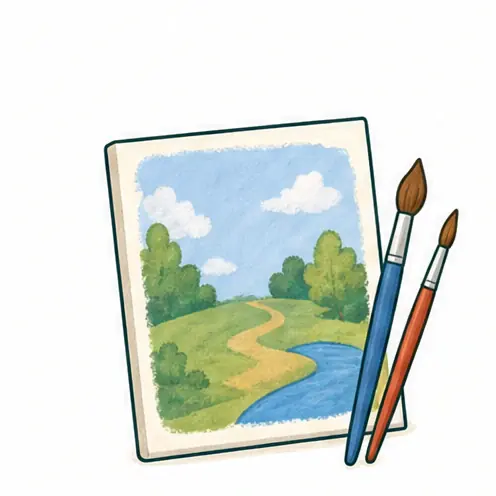
artart
mathsmaths
EnglishEnglish
sciencescience
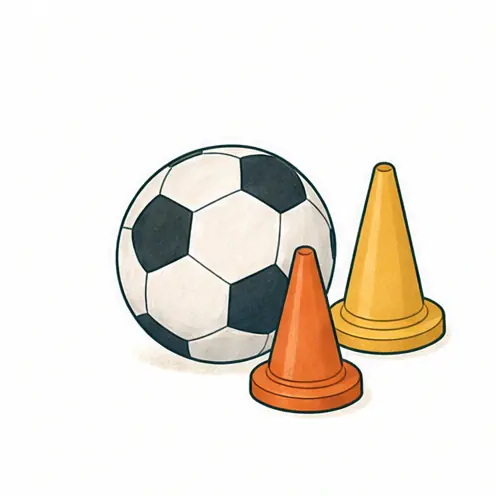
PEPE
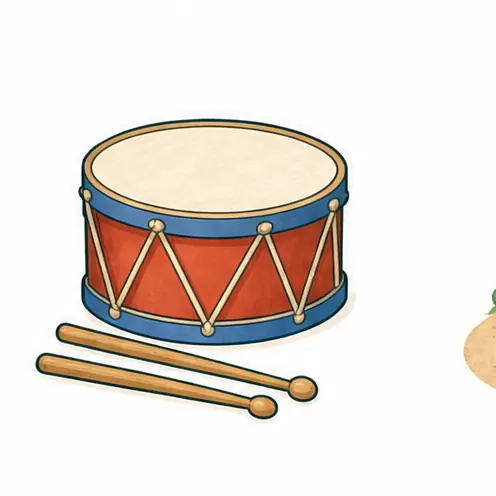
musicmusic
Monday: art and mathsMonday: art and maths
Tuesday: scienceTuesday: science
Wednesday: PEWednesday: PE
Thursday: musicThursday: music
Friday: EnglishFriday: English

Conversation

Nia What have we got on Monday?

Leo We've got art and maths.

Leo When have we got science?

Nia We've got science on Tuesday.

Nia What have we got on Wednesday?

Leo We've got PE.

Leo When have we got music?

Nia We've got music on Thursday. English is on Friday.

Language pattern

What have we got on Monday?

We've got art and maths.

Use What for the subject. Use When for the day.

  • When have we got science? We've got science on Tuesday.
  • What have we got on Wednesday? We've got PE.
  • When have we got music? We've got music on Thursday.
  • We've got English on Friday.

More practice

Today's subject page

Today is ___.

Write the day with a capital letter.

Today is Monday.

We've got ___.

Write one subject you have today.

We've got art.

We've also got ___.

Add a second subject.

We've also got maths.

We haven't got ___.

Write one subject you do not have today.

We haven't got PE.

Nia What have we got today?

Leo Today is Monday. We've got art. We've also got maths. We haven't got PE.

Leo Can you see the capital letters?

Nia Yes, I can. Monday has got a capital M.

What have we got today?

Today is Monday. We've got art. We've also got maths. We haven't got PE.

Begin every sentence and every day with a capital letter. English also begins with a capital E.

  • Today is ___.
  • We've got ___.
  • We've also got ___.
  • We haven't got ___.
Learn this unit
How would you like to learn?

Six school subjects in English

Start with six subjects: art, maths, English, science, PE and music. “English” takes a capital letter because it is the name of a language, and “PE” is a short form written in capitals; the other four are written with small letters. “PE” means physical education and is said as two letters, “P-E”. “Maths” is British English; American English says “math”.

  • art – drawing and painting
  • maths – numbers and shapes
  • English – the English language
  • science – nature and how things work
  • PE – sport and games
  • music – singing and instruments

School days: Monday to Friday with “on”

Days of the week always start with a capital letter in English, and they take “on”: “on Monday”, “on Friday”. Two days need extra care. Tuesday and Thursday both start with T, so practise them side by side. Wednesday is said “WENZ-day”: the first d is silent.

  • Monday: art and maths
  • Tuesday: science
  • Wednesday: PE
  • Thursday: music
  • Friday: English

What have we got on Monday? Asking for the subject

When you know the day and want the subject, ask with “What”: “What have we got on Monday?” The answer names the subject: “We’ve got art and maths.” “We’ve got” is the short form of “we have got” and the usual spoken form.

Nia What have we got on Monday?

Leo We've got art and maths.

Nia What have we got on Wednesday?

Leo We've got PE.

When have we got science? Asking for the day

When you know the subject and want the day, ask with “When”: “When have we got science?” The answer gives the day with “on”: “We’ve got science on Tuesday.” In quick speech, “On Tuesday.” alone is a good answer too. You can also put the subject first: “English is on Friday.” The rule: What asks for the subject, When asks for the day.

Leo When have we got science?

Nia We've got science on Tuesday.

Leo When have we got music?

Nia We've got music on Thursday. English is on Friday.

A school tour: places and in or on

The same question works for places around school: “What have we got in the art room?” “We’ve got easels and paint pots.” Rooms take “in”; a field takes “on”: “on the sports field”. On a pretend tour, number the stops: “First, the playground. Second, the sports field.”

  • Places: classroom, playground, sports field, art room, computer room, gym
  • Order: first, second, third, fourth, fifth
Learn this unit your way

A home game: the missing square

Draw a five-day timetable, or use your child’s real one, and cover one square with a sticky note. If you cover a subject, your child asks with What: “What have we got on Wednesday?” If you cover a day, they ask with When: “When have we got music?” You answer, they lift the note and check. Then swap roles. Four rounds in five minutes is plenty.

Writing about one school day

When the questions are easy, your child can write four lines: the day, two subjects and one subject they haven’t got. Then circle the capitals together: every sentence starts with one, and so do the day and “English”.

  • Today is Monday.
  • We’ve got art.
  • We’ve also got maths.
  • We haven’t got PE.

Common mistakes and quick fixes

These are normal at this stage. Repeat the sentence back the right way and carry on.

  • “What have we got science?”: to ask for the day, use When: “When have we got science?”
  • “We’ve got science in Tuesday.”: days take “on”: “We’ve got science on Tuesday.”
  • “on monday”, “english”: days and languages need a capital letter: “on Monday”, “English”.
  • “We’ve got the maths.”: subjects take no “the”: “We’ve got maths.”
  • “We’ve got art lesson.”: say “We’ve got art.” or “We’ve got an art lesson.”

What comes next

When What and When are easy, add clock times: “We’ve got maths at nine o’clock.” Then use the same days for free time after school: “I go swimming on Wednesday.” Later, your child can write about a favourite school day and say why: “I like Monday because we’ve got art.”

Frequently asked questions

How do you say school subjects in English?

Common ones are art, maths (math in American English), English, science, PE and music. Only languages such as English start with a capital letter; PE is a short form, so it is written in capitals.

Is it “on Monday” or “in Monday”?

Always “on” with days: “on Monday”, “on Friday”. English uses “in” for months and parts of the day (“in May”, “in the morning”) and “at” for clock times (“at nine o’clock”).

What is the difference between “What have we got?” and “What do we have?”

They mean the same. “What have we got on Monday?” is very common in British English; “What do we have on Monday?” is usual in American English. The negatives are “We haven’t got PE.” and “We don’t have PE.” Practise one and accept both.

Learn this unit
How would you like to learn?

What comes next?

One-to-one lessons with a live teacher

In Flalingo kids lessons, your child practises units like this one-to-one with a live teacher, through games on the same screen.

Book a free trial lesson