
Skip to content
Flalingo

English practice

Explaining steps in English for children (A2, ages 10–12): first, next, then and finally

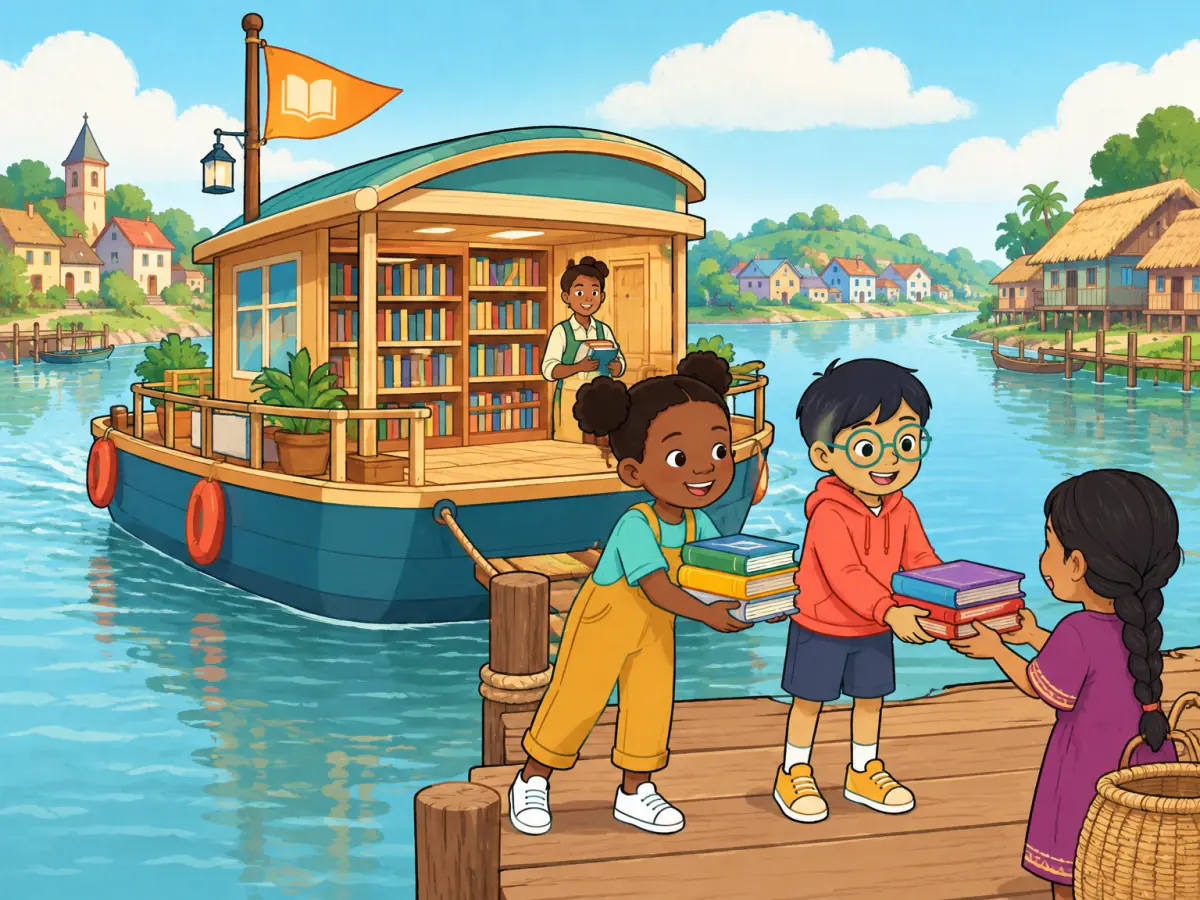
An original book-extract scene follows a floating-library barge delivering books to three river villages.

Help your 10–12-year-old explain a process step by step in English with first, next, then and finally, and report work in progress with “have been + -ing” (A2).

To explain how to do something in English, give each step as an instruction that starts with a sequence word: “First, put on a helmet. Next, check the brakes. Then, start on a clear path. Finally, stop in a safe place.” For work that began earlier and is still going on, English uses have or has been + -ing: “I have been testing it since eight this morning.” This A2 article is for parents of children aged about 10–12 who need to put a short English text in a clear order.

Who this is for

  • Parents of children who already write short sentences and tell what happened yesterday, and now need to put several sentences in a clear order.
  • Children who like bikes, boats and machines, or want to know how things work: a real process gives them something worth explaining.
  • Parents who want to help with school writing: the drawing-to-text plan below works for any how-to text, and every line of the interview has a recording.
  • Too early: if your child doesn’t yet use for and since with the present perfect, start with the A2 article on a festival letter, linked below.
  • Too easy: if your child already writes a clear four-step text and says “I have been waiting since nine.” without help, go to the A2 article on an inventor biography, linked below.

Open the sample pages

Open the sample pages

Word cards

hot-air balloonhot-air balloon
helicopterhelicopter
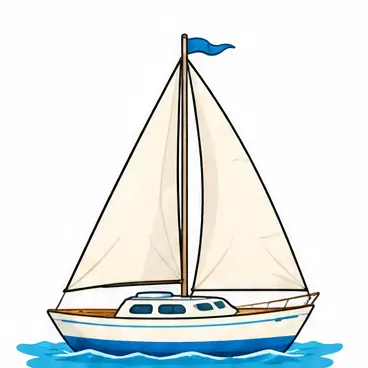
yachtyacht
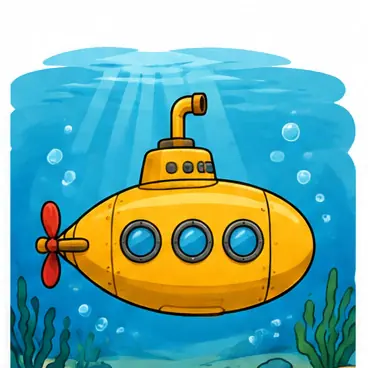
submarinesubmarine
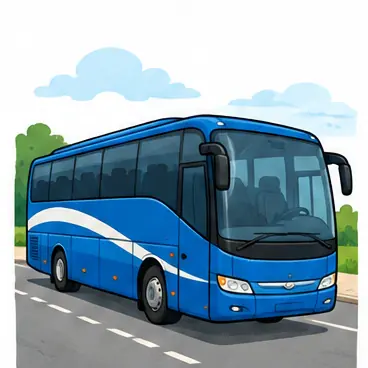
coachcoach
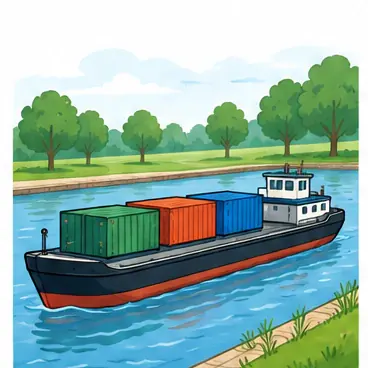
bargebarge
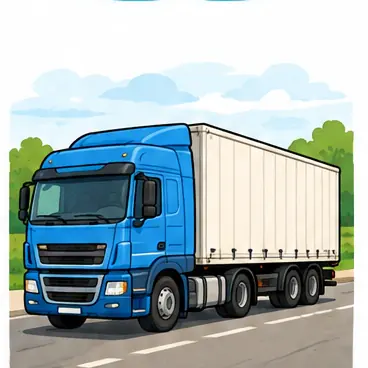
lorrylorry
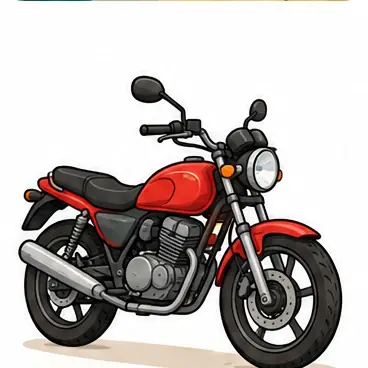
motorbikemotorbike
How long has the engineer been testing it?

He has been testing it all morning.

They have been travelling since eight.
Have you been looking after the batteries?
The team has been checking the panels since eight.

Conversation

Nia I am reporting from the harbour. Today Leo is playing the engineer of the solar ferry.

Nia How long have you been testing it?

Leo I have been testing it since eight this morning.

Nia What have you been checking?

Leo I have been checking the roof panels and recording their energy use.

Nia What has your team found?

Leo The batteries have been charging reliably, but we have not carried passengers yet.

Language pattern

How long has the engineer been testing it?

He has been testing it all morning.

  • They have been travelling since eight.
  • Have you been looking after the batteries?
  • The team has been checking the panels since eight.

More practice

Talk with the grammar

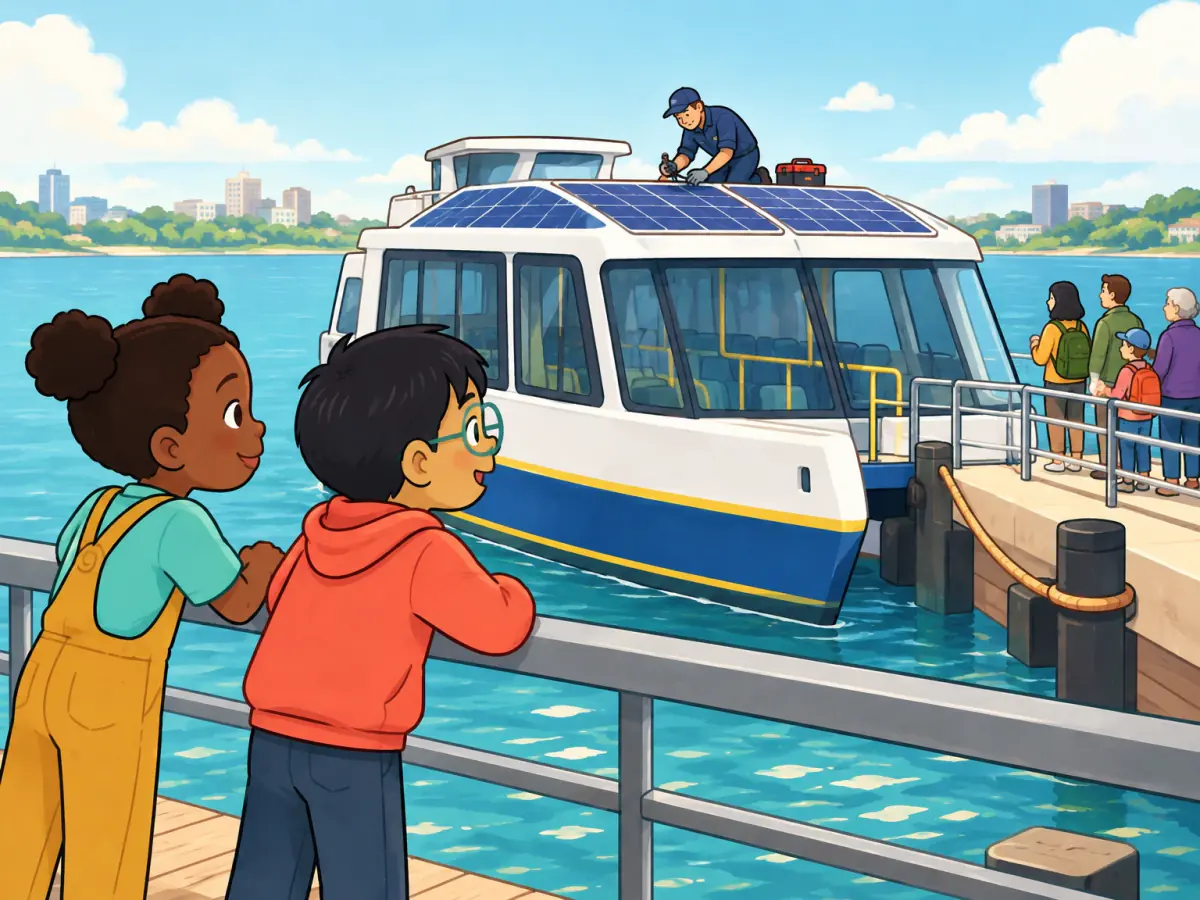
Nia and Leo observe a solar ferry prototype under repair; an engineer has been checking its roof panels all morning while visitors watch safely from the shore.

Leo How long has the engineer been testing it?

Nia He has been testing it all morning.

Nia What has he been checking?

Leo He has been looking after the roof panels.

Leo Have the visitors been waiting long?

Nia They have been waiting since eight.

How long has the engineer been testing it?

He has been testing it all morning.

  • They have been travelling since eight.
  • Have you been looking after the batteries?
  • The team has been checking the panels since eight.

Word study

look after

to take care of someone or something

The captain looks after the boat.

look up

to find information in a book or online

A librarian looks up each title.

look round

to look all around you, or visit all of a place

Put on a helmet and look round.

look forward to

to feel happy about something that will happen

I look forward to the first trip.

Books by barge

An original book-extract scene follows a floating-library barge delivering books to three river villages.

BOOKS BY BARGE

The blue library barge has been moving along the Willow River since Monday. Today, its crew has been carrying boxes to a village without a permanent library. Children have been waiting beside the safe landing stage since breakfast. The captain looks after the boat, while a librarian looks up each requested title. By evening, the barge will visit three communities and collect new reading requests.

Writer's studio

An original book-extract scene follows a floating-library barge delivering books to three river villages.

Nia Who will read your text?

Leo Children who are learning to ride will read it.

How do you ride safely?

HOW TO RIDE A BIKE First, put on a helmet and look round. Next, check the brakes and tyres. Then, start on a clear path and signal before you turn. Finally, slow down and stop in a safe place.

  • They have been travelling since eight.
  • Have you been looking after the batteries?
  • The team has been checking the panels since eight.
Learn this unit
How would you like to learn?

Steps in order: first, next, then, finally

A how-to text tells the reader what to do, one step at a time. Each step starts with the plain verb, with no “you”: “Check the brakes.” A sequence word at the start shows the order, usually followed by a comma. Use first and finally once each; next and then can return for every middle step.

  • First: the step before all the others
  • Next, Then, After that: the middle steps
  • Finally: the last step

From a drawing to a how-to text

First, ask who will read the text: for children learning to ride, each step needs one or two short actions. Many children plan better with a drawing: four boxes joined by arrows, one verb under each. Each box becomes a sentence; each arrow, a sequence word.

“HOW TO RIDE A BIKE. First, put on a helmet and look round. Next, check the brakes and tyres. Then, start on a clear path and signal before you turn. Finally, slow down and stop in a safe place.”

To signal is to show with your arm which way you are turning. Can your child find the eight verbs and mime them?

Reporting work in progress: have been + -ing

An instruction says what to do; a progress report says what someone has been doing up to now. For an activity that started in the past and is still going on, English uses have or has + been + -ing (the present perfect continuous). Answer “How long…?” with since and a starting point, or for and a length of time. In questions, have goes first: “Have you been looking after the batteries?”

Here a reporter interviews an engineer testing a solar ferry, a passenger boat powered by the sun.

Nia How long have you been testing it?

Leo I have been testing it since eight this morning.

Nia What have you been checking?

Leo I have been checking the roof panels and recording their energy use.

Still going on, or a result?

Reports often mix two forms. Have been + -ing describes the activity, which is still happening. Have + past participle (found, carried) gives a result, or says whether something has happened at all. The engineer’s answer below uses both.

  • Activity: “The barge has been moving along the river since Monday.”
  • Result, or not yet: “We have not carried passengers yet.”

Nia What has your team found?

Leo The batteries have been charging reliably, but we have not carried passengers yet.

Learn this unit your way

Words for this topic: transport and look

Lorry and motorbike are British; Americans say truck and motorcycle. A coach is a bus for long trips; yacht rhymes with “hot”. After look forward to, use a noun or -ing: to is a preposition here.

  • Air: hot-air balloon, helicopter
  • Water: yacht, submarine, barge (a flat boat for goods on rivers)
  • Road: coach, lorry, motorbike
  • look after (take care of): “The captain looks after the boat.”
  • look up (find information): “A librarian looks up each title.”
  • look round (look all around you): “Put on a helmet and look round.”
  • look forward to (feel happy about something coming): “I look forward to the first trip.”

Common mistakes and quick fixes

These are normal at A2. Repeat the sentence correctly and carry on.

  • “I am testing it since eight.”: “I have been testing it since eight.”
  • “since two hours”: a length of time takes for: “for two hours”.
  • “After, check the brakes.”: on its own, use “Then” or “After that”.
  • “I look forward to ride.”: “I look forward to riding.”
  • “I have been knowing him for years.”: know doesn’t take -ing: “I have known him for years.”

A home game: follow my steps

Choose a simple job, such as making a sandwich. Your child draws four boxes, then gives you the steps with first, next, then and finally. Follow them exactly: if a step is missing, the sandwich goes wrong and your child fixes the text.

Then swap: while you cook, your child asks “How long have you been cooking?” and “What have you been doing?”, and you answer with since or for.

What comes next

Next, your child can compare two short technology texts, then write a short inventor biography, from first idea to working model.

Frequently asked questions

What are sequence words in English?

Words such as first, next, then, after that and finally, which show the order of steps. Start each step of a how-to text with one, usually followed by a comma.

What is the difference between “I have tested it” and “I have been testing it”?

“I have been testing it” is about the activity, which is still going on. “I have tested it” is about the result: the test is finished. With action verbs, “How long…?” usually takes -ing.

Is it “look forward to see” or “look forward to seeing”?

“Look forward to seeing”: to is a preposition here, so it takes a noun or an -ing verb.

Learn this unit
How would you like to learn?

What comes next?

One-to-one lessons with a live teacher

In Flalingo kids lessons, your child practises units like this one-to-one with a live teacher, through games on the same screen.

Book a free trial lesson