
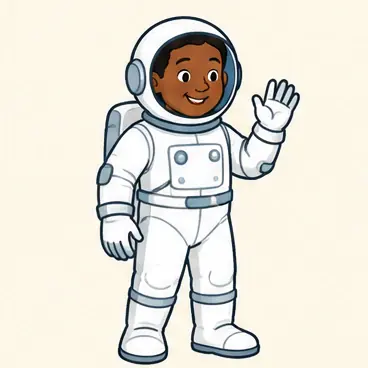
 astronaut
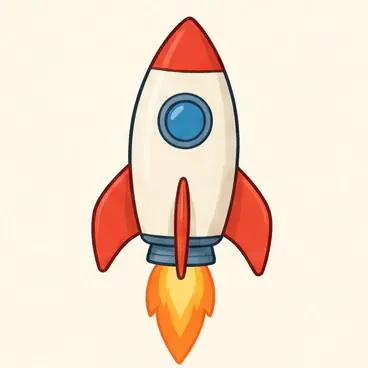 rocket
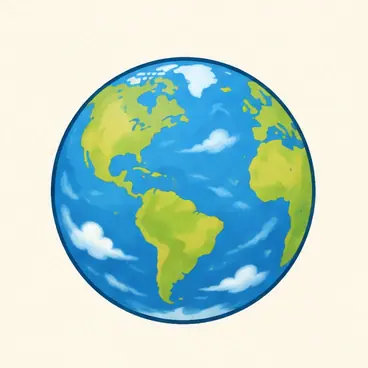 Earth
 sky
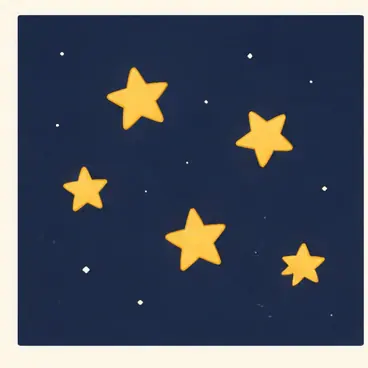 stars
 moon
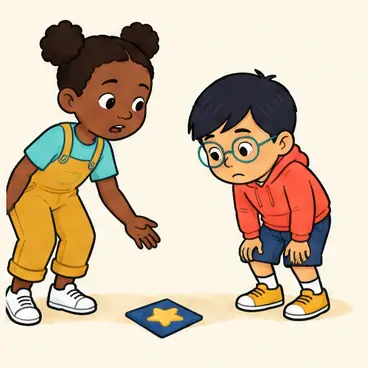 see the card
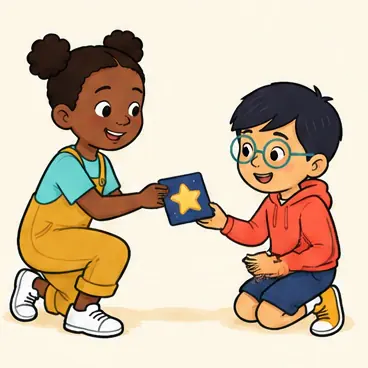 help
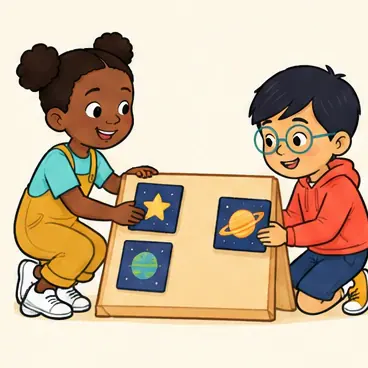 take turns
Six space words in two groups
All six words are easy to show with your hands. Start with the moon and the rocket, because they answer the two questions of the game, and add the others two at a time. Play each card on this page, do the movement and let your child copy it.
Then sort the cards into two groups. The moon, the stars and Earth are places to travel to; the rocket and the astronaut are what the trip needs. The sky is what you fly through.
- moon – curve one arm above your head
- rocket – palms together above your head, then shoot up on tiptoe
- astronaut – lower a big pretend helmet onto your head
- Earth – draw a big ball in the air
- stars – open and close your fingers to twinkle
- sky – sweep one arm slowly above you
Two questions: “Where?” and “What do we need?”
Each question has its own kind of answer. Your child doesn’t need the grammar: at this age, “Let’s go to the moon” is learned as one chunk, like a line from a song.
- “Where shall we go?” asks for a place: “Let’s go to the moon.”, “Let’s go to the stars.”, “Let’s go to Earth.”
- “What do we need?” asks for a thing. “A rocket!” is enough; the full answer is “We need a rocket.”
- Say “a rocket” but “an astronaut”, because “astronaut” starts with a vowel sound.
Listen to the trip plan
In the short exchange below, two children plan a pretend trip. Listen together and point after each answer: first to the place, then to what they need.
Nia Where shall we go?
Leo Let's go to the moon.
Leo What do we need?
Nia A rocket!
The pretend rocket trip: let your child lead
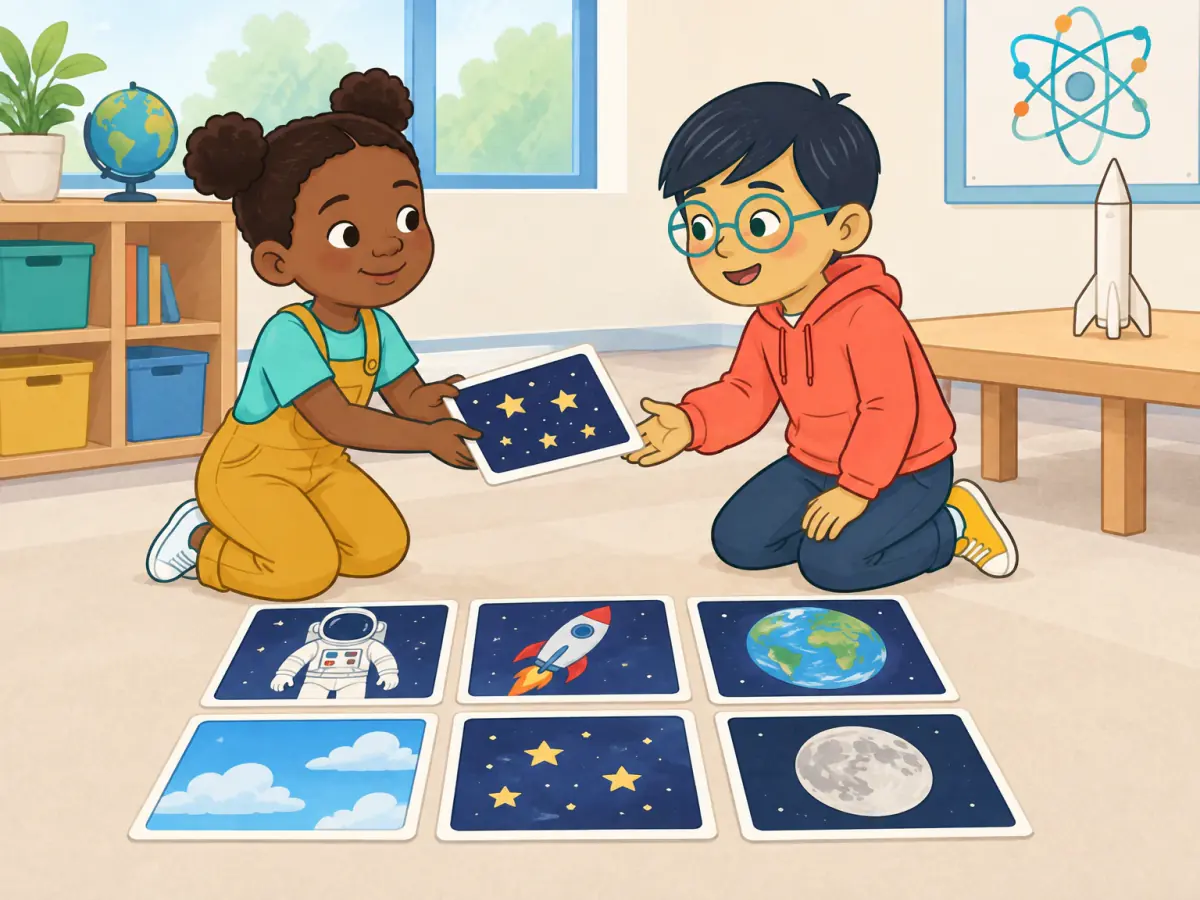
Children remember words better when they do something with them. Make a rocket from the sofa or a cardboard box, and put the place cards around the room:
- Ask “Where shall we go?” Your child points or says “The moon!” Say the full line back: “Let’s go to the moon!”
- Ask “What do we need?” and let your child fetch the rocket card. Count down, “Five, four, three, two, one!”, and fly to the card.
- Swap: your child asks and you answer. Sometimes answer wrongly on purpose, such as “A banana!” Most children love to correct a grown-up.
- Stop after three or four trips, while your child still wants more.
Take turns and help each other
A trip for two is a natural place to practise taking turns. When a card falls or you both want the rocket, use three short, kind lines:
- “Can I help?” – “Yes, please.” Ask before you pick up a fallen card.
- “Thank you.” Say it each time your child helps you.
- “Your turn.” Hand over the rocket card as you say it.
Look at the real sky
At bedtime, look for the moon and the stars from a window: “I can see the moon. It’s night-time.” In the morning: “I can see the sun. It’s daytime.” Never look straight at the sun. The moon sometimes appears in the daytime sky too; if you spot it, point and whisper “The moon!”
Common mistakes
These slips are normal at this age. Say the right version back instead of correcting:
- “A rocket!” after “Where shall we go?”: that is the thing, not the place. Point to the moon card: “Let’s go to the moon. We need a rocket!”
- “Let’s go to moon.”: “the” goes missing, because many languages have no word like it. Say “the moon” back.
- “A astronaut”: before a vowel sound, say “an astronaut”.
- All six cards on day one: two places and the rocket are plenty.
What comes next
When your child plans trips without help, ask about favourites: “What’s your favourite space picture?” – “I like the rocket.” Then use the same questions for other pretend trips: “Let’s go to the park. What do we need?” – “A ball!” The articles below move on to feeling hungry or thirsty and to animal actions.