
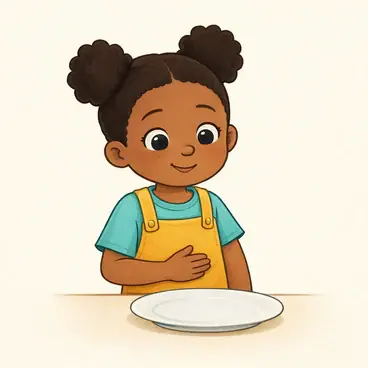
 hungry
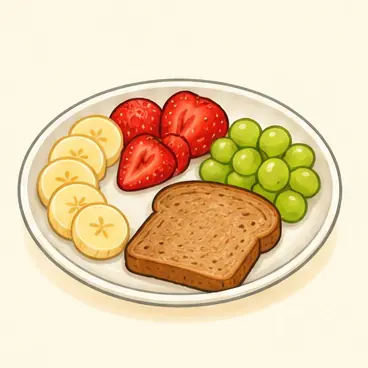 food
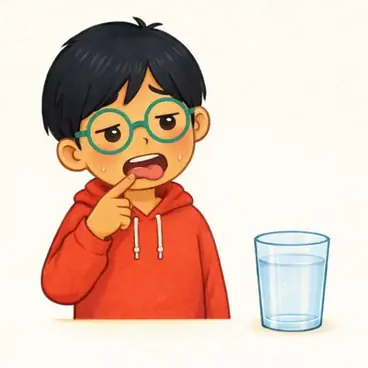 thirsty
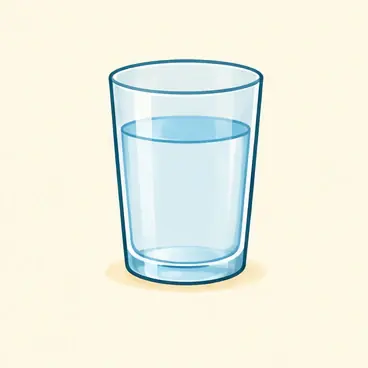 drink
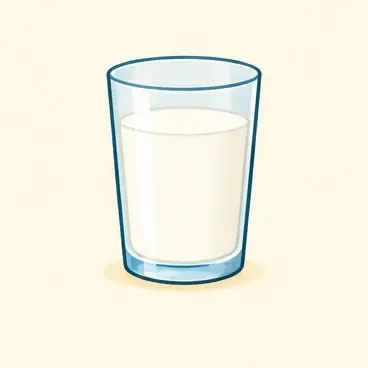 milk
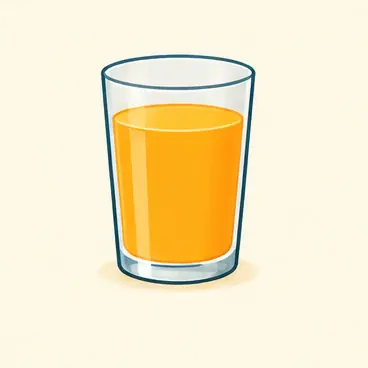 juice
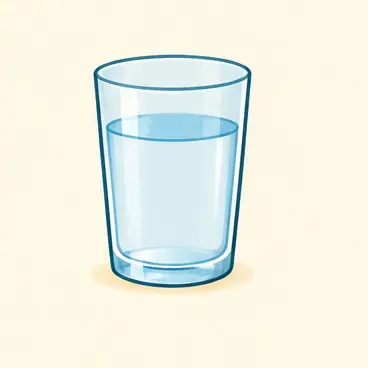 water
Teach four words as two pairs
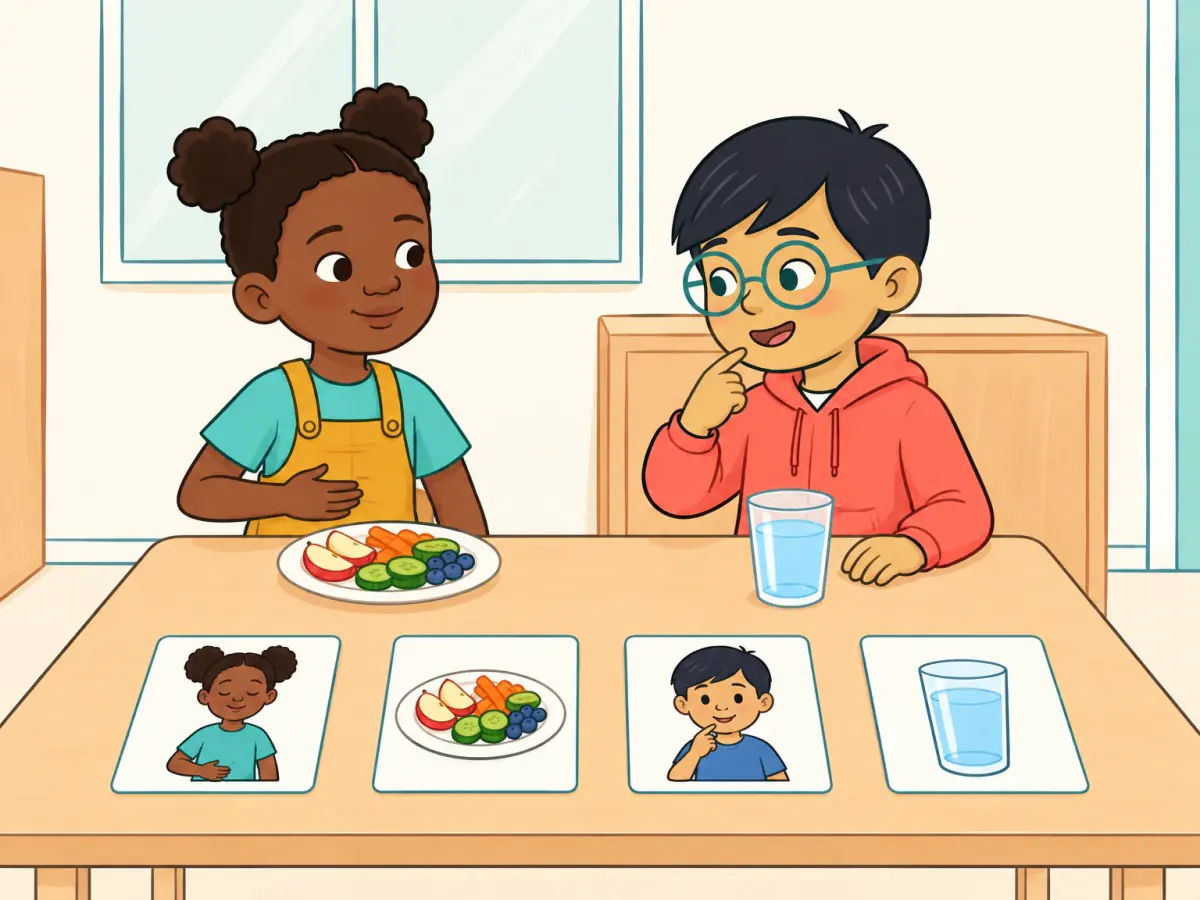
Hungry and thirsty are feelings, and each has its own answer: hungry goes with food, thirsty goes with a drink. Pairs stick better than four loose words. Play a card, do its gesture, and let your child copy the gesture before the word. Start with one pair a day and mix them once both feel easy.
- hungry – rub your tummy in slow circles
- food – pretend to take a big bite
- thirsty – touch your throat and pant like a hot puppy
- drink – lift a pretend cup to your lips: “Gulp!”
One question, two answers
One question covers the whole topic: “Are you hungry or thirsty?” Because it offers two choices, a single word such as “Thirsty!” is already a full answer. Say the complete version back so your child hears it every time: “You’re thirsty. You need a drink.” Children learn these sentences as fixed chunks, so no grammar is needed.
- Are you hungry or thirsty?
- I’m hungry. I need food.
- I’m thirsty. I need a drink.
Listen: saying a feeling and helping
Below, one speaker says how they feel and the other hands over the right thing, naming it. Listen together, then act it out with two toys.
Notice “some food” but “a drink”: drinks can be counted, food usually isn’t. Copying the whole phrase is enough.
Nia I'm hungry.
Leo Here is some food.
Leo I'm thirsty.
Nia Here is a drink.
The snack-table game: your child is the helper
Children remember words better when the words make something happen. The toys have the feelings; your child solves the problem:
- Sit two soft toys at a little table with a plate and a cup.
- One toy rubs its tummy: “I’m hungry.” Your child puts pretend food on the plate: “Here is some food.” Just “Food!” is fine at first.
- The other toy touches its throat: “I’m thirsty.” Your child brings the cup: “Here is a drink.”
- Swap: your child makes a toy hungry or thirsty, and you help. Bring the wrong thing now and then; most children love to correct a grown-up.
- Stop after three or four turns, while your child still wants more.
Milk, juice and water: “I’m drinking” or “She’s drinking”?
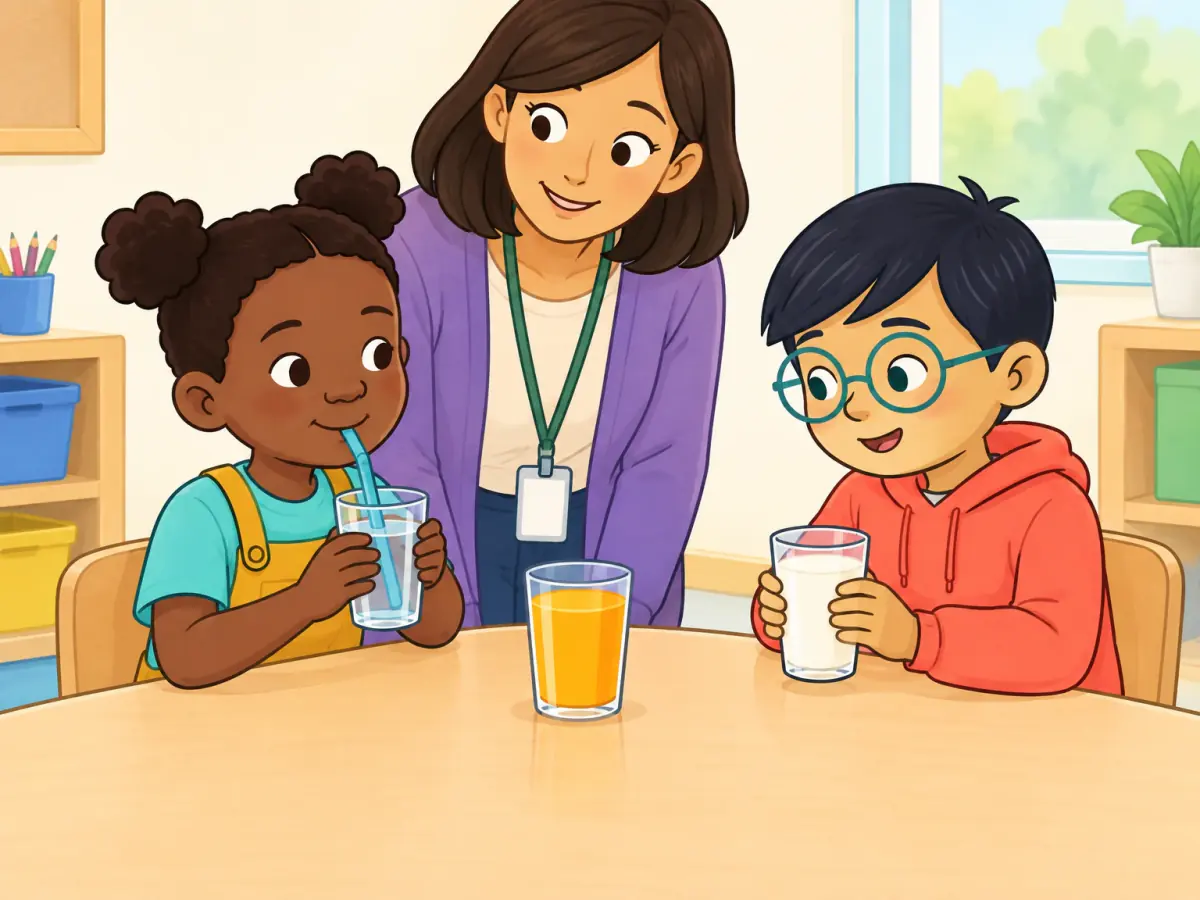
When the four words come easily, add three drinks: milk, juice and water. Pour pretend drinks for the toys and ask: “What’s she drinking?” – “She’s drinking water.”
Then hand your child a cup, and the sentence changes: “I’m drinking juice.” Children often keep the words they just heard and say “She’s drinking” about themselves. Say it back the right way: “Yes, you’re drinking juice! I’m drinking water.” If your home language uses one word for “he” and “she”, expect those to swap too.
- I’m drinking water. (about me)
- She’s drinking milk. He’s drinking juice. (about someone else)
- Juice, please. (asking for a drink)
At real snack time, English is an extra
Use the words at real snack time, but never make food or a drink wait for the English sentence: a hungry or thirsty child gets what they need, in any language. Say the English as you hand it over, “You’re thirsty? Here is a drink.”, so the words arrive with something good. Keep the talk on the feeling, not on what or how much your child eats.
Common mistakes
These slips are normal at this age. Say the right version back instead of correcting:
- “I hungry.”: the short “’m” is easy to lose. Answer with it: “You’re hungry? I’m hungry too.”
- Swapping the pairs, as in “I’m thirsty. I need food.”: match the cards again; thirsty goes with a drink.
- “I have hungry.”: in Spanish, French or German you “have” hunger. In English you “are” hungry: “I’m hungry.”
- All seven words in one go: one pair a day is plenty, and the drinks can wait a week.
What comes next
When your child says how a toy feels without help, let “I need …” travel to other moments: “I need my shoes.” “I need help.” Later, describe whole pictures with “There is …” and “There are …”, as in the articles below.