
 1
1 2
2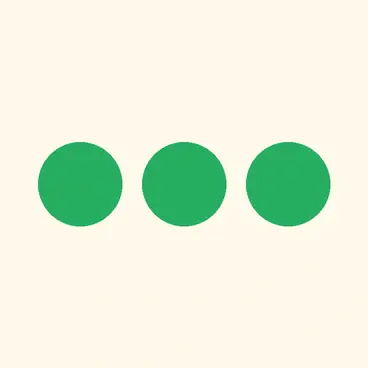 3
3 4
4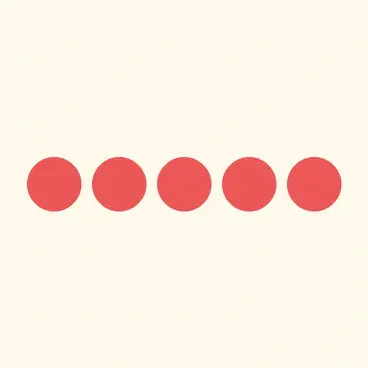 5
5 6
6 7
7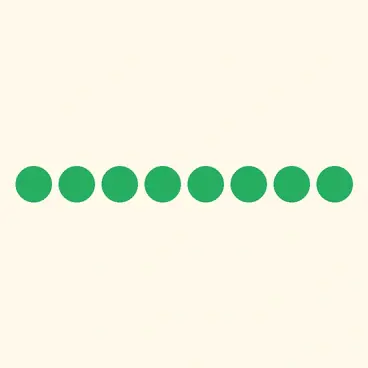 8
8 9
9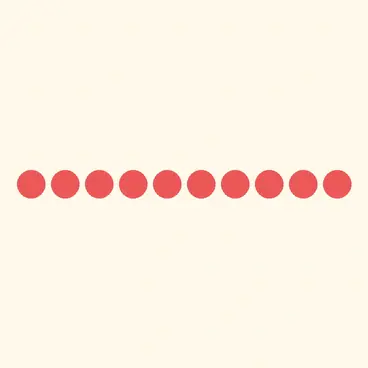 10
10The numbers one to ten, and the tricky sounds
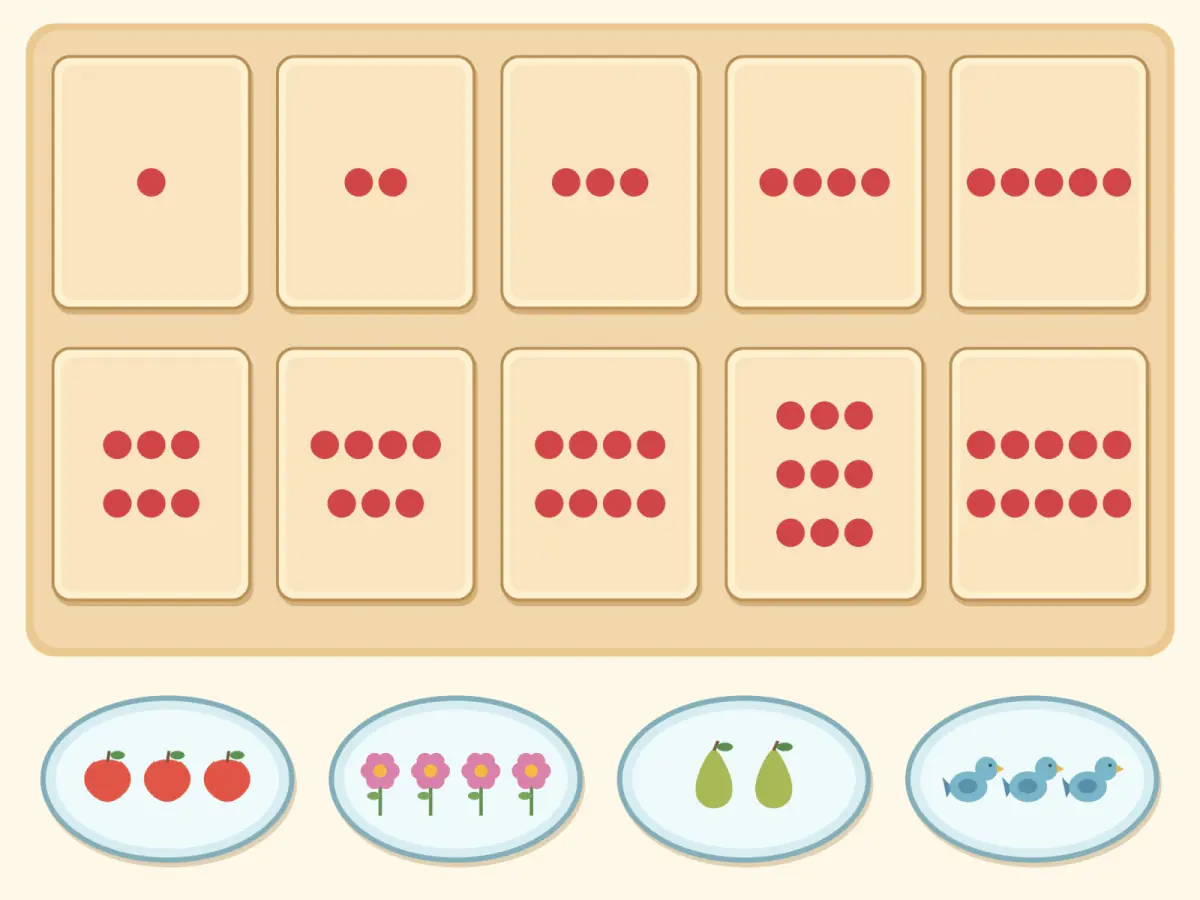
Play each number card above and say the word after it. Start with one to five, and add six to ten when your child can say the first five in order. Hold up the same number of fingers as you say each word, so your child sees the amount too. Watch these sounds:
- one – starts with a “w” sound, like “won”
- three – tongue tip between the teeth for “th”, so it doesn’t become “tree”
- five and seven – top teeth on the bottom lip for the “v”
- eight – rhymes with “late”; the “gh” is silent
Saying the numbers is not the same as counting
Many children can say “one, two, three, four, five” like a rhyme before they can count a group. Counting needs two more steps: exactly one number for each object, and knowing that the last number tells you how many there are. These steps matter more than speed.
Listen to the line below, then try it with five real objects.
Nia Let's count the circles.
Leo One, two, three, four, five.
The counting tray: one touch, one number
A tray or a plate shows where the group starts and ends. Put a few blocks, spoons or toy cars on it and follow three steps:
- Say “Let’s count.” Touch each object once as you say its number, and slide it aside so nobody counts it twice.
- Stop on the last number, circle the group with your finger and ask “How many?”
- Answer with the number and the thing: “Four. Four cars!” Your child can join in with just the number.
How to answer “How many?”
“How many?” asks for an amount, so the answer is one number, not the whole count again: the number and the thing in the plural, such as “Three apples.” or “Ten circles.” With one object, the word stays singular: “One apple.” “How many in this tray?” is an everyday short form of “How many are there in this tray?”
In the exchange below, the answer gives the total once, with the thing that was counted.
Leo How many in this tray?
Nia Ten circles!
Let your child choose the next group
Children stay interested when they get to decide something. After two or three rounds, swap roles:
- Your child builds a new group and says “Let’s count!”
- You count, and your child asks “How many?”
- Now and then, skip an object on purpose. Most children love catching a grown-up out.
- Add one object and ask again. Your child will probably count from one again; that’s normal at this age.
- Stop after three or four rounds, while it is still fun.
Count in everyday moments
Add one or two counting moments to your day: stairs on the way up, spoons when you set the table, socks from the washing. Keep to groups of ten or fewer that your child can touch.
Common mistakes
These slips are normal at this age. Say the right version back instead of correcting:
- “Three apple.”: many languages keep the noun the same after a number, but English adds “-s” from two upwards: “Yes, three apples!”
- Counting again after “How many?”: point to the group and model the total: “One, two, three. Three apples!”
- The voice runs ahead of the finger: hold your child’s hand and touch the objects together.
- “Tree” for “three”: show your tongue between your teeth and play “Who can make the longest th?”
What comes next
When your child counts ten objects and answers “How many?” without help, add a colour: “Three red apples.” The number comes first, then the colour, then the thing. Later, move on to numbers beyond ten. The articles below move on to classroom things, weather words and bigger numbers.