
 break
 repair
 comfortable
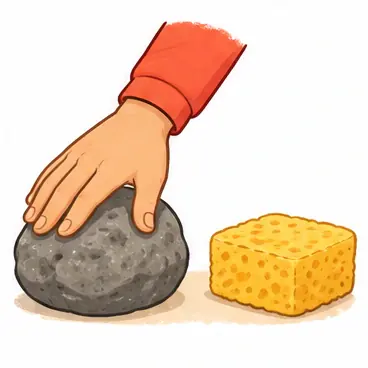 hard
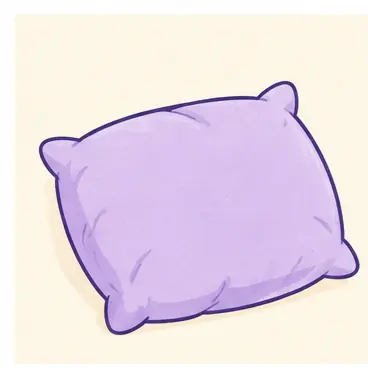 soft
 expensive
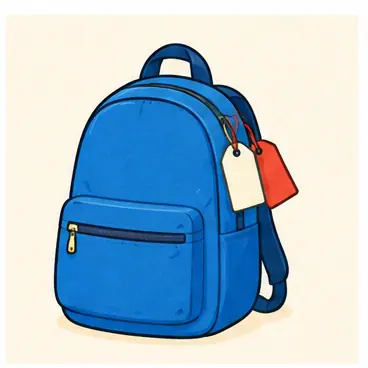 cheap
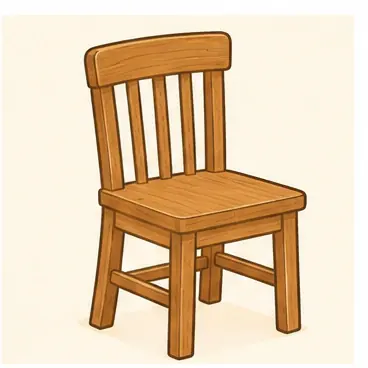 wooden
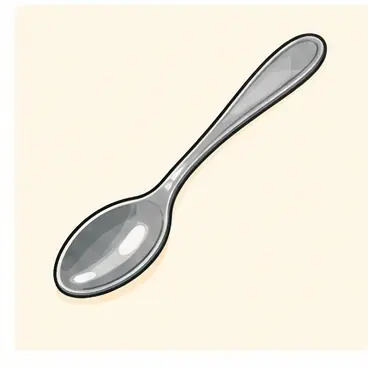 metal
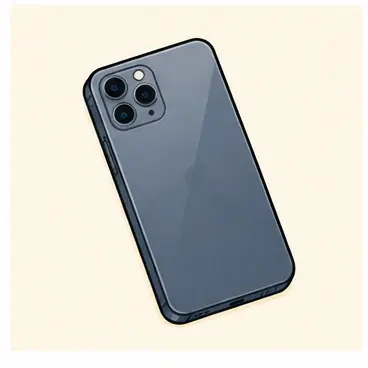 modern
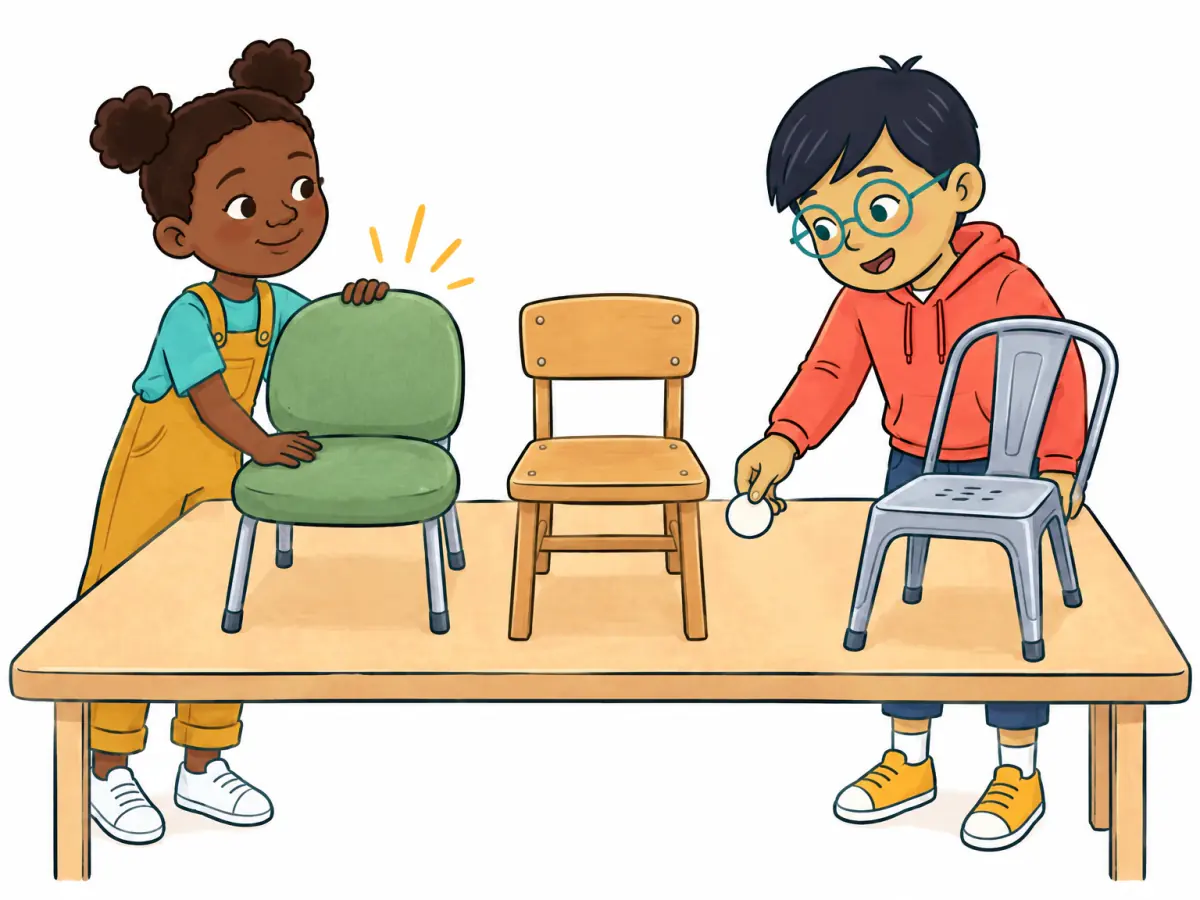
Tanımlayıcı kelimeler: malzeme ve fiyat
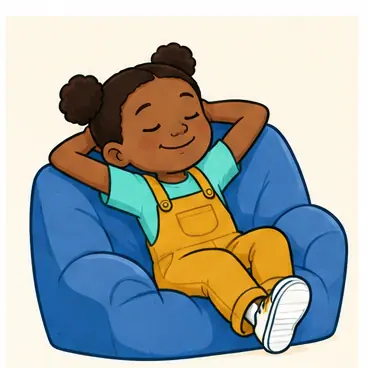
Karşılaştırmadan önce çocukların tanımlayıcı kelimelere ihtiyacı vardır; bunların çoğu zıt çiftlerdir. Wooden “tahtadan yapılmış, ahşap” demektir; metal de tanımlayıcı kelime olarak kullanılır: “a metal chair”. Comfortable genellikle üç hecede söylenir: COMF-ta-ble.
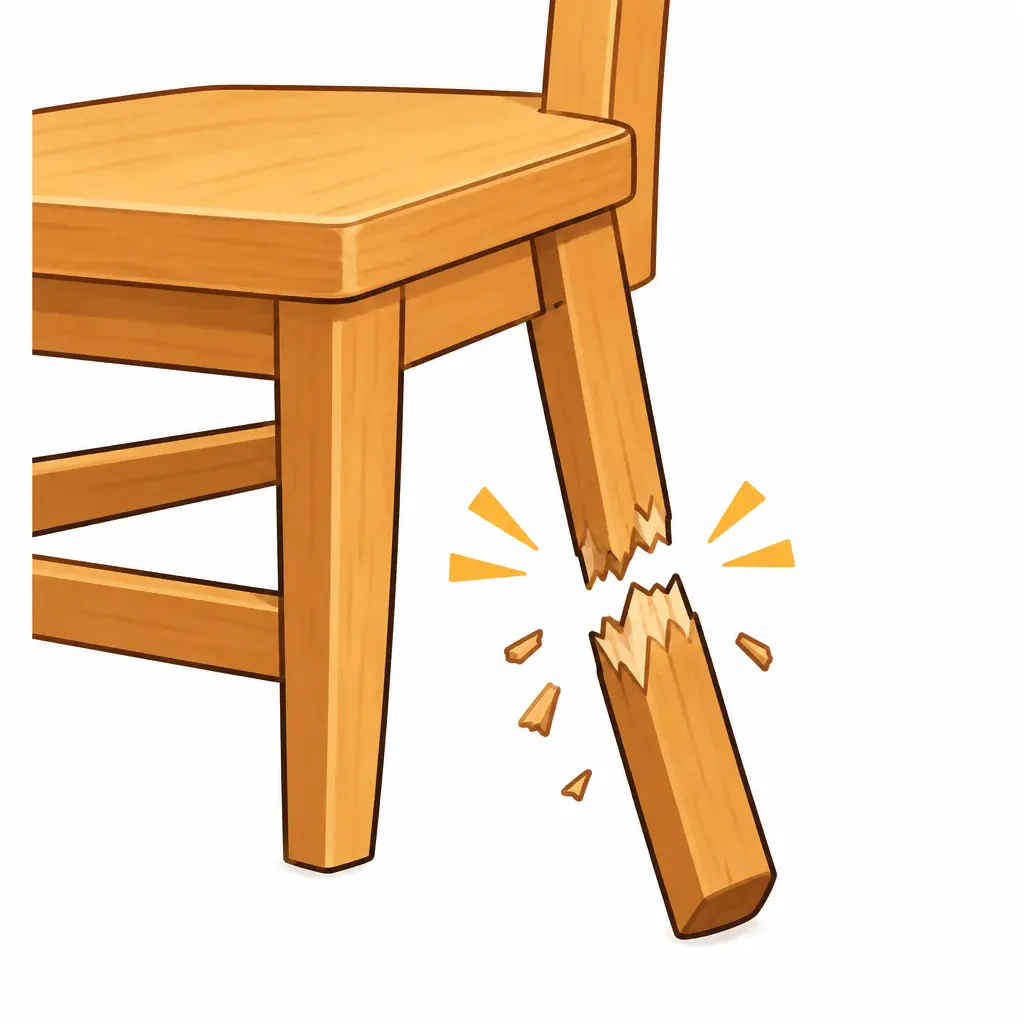
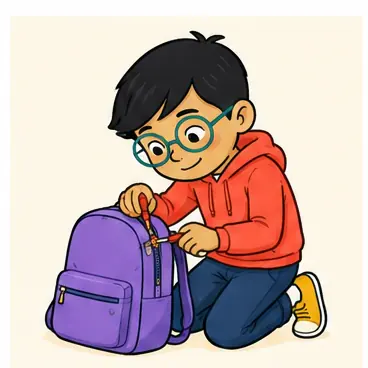
Break ve repair hikâyeler için kullanışlı fiillerdir: bir şey kırılır (break), sonra biri onu onarır (repair, yani fix).
- Zıtlar: hard (sert) – soft (yumuşak), cheap (ucuz) – expensive (pahalı), modern – old (eski)
- Malzemeler: wooden (ahşap), metal, plastic (plastik), fabric (kumaş)
İki şeyi karşılaştırmak: -er, more, better, worse
Türkçede her sıfatın önüne “daha” gelir: daha ucuz, daha pahalı. İngilizcede ise kısa kelimeler more almaz, sonlarına -er eklenir: cheaper, harder, softer. Bu yüzden “more cheaper” Türk çocuklarının çok sık yaptığı bir hatadır. Bazı kelimelerin yazılışı değişir: big, bigger; safe, safer. Uzun kelimelerde more kullanılır: more expensive, more comfortable, more modern. Karşılaştırılan şey için than eklenir: “The metal chair is harder than the sofa.”
Good ve bad düzensizdir: “This design is better.” “That design is worse.” “More better” asla denmez.
Bir gruptan birini seçmek: the cheapest, the most comfortable, the best
Üç ya da daha fazla şey olduğunda İngilizce birini the ve -est ya da the ve most ile seçer: the cheapest, the most expensive. Türkçedeki “en ucuz”, “the most cheap” değil “the cheapest” olur. Good ve bad tamamen değişir: the best, the worst. Türkçede “the” olmadığı için çocuklar onu sık sık unutur; burada mutlaka gerekir.
Gerçek bir soruyla pratik yapın: “Which material is the most comfortable?” “The soft fabric is the most comfortable.” Sonra bir sebep isteyin: “The green model is the best because it is safe.”
- cheap – cheaper – the cheapest
- comfortable – more comfortable – the most comfortable
- good – better – the best
- bad – worse – the worst
Bir hikâyeyi sırasıyla anlatmak
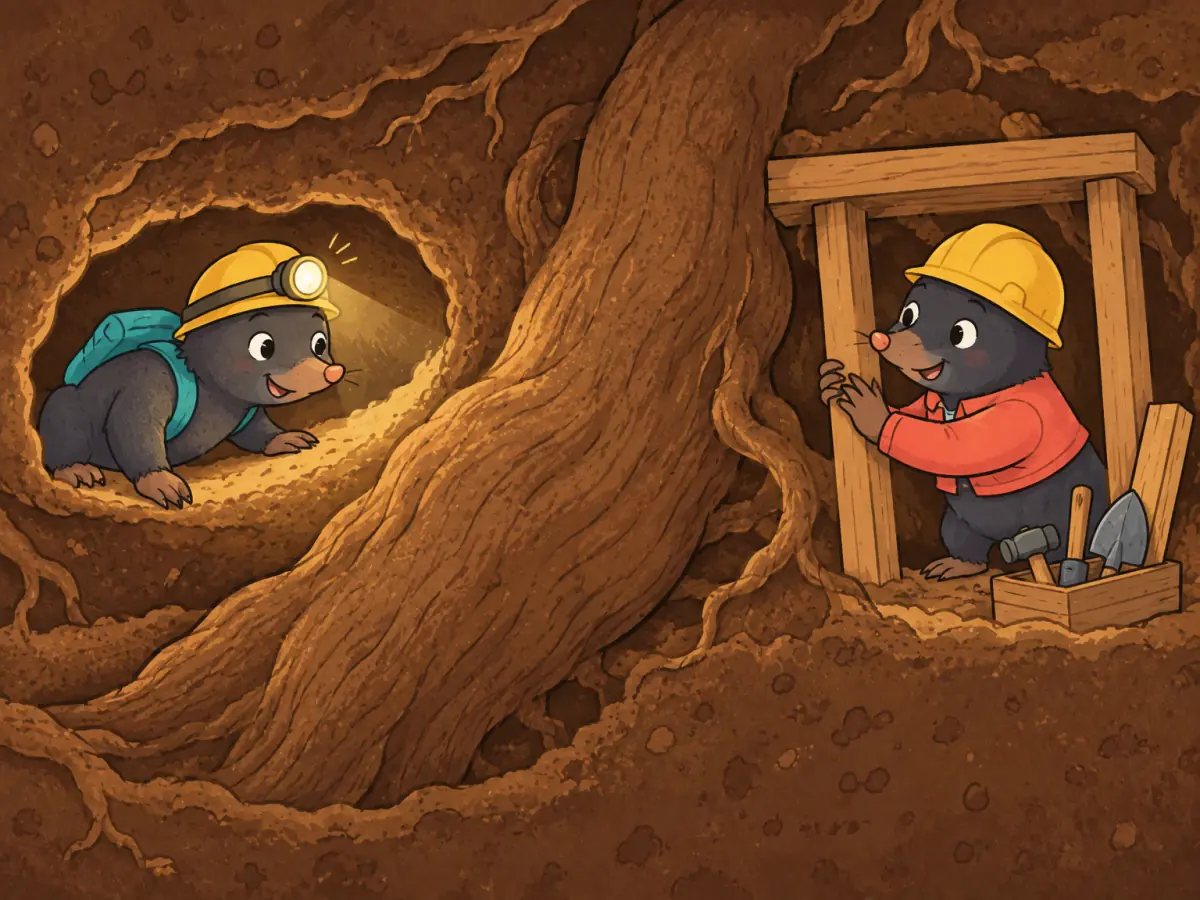
Pek çok fabl hızlı bir planla dikkatli bir planı karşılaştırır. Bu kayıtta iki çocuk, toprağın altında bir oda kazan Pip ve Sol adlı iki köstebeğin fablını yeniden anlatıyor. Hikâyeyi sıraya koyan sorular şunlar: What happened first? What did Pip and Sol do next? Geçmiş zaman fiillerine kulak verin: blocked ve tested -ed alır; began ve made ise düzensizdir.
Nia What happened first?
Leo Two moles began to dig a reading room before winter.
Leo What blocked their tunnel?
Nia A big, hard root blocked it.
Nia What did Pip and Sol do next?
Leo Sol made a wooden support, and Pip tested a safer route. Together, they finished a comfortable room.
Mouse ve mice ile kısa bir fabl yazmak
Fabl, moral adı verilen bir dersle biten, çoğunlukla hayvanların anlatıldığı çok kısa bir hikâyedir. Dört cümle yeter: karakterler, sorun, ne yaptıkları ve ders. Karakterler çoğu zaman generous (paylaşmayı seven, cömert) ya da lazy (çalışmak istemeyen, tembel) olur.
Hayvan hikâyelerinde -s almayan düzensiz çoğullar gerekir: one mouse, three mice; one foot, two feet; one child, two children. Türkçede sayıdan sonra isim tekil kalır (“üç fare”), ama İngilizcede sayıdan sonra çoğul gerekir: “three mice”, “two feet”. Alıp değiştirebileceğiniz bir örnek:
- “Three mice needed a warm home before winter.”
- “The youngest mouse chose a paper bag because it was the cheapest.”
- “The bag broke in the rain, so they built a wooden house.”
- “The moral: the cheapest choice is not always the best.”
Yazım ipucu: yumuşak c ve yumuşak g
İngilizcede c harfi e, i ya da y’den önce geldiğinde neredeyse her zaman s gibi okunur. Türk çocukları c’yi Türkçedeki gibi okuyup “city” kelimesini “citi” diyebilir; doğrusu “siti”dir. Aynı harflerden önce g çoğu zaman Türkçedeki c sesini verir: cage “keyc” gibi okunur. A, o ve u’dan önce iki harf de serttir: cat, game. G’nin get, give ve girl gibi yaygın istisnaları vardır.
- Soft c: city, ice, dance, rice
- Soft g: cage, page, giraffe, stage
Sık yapılan hatalar ve kolay düzeltmeleri
A2 seviyesinde normaldir: cümleyi doğru hâliyle tekrar edip devam edin.
- “This chair is more cheaper.”: ya -er ya more, ikisi birden asla: “This chair is cheaper.”
- “The most good model.”: good düzensizdir: “the best model”.
- “This design is worst.”: iki şey için worse, bütün bir grup için the worst.
- “Three mouses ran home.”: “Three mice ran home.” Aynı şekilde “childrens” değil children, “foots” değil feet.
- “Harder then the sofa.”: karşılaştırma kelimesi then değil than olmalı.
Evde oyun: evin en iyi oturma yeri
Evde üç oturma yeri seçin: bir mutfak sandalyesi, bir tabure ve kanepe. Çocuğunuz her birini dener ve karşılaştırır: “The stool is harder than the sofa.” “The sofa is the most comfortable.” Hayalî fiyat etiketleri ekleyip “Which seat is the cheapest?” diye sorun, sonra çocuğunuz düzeltsin diye yanlış bir şey söyleyin.
Oyunu oturma yerleri hakkında dört cümlelik bir fablla bitirin: “Two children and three mice wanted the softest seat.”
Sonraki adım
Karşılaştırma kolaylaşınca çocuğunuz Which…? ve Why…? sorularına sebep içeren cevaplar verebilir. Daha sonra will ile tahminler (“I think it will rain.”) ve notları bir paragrafa dönüştürmek gelir.