İçeriğe geç
Flalingo

İngilizce pratiği

Çocuklara İngilizce yol tarifi (A2, 8–11 yaş): “Turn left at the roundabout” ve because ile davetiye

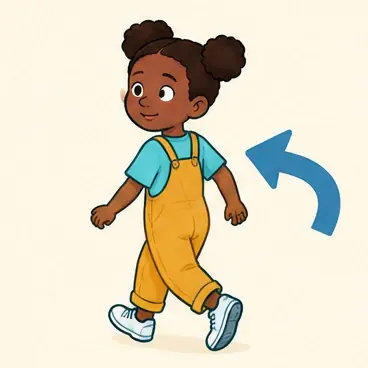
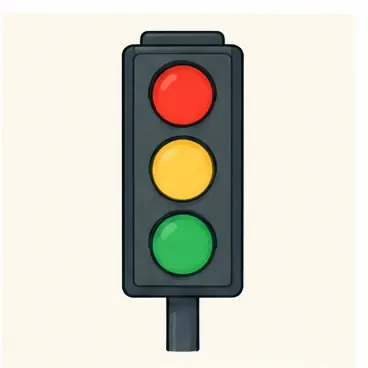
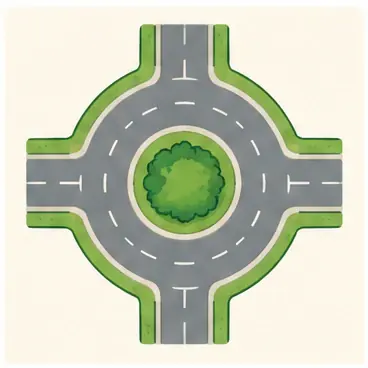
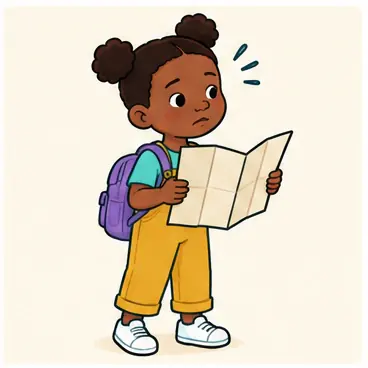
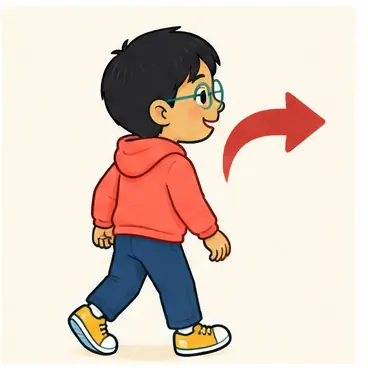
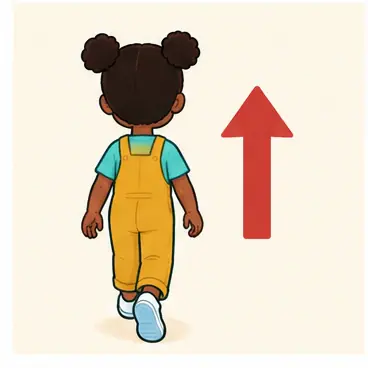
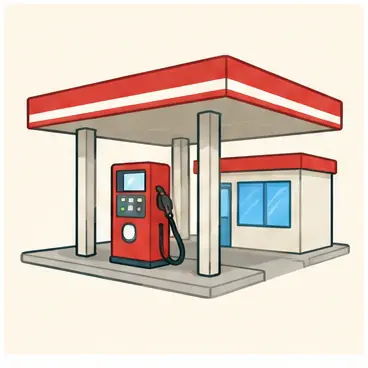
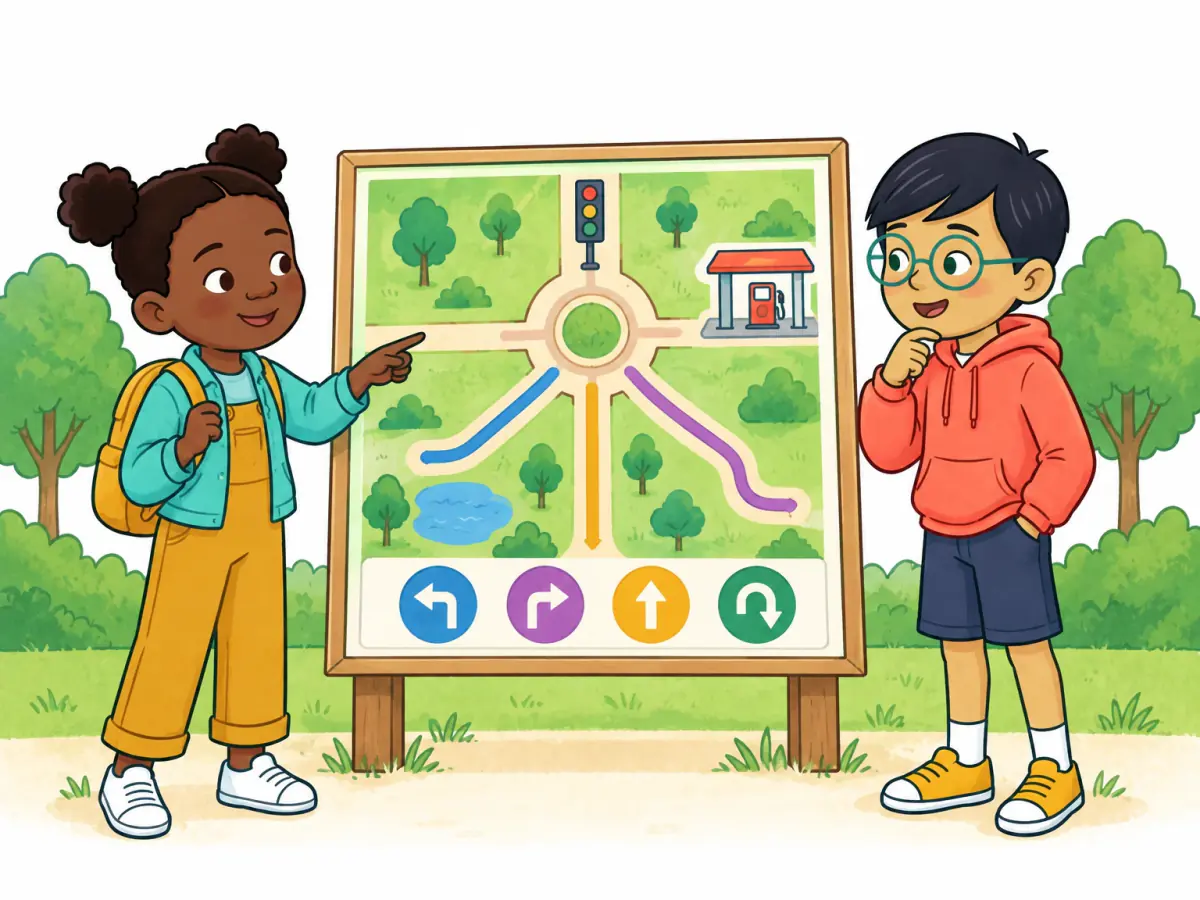
In a park route challenge, two children stand beside a blank path diagram with a roundabout, traffic light, petrol station and three safe walking paths. Direction arrows show turn left, turn right, go straight on and go back without words.

Çocuğunuz İngilizce basit yol tarifi versin (A2, 8–11 yaş): turn left, go straight on ve roundabout, Why…? sorusuna Because… cevabı, have to ve had to, bir de günü, buluşma yerini ve yolu anlatan dört cümlelik bir davetiye.

İngilizcede yol tarif ederken cümleye fiille başlanır, ardından yer eklenir: “Go straight on to the roundabout.” “Turn left at the traffic lights.” Sebep sormak için Why did…? kullanılır, cevap because ile verilir: “Why did you go back?” “Because we had to find the right path.” Bu A2 konusu, sağ ve sol kelimelerini bilen ve dün hakkındaki basit sorulara cevap verebilen yaklaşık 8–11 yaşındaki çocuklara uygundur. Konu kısa bir davetiyeyle biter: gün, buluşma yeri, yol ve bir sebep.

Bu yazı kimin için?

  • İngilizcede sağı ve solu bilen çocukların velileri: çocuğunuz gösterip “left” ya da “right” diyebiliyor ve “What did you do yesterday?” sorusuna cevap verebiliyor.
  • Okula, parka ya da markete yürüyerek giden aileler: çocuğunuzun zaten bildiği bir yol, anlatacak gerçek bir tarif demektir.
  • Kısa bir yazma hedefi isteyen veliler: sonunda çocuğunuz dört cümlelik bir davetiye yazar; aşağıdaki diyaloglarda her satırın sesi var.
  • Henüz erken: “Did you…?” ve “What did you do?” gibi geçmiş zaman soruları hâlâ yeniyse önce aşağıdaki usually ve yesterday konulu A2 yazısıyla başlayın.
  • Fazla kolay: Çocuğunuz sebep içeren yol tarifini zaten yazabiliyorsa aşağıdaki öneri ve gerekçe içeren onarım broşürü konulu A2 yazısına geçin.

Örnek sayfaları açın

Örnek sayfaları açın

Kelime kartları

read a mapread a map
turn leftturn left
go backgo back
traffic lighttraffic light
hurryhurry
roundaboutroundabout
get lostget lost
turn rightturn right
go straight ongo straight on
petrol stationpetrol station
Why did you go back?

Because we had to find the right path.

Turn left at the roundabout.
Go straight on.
We have to wait at the light.

Konuşma

Nia Go straight on to the roundabout.

Leo Do I turn left there?

Nia Yes. Yesterday we took the wrong road and went back.

Leo Why did you go back?

Nia Because we had to find the right path.

Leo Now we won't get lost.

Cümle yapısı

Why did you go back?

Because we had to find the right path.

  • Turn left at the roundabout.
  • Go straight on.
  • We have to wait at the light.

Diğer alıştırmalar

Change the information

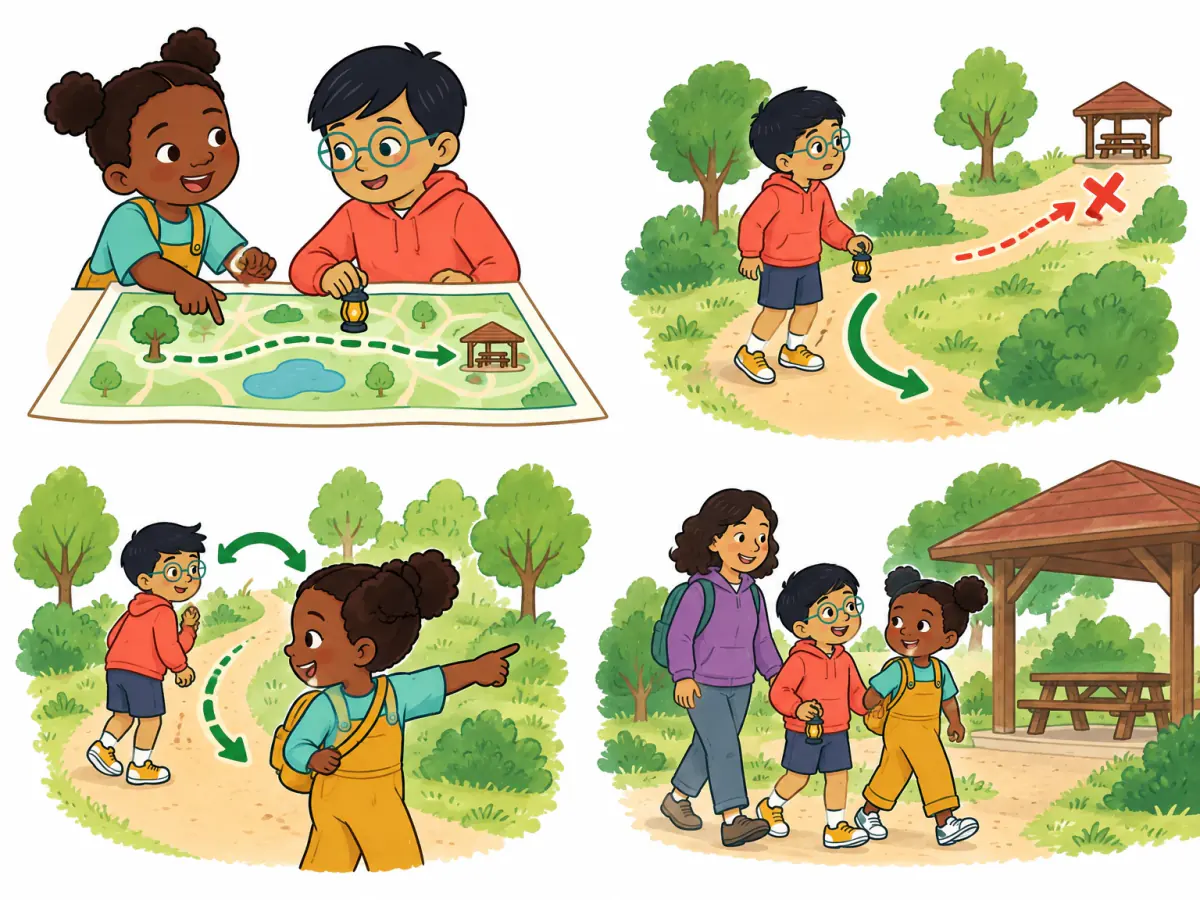
Nia gives directions while Leo moves a small lantern token from a start tree to a picnic shelter. A wrong turn and return arrow show getting lost, going back and hurrying safely with an adult.

Leo Which way do I go at the pond?

Nia Go straight on, then turn right.

Nia Why did you go back?

Leo Because I took the wrong path.

Leo Do we have to walk with an adult?

Nia Yes, we have to stay with an adult.

Why did you go back?

Because we had to find the right path.

  • Turn left at the roundabout.
  • Go straight on.
  • We have to wait at the light.

The Library Shadow Event

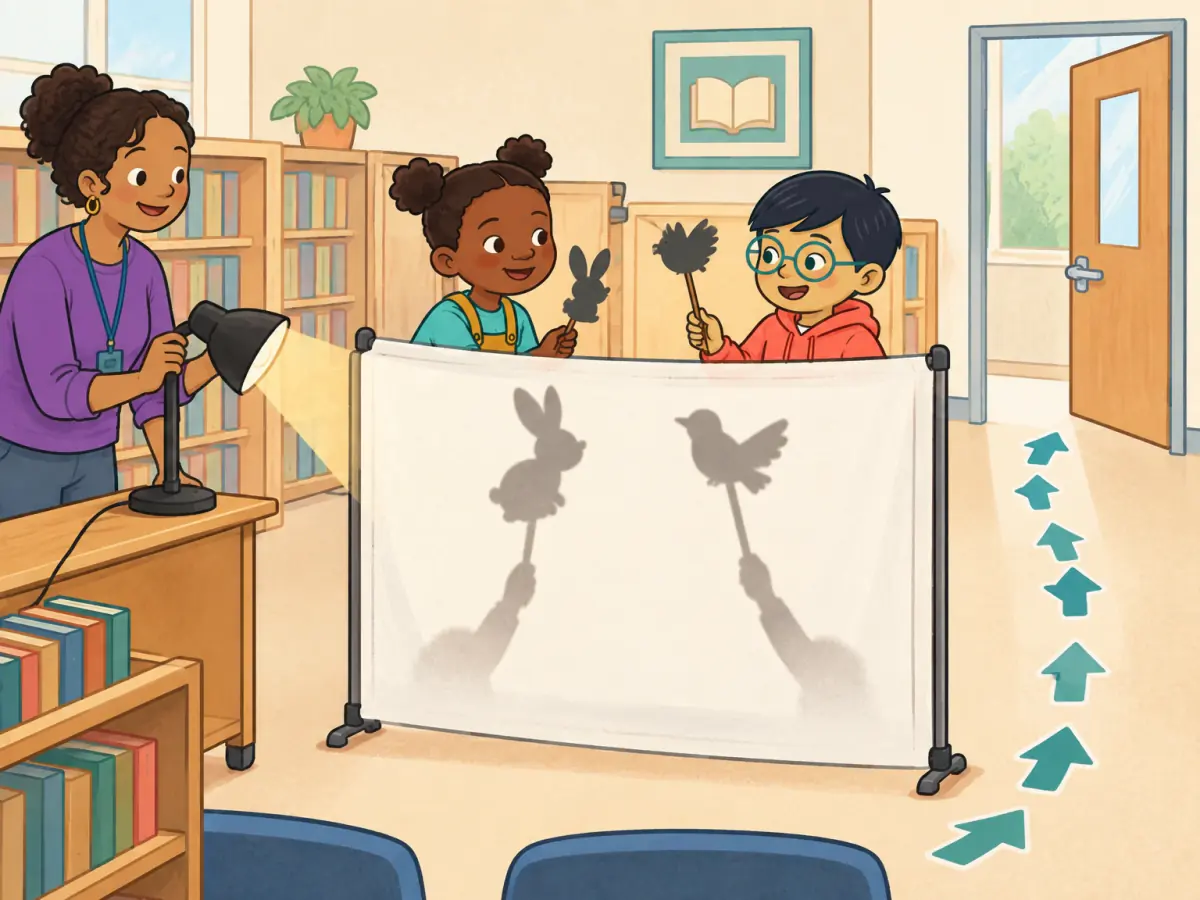
A supervised library shadow event uses paper puppets, sticks, a white screen and a marked indoor route.

THE LIBRARY SHADOW EVENT

Our popular puppet event is in the library hall. From the park gate, go straight on to the roundabout, then turn right because the library's side door is there. Inside, an adult places a bright light behind a white screen. Each child can lift up one paper puppet with a stick and add a funny voice. Follow the marked path so nobody gets lost in the dark hall.

Writer’s studio

Nia gives directions while Leo moves a small lantern token from a start tree to a picnic shelter. A wrong turn and return arrow show getting lost, going back and hurrying safely with an adult.

Nia What will you write about?

Leo I will write an invitation to our lantern walk.

Nia What does your friend need to know?

Leo The day, the place and the way to get there.

How can a friend join?

Come to our lantern walk on Friday! Meet at the library gate. Go straight on and turn right at the roundabout because the park entrance is there.

  • Turn left at the roundabout.
  • Go straight on.
  • We have to wait at the light.
Bu üniteyi öğren
Nasıl öğrenmek istersin?

Yol kelimeleri: yönler ve yerler

Go straight on “düz devam et”, go back “geldiğin yoldan geri dön” demektir. Roundabout, arabaların çember çizerek döndüğü göbekli kavşaktır; petrol station (Amerikan İngilizcesinde gas station) ise benzin istasyonudur. Hurry “acele et” demektir, ama karşıdan karşıya koşarak geçmek için asla bir sebep değildir.

  • Yönler: turn left (sola dön), turn right (sağa dön), go straight on, go back
  • Yerler: roundabout, traffic light, petrol station
  • Yolda: read a map (harita okumak), get lost (kaybolmak), hurry

Yol tarifi: cümle fiille başlar

Yol tarifi fiille başlar ve “you” gerekmez: “Turn left.” “Go straight on.” Sonra yeri ekleyin: döneceğiniz nokta için at (“Turn left at the roundabout.”), nereye kadar gideceğiniz için to (“Go straight on to the roundabout.”). İki adımı then ile bağlayın: “Go straight on, then turn right.” Türkçede “sola dön” dediğimiz için çocuklar sık sık “turn to left” der; İngilizcede “Turn left.” yeterlidir. Dinleyen kişi evet/hayır sorusuyla emin olabilir.

Nia Go straight on to the roundabout.

Leo Do I turn left there?

Why…? Because…: sebep söylemek

Geçmişteki bir şeyin sebebini sormak için Why did + kişi + fiilin yalın hâli kullanılır: “Why did you go back?” denir, “Why you went back?” değil. Cevap, Türkçedeki “çünkü” gibi because ile başlar: “Because we had to find the right path.”

Konuşurken tek başına Because… cevabı doğaldır. Yazarken sebebi ana fikre bağlayın: “We went back because we took the wrong road.”

Nia Yes. Yesterday we took the wrong road and went back.

Leo Why did you go back?

Nia Because we had to find the right path.

Leo Now we won't get lost.

Have to ve had to: yapılması gerekenler

Have to, Türkçedeki “-mek zorunda” gibi bir şeyin gerekli olduğunu söyler: “We have to wait at the light.” He, she ya da bir isimle has to olur; geçmiş için herkesle had to kullanılır: “We had to find the right path.” Sorularda do ya da did gelir: “Do we have to walk with an adult?” Hızlı söylenince have to “hafta” gibi duyulur, ama have to diye yazılır.

Yol tarifli bir davetiye yazmak

İyi bir davetiye arkadaşa dört şey söyler: etkinlik ve gün, buluşma yeri, yol ve bir sebep. Kimse kaybolmasın diye tek bir başlangıç noktası ve tek bir yol seçin. Çocuğunuz bu planı korusun, her ayrıntıyı kendine göre değiştirsin.

  • “Come to our lantern walk on Friday!”
  • “Meet at the library gate.”
  • “Go straight on and turn right at the roundabout because the park entrance is there.”
  • “You have to bring a coat because it gets cold in the evening.”
Bu üniteyi kendi yolunla öğren

Yazım ipucu: kelime sonunda ck mi, c mi?

Kelime sonundaki k sesinin iki yaygın yazılışı var: kısa ünlülü tek heceli kelimelerde ck, -ic ile biten daha uzun kelimelerde yalnızca c. Türkçede bu ses hep k ile yazıldığı için bu ayrım çocuklara yenidir. Karar vermek için heceleri alkışlayın.

  • ck: neck, duck, clock, rock
  • c (-ic): plastic, picnic, music, comic

Sık yapılan hatalar ve kolay düzeltmeleri

A2 seviyesinde normaldir: cümleyi doğru hâliyle tekrar edin ve devam edin.

  • “Turn to left.”: “to” gerekmez: “Turn left.”
  • “Why you went back?”: did ekleyin: “Why did you go back?”
  • “Yesterday we have to wait.”: geçmiş zamanda had to olur: “Yesterday we had to wait.”
  • “She have to wait.”: he, she ya da bir isimle: “She has to wait.”
  • Davetiyede gün ya da buluşma yeri yok: paylaşmadan önce dört parçayı da kontrol edin.

Evde yol tarifi oyunu

Kâğıda evinizin kapısı, hayalî bir göbekli kavşak, bir trafik ışığı ve bir park olan basit bir harita çizin ve bir yere küçük bir oyuncak saklayın. Siz bir bozuk parayı ilerletirken çocuğunuz tarif versin: “Go straight on, then turn left at the traffic light.” Bilerek yanlış yöne gidin; çocuğunuz “Why did you go back?” diye sorsun, siz de because ile cevap verin. Sonra rolleri değişin.

Oyunu bir aile etkinliği için gerçek bir davetiyeyle bitirin, örneğin pazar pikniği: dört cümle ve bir because.

Sonraki adım

Sonra çocuğunuz bir yerin nerede olduğunu söyleyebilir: “The library is on your right.” Daha sonra because ile verilen sebebin yanına so ile verilen sonuç gelir: “It was dark, so we went back.”

Sık sorulan sorular

“Go straight on” mu, “go straight ahead” mi?

İkisi de doğrudur. “Go straight on” İngiliz İngilizcesinde çok yaygındır; “go straight ahead” ve “go straight” her yerde yaygındır.

İngilizcede bir cümle “because” ile başlayabilir mi?

Evet. “Why?” sorusuna verilen konuşma cevabı çoğu zaman because ile başlar: “Because we got lost.” Yazarken onu bir ana fikre bağlayın: “We went back because we got lost.” ya da “Because we got lost, we went back.”

“Have to” ile “had to” arasındaki fark nedir?

“Have to” şimdi ya da her zaman gerekli olan bir şey içindir: “We have to wait at the light.” “Had to” onun geçmiş hâlidir: “We had to find the right path.”

Bu üniteyi öğren
Nasıl öğrenmek istersin?

Sırada ne var?

Canlı öğretmenle öğrensin

Flalingo çocuk derslerinde çocuğunuz bu tür üniteleri canlı bir öğretmenle birebir, aynı ekrandaki oyunlarla çalışır.

Ücretsiz deneme dersi alın