
İçeriğe geç
Flalingo

İngilizce pratiği

IELTS Academic Writing Task 1 süreç şeması: overview nasıl yazılır, passive nasıl kullanılır?

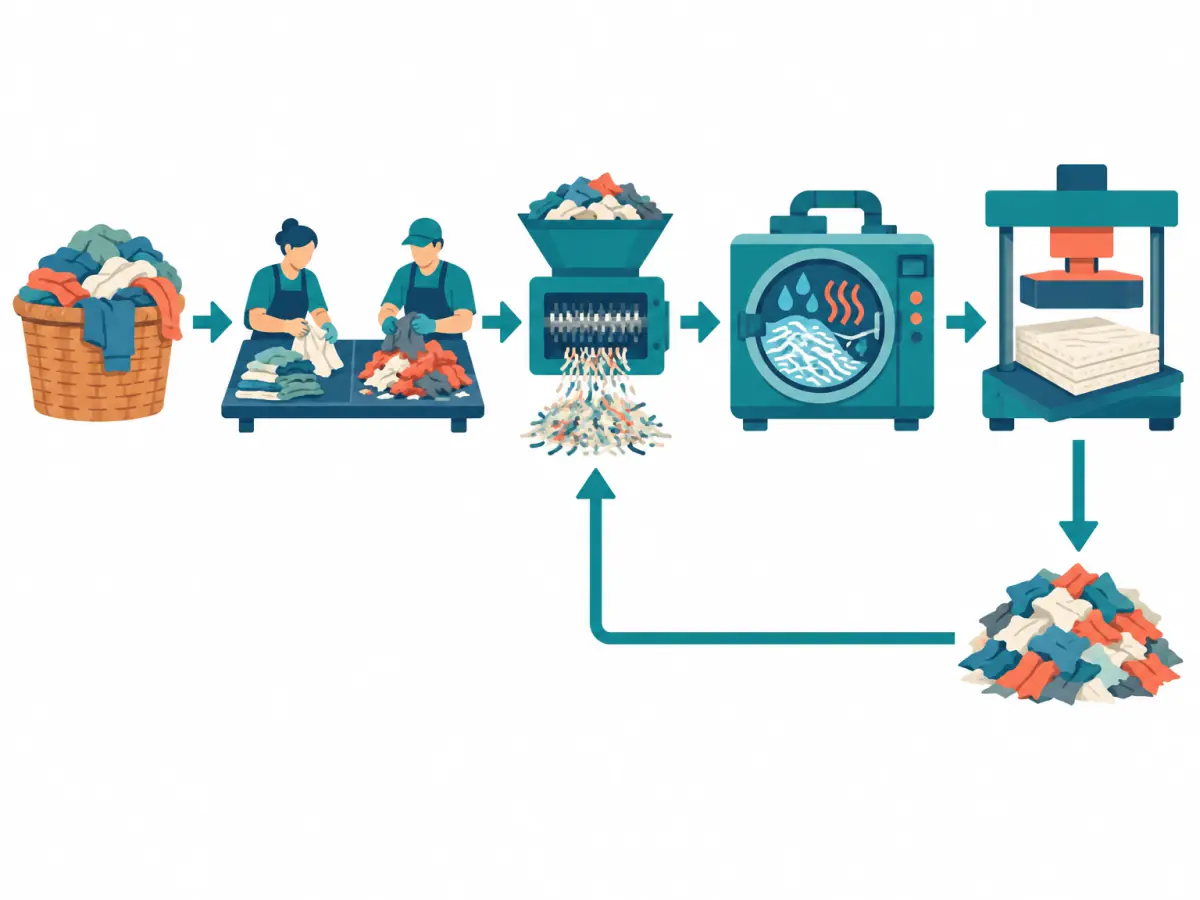
Material recovery cycle

IELTS Academic Writing Task 1’de süreç şeması nasıl anlatılır: girdiyi, ürünü ve geri dönüş döngüsünü bulmak, önce overview yazmak, aşamaları gruplamak ve edilgen yapıyı (passive) seçmek. B2 ve üstü adaylar için.

IELTS Academic Writing Task 1’de süreç şeması rakam değil, aşama gösterir. Sürece neyin girdiğini, sonunda ne çıktığını ve bir kısmının geri dönüp dönmediğini söyleyen bir overview ile başlayın. Ardından her aşamayı sırasıyla, iki paragrafta gruplayarak ve çoğunlukla edilgen yapıyla (passive) anlatın: önemli olan malzemedir, onu kimin işlediği değil. Şemanın göstermediği bir neden ya da görüş eklemeyin. Bu yazı en az orta üstü (B2) seviyede İngilizce bilen IELTS Academic adayları içindir.

Bu yazı kimin için?

  • Grafik ve tablolarda rahat olan ama Task 1’de rakam yerine aşamalar görünce takılan adaylar.
  • Süreç raporları etiket listesine benzeyen, her adımın başına “then” koyanlar.
  • Bir cümlede passive, ötekinde active kullanıp nedenini bilmeyenler ya da geri dönüş okunu yanlış aşamaya bağlayanlar.
  • Henüz erken: Daha önce hiç Task 1 overview’u yazmadıysanız aşağıdaki çizgi grafik yazısıyla başlayın; aynı alışkanlığı rakamlarla kazandırır.
  • Fazla kolay: Süreç raporlarınız zaten doğruysa Writing Task 2’deki argüman paragraflarına geçin (aşağıdaki bağlantılar).

Örnek sayfaları açın

Örnek sayfaları açın

Kelime kartları

active versus passive focus

Choose active for the agent and passive for the receiver or stage.

Workers sort the glass. The glass is sorted by colour.

passive across tenses

Build the passive with the correct form of be plus a past participle.

The leaves are dried; the old shed was removed.

by-agent: include or omit

Name the agent only when it adds useful information.

The samples are sealed. They are checked by an independent technician.

passive infinitive and gerund

Use to be done or being done when the action receiver stays in focus.

The fibre needs to be washed before being pressed.

Örnek konuşma

What belongs in the overview?

Used cotton is prepared and transformed into insulation panels, while offcuts are returned to an earlier stage.

The overview states input, product and cyclic feature.

  • is prepared
  • is transformed
  • are returned

Cümle yapısı

Which focus fits the diagram?

The selected cloth is shredded, then the fibre is washed and dried before being pressed into panels.

The passive keeps the material and stages in focus.

  • is shredded
  • is washed and dried
  • being pressed

Diğer alıştırmalar

Follow the complete cycle

Material recovery cycle

What belongs in the overview?

Used cotton is prepared and transformed into insulation panels, while offcuts are returned to an earlier stage.

The overview states input, product and cyclic feature.

  • is prepared
  • is transformed
  • are returned

Cotton recovery stages

  1. Used cotton cloth is collected
  2. Cloth is sorted by fibre condition
  3. Suitable cloth is shredded
  4. Fibre is washed and dried
  5. Fibre is pressed into insulation panels
  6. Offcuts return to shredding

Structure controls

  • Start: collection
  • Main transformation: shredding → washing/drying → pressing
  • End product: insulation panels
  • Cycle: the return arrow takes offcuts back to the shredder (stage 3)

Check the evidence

Material recovery cycle

Cotton recovery stages: 1 Used cotton cloth is collected; 2 Cloth is sorted by fibre condition; 3 Suitable cloth is shredded; 4 Fibre is washed and dried; 5 Fibre is pressed into insulation panels; 6 Offcuts return to shredding

Structure controls: Start: collection; Main transformation: shredding → washing/drying → pressing; End product: insulation panels; Cycle: offcuts return to stage 3

Cotton recovery stages

  1. Used cotton cloth is collected
  2. Cloth is sorted by fibre condition
  3. Suitable cloth is shredded
  4. Fibre is washed and dried
  5. Fibre is pressed into insulation panels
  6. Offcuts return to shredding

Structure controls

  • Start: collection
  • Main transformation: shredding → washing/drying → pressing
  • End product: insulation panels
  • Cycle: offcuts return to stage 3
  1. What is the process input?

    Cevabı ve açıklamayı göster

    used cotton cloth

    Collection begins with used cotton cloth.

  2. Which stage directly precedes pressing?

    Cevabı ve açıklamayı göster

    washing and drying

    The visible sequence puts washing and drying before pressing.

  3. What makes the process partly cyclical?

    Cevabı ve açıklamayı göster

    Offcuts return to shredding.

    The return arrow connects offcuts to stage 3.

Describe Process Stages: transfer

Material recovery cycle

Cotton recovery stages

  1. Used cotton cloth is collected
  2. Cloth is sorted by fibre condition
  3. Suitable cloth is shredded
  4. Fibre is washed and dried
  5. Fibre is pressed into insulation panels
  6. Offcuts return to shredding

Structure controls

  • Start: collection
  • Main transformation: shredding → washing/drying → pressing
  • End product: insulation panels
  • Cycle: offcuts return to stage 3

Build connected process prose

Collection staff receive the cloth. Workers inspect it and remove unsuitable material. Machines shred the selected cloth. A closed system washes and dries the fibre. A press shapes it into panels. Staff return offcuts to the shredder.

Which focus fits the diagram?

The selected cloth is shredded, then the fibre is washed and dried before being pressed into panels.

The passive keeps the material and stages in focus.

  • is shredded
  • is washed and dried
  • being pressed

Cotton recovery stages

  1. Used cotton cloth is collected
  2. Cloth is sorted by fibre condition
  3. Suitable cloth is shredded
  4. Fibre is washed and dried
  5. Fibre is pressed into insulation panels
  6. Offcuts return to shredding

Structure controls

  • Start: collection
  • Main transformation: shredding → washing/drying → pressing
  • End product: insulation panels
  • Cycle: offcuts return to stage 3

Check the evidence

Collection staff receive the cloth. Workers inspect it and remove unsuitable material. Machines shred the selected cloth. A closed system washes and dries the fibre. A press shapes it into panels. Staff return offcuts to the shredder.

Cotton recovery stages

  1. Used cotton cloth is collected
  2. Cloth is sorted by fibre condition
  3. Suitable cloth is shredded
  4. Fibre is washed and dried
  5. Fibre is pressed into insulation panels
  6. Offcuts return to shredding

Structure controls

  • Start: collection
  • Main transformation: shredding → washing/drying → pressing
  • End product: insulation panels
  • Cycle: offcuts return to stage 3
  1. Which sentence keeps the material in focus?

    Cevabı ve açıklamayı göster

    The selected cloth is shredded.

    The passive subject is the material shown in the process.

  2. When is a by-agent useful?

    Cevabı ve açıklamayı göster

    when the agent adds relevant information

    A by-agent is omitted when it is unknown or unimportant.

  3. Which sequence is accurate?

    Cevabı ve açıklamayı göster

    Fibre is washed and dried before pressing.

    That order matches stages 4 and 5.

Control Passive Focus and Sequence: transfer

Material recovery cycle

Cotton recovery stages

  1. Used cotton cloth is collected
  2. Cloth is sorted by fibre condition
  3. Suitable cloth is shredded
  4. Fibre is washed and dried
  5. Fibre is pressed into insulation panels
  6. Offcuts return to shredding

Structure controls

  • Start: collection
  • Main transformation: shredding → washing/drying → pressing
  • End product: insulation panels
  • Cycle: offcuts return to stage 3
Bu üniteyi öğren
Nasıl öğrenmek istersin?
Hesabın var mı?

Ücretsiz hesap bir üniteyi kalıcı olarak açar.

Süreç şeması sizden ne ister?

Süreç şeması bir şeyin nasıl üretildiğini ya da değiştiğini aşama aşama gösterir. Bunu en az 150 kelimede, görüş eklemeden ve dört parçada özetleyin:

  • Giriş: şemanın ne gösterdiği, kendi kelimelerinizle.
  • Overview: girdi, son ürün ve varsa döngü.
  • 1. ayrıntı paragrafı: ilk aşama grubu.
  • 2. ayrıntı paragrafı: kalan aşamalar ve varsa geri dönüş döngüsü.

Şemayı okuyun: girdi, ürün, dönüş noktası

Bu sayfadaki alıştırma şeması pamuğun geri kazanımını gösteriyor. Yazmadan önce girdiyi (kullanılmış pamuklu kumaş), son ürünü (yalıtım panelleri) ve geri dönüş okunun bittiği yeri bulun: ok toplama aşamasına değil, 3. aşamaya, parçalamaya döner.

Şema hiçbir neden, süre ya da miktar vermiyor; sizin raporunuz da vermemeli. Etiketler şöyle:

  • 1. “Used cotton cloth is collected”
  • 2. “Cloth is sorted by fibre condition”
  • 3. “Suitable cloth is shredded”
  • 4. “Fibre is washed and dried”
  • 5. “Fibre is pressed into insulation panels”
  • 6. “Offcuts return to shredding”

Önce overview’u yazın

Task 1 değerlendirme ölçütleri ana eğilimlerin, farkların ya da aşamaların net bir özetinden söz eder. Bir süreçte bu, girdi, ürün ve döngü demektir; makineler ve küçük adımlar buraya girmez.

Sayfadaki ses kayıtlı örnek “What belongs in the overview?” diye soruyor ve “Used cotton is prepared and transformed into insulation panels, while offcuts are returned to an earlier stage.” diye cevaplıyor.

Bu süreci kısmen döngüsel yapan ne?

Aşamaları iki paragrafta gruplayın

Süreci malzemenin en çok değiştiği yerden bölün: parçalamadan önceki hazırlık ve parçalamayla başlayan dönüşüm.

  • Hazırlık: “First, used cotton cloth is collected and sorted according to the condition of its fibres.”
  • Dönüşüm: “Suitable cloth is then shredded, after which the fibre is washed and dried before being pressed into insulation panels.”
  • Döngü: “Any offcuts are returned to the shredding stage.”
  • Tek fiilli altı cümle liste gibi okunur; cümle başına iki üç fiil ise rapor gibi.

Passive mi active mi: odağı seçin

Süreç raporu malzemeyle ilgilidir; bu yüzden özne çoğunlukla malzemedir: “Workers sort the glass. The glass is sorted by colour.” Passive cümle odağı camda tutar. Sayfadaki her kartın ses kaydı var.

  • Yapı: be + past participle; zamanı be taşır: “The leaves are dried; the old shed was removed.” Düzenli işleyen bir süreç için present simple kullanın. Türkçede edilgenlik fiile eklenen bir ekle kurulur (toplanır, kurutulur), İngilizcede ise iki parça gerekir; bu yüzden “is” düşmemeli.
  • Yapan (agent): “by …” ifadesini yalnızca bilgi kattığında ekleyin. “The samples are sealed. They are checked by an independent technician.” örneğinde “by an independent technician” bilgi verir; “by workers” vermezdi. Türkçedeki “tarafından” gibi çoğu zaman gereksizdir.
  • Fiilden ve edattan sonra: “The fibre needs to be washed before being pressed.” örneğinde hem edilgen mastar (passive infinitive) hem edilgen -ing biçimi (passive gerund) var. “Needs washing” da doğrudur.
  • Doğal süreçler çoğu zaman active kalır: “the eggs hatch”. Nesnesiz kullanılan bir fiilin passive biçimi olmaz.
Bu üniteyi kendi yolunla öğren

Sırayı koruyan bağlaçlar

Bağlaçlar oklarla örtüşmelidir. Sayfadaki ikinci ses kayıtlı örnek “Which focus fits the diagram?” diye soruyor ve “The selected cloth is shredded, then the fibre is washed and dried before being pressed into panels.” diye cevaplıyor.

  • “First”, “next”, “after that”, “finally”: çeşitlendirin ama üst üste yığmayın.
  • “Once” + present perfect passive: “Once the fibre has been dried, it is pressed into panels.”
  • “before” ya da “after” + “being” + past participle: “after being sorted”.
  • “Fibre is washed and dried before pressing” doğrudur; “Panels are pressed before washing” değildir.

Puan kaybettiren hatalar

Her alıştırma raporunda şunları arayın:

  • Girdisi, ürünü ya da döngüsü olmayan bir overview.
  • Yanlış aşamaya bağlanmış bir geri dönüş oku.
  • Passive biçimi olmayan bir fiile passive yüklemek: “is consisted of”, “was happened”.
  • Düşmüş bir “be”: “The cloth sorted by condition”.
  • Şemanın vermediği nedenler: “to protect the environment”.

20 dakikalık sınav rutini

Haftada üç kez, tek bir şemayla ve süre tutarak:

  • 3 dakika: girdiyi, ürünü, bütün okları ve varsa dönüş noktasını işaretleyin.
  • 2 dakika: iki aşama grubunu seçin ve overview’u yazın.
  • 12 dakika: giriş, overview, iki ayrıntı paragrafı.
  • 3 dakika: aşama sırasını, her “be”yi ve “shredded”, “dried” gibi yazımları kontrol edin.
  • Sonra süreci, yalnızca önemli olan yapanları (agent) anarak sesli anlatın.

Sırada ne var?

Haritalar da raporlanacak veri içermeyen bir Task 1 görselidir: aynı yerin iki planı, “was converted into” ve “was replaced by” gibi past passive yapılarla anlatılır. Ardından Writing Task 2, kanıtın desteklediğinden fazlasını iddia etmeyen argümanlar ister.

Sık sorulan sorular

IELTS süreç şemasında passive kullanmalı mıyım?

İnsan eliyle yürütülen süreçlerde çoğunlukla evet; çünkü önemli olan malzemedir, onu kimin işlediği değil. Doğal döngüler çoğu zaman active kalır.

IELTS süreç şemasındaki her aşamayı anlatmam gerekir mi?

Evet; ayrıntı paragraflarında, sırasıyla ve gruplayarak. Overview ise yalnızca girdiyi, ürünü ve varsa döngüyü söyler.

IELTS Task 1 süreç cevabı ne uzunlukta olmalı?

Yaklaşık 20 dakikada en az 150 kelime. Task 2 puana iki kat etki eder; deneme yazısının süresini koruyun.

Flalingo, IELTS sınavını yürüten kuruluşlarla bağlantılı değildir ve bu kuruluşlar tarafından onaylanmamıştır.

Bu üniteyi öğren
Nasıl öğrenmek istersin?
Hesabın var mı?

Ücretsiz hesap bir üniteyi kalıcı olarak açar.

Sırada ne var?

Flai ile pratiğe devam et

Flai, Flalingo'nun sesli konuşmalar, düzeltmeler ve ders raporlarıyla pratik yapmaya yardımcı olan yapay zekâ destekli konuşma uygulamasıdır.

Canlı öğretmenle öğren

Flalingo derslerinde bu tür üniteleri canlı bir öğretmenle birebir çalışırsın.