

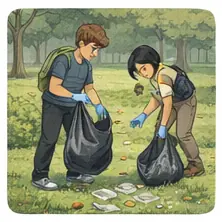
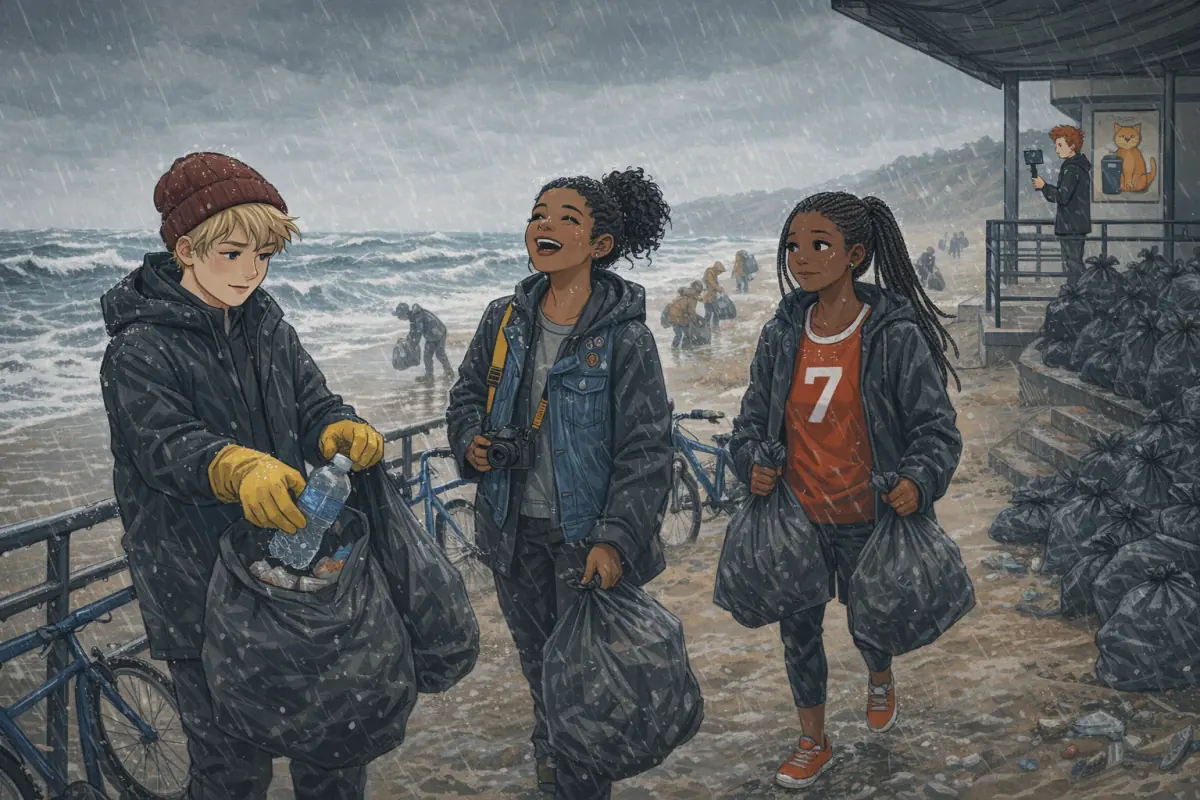
 litter-picking day
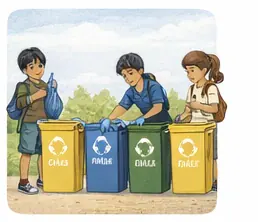 recycling competition
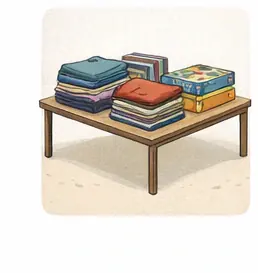 second-hand sale
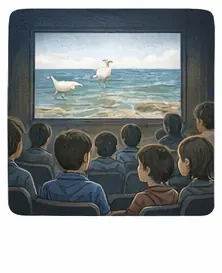 nature film night
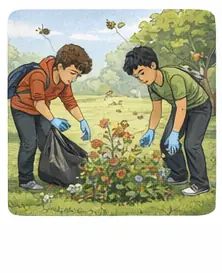 flowers for bees
말하기 Part 3에서는 무엇을 할까요?
말하기 시험은 다른 응시자와 함께, 시험관 두 명 앞에서 봐요. Part 3에서는 그림이 있는 종이를 받고, 아이디어에 대해 함께 이야기한 뒤 어떤 것이 가장 좋은지 결정해요. Part 4에서는 같은 주제로 두 사람에게 질문이 이어져요.
저희가 만든 연습 과제예요. “Your school wants more young people to help the environment. Here are some ideas. Talk together about the different ideas and say which one would be best.”
- “a litter-picking day”: 공원에서 쓰레기 줍기
- “a recycling competition”: 반끼리 누가 가장 많이 재활용하는지 겨루기
- “a second-hand sale”: 헌 옷과 게임을 버리지 않고 팔기
- “a nature film night”: 동물과 자연에 관한 영화 보기
- “flowers for bees”: 학교 주변에 벌이 좋아하는 꽃 심기
대화를 이어 가는 여섯 가지 표현
멋진 아이디어가 필요한 게 아니라, 대화를 함께 나눠 가져야 해요. 각 표현을 두 번 이상 쓰세요.
- 제안하기: “Why don’t we have …?”, “How about a …?”
- 이유 말하기: “… because everyone can take part.”
- 동의하기: “That’s a great idea.”, “Good point.”
- 이유와 함께 정중하게 반대하기: “I’m not sure about that.”, “I see what you mean, but …”
- 의견 묻기: “What do you think?”, “Which one do you prefer?”
- 결정하기: “So, we both agree.”, “In the end, the best idea is …”
들어 보세요: 제안부터 결정까지
두 학생이 학교 환경 주간에 할 아이디어 하나를 고르고 있어요. 첫 제안부터 마지막 결정까지 각 표현을 찾아보세요. “The … it is!”는 선택을 확정할 때 쓰는 친근한 말이에요.
학생 1 So, we need one idea for the school green week. Why don't we have a bike-to-school day?
학생 2 That's a great idea. I cycle every day anyway! But what about students who live far away?
학생 1 Good point. They could come by public transport instead.
학생 2 How about a no-plastic lunch day, too? Everyone brings food in boxes, not plastic bags.
학생 1 I'm not sure about that. Some families might not have boxes.
학생 2 I see what you mean. What do you think about the bike day, then?
학생 1 I think it's the best one, because everyone can take part.
학생 2 OK, so we both agree. The bike-to-school day it is!
if, unless, might로 이유 말하기
가장 빠르게 이유를 말하는 방법은 first conditional이에요. if + 현재형, 그다음에 will + 동사를 써요. if 바로 뒤에는 will이 오지 않아요. 덜 확실할 때는 might나 may를, “~하지 않으면”이라는 뜻으로는 unless를 써요.
- “If we have a recycling competition, lots of students will take part.”
- “If we plant flowers for bees, more bees will come to the school garden.”
- “A film night might be boring for students who don’t like films.”
- “Unless the school says yes, we can’t have the sale.”(학교가 허락하지 않으면 …)
이유를 더 강하게 만드는 환경 단어
단어는 함께 쓰이는 단어와 묶어서 외우세요.
- “pick up litter”(쓰레기를 줍다), “reduce waste”(쓰레기를 줄이다), “cause pollution”(오염을 일으키다)
- “recycle bottles and paper”, “a recycling bin”(재활용 통)
- “protect the beach”, “Plastic damages rivers.”
- “volunteers”(자원봉사자), “public transport”(대중교통), “second-hand clothes”(중고 옷)
흔한 실수와 고치는 법
연습할 때 이런 실수가 없는지 들어 보세요.
- “If we will plant flowers, more bees will come.” → “If we plant flowers, …”
- “How do you think?” → “What do you think?” 한국어 “어떻게 생각해?”를 그대로 옮기면 생기는 실수예요.
- “I’m agree.” → “I agree.” agree는 동사라서 am이 필요 없어요.
- “Let’s discuss about the ideas.” → “Let’s discuss the ideas.”
- “How about make a film night?” → “How about a film night?” 또는 “How about having …?”
- “Yes, I agree.”만 말하기 → “I agree, because …” 뒤에 새 의견 더하기
- 마지막에 결정이 없음 → “So, our final decision is …”
15분 연습 루틴
일주일에 두 번, 친구나 부모님과 해 보세요. 가능하면 녹음하세요.
- 2분: 상황을 하나 정하고(반 소풍, 환경 주간) 아이디어 다섯 개를 적어요.
- 4분: 토론해요. 각자 “What do you think?”를 적어도 두 번 물어요.
- 1분: 소리 내어 결정해요: “So, our final decision is …”
- 5분: 녹음을 들으며 이유와 질문의 수를 세고, if 문장 하나를 고쳐요.
- 3분: Part 4 같은 질문에 답해요: “Do you think young people can help to protect the environment?”
다음 단계
Part 4에서는 의견, 이유, 예시를 말하세요. 토론이 쉬워지면 쓰기 Part 2의 균형 잡힌 기사나 must와 don’t have to로 말하는 규칙으로 넘어가세요(아래 링크).