본문으로 바로가기
Flalingo

영어 연습

아이와 영어로 going to 계획과 예측 말하기 (A2, 9–12세): 주제문으로 쓰는 야생 동물 산책 계획

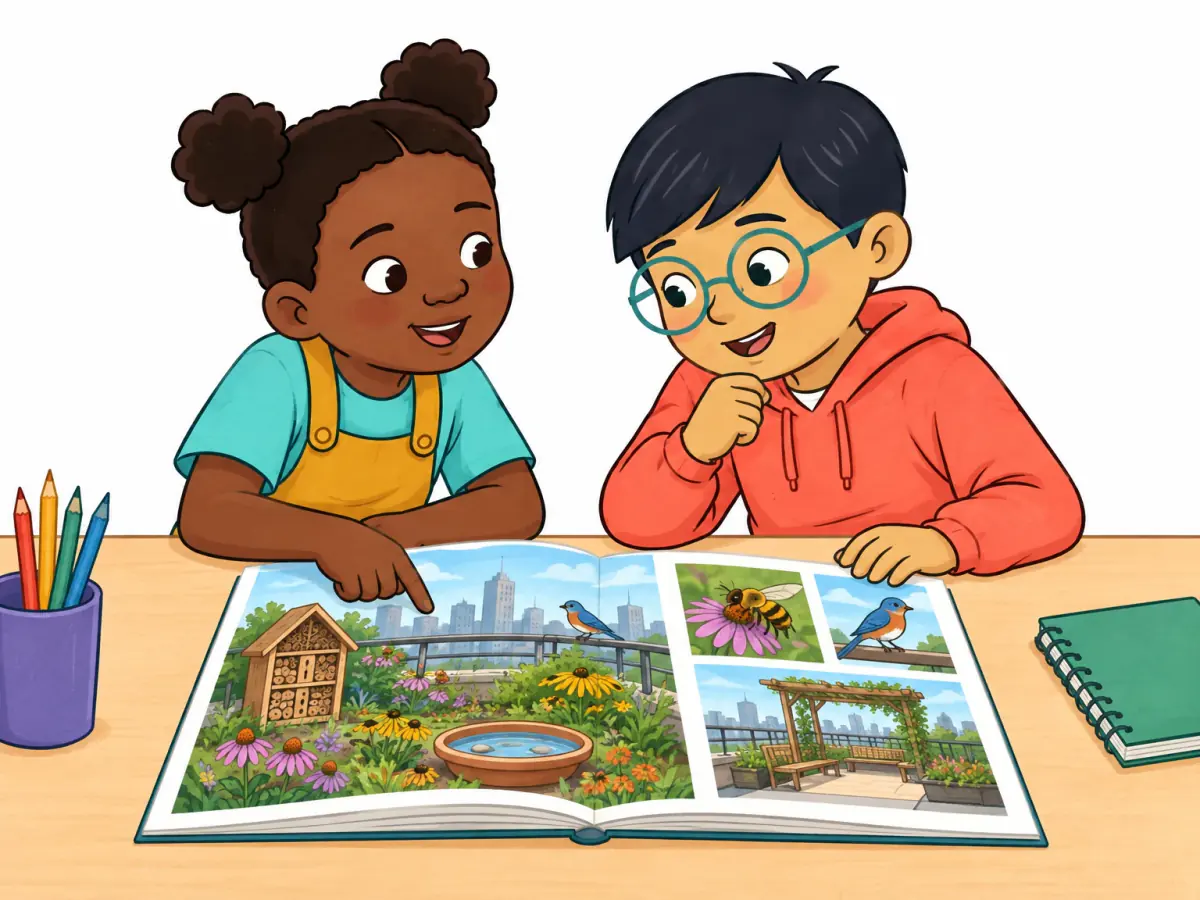
A wildlife article shows a city rooftop designed for insects and birds, with a shallow water dish, native flowers and observation area.

A2 단계 9–12세 아이가 going to로 계획과 눈앞의 근거에 따른 예측을 말하도록 도와주세요. “It’s going to rain.”부터, 문단마다 분명한 주제문으로 시작하는 두 문단짜리 야생 동물 산책 계획까지 다룹니다.

영어의 “going to”는 두 가지 일을 합니다. 이미 정한 계획(“We are going to observe the otters.”)과, 지금 보이는 것을 근거로 한 예측(“Look at those dark clouds! It is going to rain.”)입니다. 형태는 둘 다 같습니다: am, is, are + going to + 동사원형. 이 A2 주제는 간단한 문장을 이미 쓸 수 있는 약 9–12세 아이에게 알맞습니다. 마지막에는 문단마다 주제문으로 시작하는 두 문단짜리 야생 동물 산책 계획을 씁니다.

이 글이 맞는 분

  • 간단한 문장을 쓸 수 있는 아이의 부모님: 아이가 어제 한 일과 주말에 하고 싶은 일을 말할 수 있습니다.
  • 동물, 자연 산책, 동물원 나들이를 좋아하는 아이: 야생 동물 산책 계획이 문법에 진짜 목적을 줍니다.
  • 집에서 연습하고 싶은 부모님: 창문, 일기 예보, 연필이면 충분하고, 이 페이지의 카드에서 모든 단어를 들을 수 있습니다.
  • 아직 이른 경우: 두 생각을 and, but, so, because로 아직 잇지 못한다면 친환경 집 글의 연결어부터 시작하세요(아래 링크).
  • 너무 쉬운 경우: 분명한 첫 문장으로 계획을 문단별로 이미 쓸 수 있다면 뉴스 기사의 간접 화법으로 넘어가세요(아래 링크).

예시 학습 페이지 열기

예시 학습 페이지 열기

단어 카드

enclosure

a protected area where an animal is kept

picnic area

a place prepared for people to eat outdoors

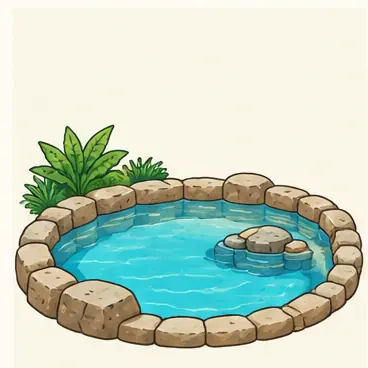
poolpool
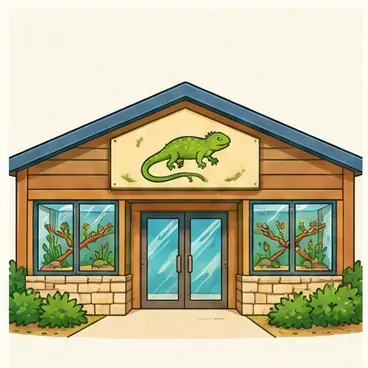
reptile housereptile house
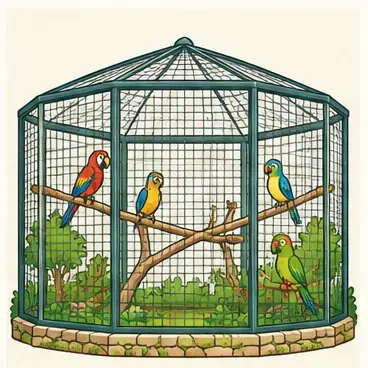
aviaryaviary
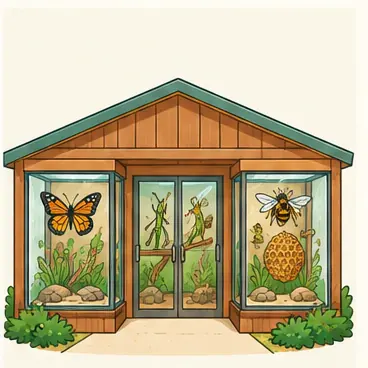
insect houseinsect house
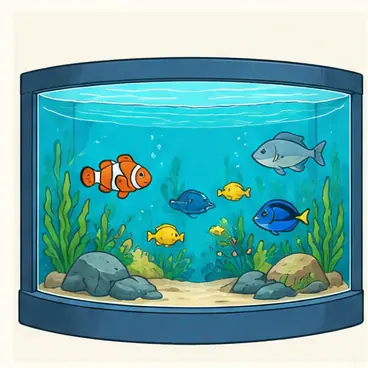
aquariumaquarium
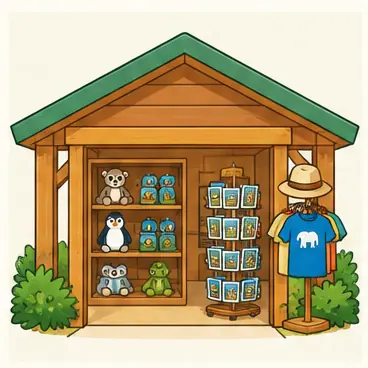
gift shopgift shop
What are you going to observe?

Study how this model connects form with meaning.

We are going to observe the otters, and it is going to get dark soon.

Study how this model connects form with meaning.

The keeper is going to check the enclosure.

Study how this model connects form with meaning.

I am not going to touch the animals.

Study how this model connects form with meaning.

대화

Leo What are you going to observe?

Nia We are going to observe the aviary. Look at those dark clouds! It is going to rain.

Nia What is the keeper going to do?

Leo She is going to check the enclosure.

Leo Are we going to feed the birds?

Nia No. We are going to watch from the path.

문장 형태

What are you going to observe?

We are going to observe the otters, and it is going to get dark soon.

  • The keeper is going to check the enclosure.
  • I am not going to touch the animals.

추가 연습

Use the contrast

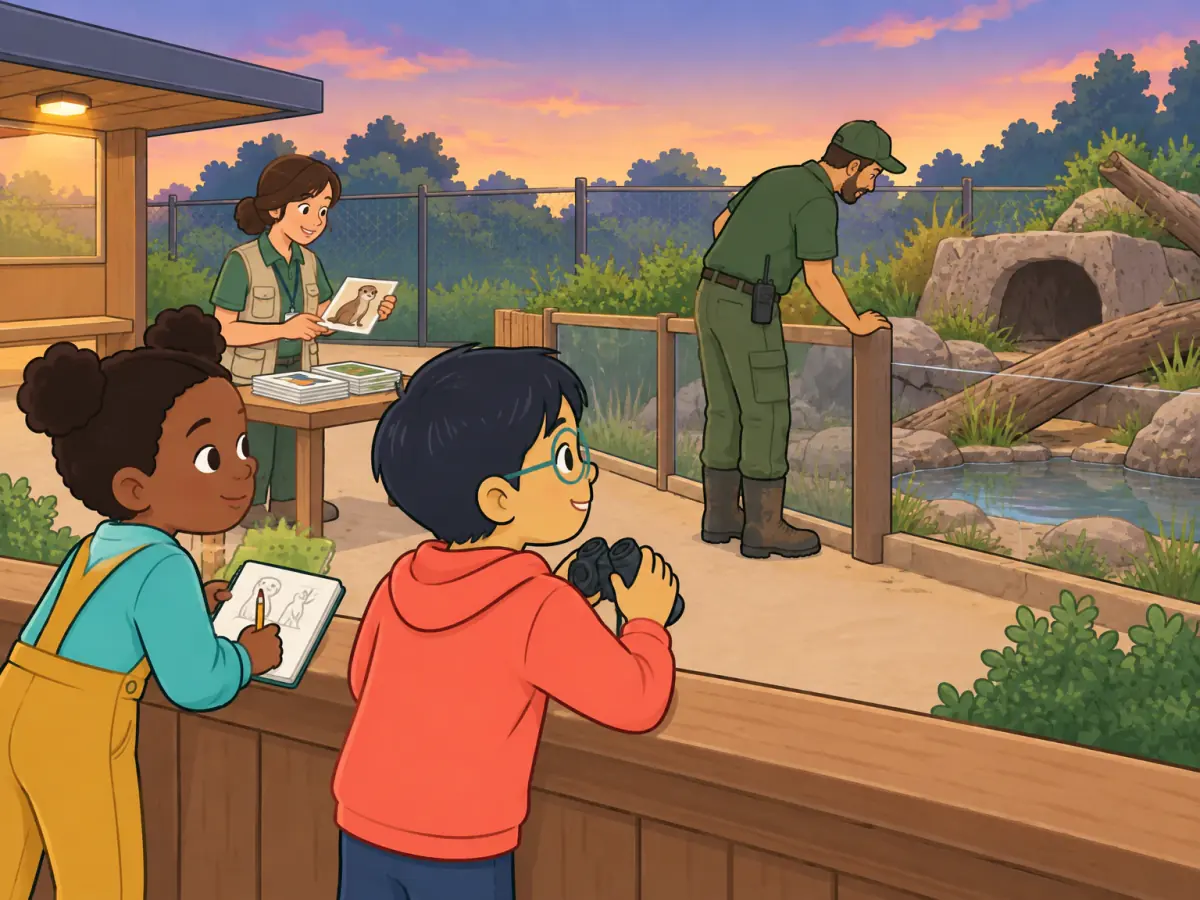
A twilight work plan shows an adult keeper checking an enclosure, a presenter preparing picture cards and Nia and Leo planning observations from behind a barrier.

Leo What are you going to observe?

Nia We are going to observe the otters, and it is going to get dark soon.

Nia What is the keeper going to do?

Leo He is going to check the enclosure.

Leo Are we going to feed the otters?

Nia No. We are going to watch from the path.

What are you going to observe?

We are going to observe the otters, and it is going to get dark soon.

  • The keeper is going to check the enclosure.
  • I am not going to touch the animals.

A small roof with many visitors

A wildlife article shows a city rooftop designed for insects and birds, with a shallow water dish, native flowers and observation area.

A SMALL ROOF WITH MANY VISITORS

One city library is going to turn a flat roof into a small wildlife stop. The first area will contain native flowers for insects. A shallow pool will provide water, and a covered corner will shelter birds. Visitors are going to watch from a marked path. The project is not a zoo: wild animals can arrive and leave freely. The main goal is to create a safe link between larger habitats.

Plan aloud

A wildlife article shows a city rooftop designed for insects and birds, with a shallow water dish, native flowers and observation area.

Nia What will each paragraph explain?

Leo The first paragraph will explain why the walk helps, and the second will say what we are going to do.

Leo How will each paragraph start?

Nia Each paragraph will start with a clear topic sentence.

What will each paragraph explain?

OUR TWILIGHT WILDLIFE WALK The walk will help visitors notice animals safely. First, we are going to observe insects near native flowers. Next, we will watch birds from the marked path. We are not going to touch or feed wildlife.

  • topic sentence
  • separate details
  • going to plan
  • safe article

Draft and revise

A wildlife article shows a city rooftop designed for insects and birds, with a shallow water dish, native flowers and observation area.

Nia Who will read your text?

Leo Families who visit the park will read my article.

Leo What will you check?

Nia I will check my spelling and punctuation.

What will each paragraph explain?

OUR TWILIGHT WILDLIFE WALK The walk will help visitors notice animals safely. First, we are going to observe insects near native flowers. Next, we will watch birds from the marked path. We are not going to touch or feed wildlife.

  • topic sentence
  • separate details
  • going to plan
  • safe article
이 단원 배우기
어떻게 배우고 싶나요?

이 주제의 야생 동물 공원 단어

enclosure는 동물을 두는, 울타리로 둘러싼 보호 공간입니다. 야생 동물 공원의 장소 이름 중에는 명사 두 개를 붙인 말이 많고, 영어에서는 보통 첫 단어에 강세를 둡니다: REPtile house, GIFT shop, PICnic area. 한국어는 단어 강세가 뚜렷하지 않으니 첫 단어를 조금 더 세게 말하는 연습을 해 보세요.

  • aviary – 새를 위한 큰 새장이나 건물, 조류관
  • aquarium – 물고기와 물속 동물을 위한 수족관
  • reptile house, insect house – 파충류관, 곤충관
  • pool – 수달이나 펭귄을 위한 연못
  • picnic area, gift shop – 소풍 장소와 기념품 가게

계획의 going to: 말하기 전에 이미 정한 일

이미 정한 일에는 am, is, are + going to + 동사원형을 씁니다: “The keeper is going to check the enclosure.” 말할 때는 앞부분이 보통 줄어듭니다: “We’re going to…”, “She’s going to…”. 한국어 “-(으)ㄹ 거예요”에는 be동사에 해당하는 말이 따로 없어서 아이들이 are를 빠뜨리기 쉽습니다. 노래에서 “gonna”를 들을 수도 있는데, 빠르고 편한 말투일 뿐이니 글에서는 “going to”를 모두 씁니다.

예측의 going to: 눈앞에 근거가 보일 때

같은 형태로, 말하는 사람이 지금 보는 근거를 바탕으로 예측도 합니다. 예를 들어 어두워지는 하늘을 보며: “It is going to get dark soon.” 아이에게 “무엇을 보고 그렇게 생각해?”라고 물어보세요. 대답이 있다면 going to가 맞습니다. 한국어 “-(으)ㄹ 거예요”도 계획(“관찰할 거예요”)과 예측(“비가 올 거예요”)을 모두 나타내니 연결하기 쉽습니다. “will”도 예측하지만 주로 짐작이고, 흔히 “I think”와 함께 씁니다: “I think it will be sunny tomorrow.” 아래에서는 한 대답이 두 가지 일을 모두 합니다.

Leo What are you going to observe?

Nia We are going to observe the aviary. Look at those dark clouds! It is going to rain.

질문, 부정문, 짧은 대답

질문할 때는 am, is, are를 앞으로 보냅니다: “Are we going to feed the birds?” 짧은 대답은 그 동사만 반복합니다: “Yes, we are.” “No, we aren’t.” 부정문은 “not”을 넣습니다: “I am not going to touch the animals.” 부정 계획은 좋은 안전 규칙이 됩니다.

Nia What is the keeper going to do?

Leo She is going to check the enclosure.

Leo Are we going to feed the birds?

Nia No. We are going to watch from the path.

-er, -or로 사람을 나타내는 단어

많은 동사가 -er이나 -or를 붙여 사람을 나타내는 단어가 됩니다. 한국어의 ‘-자’, ‘-가’와 비슷합니다: 동물을 돌보는(keep) 사람은 keeper, 사육사입니다. 두 어미는 소리가 같아서 철자를 하나씩 익혀야 합니다.

  • keep → keeper (사육사), sing → singer (가수)
  • present → presenter (진행자)
  • visit → visitor (방문객), act → actor (배우)
  • invent → inventor (발명가)
나에게 맞는 방법으로 이 단원 배우기

주제문: 중심 생각을 먼저

주제문은 문단을 열면서 그 문단이 무엇에 관한 것인지 알려 주고, 나머지 문장은 자세한 내용을 더합니다. 국어 시간에 배우는 ‘중심 문장’과 ‘뒷받침 문장’과 같은 생각입니다. 도서관 옥상에 관한 짧은 기사는 이렇게 시작합니다: “One city library is going to turn a flat roof into a small wildlife stop.” 그다음 곤충을 위한 꽃, 얕은 연못, 새를 위한 쉼터 같은 세부 내용이 이어집니다.

야생 동물 산책 계획은 두 문단이면 됩니다. 먼저 산책이 왜 도움이 되는지, 그다음 일행이 무엇을 할 것인지 씁니다. “The walk will help visitors notice animals safely.” “Here is what we are going to do. First, we are going to observe insects near native flowers. Next, we are going to watch birds from the marked path. We are not going to touch or feed any animals.”

계획은 결과가 아니라 의도를 말합니다: “We saved the birds.”가 아니라 “We are going to put up a bird box.”입니다.

흔한 실수와 쉬운 해결법

A2 단계에서는 자연스러운 실수입니다. 바른 문장으로 다시 말해 주고 계속하세요.

  • “We going to watch the birds.”: are를 넣습니다: “We are going to watch the birds.”
  • “It is going to rained.”: 동사원형을 씁니다: “It is going to rain.”
  • “The keeper are going to check it.”: 한 사람에게는 is를 씁니다.
  • “Visiter”, “inventer”: 이 둘은 -or로 끝납니다.
  • “There is a pool.” 같은 세부 내용으로 시작하는 문단: 중심 생각으로 시작하세요.

집에서 하는 놀이: 날씨 탐정과 나들이 계획가

나들이 전에 아이가 going to로 계획 세 가지와 “not”을 넣은 안전 규칙 하나를 말합니다. 그다음 창밖을 보며 근거가 있는 예측을 하나 합니다: “Look at the sky. It is going to rain, so we are going to take our coats.” 돌아와서 함께 확인하세요: 어떤 계획이 이루어졌고, 예측은 맞았나요?

다음 단계

다음은 공원 지도를 계획하며 예의 바르게 반대 의견 말하기, 그리고 짧은 뉴스 기사에서 다른 사람이 한 말을 전하기입니다.

자주 묻는 질문

“going to”와 “will”은 어떻게 다른가요?

going to는 말하기 전에 정한 계획이나 눈에 보이는 근거가 있는 예측(“It is going to rain.”)에 씁니다. will은 짐작(“I think it will be fun.”)이나 그 자리에서 내린 결정(“I’ll help you.”)에 흔히 씁니다.

“gonna”는 맞는 영어인가요?

빠르고 편한 말에서 going to가 그렇게 들리는 것입니다. 알아듣는 것은 좋지만 글에서는 전체 형태를 쓰세요. 또 동사 앞의 going to만 대신하므로 “I’m gonna the park”는 틀린 문장입니다.

주제문이란 무엇인가요?

문단이 무엇에 관한 것인지 알려 주는 문장으로, 보통 첫 문장입니다. 각 문단의 첫 문장만 읽어도 중요한 내용을 알 수 있어야 합니다.

이 단원 배우기
어떻게 배우고 싶나요?

다음에는 무엇을 할까요?

라이브 선생님과 함께 배워요

Flalingo 어린이 수업에서는 아이가 이런 단원을 라이브 선생님과 1:1로, 같은 화면의 게임으로 연습합니다.

무료 체험 수업 예약하기