본문으로 바로가기
Flalingo

영어 연습

아이와 영어로 제안하기 (A2, 9–12세): 재활용 안내문에서 Why not, How about, What about 쓰기

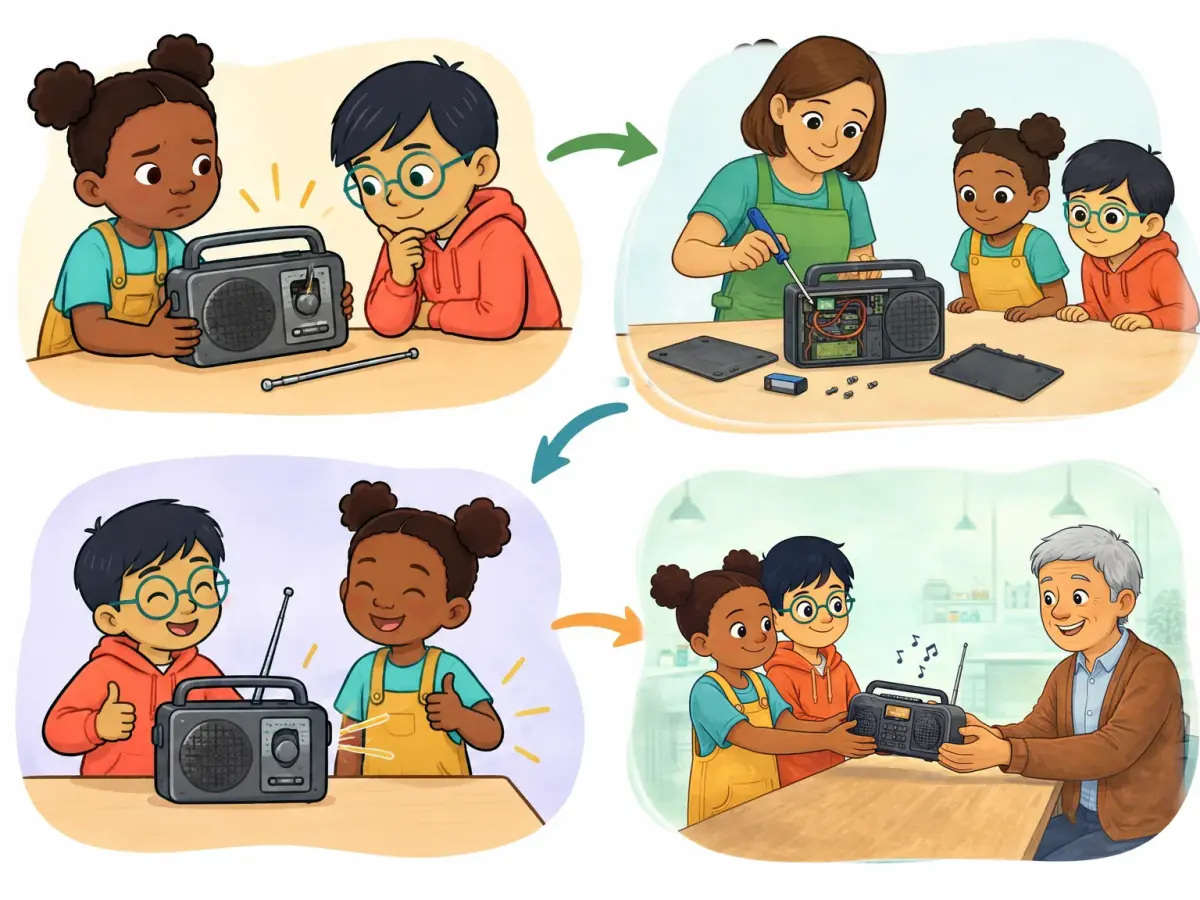
A four-panel repair-café story: the radio will not switch on, an adult volunteer opens it and removes the battery while two children watch, the radio plays again, and the children hand it back to its happy owner.

9–12세 아이가 A2 단계에서 Why not, How about, What about으로 영어 제안을 하고, will로 이유를 붙이며, 수리, 재사용, 재활용에 관한 세 가지 아이디어 안내문을 쓰도록 도와주세요.

영어로 제안할 때 아이들은 짧은 시작 표현 세 가지를 씁니다: “Why not” + 동사(“Why not repair a broken lamp?”), 그리고 “How about”이나 “What about” + -ing(“How about reusing carrier bags?”)입니다. 제안 뒤에는 보통 will로 이유를 붙입니다: “It will stay useful for longer.” 이 주제는 A2 단계로, 간단한 문장을 이미 쓰는 약 9–12세 아이에게 알맞습니다. 마지막에는 수리, 재사용, 재활용에 관한 안전한 아이디어 세 가지로 짧은 안내문을 만듭니다.

이 글이 맞는 분

  • 간단한 문장을 쓰는 아이의 부모님: 아이가 주말에 무엇을 할지, 왜 하는지 말할 수 있습니다.
  • 고치고, 만들고, 분류하기를 좋아하는 아이: 수리 안내문은 제안에 진짜 독자를 만들어 줍니다.
  • 집에서 연습하고 싶은 부모님: 고장 난 장난감, 빈 병, 분리수거함만 있으면 되고, 이 페이지의 카드에서 모든 단어를 들을 수 있습니다.
  • 아직 이른 경우: 두 생각을 “so”나 “because”로 아직 잇지 못한다면 친환경 집 글의 연결어부터 시작하세요(아래 링크).
  • 너무 쉬운 경우: 이유가 있는 제안을 도움 없이 쓴다면 야생 동물 관찰 계획의 주제문으로 넘어가세요(아래 링크).

예시 학습 페이지 열기

예시 학습 페이지 열기

단어 카드

recycling centre

a place that sorts used materials for recycling

bottle bank

a container where glass bottles are collected for recycling

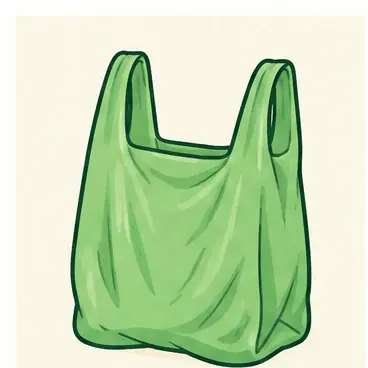
carrier bagcarrier bag
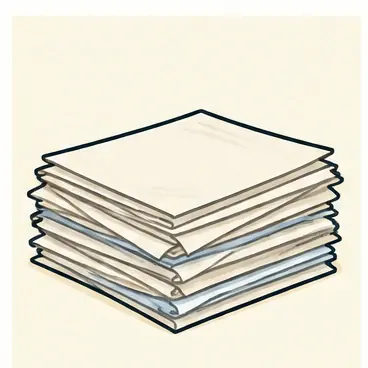
paperpaper
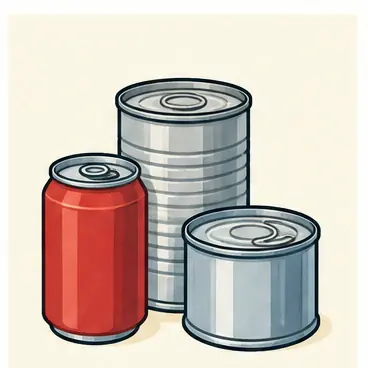
metalmetal
oiloil
batterybattery
chemicals

substances that need careful identification and safe handling

What will happen to the broken lamp?

Study how this model connects form with meaning.

We will repair it, and we are meeting the technician on Saturday.

Study how this model connects form with meaning.

We will not put batteries in this bin.

Study how this model connects form with meaning.

I am taking the bottles tomorrow.

Study how this model connects form with meaning.

대화

Nia What will happen to the broken lamp?

Leo We will repair it with the technician on Saturday. Before that, we are taking the bottles tomorrow afternoon.

Leo Will we take the batteries?

Nia Yes, but an adult will carry them safely.

Nia When are you visiting the bottle bank?

Leo I am going there tomorrow afternoon.

문장 형태

What will happen to the broken lamp?

We will repair it, and we are meeting the technician on Saturday.

  • We will not put batteries in this bin.
  • I am taking the bottles tomorrow.

추가 연습

Use the contrast

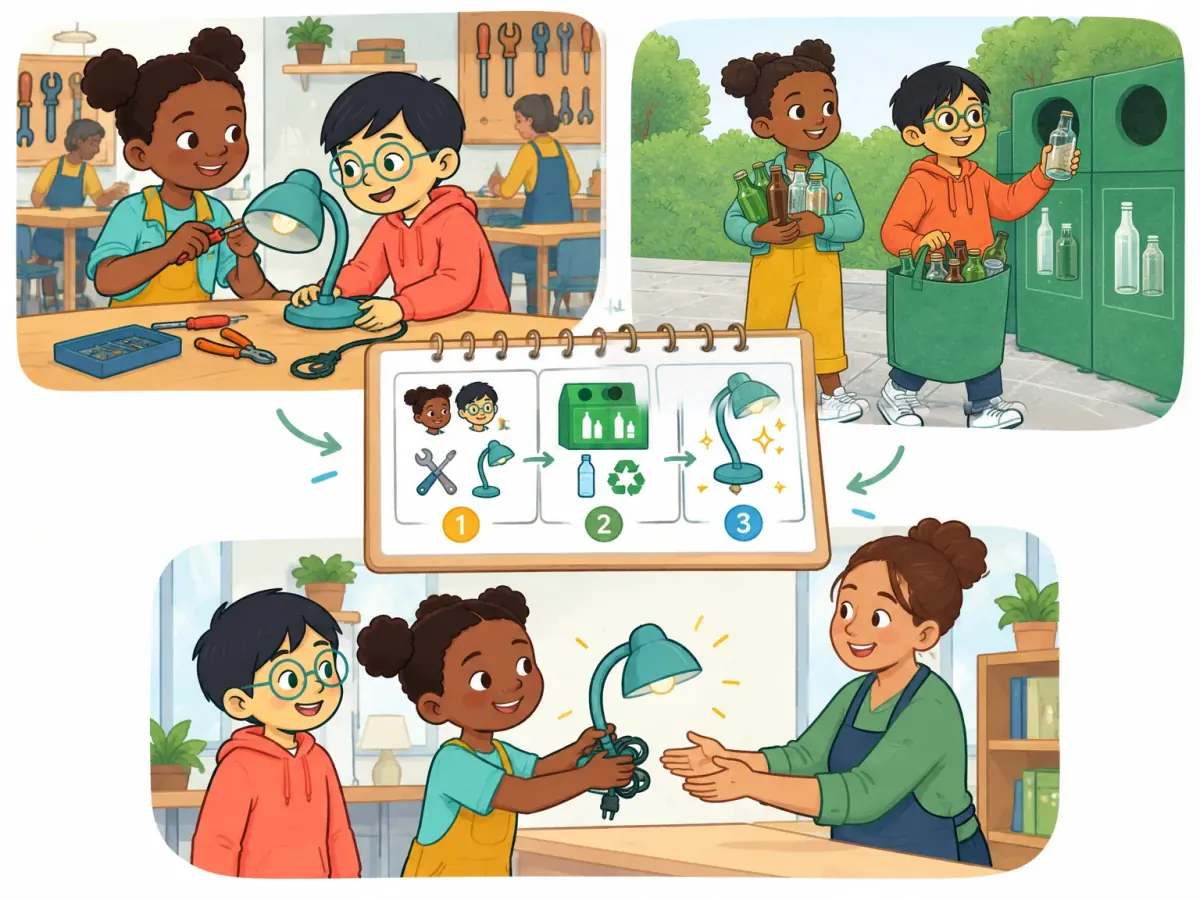
A weekend planning board: Nia and Leo repair a lamp at the repair café, take glass bottles and jars to the bottle bank, and hand the repaired lamp back to its owner.

Nia What will happen to the broken lamp?

Leo We will repair it, and we are meeting the technician on Saturday.

Leo Will we take the batteries?

Nia Yes, but an adult will carry them safely.

Nia When are you visiting the bottle bank?

Leo I am going there tomorrow afternoon.

What will happen to the broken lamp?

We will repair it, and we are meeting the technician on Saturday.

  • We will not put batteries in this bin.
  • I am taking the bottles tomorrow.

A radio gets another chance

A four-panel repair-café story: the radio will not switch on, an adult volunteer opens it and removes the battery while Nia and Leo watch, the radio plays again, and the children hand it back to its happy owner.

A RADIO GETS ANOTHER CHANCE

A radio at our repair café would not switch on. A volunteer first removed the battery safely. Next, she cleaned one loose connection and tested the radio. It played again, so it did not need recycling. The owner will reuse it at home. If it breaks beyond repair one day, a specialist centre will separate its metal, plastic and chemicals safely.

Plan aloud

A four-panel repair-café story: the radio will not switch on, an adult volunteer opens it and removes the battery while Nia and Leo watch, the radio plays again, and the children hand it back to its happy owner.

Nia What suggestions will your leaflet give?

Leo It will suggest three things: repair broken items, reuse bags and take batteries to a specialist centre.

Leo What will you add after each suggestion?

Nia I will add a reason for each one.

What suggestions will your leaflet give?

GIVE OBJECTS ANOTHER CHANCE Why not repair a broken item? It will stay useful for longer. How about reusing carrier bags and clean paper? This will reduce waste. What about taking batteries and oil to a specialist centre? It will keep dangerous chemicals out of ordinary rubbish.

  • heading
  • Why not / How about / What about
  • a reason for each suggestion
  • safe audience advice

Draft and revise

A four-panel repair-café story: the radio will not switch on, an adult volunteer opens it and removes the battery while Nia and Leo watch, the radio plays again, and the children hand it back to its happy owner.

Nia Who will read your text?

Leo Visitors to the repair café will read my leaflet.

Leo What will you check?

Nia I will check my spelling and punctuation.

What suggestions will your leaflet give?

GIVE OBJECTS ANOTHER CHANCE Why not repair a broken item? It will stay useful for longer. How about reusing carrier bags and clean paper? This will reduce waste. What about taking batteries and oil to a specialist centre? It will keep dangerous chemicals out of ordinary rubbish.

  • heading
  • Why not / How about / What about
  • a reason for each suggestion
  • safe audience advice
이 단원 배우기
어떻게 배우고 싶나요?

이 주제의 재활용·수리 단어

“recycling centre”는 쓰고 난 물건을 가져가 분류하는 재활용 센터이고, “bottle bank”는 유리병을 모으는 큰 수거함입니다. “repair café”는 자원봉사자가 고장 난 물건 고치는 일을 도와주는 모임으로, 보통 무료입니다.

“paper”, “metal”, “oil”은 셀 수 없는 명사입니다. 한국어에서 “종이 한 장”이라고 “장”을 붙이듯, 영어에서도 종이 한 장은 “a piece of paper”라고 합니다. “a paper”라고 하면 신문이라는 뜻이 됩니다.

  • carrier bag – 가게에서 받는 쇼핑백
  • battery – 건전지, 복수형은 batteries
  • chemicals – 어른이 조심해서 다뤄야 하는 화학 물질

제안하는 세 가지 방법

시작 표현마다 뒤에 오는 동사 모양이 다릅니다. “Why not” 뒤에는 “to” 없이 동사원형이 옵니다: “Why not repair a broken item?” 질문처럼 보이지만 이유를 묻는 말이 아니라 “고쳐 보면 어때?”라는 제안입니다. “How about”과 “What about” 뒤에는 -ing나 명사가 옵니다: “How about reusing carrier bags?” “What about a swap shelf for old toys?” 한국어 “다시 쓰는 게 어때?”에서 “쓰는 것”이 동사를 명사처럼 만들듯, -ing도 동사를 명사 모양으로 바꾼다고 설명하면 쉽습니다. 세 표현 모두 물음표로 끝나고, 상냥한 대답은 “Good idea!”입니다.

  • Why not + 동사: “Why not fix your bike?”
  • How about + -ing: “How about giving old books to the library?”
  • What about + -ing: “What about taking the bottles to the bottle bank?”
  • 이것도 자주 씁니다: “Why don’t you repair it?”

제안마다 이유 붙이기

다음 문장에서 어떤 좋은 점이 있는지 말해 줄 때 제안이 설득력을 얻습니다. A2 단계에서는 “It will…”이나 “This will…”을 쓰면 됩니다: “How about reusing paper? This will reduce waste.”

이유는 바로 그 행동을 설명해야 합니다. “Why not repair your bike? Glass can be recycled.”는 맞는 문장이지만 제안을 설명하지 못합니다. 아이에게 “사람들이 이렇게 하면 어떻게 될까?”라고 물어보세요. 그 대답이 이유입니다.

will일까, am/are + -ing일까? 앞으로 일어날 일 말하기

“will”은 결과나 결정을 말합니다: “What will happen to the broken lamp?” “We will repair it.” 부정은 “will not” 또는 “won’t”입니다: “We will not put batteries in this bin.”

am, is, are + -ing에 시간 표현을 붙이면 이미 정해 둔 계획이 됩니다: “I am taking the bottles tomorrow.” 한국어로는 “내일 병을 가져가요”처럼 현재형으로 말하기 때문에 아이들이 “I take the bottles tomorrow.”라고 하기 쉽습니다. “tomorrow”가 없으면 지금 하고 있는 일처럼 들립니다. 한 번 들은 뒤 “Which happens first, the bottles or the repair?”라고 물어보세요(답: the bottles).

Nia What will happen to the broken lamp?

Leo We will repair it with the technician on Saturday. Before that, we are taking the bottles tomorrow afternoon.

Nia When are you visiting the bottle bank?

Leo I am going there tomorrow afternoon.

re-로 시작하는 단어: 다시, 되돌려, 둘 다 아님

아이들은 re-가 언제나 “다시”라는 뜻이라고 생각하기 쉽습니다. “reuse”, “retell”, “rewrite”에서는 맞지만, “return”은 돌려주다, 돌아가다라는 뜻이고 “remove”는 그냥 치우다, 없애다라는 뜻입니다. “reuse”는 물건을 그대로 다시 쓰는 것이고, “recycle”은 재료를 가공해 새것으로 만드는 것입니다.

  • “Reuse the jar.” – 병을 연필꽂이로 쓰기
  • “Recycle the jar.” – 유리가 새 유리가 되기
나에게 맞는 방법으로 이 단원 배우기

짧고 안전한 안내문 쓰기

안내문은 학교 수리의 날에 오는 방문객처럼 실제 독자에게 말을 겁니다. 제목을 쓰고, 서로 다른 시작 표현과 각각의 이유를 가진 제안 세 개를 씁니다. 예시: “GIVE OLD THINGS A SECOND LIFE. Why not repair a broken toy? It will stay useful for longer. How about reusing jars? This will reduce waste. What about taking old batteries to a collection point? It will keep chemicals out of the bin.”

안전하게 하세요: 건전지, 기름, 화학 물질은 어른이 다루고, 전기 제품을 여는 일도 어른이 합니다. 마지막으로 아이가 철자를 확인하고 안내문을 소리 내어 읽습니다.

Leo Will we take the batteries?

Nia Yes, but an adult will carry them safely.

흔한 실수와 쉬운 해결법

A2 단계에서는 자연스러운 실수입니다. 바른 문장으로 다시 말해 주고 계속하세요.

  • “Why not to repair it?”: “Why not repair it?”
  • “How about reuse the bags?”: “How about reusing the bags?”
  • “I am take the bottles tomorrow.”: “I am taking the bottles tomorrow.”
  • “Why not repair it.”: 끝에 물음표를 붙입니다.

집에서 하는 놀이: 우리 가족 수리 책상

바퀴가 헐거운 장난감, 빈 병, 이면지 몇 장을 탁자에 올려놓으세요. 아이는 물건마다 매번 다른 시작 표현으로 제안을 하고, 부모님이 “Why?”라고 물으면 “It will…”로 대답합니다. 역할을 바꾼 뒤, 가장 좋은 아이디어 세 개를 냉장고에 붙일 안내문으로 써 보세요.

다음 단계

다음에는 긴 글을 분명한 첫 문장이 있는 문단으로 나누고, “going to”로 계획과 예측을 말합니다. 그다음에는 수리와 서식지에 관한 짧은 글 두 편을 비교합니다.

자주 묻는 질문

“Why not”과 “Why don’t you”는 같은 뜻인가요?

네. 둘 다 동사원형과 함께 제안을 나타냅니다: “Why don’t you repair it?” “Why not”은 주어가 없어서 모든 사람에게 쓰는 안내문에 잘 어울립니다.

“How about to go”인가요, “How about going”인가요?

“How about going”이 맞습니다. How about과 What about 뒤에는 -ing나 명사를 씁니다: “How about a swap day?”

reuse와 recycle은 어떻게 다른가요?

reuse는 물건을 그대로 다시 쓰는 것으로, 잼 병이 연필꽂이가 되는 식입니다. recycle은 재료를 모아 가공해 새것으로 만드는 것으로, 헌 유리를 녹여 새 병을 만듭니다.

이 단원 배우기
어떻게 배우고 싶나요?

다음에는 무엇을 할까요?

라이브 선생님과 함께 배워요

Flalingo 어린이 수업에서는 아이가 이런 단원을 라이브 선생님과 1:1로, 같은 화면의 게임으로 연습합니다.

무료 체험 수업 예약하기