
본문으로 바로가기
Flalingo

영어 연습

영어로 사진을 묘사하고 추측하는 법 (B2): “looks as if”, “might have”, “must have”

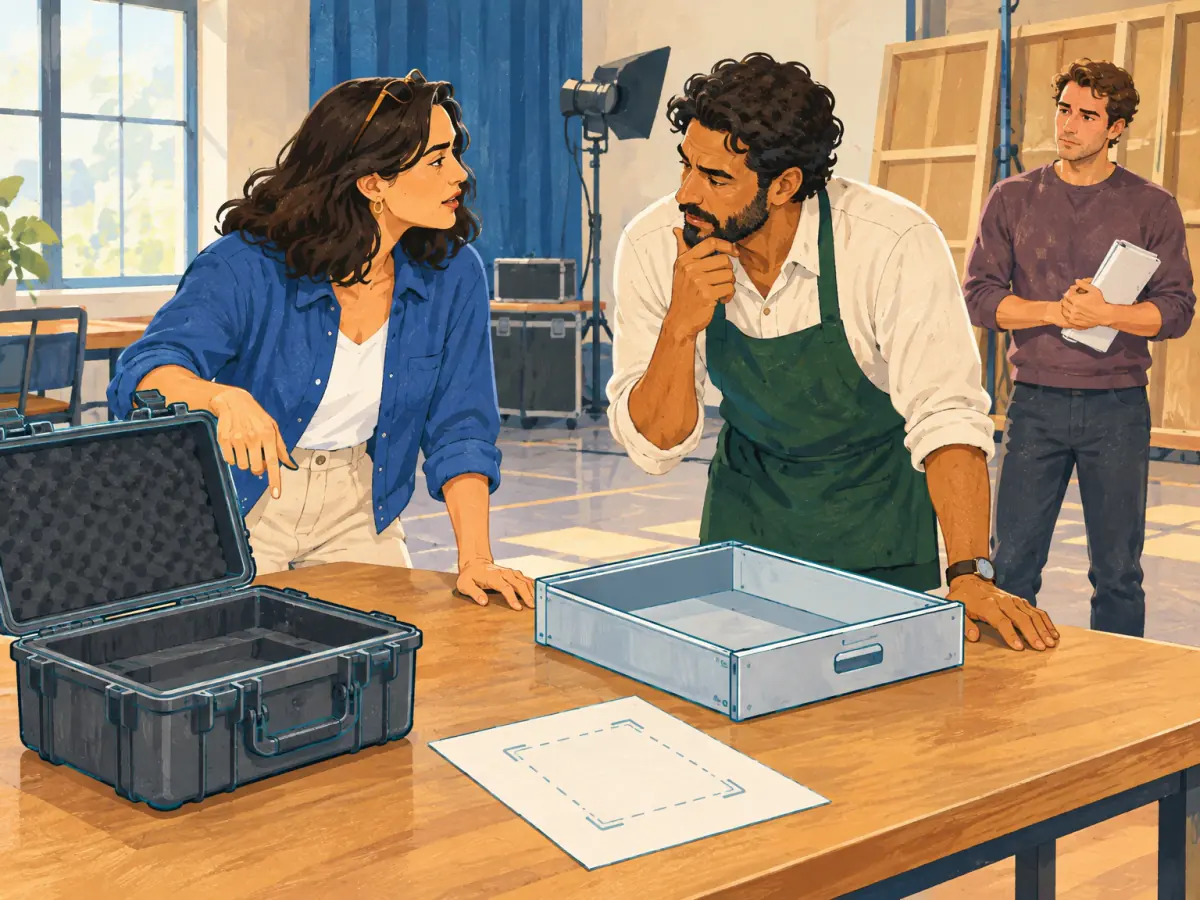
Two friends look at an empty instrument case and its tray on a rehearsal-room table.

B2 영어 사진 묘사: 위치 표현, 몸짓 어휘, “look”과 “seem”, “might have”와 “must have” 같은 조동사로 모든 추측을 표시하고 눈에 보이는 근거로 뒷받침하는 법을 배워요.

영어로 사진을 묘사할 때는 해석하기 전에 먼저 보이는 것을 전해요. 읽는 사람을 앞쪽에서 뒤쪽으로 안내한 다음, 추측마다 “may”, “looks as if”, “must have” 같은 표현으로 표시하고 눈에 보이는 단서와 연결하세요. “His raised eyebrows suggest that the damage is unexpected.”는 공정한 문장이지만, “He is shocked.”는 추측을 사실처럼 말한 문장이에요. 이 주제는 B2(중상급) 수준으로, 사진 속에 무엇이 있는지는 말할 수 있고 이제 신중하게 추측하고 싶은 성인을 위한 내용이에요.

이 글이 맞는 분

  • 사진 속 사물은 나열할 수 있지만 추측을 사실처럼 말하게 되는 중상급 성인.
  • 영어로 이미지를 설명하는 분: 사진을 보고 말하는 말하기 과제, 사고 보고서, 디자인이나 공연 리뷰, 전시 설명문.
  • 공정하게 들리고 싶은 분: “may”와 “looks as if”로는 조심스럽게, 근거가 강할 때만 “must have”로 확신 있게.
  • 아직 이르다면: 사진 속 장소, 사람, 행동을 말하는 것이 아직 낯설다면 사진이 나에게 왜 중요한지 설명하는 B1 사진 묘사부터 시작하세요.
  • 너무 쉽다면: 이미 근거와 해석을 자연스럽게 구분한다면 모든 의견을 관찰 가능한 근거로 뒷받침하는 C1 미술 리뷰로 넘어가세요.

예시 학습 페이지 열기

예시 학습 페이지 열기

단어 카드

in the foreground/centre/background

locate elements by depth

In the foreground, Maya stands by the open door.

on the left/right; in front of; behind; opposite; outside

locate one element relative to another

Owen is opposite the window, behind the case.

may/might/perhaps

mark a possible interpretation

The case might have been moved.

looks/seems as if/as though

connect visible evidence to a clause

It looks as though rain entered overnight.

The photo reminds me of…

connect the image to a relevant memory or genre

The photo reminds me of an unresolved workplace incident.

대화

maya Her folded arms look defensive at first.

owen Yes, but the raised shoulder later looks as if it is protecting her.

maya The metal sound seems important, although we never see its source.

owen And the door feels like stone, but it is a painted prop.

문장 형태

look/feel/smell/sound/taste + adjective

describe a quality

The fabric feels rough and the alarm sounds urgent.

sense verb + like + noun phrase

compare with a thing

The prop feels like real stone.

sense verb + as if/as though + clause

give an apparent situation

It sounds as if somebody is behind the curtain.

look

impression specifically from appearance

Maya looks tired under the stage light.

seem

general impression from any evidence

Owen seems worried after reading the schedule.

feel like + noun/-ing

want something or want to do something

I feel like watching the second performance.

as: role/reason/time/example/comparison

marks function, cause, simultaneous time, example, or comparison

As the actor left, Maya worked as a reviewer and noted details such as gesture and pace.

추가 연습

A rehearsal-room decision

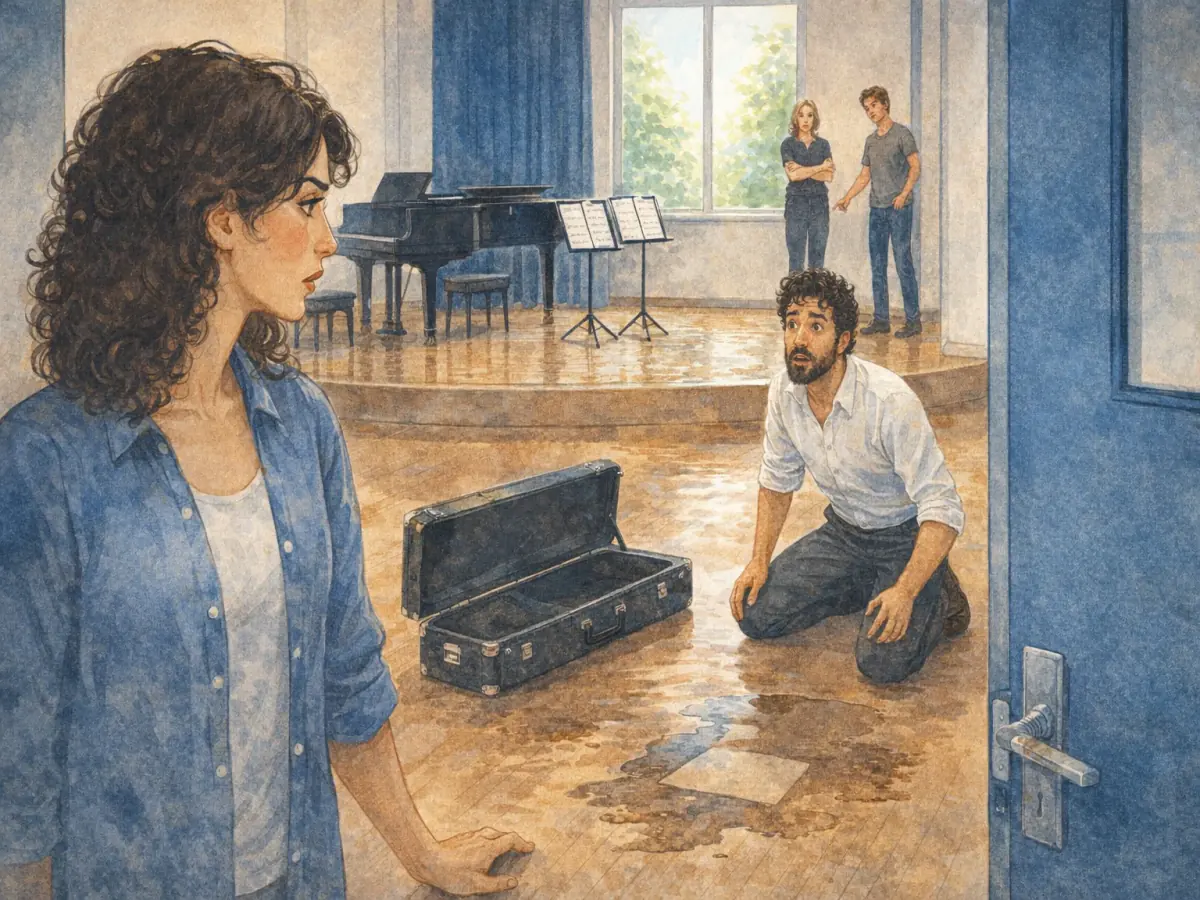
Maya just inside the open door, Owen kneeling by a damaged case, and two performers near a wet patch below the window.

In the foreground of the photograph, Maya is standing just inside an open rehearsal-room door. Her face and shoulders look tense. In the centre, Owen is kneeling next to a damaged instrument case. He looks worried, and his raised eyebrows suggest that the damage is unexpected.

In the background, two performers are waiting near the stage. One has folded her arms; the other is pointing towards a wet patch below the window. It looks as if rain has entered during the night. The case may have been moved away from the wall, because its original position is marked by a dry rectangle.

The photo reminds me of the moment before a practical decision. Nobody is posing, and each gesture contributes evidence without proving exactly what happened.

Body and gestures 1

ankle

joint connecting foot and lower leg

Maya rotated her ankle.

calf

muscular back of the lower leg

Owen stretched his calf.

heel

back part of the foot

The shoe rubbed her heel.

knee

joint between thigh and lower leg

He knelt on one knee.

elbow

joint in the middle of the arm

Maya rested an elbow on the table.

fist

closed hand

Owen relaxed his fist.

nails

hard coverings at the ends of fingers or toes

The actor bit her nails.

palm

inner surface of the hand

She placed her palm on the door.

Body and gestures 3

kidneys

two organs that filter blood and make urine

The scan showed both kidneys.

liver

large organ that processes substances in the blood

The liver metabolizes many medicines.

lungs

two organs used for breathing

The singer filled her lungs.

forehead

area above the eyebrows

Sweat appeared on Owen’s forehead.

cheek

side of the face below the eye

Stage paint covered one cheek.

lips

soft edges of the mouth

Maya pressed her lips together.

neck

part joining head to torso

The collar covered his neck.

chin

lower front part of the face

Owen raised his chin.

Write a complete photo description

Evidence audit

이 단원 배우기
어떻게 배우고 싶나요?
계정이 있나요?

무료 계정은 한 단원을 계속 열어 둘 수 있습니다.

140~190단어 사진 묘사를 위한 네 부분 구성

리허설 룸을 떠올려 보세요. 문간에 선 여자와 망가진 케이스 옆에 무릎을 꿇은 남자가 있어요. 위치 표현 네 개와 몸짓 어휘 여섯 개를 쓰세요.

  • 전체 개요: “The photo shows a rehearsal room with four people and a damaged case.”
  • 공간 묘사: “In the centre, a man is kneeling next to the case.”
  • 근거와 연결한 신중한 추측: “The case may have been moved: a dry rectangle marks where it stood.”
  • 개인적인 감상: “The photo reminds me of the moment before a practical decision.”

시선을 이끄는 위치 표현

한 방향으로 움직이세요. 앞에서 뒤로, 또는 왼쪽에서 오른쪽으로요. 한국어는 “앞쪽에”, “왼쪽에”처럼 모두 “에”를 쓰지만, 영어는 “in the foreground”와 “on the left”처럼 전치사가 달라요.

  • 깊이와 좌우: “in the foreground”, “in the centre”, “in the background”, “on the left”, “on the right”. “In the foreground, a woman is standing in the doorway.”
  • 다른 것과의 관계: “in front of”(보는 사람 쪽으로 더 가까이), “behind”, “next to”, “opposite”(맞은편에서 마주 보는 위치, 뒤에 “of”를 쓰지 않아요). “The man is opposite the window, behind the case.”

몸짓: 정확하게 이름 붙이고, 신중하게 읽기

동작은 현재진행형으로, 자세는 분사로 써요. “She is pointing at the window.” “Her arms are folded.”

몸짓은 증거이지 사전 항목이 아니에요. 팔짱은 방어적인 태도일 수도, 추위나 편안함 때문일 수도 있어요. 쓰기 전에 이야기해 보세요. “Should interviewers judge candidates by their body language?” “Why do we feel so sure about other people’s feelings when the evidence is weak?”

  • 자세와 손: “folded arms”(팔짱), “a raised shoulder”, “a clenched fist”(꽉 쥔 주먹), “a hand on the hip”.
  • 얼굴: “raised eyebrows”(치켜올린 눈썹), “a frown”, “a furrowed brow”(찌푸린 이마), “pressed lips”.
  • 동작: “kneeling”, “pointing”, “shrugging”, “staring”, “leaning against a wall”.

“look”, “seem”, “look like”, “look as if”의 차이

감각 동사는 확신이 아니라 인상을 전하고, 부사가 아니라 형용사와 함께 써요. 한국어 “~것 같다”는 “seem”, “look as if”, “I think”를 모두 나타낼 수 있지만, 영어는 근거에 따라 골라요. 겉모습이면 “look”, 소리면 “sound”, 여러 단서를 종합하면 “seem”이에요. 아래 대화에서는 나중에 보인 단서가 말 없는 무대 장면의 첫인상을 바꿔요.

  • “look”, “feel”, “sound” + 형용사: “Her shoulders look tense.”
  • “look”, “feel” + “like” + 명사: “The prop feels like real stone.”
  • “look”, “sound” + “as if”/“as though” + 절: “It looks as if rain has come in overnight.”
  • 어떤 근거에서든 얻은 인상에는 “seem”: “He seems worried after reading the schedule.”

Maya Her folded arms look defensive at first.

Owen Yes, but the raised shoulder later looks as if it is protecting her.

Owen And the door feels like stone, but it is a painted prop.

얼마나 확신하나요? 추측의 조동사

근거의 강도에 맞춰 조동사를 고르세요. 현재는 조동사 + “be”, 사진을 찍기 전에 일어난 일은 조동사 + “have” + 과거분사를 써요.

  • 거의 확실하면 “must”: “They must have arrived a while ago: their coats are hanging up.”
  • 가능성이 있으면 “may”, “might”, “could”: “She may be waiting for someone.”
  • 거의 확실히 아니면 “can’t”, “couldn’t”: “The door can’t be real stone: one actor is carrying it with one hand.”
  • “must have”는 추측, “should have”는 비판이에요: “She must have called; she should have called me too.”
나에게 맞는 방법으로 이 단원 배우기

모든 추측 점검하기

카메라에 찍힌 것을 넘어서는 문장마다 밑줄을 긋고 근거를 적으세요. 근거가 없으면 지우고, 약하면 표현을 누그러뜨리고, 강하면 그대로 두세요.

  • “She is angry.” 대신 “She is frowning with her arms folded; she may be annoyed, or simply cold.”
  • “Rain came in overnight.” 대신 “It looks as if rain came in: there is a wet patch below the window.”
  • “The performers damaged the case.” 대신 “Nothing in the photo shows who damaged the case.”

자주 하는 실수

묘사에서 다음을 확인하세요.

  • “on the foreground”, “in the left”. “in the foreground”, “on the left”라고 하세요.
  • “She looks like tired.” “She looks tired.”라고 하세요. “like”는 명사 앞에 와요.
  • “He must went.”, “He must of gone.” “He must have gone.”라고 하세요. 말할 때는 “must’ve”로 약하게 발음해요.
  • “It remembers me of my first job.” “It reminds me of my first job.”라고 하세요. “떠올리게 하다”는 “remind”예요.

하루 10분 연습법

어떤 사진이든 좋아요. 일주일에 한 번은 전체 묘사를 쓰고 점검하세요.

  • 2분: 위의 세 문장을 듣고 각 문장의 패턴을 말해 보세요.
  • 3분: 위치 표현 네 개로 사진을 소리 내어 묘사하세요.
  • 3분: “must have”, “might have”, “can’t have”로 추측 세 개를 하고, 각각 “because”로 근거를 붙이세요.
  • 2분: 개요 한 문장과 “reminds me of”를 쓴 감상 한 문장을 쓰세요.

다음 단계

B2에서는 다음으로 수정 내용을 감추지 않는 의견 기사를 쓰고, 이어서 평균이 지역 문제를 가리는 도시 보고서를 써 보세요. C1에서는 미술 리뷰에서 모든 의견을 근거로 뒷받침해요.

자주 묻는 질문

“look like”와 “look as if”는 어떻게 다른가요?

“look like” + 명사는 어떤 것에 비유해요. “The door looks like stone.” “look as if” + 절은 상황을 말해요. “It looks as if it has rained.” 형용사 앞에는 둘 다 쓰지 않아요. “She looks tired.”

영어로 사진에 대해 어떻게 추측하나요?

조동사와 근거를 함께 쓰세요. “The case may have been moved: a dry rectangle marks where it stood.” “must have”는 거의 확실하다는 뜻이고, “can’t have”는 거의 확실히 아니라는 뜻이에요.

“in the foreground”인가요, “on the foreground”인가요?

“in the foreground”, “in the background”, “in the centre”라고 하지만, 좌우는 “on the left”, “on the right”라고 해요.

이 단원 배우기
어떻게 배우고 싶나요?
계정이 있나요?

무료 계정은 한 단원을 계속 열어 둘 수 있습니다.

다음에는 무엇을 할까요?

Flai로 계속 연습하세요

Flai는 음성 대화, 교정 내용, 수업 보고서로 말하기 연습을 돕는 Flalingo의 AI 말하기 앱입니다.

라이브 선생님과 배우기

Flalingo 수업에서는 이런 단원을 라이브 선생님과 1:1로 연습합니다.