

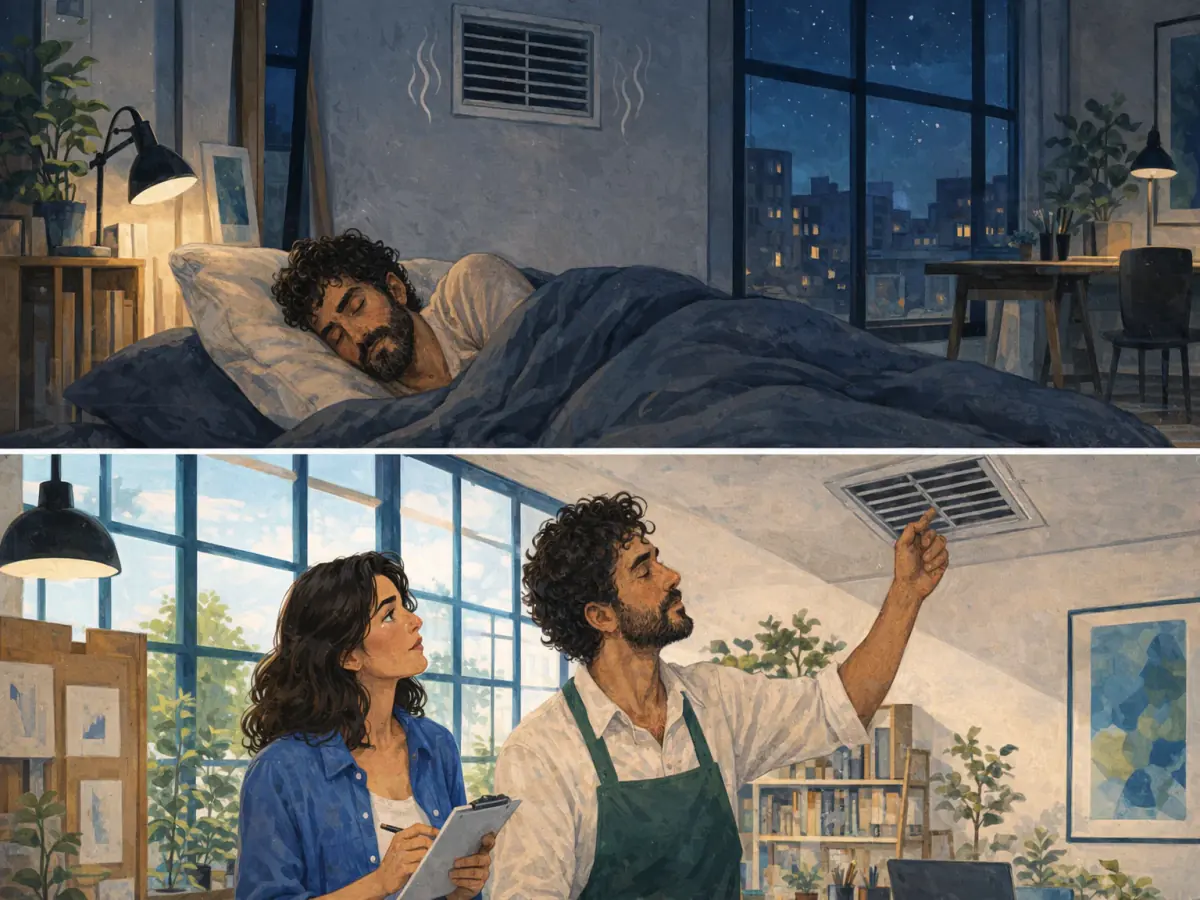
다섯 단계로 하는 2분 제안
먼저 업무를 정하세요. 파일 정리와 숫자를 소리 내어 읽는 일은 필요한 조건이 달라요. 음악 어휘 다섯 개와 동사 패턴 네 가지를 목표로 하세요.
- 예전 습관: “Staff used to play music all afternoon.”
- 문제: “Loud music risks masking an instruction.”
- 시도한 것: “They tried creating a quiet hour rather than banning music.”
- “wish + past perfect”로 말하는 근거와 빈틈: “I wish we had measured concentration before the trial, but error corrections have fallen.”
- 단계별 규칙: “Music can continue during preparation, but it must stop during spoken checks.”
들어 보세요: 금지 대신 조용한 시간
두 동료가 자율적인 조용한 시간을 돌아봐요. 먼저 비슷해 보이는 세 형태를 구분하세요. 한국어 “-곤 했다”는 “used to”, “익숙하다”는 “be used to”, “익숙해지다”는 “get used to”에 가까워요.
- “used to” + 동사원형: 지금은 바뀐 과거 습관. “She used to sleep late; she didn’t use to work nights.”
- “be used to” + “-ing”: 이미 익숙함. “She is used to sleeping near traffic.”
- “get used to” + “-ing”: 익숙해지는 중. “He is getting used to working the earlier shift.” 세 가지 모두 /juːst tə/로 발음해요.
Maya Staff used to play music all afternoon, and some people felt overwhelmed.
Owen They tried creating a quiet hour rather than banning music.
Maya People are getting used to choosing headphones outside that hour.
Owen I wish we had measured concentration before the trial, but error corrections have fallen.
Maya Then we should carry on collecting evidence instead of claiming a universal result.
동명사냐 to부정사냐: 앞 동사가 정해요
어떤 동사 뒤에 어떤 형태가 오는지 알려 주는 규칙은 없어요. 한국어에서는 “-는 것”이나 “-기” 하나로 두 형태를 다 옮기는 경우가 많으니, 자주 쓰는 동사를 묶어서 외우세요.
- “-ing”를 쓰는 동사: “avoid”, “carry on”, “enjoy”, “finish”, “give up”, “keep”, “mind”, “recommend”, “risk”, “suggest”. “She avoids checking messages at night.”
- “to”를 쓰는 동사: “agree”, “decide”, “expect”, “hope”, “manage”, “offer”, “plan”, “refuse”, “seem”. “The team decided to pause music during handovers.”
- “can”, “must”, “should”, “had better”, “would rather”, “let”, “make” 뒤에는 “to”가 없어요: “The sudden beat made everyone look up.”
- 전치사 뒤에는 “-ing”. “look forward to”와 “be used to”의 “to”도 전치사예요: “We look forward to hearing the results.”
같은 동사, 다른 의미
“remember”와 “forget” 뒤에서 “to”는 앞으로 해야 할 일을, “-ing”는 지난 기억을 가리켜요.
- “remember”: “Remember to lock the studio; I remember locking it.”
- “forget”: “He forgot to mute the track but will never forget hearing it live.”
- “try to”(애쓰다)와 “try doing”(해결책을 시험해 보다): “She tried to sleep, then tried lowering the volume.”
- “stop doing”(그만두다)과 “stop to do”(다른 일을 하려고 멈추다): “We stopped playing music.” “She stopped to check the figures.”
- “need”: “We need to tune the piano; the piano needs tuning.”
규칙을 정확하게 만드는 음악 어휘
“Quiet music”은 모호하지만, “instrumental tracks at low volume”은 팀이 확인할 수 있는 규칙이에요.
- “genre”: 재즈나 팝 같은 장르. “She chose a quieter genre for analysis.”
- “rhythm”: 박자의 패턴. 외래어 “리듬”과 달리 /ˈrɪðəm/으로 발음해요. “The irregular rhythm increased tension.”
- “chorus”: 노래에서 반복되는 후렴. “choir”는 합창단이에요. 두 단어 모두 “ch”를 k로 발음해요.
- “concerto”: 독주자와 오케스트라를 위한 곡, 즉 협주곡. “concert”는 공연이에요.
- “lyrics”: 노래 가사. “They plan to test a lyric-free playlist.”
이야기해 볼 질문
각 질문에 이유, 예시, 동사 패턴 두 가지를 넣어 1분 정도로 답해 보세요.
- “Should one music rule cover the whole workplace, or change with the task?”
- “Is wearing headphones at work focused or antisocial?”
- “Can people get used to almost any noise?”
자주 하는 실수
제안을 점검하세요.
- “I recommend to use headphones.” 대신 “I recommend using headphones.”라고 하세요. “suggest”도 마찬가지예요.
- “I’m used to work late.” 대신 “I’m used to working late.”라고 하세요.
- “I use to start at eight.” 현재 습관에는 “I usually start at eight.”라고 하세요.
- “We had better to stop.” “to”를 빼세요: “We had better stop.”
- 한 번의 시험만으로 “Music improves concentration”이라고 주장하기. 측정한 것만 말하세요: “Error corrections have fallen.”
하루 10분 연습법
일주일에 한 번은 제안 전체를 녹음하세요.
- 2분: 대화의 각 줄을 따라 말하세요.
- 3분: 내 업무일에 대해 다섯 문장을 말하세요. 문장마다 목록의 다른 동사를 쓰세요.
- 3분: 이번 주에 있었던 일로 “remember”, “try”, “stop”을 두 형태 모두 써 보세요.
- 2분: 내 업무의 한 단계에 대한 규칙을 음악 어휘 두 개를 넣어 쓰세요.
다음 단계
B2에서는 다음으로 추측을 사실처럼 말하지 않고 사진을 묘사한 뒤, 정정 내용을 드러내는 의견 글을 써 보세요. C1에서는 스마트폰 우선 공공 서비스에 관한 균형 잡힌 에세이를 써요.