본문으로 바로가기
Flalingo

영어 연습

영어로 사진 묘사하는 법 (B1 초중급): 위치, 사람, 동작, 그리고 사진의 의미

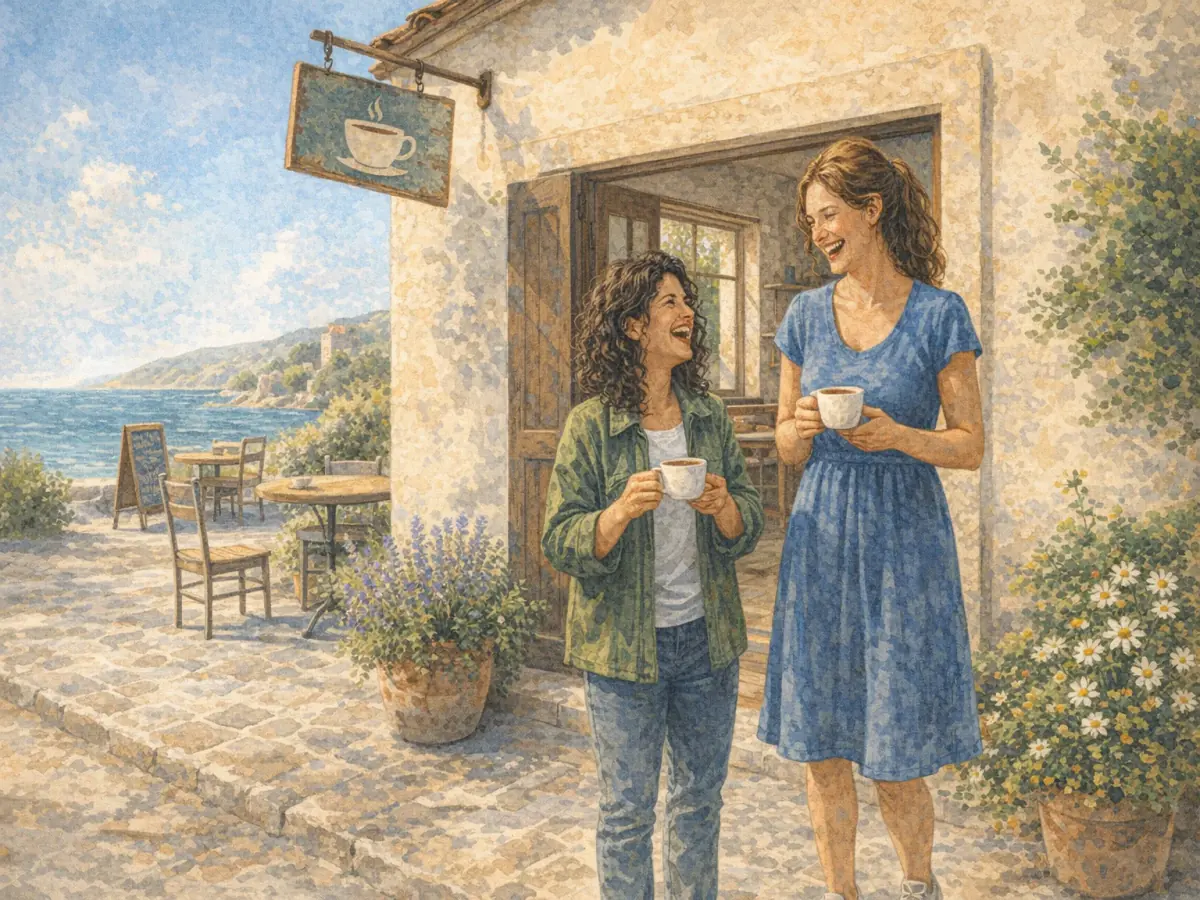
Two women laugh outside their new café on opening morning, each holding a cup of coffee, under a sign that hangs at an angle.

영어로 사진을 묘사하는 B1 표현: there is/are, next to, behind, between, 사람들이 입은 옷과 하고 있는 동작, 그리고 사진이 왜 소중한지로 끝나는 100~130단어 문단.

사진은 네 단계로 묘사해요. 먼저 무엇을 보여 주는 사진인지 말해요. “This photo shows my sister and her business partner outside their new café.” 다음으로 사람과 물건의 위치를 말해요. “on the left”, “next to”, “behind”. 그리고 사람들이 무엇을 입고 무엇을 하고 있는지 현재진행형으로 말해요. “She’s wearing a green jacket.” “They’re laughing.” 마지막으로 그 사진이 나에게 왜 소중한지 말해요. 사진 밖의 습관은 현재형으로 말해요. “She usually works in the kitchen.” 이 주제는 B1(초중급) 수준이고, 자신 있는 A2 학습자도 따라올 수 있어요. 내 사진으로 하루 10분 연습하면 충분해요.

이 글이 맞는 분

  • 초중급 수준의 성인: 내 이야기는 할 수 있지만 그림이나 사진을 묘사해 보라고 하면 말문이 막히는 분.
  • 사진 묘사 과제가 있는 말하기 시험이나 면접을 준비하는 분.
  • 영어를 쓰는 친구나 동료에게 사진을 보여 주며 “This is my family.”보다 더 많이 말하고 싶은 분.
  • 아직 이르다면: “She’s wearing…”, “There are two…”가 아직 낯설다면 먼저 지금 일어나는 동작과 물건의 위치를 다루는 A2 글부터 보세요.
  • 너무 쉽다면: 메모 없이 사진 한 장으로 2분 동안 말하고 그 의미까지 설명할 수 있다면 과거 이야기를 들려주는 연습으로 넘어가세요.

예시 학습 페이지 열기

예시 학습 페이지 열기

단어 카드

inin

inside an area or enclosed space

Maya is standing in the doorway.

onon

touching and supported by a surface

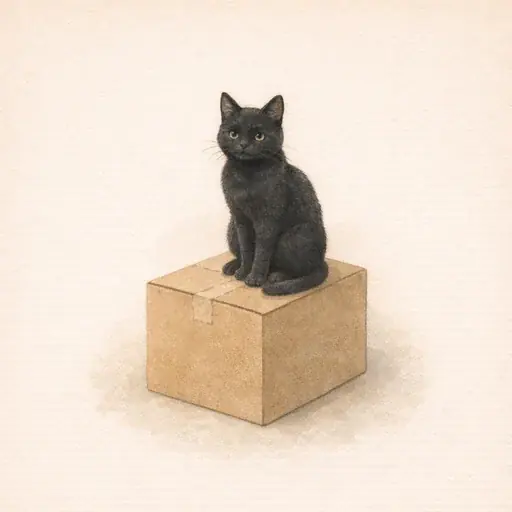
The camera is on the wooden table.

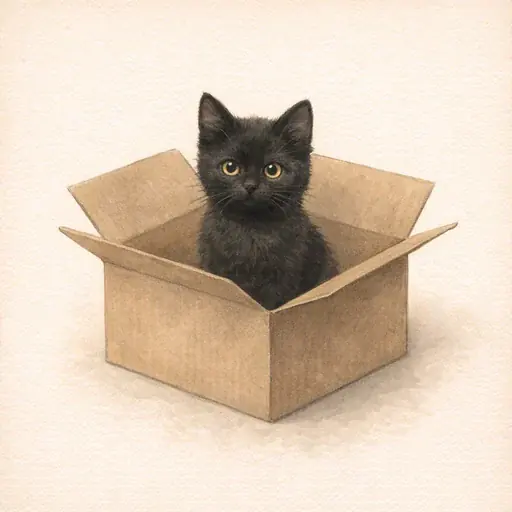
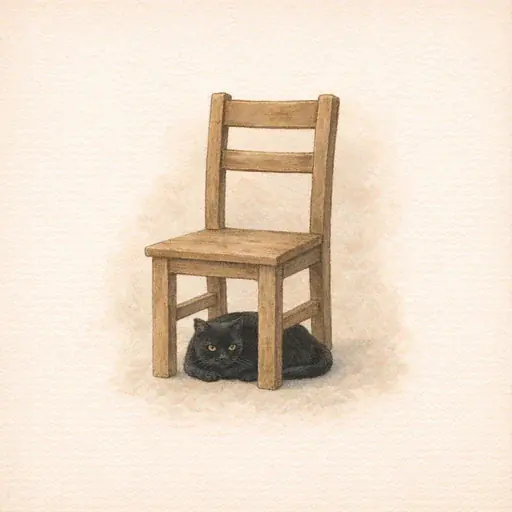
underunder

lower than and often directly below something

The black bag is under the chair.

next tonext to

at the side of and very near something or someone

Owen is standing next to the woman in the red coat.

behindbehind

at the back of something or someone

The coat is on the rail behind you.

in front ofin front of

further forward than something or someone, facing the same way

The photographer stands in front of the group.

betweenbetween

in the space that separates two people or things

Maya’s aunt can stand between Maya and Owen.

wear / carry / dress

wear takes clothes or jewellery; carry takes bags and cases; dress without an object describes someone’s clothing style

Maya is wearing a coat, carrying a case, and dressing casually this week.

a pair of

a quantity phrase used with plural clothes and footwear such as jeans, trousers, tights, shoes, and boots

I bought a pair of trousers and two pairs of socks.

대화

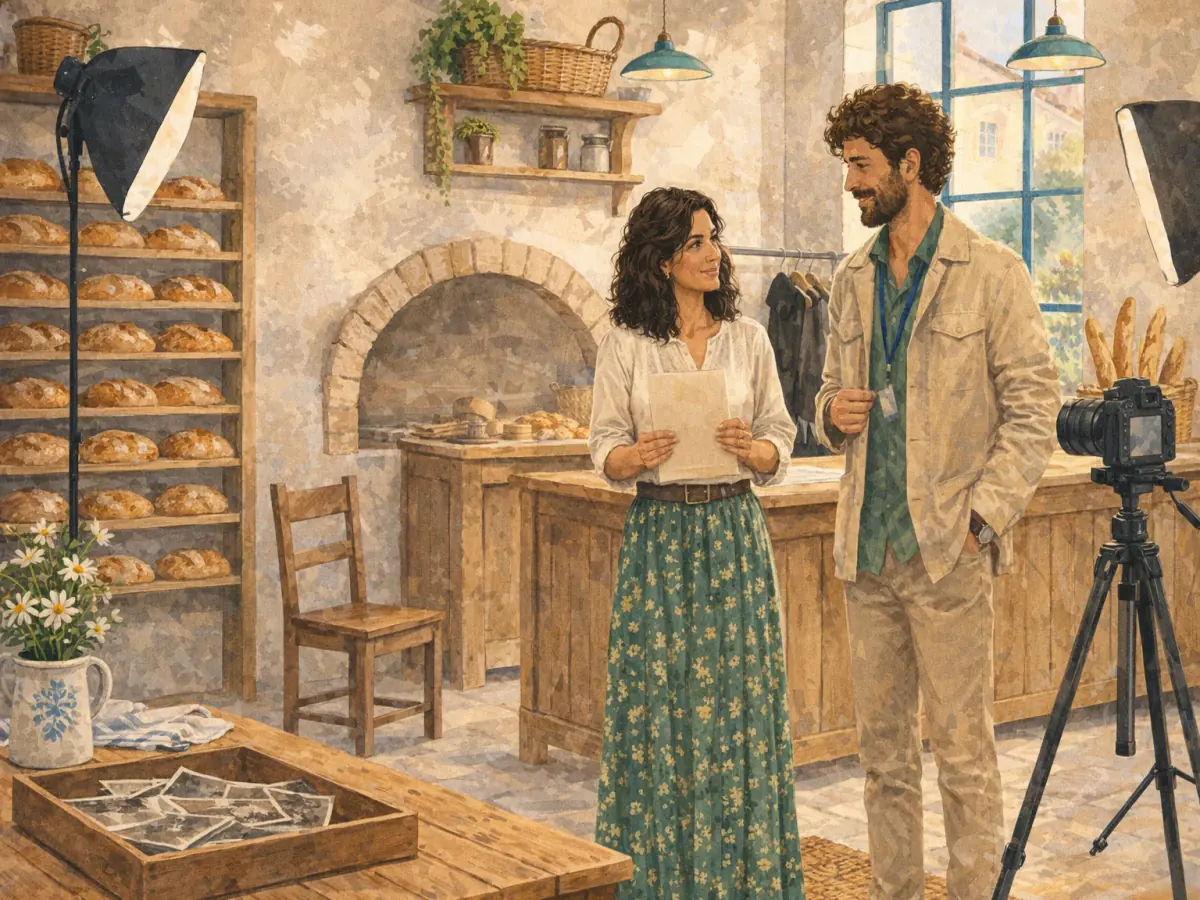
owen The archive photo shows your grandparents in their bakery in 1986. Where does the wooden chair go?

maya It goes next to the counter, not under the window. My grandfather is sitting on it in the original.

owen I’m moving it now. Am I wearing the right jacket?

maya No, you aren’t. He’s wearing a white shirt and a dark coat. The coat is on the rail behind you.

owen Got it. What are you holding in the old photo?

maya A tray of bread. I’m holding the menu at the moment, so let’s swap it.

owen Your aunt usually works at the new bakery. Is she joining us?

maya Yes. She’s parking the car, and then she can stand between us for the final picture.

문장 형태

What is different from the old photograph?

The chair is in the wrong place, Owen is wearing the wrong jacket, and Maya is holding a menu instead of a tray.

Present simple gives routine facts; present continuous and place phrases describe today’s scene.

  • usually works
  • is helping today
  • next to
  • in front of

추가 연습

Present continuous: now and around now

Adults arranging clothes and objects for an archive photo recreation.
am/is/are + verb-ing

Use the present continuous for an action happening now

The photographer is moving the lamp.

am not / isn’t / aren’t + verb-ing

Put not after am, is, or are for a negative action now

The models aren’t looking at the camera yet.

Am/Is/Are + subject + verb-ing?

Move am, is, or are before the subject to ask about an action now

Is Owen wearing the original coat?

present simple: routine or fact

Use the present simple for things that happen regularly or are generally true

Owen works in a studio every weekday.

present continuous: temporary or now

Use the present continuous for the current moment or a temporary situation

This month, Owen is helping with an archive project.

There is / There are

Use there is/are to say what exists in a picture before describing actions

There are two chairs next to the window.

about /ə/ · photographer /ə/

The weak sound /ə/ often appears in unstressed syllables

The photographer is standing behind the camera, and about ten people are waiting.

shirt /ɜː/ · skirt /ɜː/

The long central sound /ɜː/ is stressed in words such as shirt and skirt

The woman in the purple skirt is wearing a white shirt.

Write a concise photo description

Two women laugh outside their new café on opening morning, each holding a cup of coffee, under a sign that hangs at an angle.

This photo shows my sister Lale and her business partner, June, outside their new café in Brighton. I took it on the morning they opened last May. Lale is the short woman on the left. She has curly dark hair and she’s wearing a green jacket over a white T-shirt. June is standing next to her in a blue dress and trainers. They both look tired but excited.

Lale usually works in the kitchen, and June manages the customers. In the photo, they’re holding the first two cups of coffee and laughing because the café sign is hanging at an angle. I like this picture because they spent a year preparing the business, and it captures the exact moment their plan became real.

What information makes a photo description complete?

Identify the people, give the time and place, describe appearance and actions, explain the relationship, and say why the photo matters.

A connected paragraph guides the reader from the whole photo to specific people and its personal meaning.

  • This photo shows…
  • The person on the left…
  • is wearing…
  • At the moment…
  • I like it because…
이 단원 배우기
어떻게 배우고 싶나요?
계정이 있나요?

무료 계정은 한 단원을 계속 열어 둘 수 있습니다.

사진 전체부터, 그다음 세부로

알기 쉬운 묘사는 큰 것에서 작은 것으로 가요. 무엇을 보여 주는지, 언제 어디서 찍었는지, 사람을 한 명씩, 마지막으로 왜 소중한지 순서로 말해요. 다음 첫마디들이 대부분의 일을 해 줘요.

  • “This photo shows …” – 이 사진은 …을 보여 줘요.
  • “I took it last summer at my cousin’s wedding.” – 작년 여름 사촌 결혼식에서 찍었어요.
  • “The person on the left is …” – 왼쪽에 있는 사람은 …
  • “I like this picture because …” – 이 사진을 좋아하는 이유는 …

“There is”, “there are”와 위치 표현

동작을 말하기 전에 “there is/are”로 사진에 무엇이 있는지 말해요. “There are two chairs next to the window.” 한국어 “있다”는 하나든 여럿이든 같지만, 영어는 여럿이면 “there are”예요. 그다음 사람과 물건의 위치를 말해요. 한국어는 “탁자 위에”처럼 위치 말이 뒤에 오지만, 영어는 “on the table”처럼 앞에 와요.

  • “in” (안에): “A woman is standing in the doorway.”
  • “under” (아래에): “The black bag is under the chair.”
  • “next to” (옆에): “He’s standing next to the woman in the red coat.”
  • “in front of” (앞에): “The photographer is standing in front of the group.”
  • “between” (사이에): “Her aunt is standing between them.”

사진 속 동작은 현재진행형, 습관은 현재형

사진 속 사람들이 하는 일은 그 순간에 일어나고 있으니 “am/is/are + -ing”를 써요. 그 순간 밖의 사실과 습관은 현재형으로 말해요. 한 문단에 둘 다 있으면 무엇이 평소 일이고 무엇이 그 순간만의 일인지 보여요.

  • 지금: “The photographer is moving the lamp.”
  • 습관: “He works in a studio every weekday.”
  • 일시적인 일: “This month, he’s helping with an archive project.”
  • 상태 동사는 보통 현재형 그대로예요: “They look tired but excited.”

짧은 대화: 옛날 사진 다시 찍기

두 사람이 1986년에 빵집에서 찍은 가족사진을 다시 찍으면서, 누가 무엇을 들고 있었는지와 각자 어디에 설지 확인하고 있어요. “usually works”(습관)에서 “is parking”(지금)으로 바뀌는 부분을 들어 보세요.

Owen Got it. What are you holding in the old photo?

Maya A tray of bread. I’m holding the menu at the moment, so let’s swap it.

Owen Your aunt usually works at the new bakery. Is she joining us?

Maya Yes. She’s parking the car, and then she can stand between us for the final picture.

옷: “wear”, “carry”, “a pair of”

사람이 나오는 사진에는 거의 언제나 옷이 나와요. 헷갈림은 대부분 작은 단어 세 개에서 생겨요.

  • “wear”는 옷과 장신구에: “She’s wearing a green jacket over a white T-shirt.” 한국어는 옷은 “입다”, 신발은 “신다”, 모자와 안경은 “쓰다”, 반지는 “끼다”, 시계는 “차다”로 나누지만 영어는 모두 “wear”예요.
  • “carry”는 가방과 여행 가방에: “He’s carrying a case.”
  • 목적어 없는 “dress”는 옷차림 스타일에: “She’s dressing casually this week.”
  • “a pair of”는 복수형 옷에: “a pair of trousers”, “two pairs of socks”.
  • “shirt”와 “skirt”는 “her”의 긴 모음으로 발음해요: “The woman in the purple skirt is wearing a white shirt.”
나에게 맞는 방법으로 이 단원 배우기

100~130단어 사진 묘사 쓰기

100~130단어 문단이면 장소, 사람, 이유 하나를 담기에 충분하고, 1분 정도면 말할 수 있을 만큼 짧아요. 이 순서로 써 보세요.

  • 무엇과 누구: “This photo shows my sister Lale and her business partner, June, outside their new café.”
  • 언제: “I took it on the morning they opened last May.”
  • 왼쪽부터 한 사람씩: 서 있는 위치, 생김새, 입은 옷.
  • 습관과 그 순간: “Lale usually works in the kitchen … In the photo, they’re holding the first two cups of coffee.”
  • 왜 소중한지: “I like this picture because … it captures the exact moment their plan became real.”

자주 하는 실수

모두 쉽게 고칠 수 있어요.

  • “He wears a coat.” 사진에서 보이는 모습이니 “He’s wearing a coat.”라고 해요.
  • “There is two chairs.” 여럿이면 “there are”예요. “There are two chairs.”
  • “She’s wearing a bag.” 가방은 드는 거예요. “She’s carrying a bag.”
  • “a trousers”, “a jean”. “a pair of trousers”, “jeans”라고 해요.
  • 사람만 나열하고 끝내기. 사진이 왜 소중한지 말하는 마지막 문장이 없으면 목록처럼 읽혀요.

하루 10분 연습법

휴대폰에 있는 실제 사진을 고르세요. 아는 사람을 묘사하는 게 더 쉬워요.

  • 2분: 대화를 재생하고, 한 문장마다 멈춰서 따라 말하세요.
  • 3분: 내 사진에 대해 다섯 문장을 말해 보세요. “there is/are” 한 문장, 위치 표현 두 문장, “-ing” 동사 두 문장이에요.
  • 3분: 위 순서대로 문단을 쓰고 단어 수를 세어 보세요. 100~130단어가 목표예요.
  • 2분: 소리 내어 읽으며 “photographer”와 “about”의 약한 모음(/ə/)에 귀 기울이세요.

다음 단계

한 순간을 묘사할 수 있게 되면 그 전후에 무슨 일이 있었는지 말해 보세요. 배경, 전환점, 결말이 있는 짧은 여행 이야기예요. 그다음에는 어떤 경험이 지금 무엇을 바꿨는지처럼 과거의 일을 현재와 이어 말해 보세요.

자주 묻는 질문

영어로 사진 묘사는 어떻게 시작하나요?

사진 전체를 한 문장으로 먼저 말해요. “This photo shows …” 뒤에 누가, 어디서를 붙여요. 그다음 언제 찍었는지 말하고, 그 뒤에 사람을 한 명씩 묘사해요. 작은 세부부터 시작하면 듣는 사람이 따라가기 어려워요.

사진을 묘사할 때 현재형과 현재진행형 중 무엇을 쓰나요?

사진 속 사람들이 하고 있는 동작은 현재진행형이에요. “They’re laughing.” 그 순간 밖의 사실은 현재형이에요. “She usually works in the kitchen.” “look”, “have”, “be” 같은 동사는 보통 현재형 그대로 써요. “They look tired.”

사진 묘사는 몇 단어가 적당한가요?

이 수준의 연습이라면 100~130단어, 즉 여섯에서 여덟 문장을 목표로 하세요. 장소, 사람, 습관 하나, 사진이 소중한 이유를 담을 수 있고, 말하는 데 1분 정도 걸려요.

이 단원 배우기
어떻게 배우고 싶나요?
계정이 있나요?

무료 계정은 한 단원을 계속 열어 둘 수 있습니다.

다음에는 무엇을 할까요?

Flai로 계속 연습하세요

Flai는 음성 대화, 교정 내용, 수업 보고서로 말하기 연습을 돕는 Flalingo의 AI 말하기 앱입니다.

라이브 선생님과 배우기

Flalingo 수업에서는 이런 단원을 라이브 선생님과 1:1로 연습합니다.