本文へ移動
Flalingo

英語の練習

子どもと英語でgoing toを使って予定と予測を言う(A2、9~12歳):トピックセンテンスで書く野生動物観察ウォークの計画

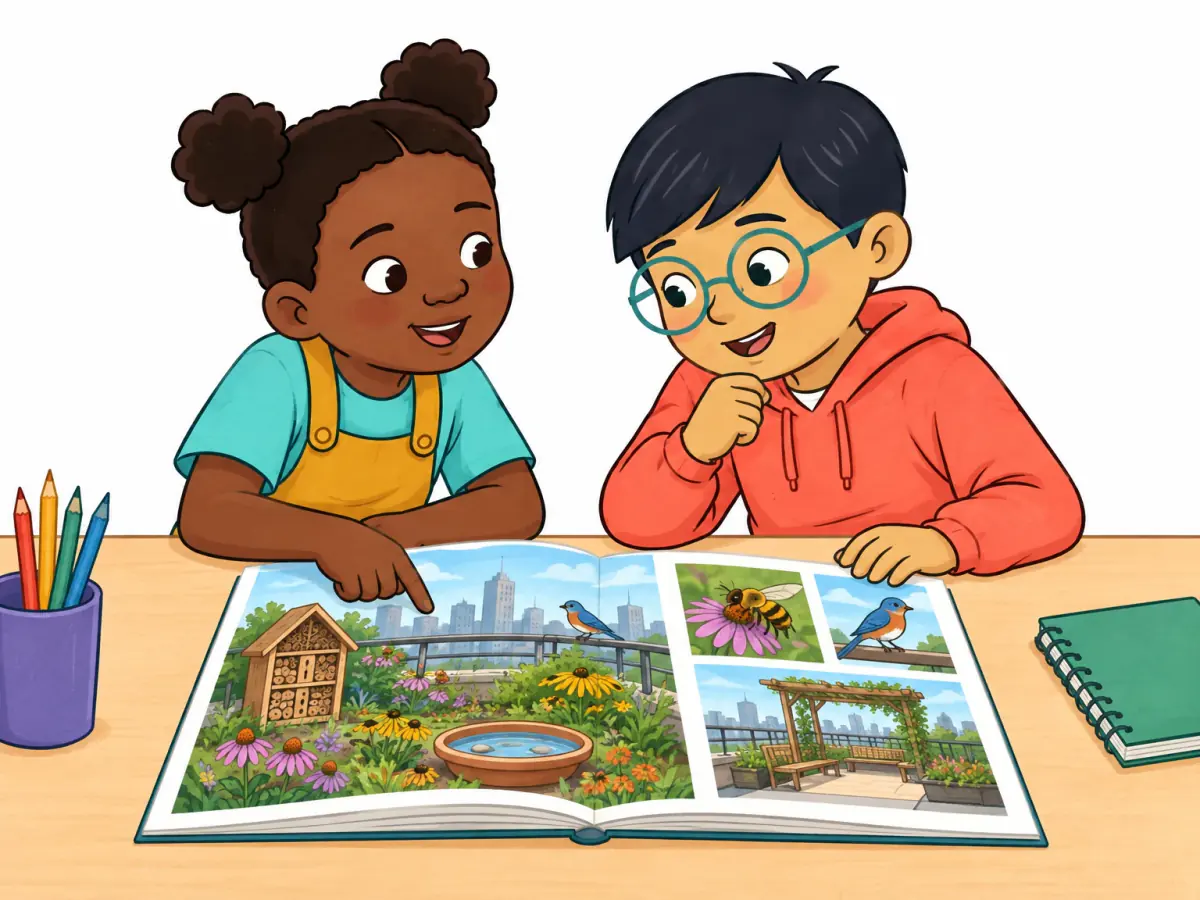
A wildlife article shows a city rooftop designed for insects and birds, with a shallow water dish, native flowers and observation area.

A2レベルの9~12歳の子どもが、going toで予定と、目の前の手がかりにもとづく予測を言えるようにしましょう。“It’s going to rain.”から、各段落を明確なトピックセンテンスで始める2段落の野生動物観察ウォークの計画まで扱います。

英語の“going to”には2つの役割があります。すでに決めた予定(“We are going to observe the otters.”)と、いま見えるものを手がかりにした予測(“Look at those dark clouds! It is going to rain.”)です。形はどちらも同じで、am、is、are + going to + 動詞の原形です。このテーマはA2レベルで、簡単な文がすでに書ける9~12歳くらいの子どもに向いています。最後に、各段落をトピックセンテンスで始める2段落の野生動物観察ウォークの計画を書きます。

この記事が向いている人

  • 簡単な文が書ける子どもの保護者:子どもが昨日したことや週末にしたいことを言えます。
  • 動物や自然散策、動物園が好きな子ども:野生動物観察ウォークの計画が、文法を使う本当の目的になります。
  • 家で練習したい保護者:窓と天気予報と鉛筆があれば十分です。このページのカードですべての単語の音声が聞けます。
  • まだ早い場合:2つの考えをand、but、so、becauseでまだつなげないなら、エコな家の文章でつなぎ言葉から始めましょう(下にリンクがあります)。
  • 簡単すぎる場合:はっきりした最初の文で予定を段落に分けてすでに書けるなら、ニュース記事の間接話法へ進みましょう(下にリンクがあります)。

サンプルページを開く

サンプルページを開く

単語カード

enclosure

a protected area where an animal is kept

picnic area

a place prepared for people to eat outdoors

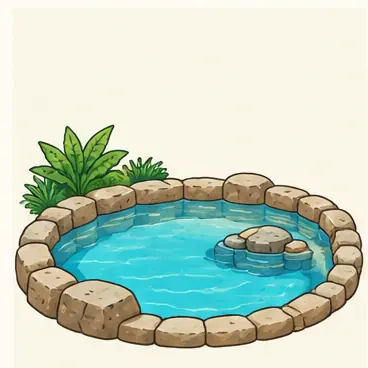
poolpool
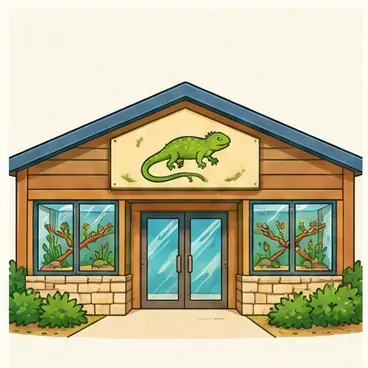
reptile housereptile house
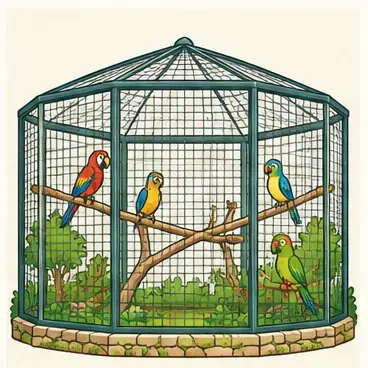
aviaryaviary
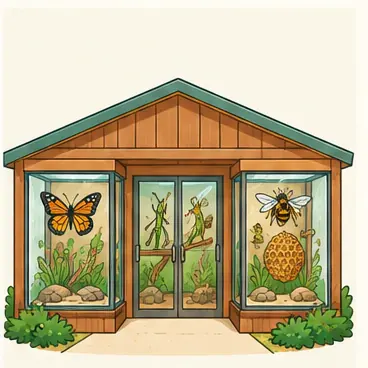
insect houseinsect house
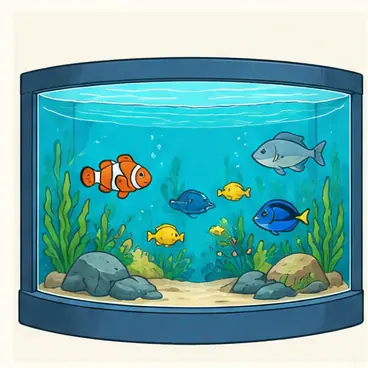
aquariumaquarium
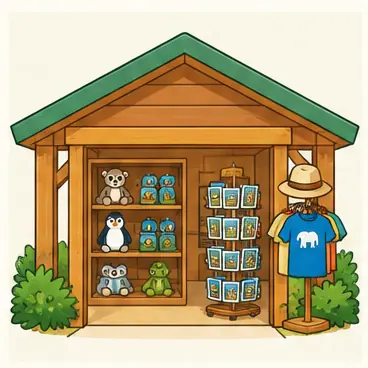
gift shopgift shop
What are you going to observe?

Study how this model connects form with meaning.

We are going to observe the otters, and it is going to get dark soon.

Study how this model connects form with meaning.

The keeper is going to check the enclosure.

Study how this model connects form with meaning.

I am not going to touch the animals.

Study how this model connects form with meaning.

会話

Leo What are you going to observe?

Nia We are going to observe the aviary. Look at those dark clouds! It is going to rain.

Nia What is the keeper going to do?

Leo She is going to check the enclosure.

Leo Are we going to feed the birds?

Nia No. We are going to watch from the path.

文の形

What are you going to observe?

We are going to observe the otters, and it is going to get dark soon.

  • The keeper is going to check the enclosure.
  • I am not going to touch the animals.

追加の練習

Use the contrast

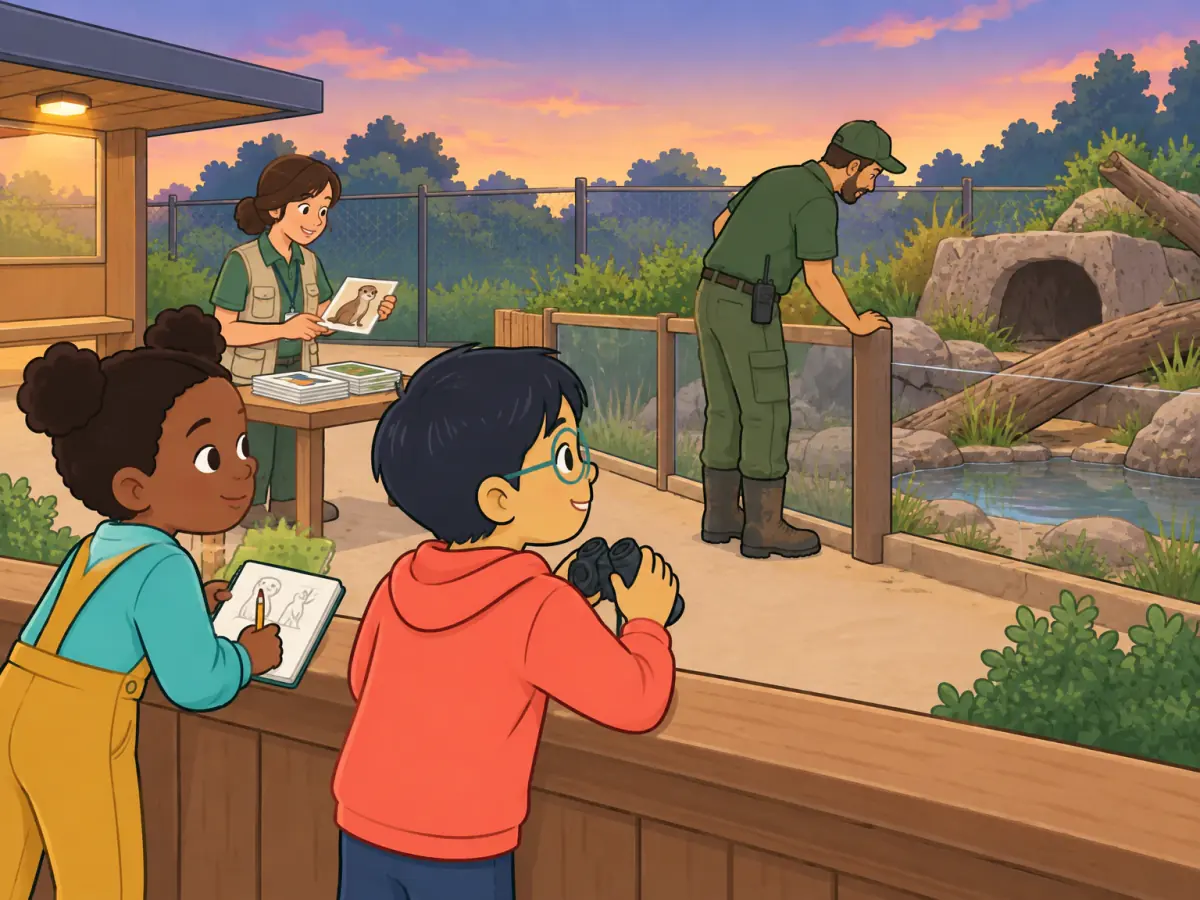
A twilight work plan shows an adult keeper checking an enclosure, a presenter preparing picture cards and Nia and Leo planning observations from behind a barrier.

Leo What are you going to observe?

Nia We are going to observe the otters, and it is going to get dark soon.

Nia What is the keeper going to do?

Leo He is going to check the enclosure.

Leo Are we going to feed the otters?

Nia No. We are going to watch from the path.

What are you going to observe?

We are going to observe the otters, and it is going to get dark soon.

  • The keeper is going to check the enclosure.
  • I am not going to touch the animals.

A small roof with many visitors

A wildlife article shows a city rooftop designed for insects and birds, with a shallow water dish, native flowers and observation area.

A SMALL ROOF WITH MANY VISITORS

One city library is going to turn a flat roof into a small wildlife stop. The first area will contain native flowers for insects. A shallow pool will provide water, and a covered corner will shelter birds. Visitors are going to watch from a marked path. The project is not a zoo: wild animals can arrive and leave freely. The main goal is to create a safe link between larger habitats.

Plan aloud

A wildlife article shows a city rooftop designed for insects and birds, with a shallow water dish, native flowers and observation area.

Nia What will each paragraph explain?

Leo The first paragraph will explain why the walk helps, and the second will say what we are going to do.

Leo How will each paragraph start?

Nia Each paragraph will start with a clear topic sentence.

What will each paragraph explain?

OUR TWILIGHT WILDLIFE WALK The walk will help visitors notice animals safely. First, we are going to observe insects near native flowers. Next, we will watch birds from the marked path. We are not going to touch or feed wildlife.

  • topic sentence
  • separate details
  • going to plan
  • safe article

Draft and revise

A wildlife article shows a city rooftop designed for insects and birds, with a shallow water dish, native flowers and observation area.

Nia Who will read your text?

Leo Families who visit the park will read my article.

Leo What will you check?

Nia I will check my spelling and punctuation.

What will each paragraph explain?

OUR TWILIGHT WILDLIFE WALK The walk will help visitors notice animals safely. First, we are going to observe insects near native flowers. Next, we will watch birds from the marked path. We are not going to touch or feed wildlife.

  • topic sentence
  • separate details
  • going to plan
  • safe article
この単元を学ぶ
どの方法で学びますか?

このテーマの野生動物園の言葉

enclosureは、動物を入れておく、囲まれた安全な場所です。野生動物園の場所の名前の多くは名詞を2つ並べた言葉で、英語ではふつう最初の語を強く言います:REPtile house、GIFT shop、PICnic area。日本語は音の高さで言葉を区別するので、英語の強弱は意識して練習しましょう。

  • aviary – 鳥のための大きなおりや建物
  • aquarium – 魚や水の生き物の水そう、水族館
  • reptile house、insect house – は虫類館、昆虫館
  • pool – カワウソやペンギンのためのプール
  • picnic area、gift shop – ピクニック広場とおみやげ店

予定のgoing to:話す前に決めていること

すでに決めたことには、am、is、are + going to + 動詞の原形を使います:“The keeper is going to check the enclosure.” 話すときは前の部分がふつう短くなります:“We’re going to…”、“She’s going to…”。日本語の「~するつもり」「~する予定」にはbe動詞にあたる語がないので、areを落としやすくなります。歌で“gonna”を聞くこともありますが、速くくだけた話し方なので、書くときは“going to”と書きます。

予測のgoing to:手がかりが見えるとき

同じ形は、話す人がいま見ている手がかりからの予測にも使います。たとえば暗くなっていく空を見て:“It is going to get dark soon.” 子どもに「何を見てそう思う?」と聞いてみましょう。答えがあればgoing toが合います。日本語では予定は「~するつもり」、見た目からの予測は「雨が降りそう」と言い分けますが、英語ではどちらもgoing toです。“will”も予測に使いますが、多くは推測で、“I think”といっしょに使います:“I think it will be sunny tomorrow.” 下の会話では、1つの答えが2つの役割を両方果たしています。

Leo What are you going to observe?

Nia We are going to observe the aviary. Look at those dark clouds! It is going to rain.

疑問文、否定文、短い答え

たずねるときは、am、is、areを前に出します:“Are we going to feed the birds?” 短い答えはその動詞だけをくり返します:“Yes, we are.” “No, we aren’t.” 否定文は“not”を入れます:“I am not going to touch the animals.” 否定の予定は、よい安全ルールになります。

Nia What is the keeper going to do?

Leo She is going to check the enclosure.

Leo Are we going to feed the birds?

Nia No. We are going to watch from the path.

-erと-orで人を表す言葉

多くの動詞は-erや-orをつけると人を表す言葉になります。日本語の「~者」「~家」に少し似ています:動物の世話をする(keep)人はkeeper、飼育員です。2つの語尾は同じ音なので、つづりは1つずつ覚えましょう。

  • keep → keeper(飼育員)、sing → singer(歌手)
  • present → presenter(司会者)
  • visit → visitor(来園者)、act → actor(俳優)
  • invent → inventor(発明家)
自分に合った方法でこの単元を学ぶ

トピックセンテンス:中心となる考えを先に

トピックセンテンスは段落の最初に置かれ、その段落が何についてかを読み手に伝えます。ほかの文はくわしい内容を加えます。国語で学ぶ「中心文」と同じ考え方です。図書館の屋上についての短い記事は、こう始まります:“One city library is going to turn a flat roof into a small wildlife stop.” そのあとに、虫のための花、浅い池、鳥の隠れ場所といった具体的な内容が続きます。

野生動物観察ウォークの計画は2段落で十分です。まずウォークがなぜ役に立つか、次にグループが何をするかを書きます。“The walk will help visitors notice animals safely.” “Here is what we are going to do. First, we are going to observe insects near native flowers. Next, we are going to watch birds from the marked path. We are not going to touch or feed any animals.”

計画が伝えるのは結果ではなく意図です:“We saved the birds.”ではなく“We are going to put up a bird box.”です。

よくある間違いと簡単な直し方

A2の段階では自然な間違いです。正しい文で言い直して続けましょう。

  • “We going to watch the birds.”:areを入れます:“We are going to watch the birds.”
  • “It is going to rained.”:動詞は原形です:“It is going to rain.”
  • “The keeper are going to check it.”:1人ならisです。
  • “Visiter”、“inventer”:この2つは-orで終わります。
  • “There is a pool.”のような細かい内容で始まる段落:中心となる考えから始めましょう。

家でできるあそび:お天気たんていとおでかけプランナー

おでかけの前に、子どもがgoing toで予定を3つと、“not”を使った安全ルールを1つ言います。それから窓の外を見て、手がかりのある予測を1つします:“Look at the sky. It is going to rain, so we are going to take our coats.” 帰ってきたらいっしょに確かめましょう:どの予定が実現して、予測は当たりましたか?

次のステップ

次は、公園の地図を計画しながらていねいに反対意見を言うこと、そして短いニュース記事でほかの人が言ったことを伝えることです。

よくある質問

“going to”と“will”の違いは?

going toは、話す前に決めた予定や、目に見える手がかりのある予測(“It is going to rain.”)に使います。willは推測(“I think it will be fun.”)や、その場で決めたこと(“I’ll help you.”)によく使います。

“gonna”は正しい英語ですか?

速くくだけた話し方で、going toがそう聞こえるものです。聞いて分かるのはよいことですが、書くときは元の形を使いましょう。また、動詞の前のgoing toの代わりにしかならないので、“I’m gonna the park”は間違いです。

トピックセンテンスとは?

段落が何についてかを伝える文で、ふつうは最初の文です。各段落の最初の文だけを読んでも、大事な点が分かるはずです。

この単元を学ぶ
どの方法で学びますか?

次は何をしましょうか?

ライブの先生と学ぼう

Flalingoのキッズレッスンでは、お子さまがこのような単元をライブの先生とマンツーマンで、同じ画面のゲームを通して練習します。

無料体験レッスンを予約