本文へ移動
Flalingo

英語の練習

子どもと英語で提案する(A2、9~12歳):リサイクルのチラシでWhy not、How about、What aboutを使う

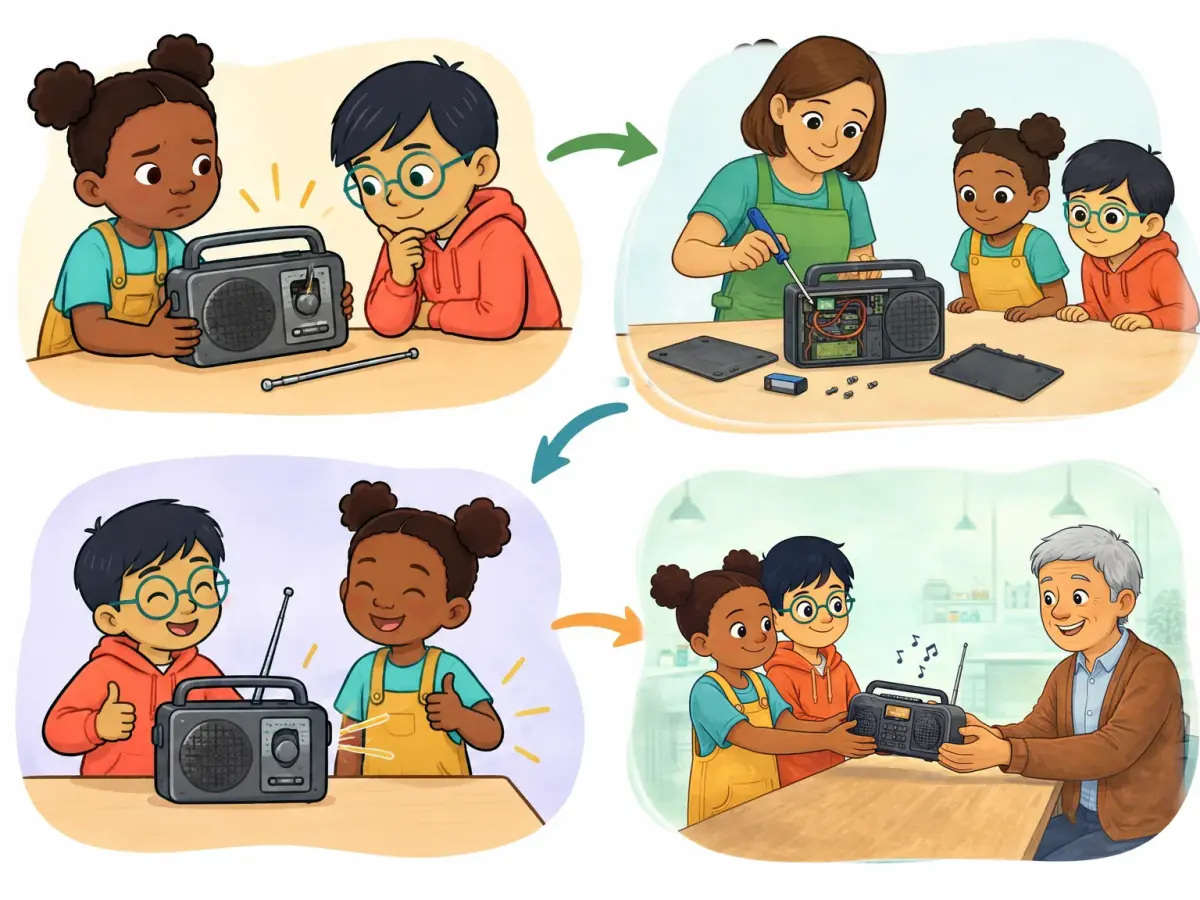
A four-panel repair-café story: the radio will not switch on, an adult volunteer opens it and removes the battery while two children watch, the radio plays again, and the children hand it back to its happy owner.

9~12歳の子どもがA2レベルで、Why not、How about、What aboutを使って英語で提案し、willで理由を加え、修理・再利用・リサイクルについて3つのアイデアを書いたチラシを作れるようにしましょう。

英語で提案するとき、子どもは3つの短い言い出しを使います:“Why not”+動詞(“Why not repair a broken lamp?”)と、“How about”または“What about”+-ing(“How about reusing carrier bags?”)です。提案のあとには、よくwillを使った理由が続きます:“It will stay useful for longer.” このテーマはA2レベルで、簡単な文がすでに書ける9~12歳くらいの子どもに向いています。最後に、修理・再利用・リサイクルについての安全なアイデアを3つ入れた短いチラシを作ります。

この記事が向いている人

  • 簡単な文が書ける子どもの保護者:子どもが週末に何をするか、その理由を言えます。
  • 直したり、作ったり、分けたりするのが好きな子ども:修理のチラシなら、提案に本当の読み手ができます。
  • 家で練習したい保護者:こわれたおもちゃ、空きびん、リサイクル用のごみ箱があれば十分です。このページのカードですべての単語の音声が聞けます。
  • まだ早い場合:2つの考えを“so”や“because”でまだつなげないなら、エコな家の文章でつなぎ言葉から始めましょう(下にリンクがあります)。
  • 簡単すぎる場合:理由のある提案を手伝いなしで書けるなら、野生動物の観察プランでトピックセンテンスへ進みましょう(下にリンクがあります)。

サンプルページを開く

サンプルページを開く

単語カード

recycling centre

a place that sorts used materials for recycling

bottle bank

a container where glass bottles are collected for recycling

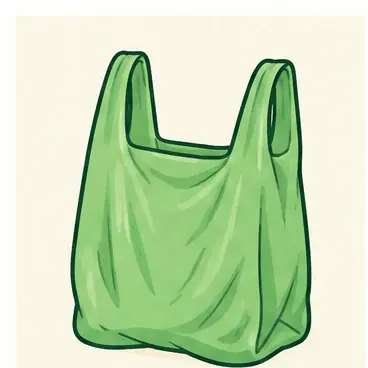
carrier bagcarrier bag
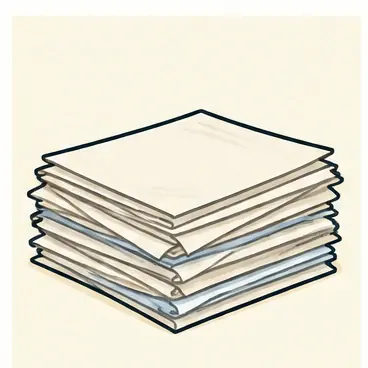
paperpaper
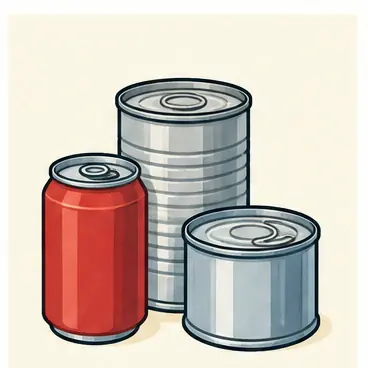
metalmetal
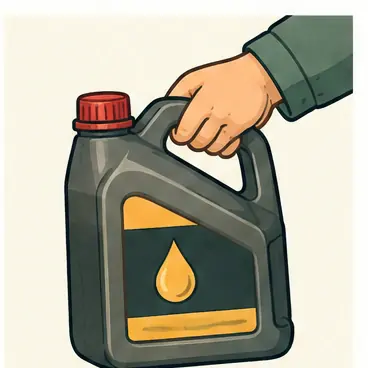
oiloil
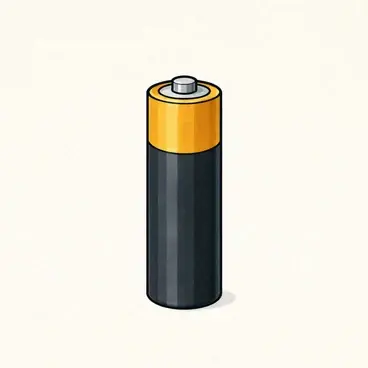
batterybattery
chemicals

substances that need careful identification and safe handling

What will happen to the broken lamp?

Study how this model connects form with meaning.

We will repair it, and we are meeting the technician on Saturday.

Study how this model connects form with meaning.

We will not put batteries in this bin.

Study how this model connects form with meaning.

I am taking the bottles tomorrow.

Study how this model connects form with meaning.

会話

Nia What will happen to the broken lamp?

Leo We will repair it with the technician on Saturday. Before that, we are taking the bottles tomorrow afternoon.

Leo Will we take the batteries?

Nia Yes, but an adult will carry them safely.

Nia When are you visiting the bottle bank?

Leo I am going there tomorrow afternoon.

文の形

What will happen to the broken lamp?

We will repair it, and we are meeting the technician on Saturday.

  • We will not put batteries in this bin.
  • I am taking the bottles tomorrow.

追加の練習

Use the contrast

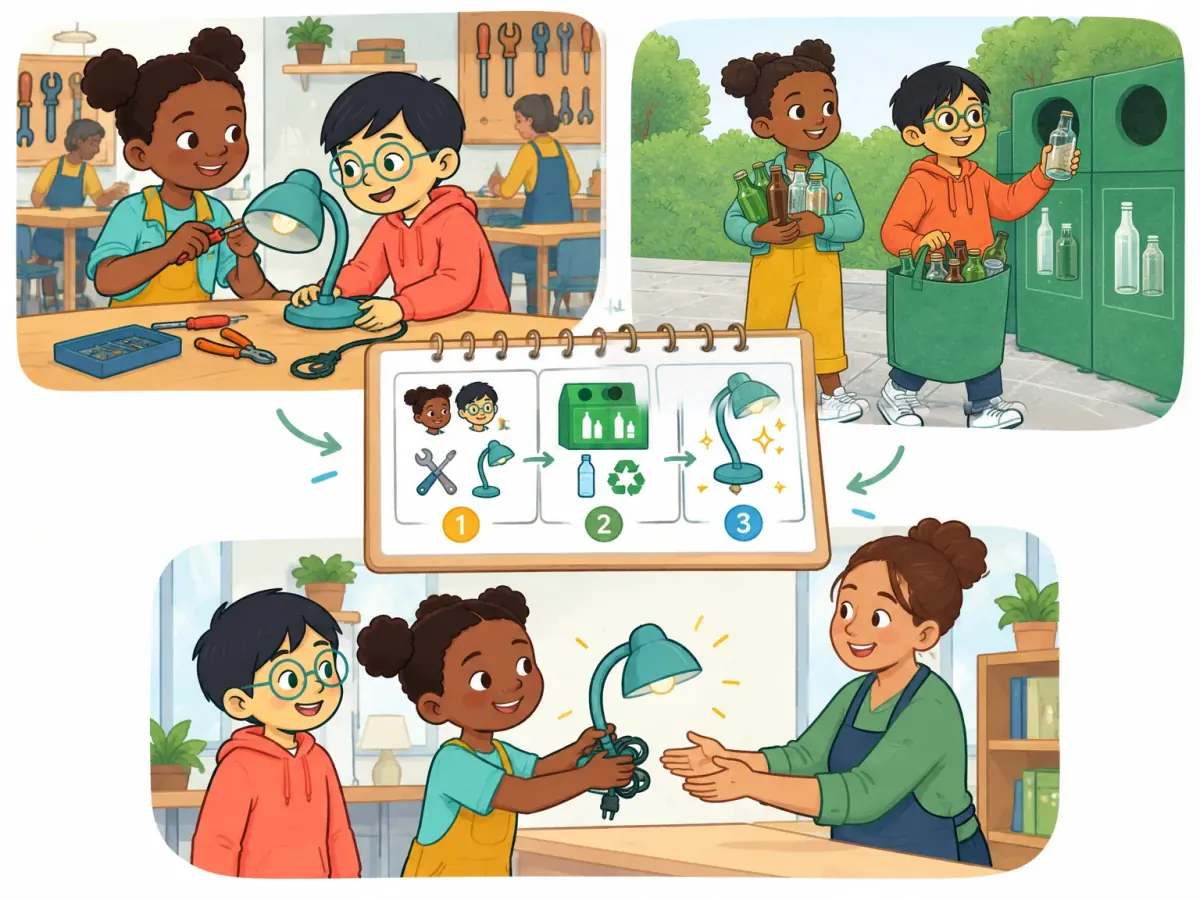
A weekend planning board: Nia and Leo repair a lamp at the repair café, take glass bottles and jars to the bottle bank, and hand the repaired lamp back to its owner.

Nia What will happen to the broken lamp?

Leo We will repair it, and we are meeting the technician on Saturday.

Leo Will we take the batteries?

Nia Yes, but an adult will carry them safely.

Nia When are you visiting the bottle bank?

Leo I am going there tomorrow afternoon.

What will happen to the broken lamp?

We will repair it, and we are meeting the technician on Saturday.

  • We will not put batteries in this bin.
  • I am taking the bottles tomorrow.

A radio gets another chance

A four-panel repair-café story: the radio will not switch on, an adult volunteer opens it and removes the battery while Nia and Leo watch, the radio plays again, and the children hand it back to its happy owner.

A RADIO GETS ANOTHER CHANCE

A radio at our repair café would not switch on. A volunteer first removed the battery safely. Next, she cleaned one loose connection and tested the radio. It played again, so it did not need recycling. The owner will reuse it at home. If it breaks beyond repair one day, a specialist centre will separate its metal, plastic and chemicals safely.

Plan aloud

A four-panel repair-café story: the radio will not switch on, an adult volunteer opens it and removes the battery while Nia and Leo watch, the radio plays again, and the children hand it back to its happy owner.

Nia What suggestions will your leaflet give?

Leo It will suggest three things: repair broken items, reuse bags and take batteries to a specialist centre.

Leo What will you add after each suggestion?

Nia I will add a reason for each one.

What suggestions will your leaflet give?

GIVE OBJECTS ANOTHER CHANCE Why not repair a broken item? It will stay useful for longer. How about reusing carrier bags and clean paper? This will reduce waste. What about taking batteries and oil to a specialist centre? It will keep dangerous chemicals out of ordinary rubbish.

  • heading
  • Why not / How about / What about
  • a reason for each suggestion
  • safe audience advice

Draft and revise

A four-panel repair-café story: the radio will not switch on, an adult volunteer opens it and removes the battery while Nia and Leo watch, the radio plays again, and the children hand it back to its happy owner.

Nia Who will read your text?

Leo Visitors to the repair café will read my leaflet.

Leo What will you check?

Nia I will check my spelling and punctuation.

What suggestions will your leaflet give?

GIVE OBJECTS ANOTHER CHANCE Why not repair a broken item? It will stay useful for longer. How about reusing carrier bags and clean paper? This will reduce waste. What about taking batteries and oil to a specialist centre? It will keep dangerous chemicals out of ordinary rubbish.

  • heading
  • Why not / How about / What about
  • a reason for each suggestion
  • safe audience advice
この単元を学ぶ
どの方法で学びますか?

このテーマのリサイクルと修理の言葉

“recycling centre”は使い終わった物を持って行って分別するリサイクルセンター、“bottle bank”はガラスびんを集める大きな回収箱です。“repair café”は、ボランティアがこわれた物の修理を手伝ってくれる集まりで、たいてい無料です。

“paper”、“metal”、“oil”は数えられない名詞です。日本語で「紙1枚」と「枚」をつけるように、英語でも紙1枚は“a piece of paper”と言います。“a paper”は新聞という意味になります。

  • carrier bag – お店でもらう買い物袋
  • battery – 電池、複数形はbatteries
  • chemicals – 大人が注意して扱う化学物質

提案の3つの言い方

言い出しによって、あとに続く動詞の形が変わります。“Why not”のあとは“to”なしで動詞の原形です:“Why not repair a broken item?” 質問のように見えますが、理由をたずねているのではなく「直してみたら?」という提案です。“How about”と“What about”のあとは-ingか名詞です:“How about reusing carrier bags?” “What about a swap shelf for old toys?” 日本語の「使い直すのはどう?」の「の」が動詞を名詞のようにするのと同じで、-ingも動詞を名詞の形にすると説明すると分かりやすいでしょう。3つとも最後はクエスチョンマークで、感じのよい返事は“Good idea!”です。

  • Why not+動詞:“Why not fix your bike?”
  • How about+-ing:“How about giving old books to the library?”
  • What about+-ing:“What about taking the bottles to the bottle bank?”
  • これもよく使います:“Why don’t you repair it?”

提案ごとに理由をつける

次の文で、それをするとどんないいことがあるかを言うと、提案に説得力が出ます。A2レベルでは“It will…”や“This will…”を使います:“How about reusing paper? This will reduce waste.”

理由は、その行動そのものを説明していなければなりません。“Why not repair your bike? Glass can be recycled.”は正しい文ですが、提案の説明にはなっていません。「みんながこうしたら、どうなる?」と聞いてみましょう。その答えが理由です。

willか、am/are+-ingか?これからのことを話す

“will”は結果や決めたことを表します:“What will happen to the broken lamp?” “We will repair it.” 否定は“will not”または“won’t”です:“We will not put batteries in this bin.”

am、is、are+-ingに時を表す言葉をつけると、もう決まっている予定になります:“I am taking the bottles tomorrow.” 日本語では「明日びんを持って行きます」と言うので、子どもは“I take the bottles tomorrow.”と言いがちです。“tomorrow”がないと、今していることのように聞こえます。1回聞いたあとで“Which happens first, the bottles or the repair?”とたずねてみましょう(答え:the bottles)。

Nia What will happen to the broken lamp?

Leo We will repair it with the technician on Saturday. Before that, we are taking the bottles tomorrow afternoon.

Nia When are you visiting the bottle bank?

Leo I am going there tomorrow afternoon.

re-で始まる言葉:「もう一度」「もとへ」、どちらでもない

子どもはre-がいつも「もう一度」という意味だと思いがちです。“reuse”、“retell”、“rewrite”ではそのとおりですが、“return”は「返す、もどる」、“remove”は単に「取りのぞく」という意味です。“reuse”は物をそのままの形でもう一度使うこと、“recycle”は材料を加工して新しい物にすることです。

  • “Reuse the jar.” – びんをペン立てにする
  • “Recycle the jar.” – ガラスが新しいガラスになる
自分に合った方法でこの単元を学ぶ

短くて安全なチラシを書く

チラシは、学校の修理デーに来る人のような本当の読み手に向けて書きます。見出しを書き、それぞれ違う言い出しと、その提案だけの理由を持つ提案を3つ書きます。例:“GIVE OLD THINGS A SECOND LIFE. Why not repair a broken toy? It will stay useful for longer. How about reusing jars? This will reduce waste. What about taking old batteries to a collection point? It will keep chemicals out of the bin.”

安全第一で:電池、油、化学物質は大人が扱い、電気製品を開けるのも大人です。最後に、子どもがつづりを確かめ、チラシを声に出して読みます。

Leo Will we take the batteries?

Nia Yes, but an adult will carry them safely.

よくある間違いと簡単な直し方

A2レベルでは自然な間違いです。正しい文で言い直して、そのまま続けましょう。

  • “Why not to repair it?”:“Why not repair it?”
  • “How about reuse the bags?”:“How about reusing the bags?”
  • “I am take the bottles tomorrow.”:“I am taking the bottles tomorrow.”
  • “Why not repair it.”:最後にクエスチョンマークをつけます。

家でできる遊び:家族の修理デスク

車輪がゆるんだおもちゃ、空きびん、裏紙を数枚テーブルに置きます。子どもは物ごとに、毎回違う言い出しで提案します。保護者が“Why?”とたずね、子どもは“It will…”で答えます。役を交代したら、いちばんよいアイデアを3つ選んで、冷蔵庫にはるチラシに書きましょう。

次のステップ

次は、長い文章を分かりやすい最初の文のある段落に分け、“going to”で予定と予想を言います。そのあと、修理とすみかについての短い文章を2つ比べます。

よくある質問

“Why not”と“Why don’t you”は同じ意味?

はい。どちらも動詞の原形を使った提案です:“Why don’t you repair it?” “Why not”には主語がないので、みんなに向けたチラシにぴったりです。

“How about to go”?それとも“How about going”?

“How about going”が正しい形です。How aboutとWhat aboutのあとは-ingか名詞を使います:“How about a swap day?”

reuseとrecycleの違いは?

reuseは物をそのままの形でもう一度使うことで、ジャムのびんがペン立てになるような使い方です。recycleは材料を集めて加工し、新しい物にすることで、古いガラスをとかして新しいびんを作ります。

この単元を学ぶ
どの方法で学びますか?

次は何をしましょうか?

ライブの先生と学ぼう

Flalingoのキッズレッスンでは、お子さまがこのような単元をライブの先生とマンツーマンで、同じ画面のゲームを通して練習します。

無料体験レッスンを予約