本文へ移動
Flalingo

英語の練習

子どもと英語でていねいに助けを頼む(A2・10~12歳):“Could you…?”と“Would you mind…?”

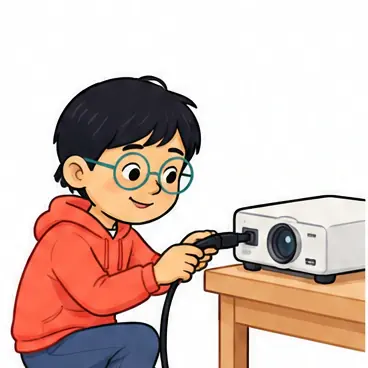
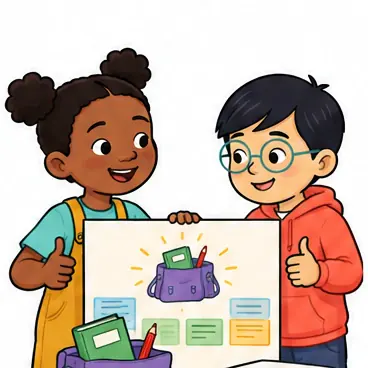
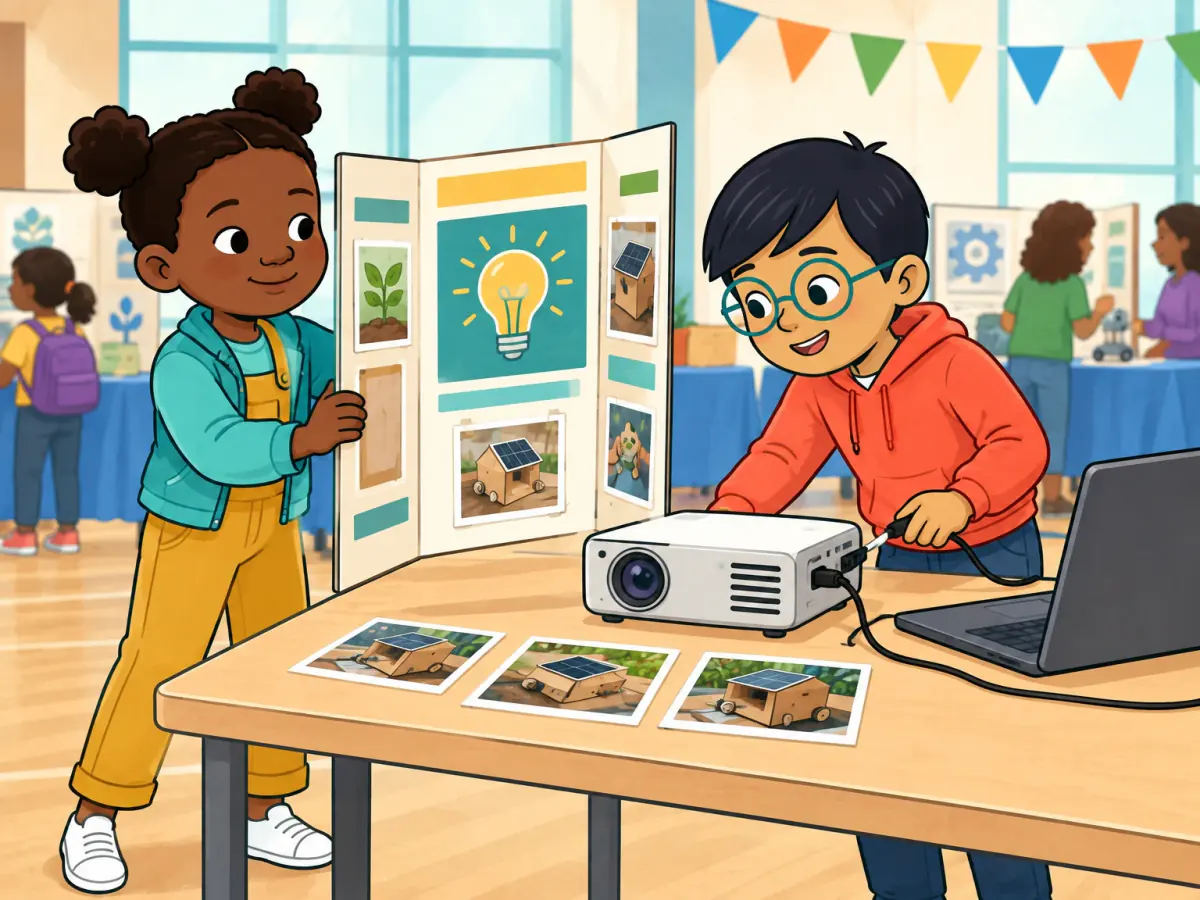
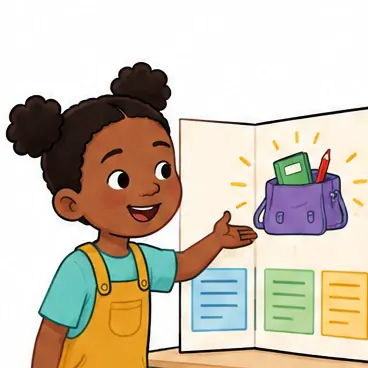
At a community invention fair, a child needs safe help carrying display card, connecting a projector and arranging prototype photographs.

10~12歳の子どもがA2レベルで“Could you…?”と“Would you mind + -ing?”を使ってていねいに助けを頼み、役に立つ質問や安全な次の一歩で答え、役割を分ける短い発明ポスターを計画できるようにしましょう。

英語でていねいに助けを頼むとき、子どもは動詞といっしょに“Could you…?”を使います:“Could you help me move this display?” もう1つのていねいな言い方は、あとに-ingの動詞が続く“Would you mind…?”です:“Would you mind checking the cable?” 役に立つ返事は、まず引き受けて、それから役に立つ質問か安全な次の一歩を加えます:“Of course. Where should I put it?” このA2の記事は、簡単なお願いはできるけれど、これからグループ活動でていねいに、役に立つ話し方をする必要がある10~12歳くらいの子どもの保護者向けです。最後に、役割を分ける短い発明ポスターがあります。

この記事が向いている人

  • “Can you help me?”はもう言えて、これから先生やコーチ、知らない大人にもっとていねいに話す必要がある子どもの保護者。
  • 科学フェアやクラスのプロジェクトなど、役割を分けるグループ活動の準備をしている家庭。
  • 学校の作文を手伝いたい保護者:下のポスター計画はどんなプロジェクトにも使え、会話のすべての行に音声があります。
  • まだ早い場合:“Can I have…?”や“Can you help me?”のような簡単な質問がまだ言えないなら、そこから始めましょう。下にリンクした「子どもの英語:保護者向けガイド」が出発点を示しています。
  • 簡単すぎる場合:“Would you mind holding this? Where should I put the tape?”のような文が助けなしで言えるなら、下のfirst、next、finallyで手順を説明する記事へ進みましょう。

サンプルページを開く

サンプルページを開く

単語カード

Could you help me move this display?
Of course. Where should I put it?
Would you mind checking the cable?
No problem. I will ask the supervisor first.
purposepurpose

why you are writing

first actionfirst action

what happens first

supportsupport

who or what will help you

final checkfinal check

what you check at the end

会話

Nia Could you help me move this display?

Leo Of course. Where should I put it?

Nia Would you mind checking the cable?

Leo No problem. I will ask the supervisor first.

文の形

What will you create?

OUR PLANT HELPER Purpose: remind gardeners when a plant needs water. Please help us arrange the photos. Could you check the safe battery case? We will demonstrate the prototype together.

  • purpose
  • sequence
  • specific detail
  • check

追加の練習

Test the plan aloud

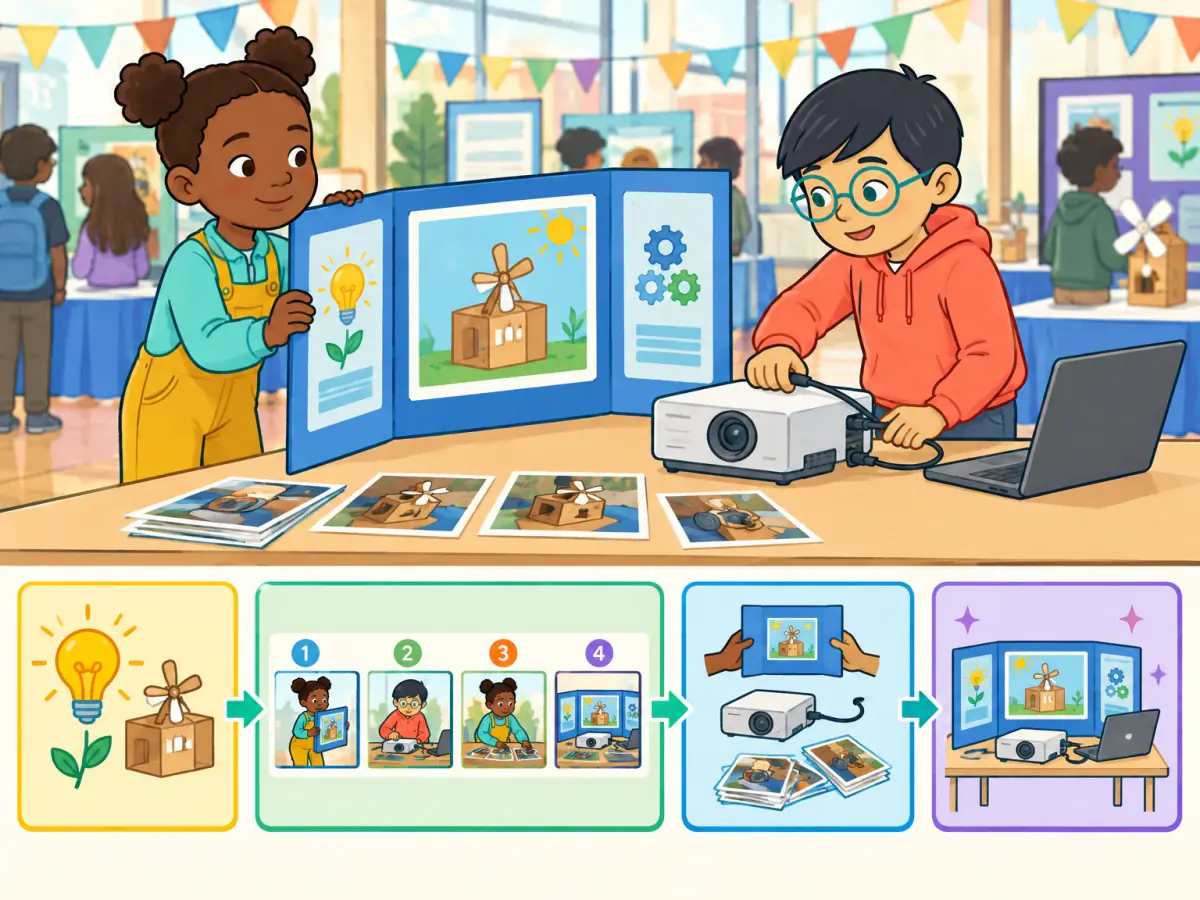
At a community invention fair, Nia needs safe help carrying display card, connecting a projector and arranging prototype photographs. A completed plan has four picture panels for purpose, sequence, support and final check.

Leo What is the first useful detail?

Nia I will state the purpose first.

Nia How will you make it clear?

Leo I will order the actions and check them.

What is the first useful detail?

I will state the purpose first.

  • Then I will order the actions.
  • Finally, I will check the reader can follow.

Writer's studio

At a community invention fair, Nia needs safe help carrying display card, connecting a projector and arranging prototype photographs. A completed plan has four picture panels for purpose, sequence, support and final check.

Nia Who will read your text?

Leo Visitors at the invention fair will read it.

What will you create?

OUR PLANT HELPER Purpose: remind gardeners when a plant needs water. Please help us arrange the photos. Could you check the safe battery case? We will demonstrate the prototype together.

  • purpose
  • sequence
  • specific detail
  • check
この単元を学ぶ
どの方法で学びますか?

ていねいに助けを頼む2つの言い方

“Can you help me?”は友だちや家族には問題ありません。先生やコーチ、知らない大人には“Could you…?”のほうがていねいに聞こえます。このcouldは過去ではなく、お願いをやわらかくする言葉で、日本語の「〜してくれる?」と「〜していただけますか?」の違いに近いものです。couldのあとは動詞の原形です。“Would you mind…?”もていねいで、少し手間のかかるお願いに合い、あとに-ingの動詞が続きます。

  • 親しい言い方:“Can you hold this for a second?”
  • ていねいな言い方:“Could you pass the tape, please?”
  • 大きめのお願い:“Would you mind carrying these boxes?”
  • グループでのていねいな指示:“Please help us arrange the photos.”

まず引き受けて、役に立つ質問をする

役に立つ返事は2つの部分でできています。まず引き受け(“Of course.”、“Sure.”)、次に仕事に必要な情報をたずねます。音声では、手伝う人が展示パネルをどこに置くかをたずねています。その答えがなければ、何をすればいいか半分しか分かりません。

指示をたずねるときは、shouldをIの前に置きます:“Where should I put it?”、“What should I do first?” 日本語の「どこに置けばいいですか?」「まず何をすればいいですか?」にあたる質問です。

Nia Could you help me move this display?

Leo Of course. Where should I put it?

“Would you mind…?”への答え方と安全な次の一歩

“Would you mind…?”は「〜するのはいやではありませんか」とたずねる言い方です。そのため、ていねいに引き受けるときはnoを使った言葉になります:“No problem.”、“Not at all.” 日本語の「かまいませんよ」と同じ考え方です。断るときは理由を言いましょう:“Sorry, I can’t right now. I’m helping Sam.”

ケーブル、プラグ、電池、重い家具には責任者の大人が必要です。だから手伝う人は引き受けたうえで、安全な次の一歩を言います:“I will ask the supervisor first.” “I will…”(話すときは“I’ll…”)は、話しているその場で決めたことを表します。この答えは失礼ではなく、責任ある答えです。

Nia Would you mind checking the cable?

Leo No problem. I will ask the supervisor first.

4つのステップでポスターを計画する

お願いの言い方は書くときにも役立ちます。学校の発明フェアでは、チームのポスターが、発明品が何をするのか、だれがどの仕事をするのかを伝えます。まず読む人を考えましょう:“Who will read your text?” “Visitors at the invention fair will read it.” それから計画を声に出します:“I will state the purpose first.”

  • Purpose(目的):なぜ書くのか、発明品が何をするのか
  • First action(最初の行動):最初に何をするか
  • Support(助け):だれが、または何が助けてくれるか
  • Final check(最後の確認):最後に安全、つづり、順番を確認
自分に合った方法でこの単元を学ぶ

お手本のポスターを1行ずつ

この短いポスターをいっしょに読み、それぞれの行の役割を言ってみましょう。

“OUR PLANT HELPER. Purpose: remind gardeners when a plant needs water. Please help us arrange the photos. Could you check the safe battery case? We will demonstrate the prototype together.”

  • 大文字のタイトル:発明品の名前。
  • 目的:動詞で始まるメモ。“Remind”のあとには人が来て、そのあとにwhenかtoが続きます。
  • ていねいなお願いで書いた2つの仕事。それぞれにはっきりした動詞が1つ。
  • “We will…”:チームの約束。prototypeは最初に動く試作品、demonstrateは動き方を見せるという意味です。

よくある間違いと簡単な直し方

A2の段階では自然な間違いです。正しい文で言い直して続けましょう。

  • “Would you mind to check…?”:mindのあとは-ing:“Would you mind checking…?”
  • “Could you to help me?”:couldのあとにtoはつけません。
  • “Help me moving this”:動詞の原形を使います:“help me move”(“help me to move”も正しい言い方です)。
  • “Where I should put it?”:shouldはIの前:“Where should I put it?”
  • 先生に“Give me the tape.”:文法は正しいけれど命令のように聞こえます。よりよい言い方:“Could you pass me the tape, please?”

家でできる遊び:お願いびん

小さな紙に家の仕事を8つ書きます:テーブルの用意、植物の水やり、ドアを押さえる、など。順番に1枚引いて、“Could you…?”か“Would you mind…?”で頼みます。手伝う人は2つの部分で答えます:引き受けてから、質問か次の一歩を言います。プラグ、オーブン、とがった物が関わる仕事には“No problem. I’ll ask Mum first.”と答えます。

それから子どもが家で使う道具を発明します。たとえば体操服を持っていくのを知らせてくれるリュックです。そして5行のポスターを書きます:タイトル、目的、ていねいなお願い2つ、“We will…”の1行。

次のステップ

次は、first、next、finallyで手順を順番に説明してみましょう。そのあとは、最初のアイデアから試作品までの、発明家の短い伝記を書いてみるとよいでしょう。

よくある質問

“Would you mind”のあとは-ing?それともto?

いつも-ingです:“Would you mind checking the cable?”と言い、“to check”とは言いません。許可を求めるときは“Would you mind if I…?”を使います:“Would you mind if I sat here?”

英語で“Would you mind…?”にはどう答えますか?

“No problem.”か“Not at all.”と答えます。その仕事が負担かどうかをたずねる質問だからです。“Sure.”もよく使われます。断るときは“Sorry, I can’t right now.”と言って理由を加えます。

“Can you…?”と“Could you…?”の違いは?

どちらも助けを頼む言い方です。“Could you…?”のほうがていねいに聞こえるので先生やほかの大人に合い、“Can you…?”は友だちや家族なら十分です。

この単元を学ぶ
どの方法で学びますか?

次は何をしましょうか?

ライブの先生と学ぼう

Flalingoのキッズレッスンでは、お子さまがこのような単元をライブの先生とマンツーマンで、同じ画面のゲームを通して練習します。

無料体験レッスンを予約