
本文へ移動
Flalingo

英語の練習

子どもと英語で手順を説明する(A2、10~12歳):first、next、then、finally

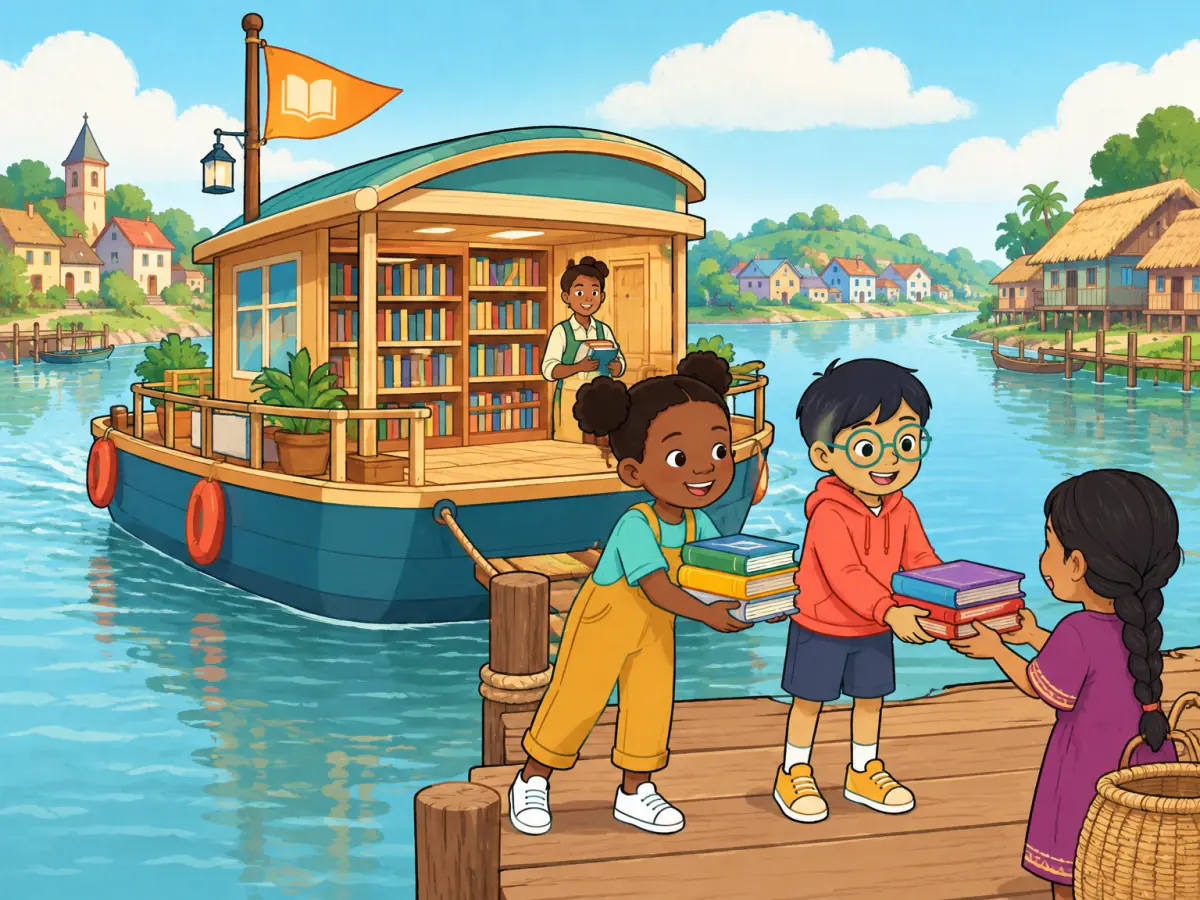
An original book-extract scene follows a floating-library barge delivering books to three river villages.

10~12歳の子どもが、first、next、then、finallyで手順を英語で順を追って説明し、今も続いている作業を“have been + -ing”で伝えられるようにしましょう(A2)。

英語でやり方を説明するときは、各ステップを指示の文で書き、順番を表す言葉で始めます:“First, put on a helmet. Next, check the brakes. Then, start on a clear path. Finally, stop in a safe place.” 前に始まって今も続いている作業を伝えるときは、have または has been + -ingを使います:“I have been testing it since eight this morning.” このA2の記事は、短い英文をわかりやすい順番に組み立てる必要がある10~12歳くらいの子どもの保護者向けです。

この記事が向いている人

  • 短い英文が書けて昨日したことを話せる子どもで、これから複数の文をわかりやすい順番に並べる必要がある子の保護者。
  • 自転車や船、機械が好きな子、物の仕組みを知りたい子:実際の手順は、説明する価値のあるテーマになります。
  • 学校の作文を手伝いたい保護者:下の「絵から文へ」の計画はどんなやり方の説明文にも使え、インタビューのすべての文に音声があります。
  • まだ早い場合:現在完了でforとsinceをまだ使えないなら、下にリンクしたお祭りの手紙の記事(A2)から始めましょう。
  • 簡単すぎる場合:4ステップのわかりやすい文章が書け、“I have been waiting since nine.”を自分で言えるなら、下の発明家の伝記の記事(A2)へ進みましょう。

サンプルページを開く

サンプルページを開く

単語カード

hot-air balloonhot-air balloon
helicopterhelicopter
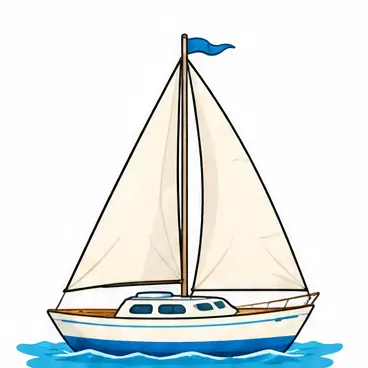
yachtyacht
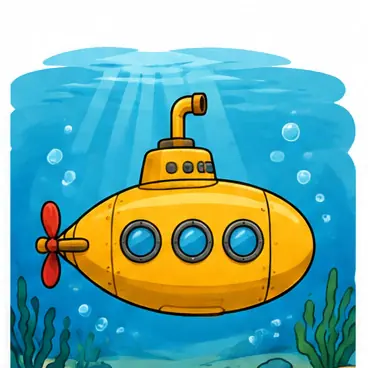
submarinesubmarine
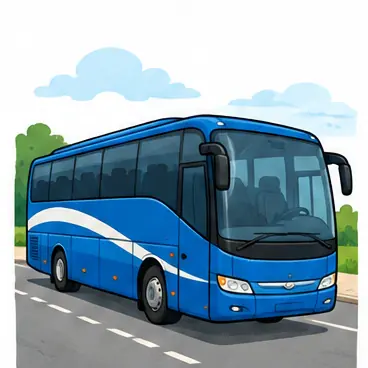
coachcoach
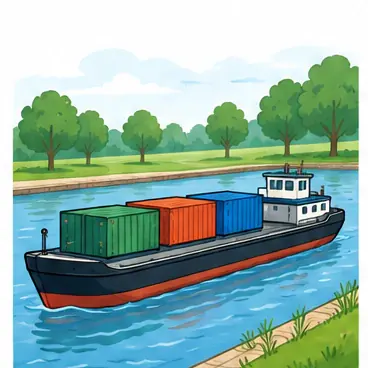
bargebarge
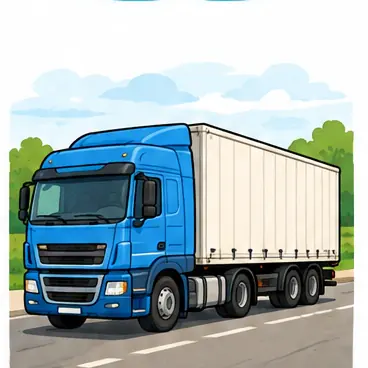
lorrylorry
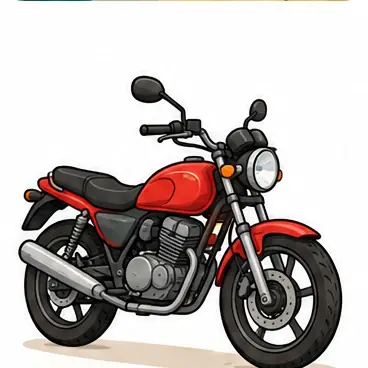
motorbikemotorbike
How long has the engineer been testing it?

He has been testing it all morning.

They have been travelling since eight.
Have you been looking after the batteries?
The team has been checking the panels since eight.

会話

Nia I am reporting from the harbour. Today Leo is playing the engineer of the solar ferry.

Nia How long have you been testing it?

Leo I have been testing it since eight this morning.

Nia What have you been checking?

Leo I have been checking the roof panels and recording their energy use.

Nia What has your team found?

Leo The batteries have been charging reliably, but we have not carried passengers yet.

文の形

How long has the engineer been testing it?

He has been testing it all morning.

  • They have been travelling since eight.
  • Have you been looking after the batteries?
  • The team has been checking the panels since eight.

追加の練習

Talk with the grammar

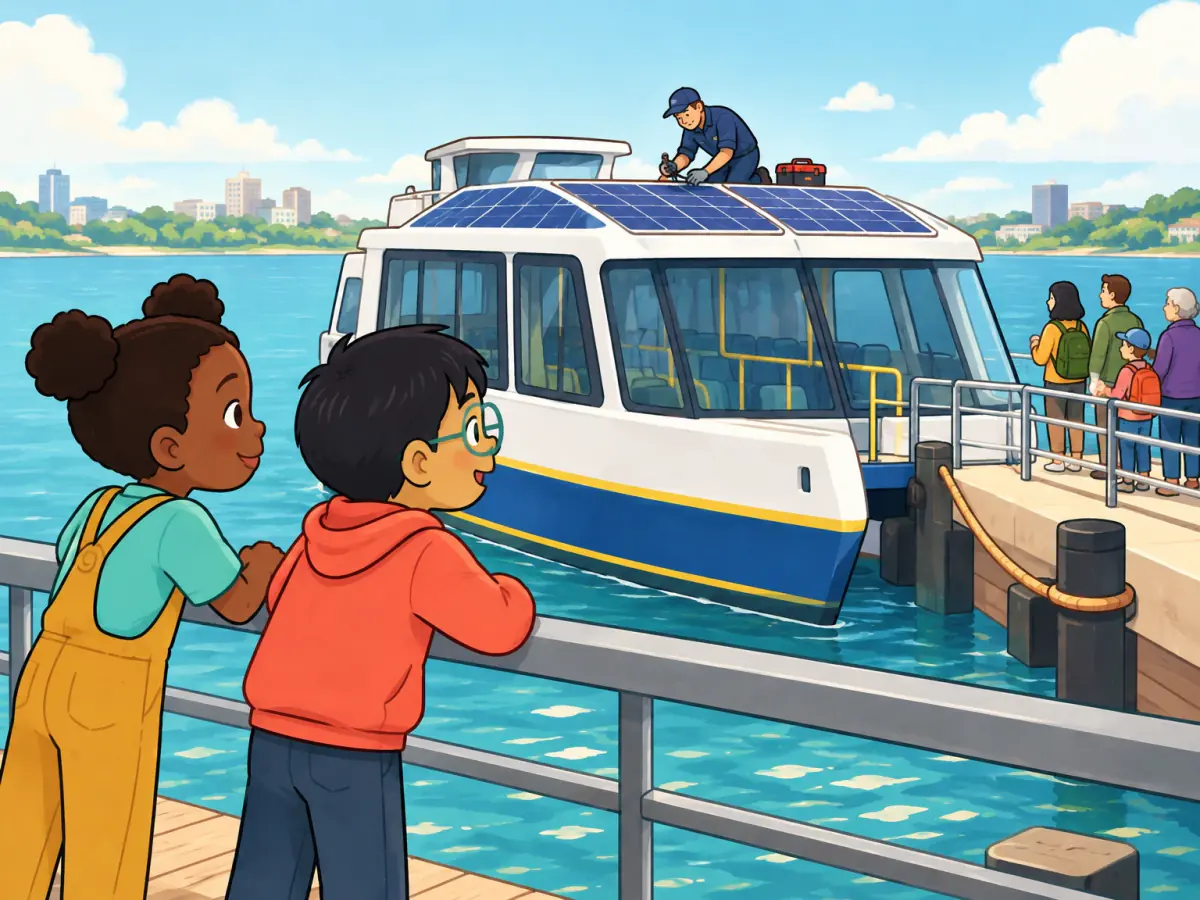
Nia and Leo observe a solar ferry prototype under repair; an engineer has been checking its roof panels all morning while visitors watch safely from the shore.

Leo How long has the engineer been testing it?

Nia He has been testing it all morning.

Nia What has he been checking?

Leo He has been looking after the roof panels.

Leo Have the visitors been waiting long?

Nia They have been waiting since eight.

How long has the engineer been testing it?

He has been testing it all morning.

  • They have been travelling since eight.
  • Have you been looking after the batteries?
  • The team has been checking the panels since eight.

Word study

look after

to take care of someone or something

The captain looks after the boat.

look up

to find information in a book or online

A librarian looks up each title.

look round

to look all around you, or visit all of a place

Put on a helmet and look round.

look forward to

to feel happy about something that will happen

I look forward to the first trip.

Books by barge

An original book-extract scene follows a floating-library barge delivering books to three river villages.

BOOKS BY BARGE

The blue library barge has been moving along the Willow River since Monday. Today, its crew has been carrying boxes to a village without a permanent library. Children have been waiting beside the safe landing stage since breakfast. The captain looks after the boat, while a librarian looks up each requested title. By evening, the barge will visit three communities and collect new reading requests.

Writer's studio

An original book-extract scene follows a floating-library barge delivering books to three river villages.

Nia Who will read your text?

Leo Children who are learning to ride will read it.

How do you ride safely?

HOW TO RIDE A BIKE First, put on a helmet and look round. Next, check the brakes and tyres. Then, start on a clear path and signal before you turn. Finally, slow down and stop in a safe place.

  • They have been travelling since eight.
  • Have you been looking after the batteries?
  • The team has been checking the panels since eight.
この単元を学ぶ
どの方法で学びますか?

順番どおりに:first、next、then、finally

やり方の説明文は、読む人にすることを1ステップずつ伝えます。各ステップは動詞の原形で始め、“you”は使いません:“Check the brakes.” 文頭の順番を表す言葉がそのステップの位置を示し、書くときはふつう後ろにコンマをつけます。firstとfinallyは1回ずつ、nextとthenは途中のステップで何度でも使えます。日本語の「まず、次に、それから、最後に」とほぼ同じ流れです。

  • First:ほかのどのステップよりも先にすること(まず)
  • Next、Then、After that:途中のステップ(次に、それから)
  • Finally:最後のステップ(最後に)

絵からやり方の説明文へ

まず、だれが読む文章かを考えます。自転車に乗る練習をしている子どもが読むなら、各ステップの動作は短く1つか2つにします。多くの子は先に絵をかくと計画しやすくなります:矢印でつないだ4つの箱をかき、それぞれの下に動詞を1つ書きます。箱が1つの文に、矢印が順番を表す言葉になります。

“HOW TO RIDE A BIKE. First, put on a helmet and look round. Next, check the brakes and tyres. Then, start on a clear path and signal before you turn. Finally, slow down and stop in a safe place.”

“signal”は、曲がる前に腕でどちらに曲がるかを示すことです。お手本の中から動詞を8つ見つけて、ジェスチャーで表せるか試してみましょう。

続いている作業を伝える:have been + -ing

指示はすることを伝え、進み具合の報告はだれかが今までずっとしていることを伝えます。過去に始まって今も続いている活動には、have または has + been + -ing(現在完了進行形)を使います。“How long…?”には、sinceと始まった時点、またはforと期間で答えます。質問ではhaveが前に来ます:“Have you been looking after the batteries?”

日本語では「8時からテストしています」と今の形で言うので、子どもは“I am testing it since eight.”と言いがちです。英語では“I have been testing it since eight.”が正しい形です。下では、リポーターが太陽のエネルギーで動く旅客フェリーをテストしているエンジニアにインタビューします。

Nia How long have you been testing it?

Leo I have been testing it since eight this morning.

Nia What have you been checking?

Leo I have been checking the roof panels and recording their energy use.

まだ続いている?それとも結果?

報告では2つの形がよくいっしょに使われます。have been + -ingは今も続いている活動を表します。have + 過去分詞(found、carried)は結果を伝えたり、あることが起きたかどうかを伝えたりします。下のエンジニアの答えには両方が入っています。

  • 続いている活動:“The barge has been moving along the river since Monday.”
  • 結果、またはまだのこと:“We have not carried passengers yet.”

Nia What has your team found?

Leo The batteries have been charging reliably, but we have not carried passengers yet.

自分に合った方法でこの単元を学ぶ

このテーマの言葉:乗り物とlook

lorryとmotorbikeはイギリス英語で、アメリカではtruckとmotorcycleと言います。coachは長距離バスのことです。yachtのchは発音せず、“hot”と韻を踏みます。lookは後ろにつく小さな言葉で意味が変わります。look forward toの後ろには名詞か-ingが来ます。このtoは前置詞だからです。

  • 空:hot-air balloon(熱気球)、helicopter(ヘリコプター)
  • 水の上と水の中:yacht(ヨット)、submarine(潜水艦)、barge(川で荷物を運ぶ平らな船、はしけ)
  • 道路:coach(長距離バス)、lorry(トラック)、motorbike(オートバイ)
  • look after(世話をする):“The captain looks after the boat.”
  • look up(調べる):“A librarian looks up each title.”
  • look round(まわりを見回す):“Put on a helmet and look round.”
  • look forward to(楽しみにする):“I look forward to the first trip.”

よくある間違いと簡単な直し方

A2の段階では自然な間違いです。正しい文で言い直して、そのまま続けましょう。

  • “I am testing it since eight.”:“I have been testing it since eight.”
  • “since two hours”:期間にはforを使います:“for two hours”。
  • “After, check the brakes.”:afterは単独では使いません。“Then”か“After that”と言いましょう。
  • “I look forward to ride.”:“I look forward to riding.”
  • “I have been knowing him for years.”:knowは-ingにしません:“I have known him for years.”

家でできるあそび:手順どおりにやってみよう

サンドイッチ作りのような簡単な作業を1つ選びます。子どもは箱を4つかいてから、first、next、then、finallyで手順を伝えます。保護者は言われたとおりにだけ動きましょう。ステップが抜けているとサンドイッチがおかしなことになり、子どもが文章を直します。

次は役を交代します。保護者が料理をしている間に、子どもが“How long have you been cooking?”や“What have you been doing?”とたずね、保護者はsinceかforで答えます。

次のステップ

次は、技術についての短い文章を2つ読みくらべ、そのあと最初のアイデアから動く試作品までをたどる、発明家の短い伝記を書いてみましょう。

よくある質問

英語で順番を表す言葉には何がありますか?

first、next、then、after that、finallyなど、ステップの順番を示す言葉です。やり方の説明文では、各ステップをこのどれかで始め、ふつう後ろにコンマをつけます。

“I have tested it”と“I have been testing it”の違いは?

“I have been testing it”は活動そのものに注目し、その活動はまだ続いています。“I have tested it”は結果に注目し、テストは終わっています。動作を表す動詞なら、“How long…?”にはふつう-ingを使います。

“look forward to see”と“look forward to seeing”、どちらが正しい?

“look forward to seeing”が正しい形です。このtoは前置詞なので、後ろには名詞か-ingの形の動詞が来ます。

この単元を学ぶ
どの方法で学びますか?

次は何をしましょうか?

ライブの先生と学ぼう

Flalingoのキッズレッスンでは、お子さまがこのような単元をライブの先生とマンツーマンで、同じ画面のゲームを通して練習します。

無料体験レッスンを予約