
本文へ移動
Flalingo

英語の練習

IELTSアカデミック・ライティングTask 1の工程図:概要(overview)の書き方と受動態の使い方

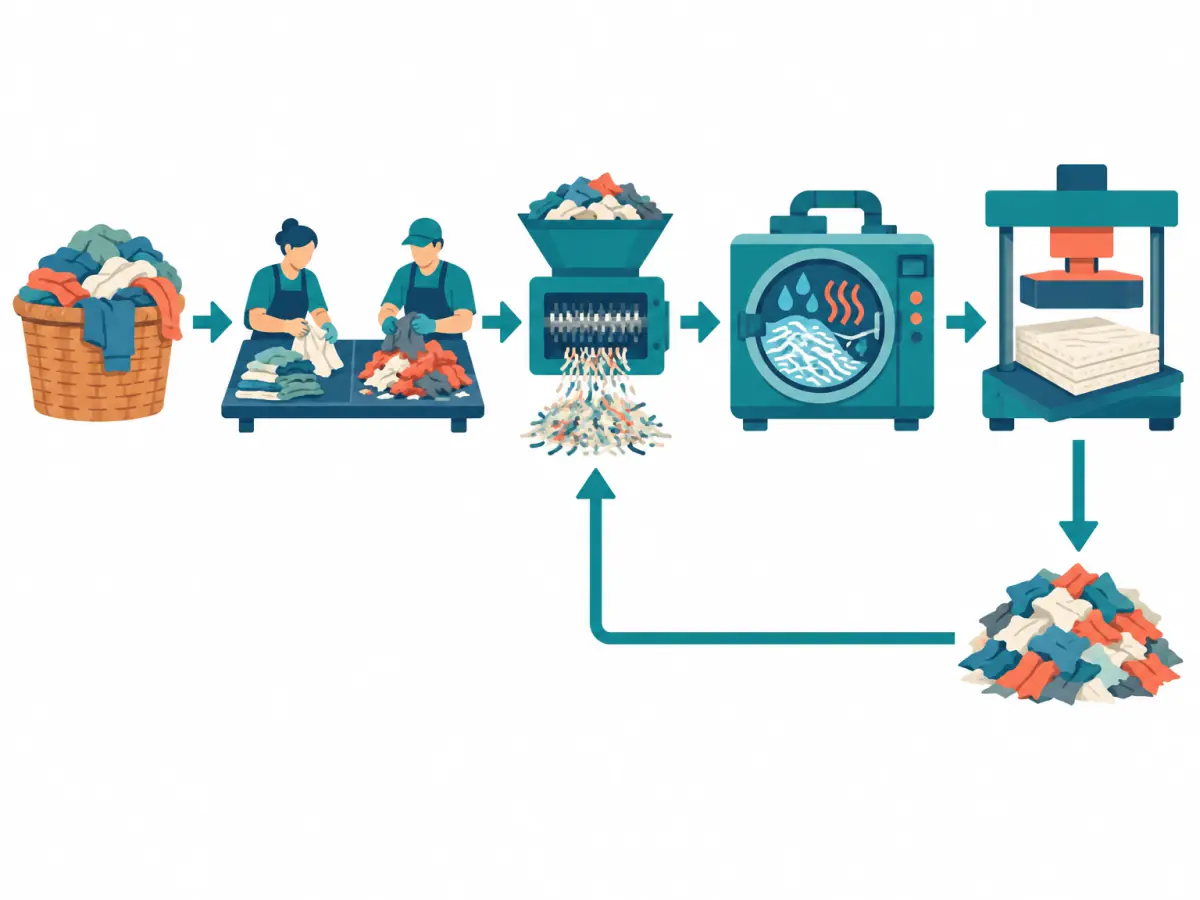
Material recovery cycle

IELTSアカデミック・ライティングTask 1で工程図を説明する方法。投入物、最終製品、戻りの流れを見つけ、まず概要を書き、段階をまとめ、受動態を選ぶまで。B2以上の受験者向けです。

IELTSアカデミック・ライティングのTask 1で出る工程図は、数値ではなく段階を示します。何が投入され、何ができあがり、どこかで流れが戻るかどうかを述べる概要から始めましょう。そのうえで、すべての段階を順番どおりに2つの段落にまとめ、主に受動態で説明します。誰が扱うかより素材が大切だからです。図にない原因や意見は加えないでください。このガイドは、中上級(B2)以上の英語力があるIELTSアカデミックの受験者向けです。

この記事が向いている人

  • グラフや表は扱えても、Task 1で数値の代わりに段階が出ると手が止まる受験者。
  • 工程のレポートがラベルの羅列になり、段階ごとに“then”を置いてしまう人。
  • 理由なく能動態と受動態を行き来したり、戻りの矢印を違う段階につないだりする人。
  • まだ早い場合:Task 1の概要を書いたことがないなら、下の折れ線グラフの記事から始めましょう。同じ習慣を数値で身につけられます。
  • 簡単すぎる場合:工程図のレポートがすでに正確なら、Writing Task 2の論証パラグラフに進みましょう(下のリンク)。

サンプルページを開く

サンプルページを開く

単語カード

active versus passive focus

Choose active for the agent and passive for the receiver or stage.

Workers sort the glass. The glass is sorted by colour.

passive across tenses

Build the passive with the correct form of be plus a past participle.

The leaves are dried; the old shed was removed.

by-agent: include or omit

Name the agent only when it adds useful information.

The samples are sealed. They are checked by an independent technician.

passive infinitive and gerund

Use to be done or being done when the action receiver stays in focus.

The fibre needs to be washed before being pressed.

会話の例

What belongs in the overview?

Used cotton is prepared and transformed into insulation panels, while offcuts are returned to an earlier stage.

The overview states input, product and cyclic feature.

  • is prepared
  • is transformed
  • are returned

文の形

Which focus fits the diagram?

The selected cloth is shredded, then the fibre is washed and dried before being pressed into panels.

The passive keeps the material and stages in focus.

  • is shredded
  • is washed and dried
  • being pressed

追加の練習

Follow the complete cycle

Material recovery cycle

What belongs in the overview?

Used cotton is prepared and transformed into insulation panels, while offcuts are returned to an earlier stage.

The overview states input, product and cyclic feature.

  • is prepared
  • is transformed
  • are returned

Cotton recovery stages

  1. Used cotton cloth is collected
  2. Cloth is sorted by fibre condition
  3. Suitable cloth is shredded
  4. Fibre is washed and dried
  5. Fibre is pressed into insulation panels
  6. Offcuts return to shredding

Structure controls

  • Start: collection
  • Main transformation: shredding → washing/drying → pressing
  • End product: insulation panels
  • Cycle: the return arrow takes offcuts back to the shredder (stage 3)

Check the evidence

Material recovery cycle

Cotton recovery stages: 1 Used cotton cloth is collected; 2 Cloth is sorted by fibre condition; 3 Suitable cloth is shredded; 4 Fibre is washed and dried; 5 Fibre is pressed into insulation panels; 6 Offcuts return to shredding

Structure controls: Start: collection; Main transformation: shredding → washing/drying → pressing; End product: insulation panels; Cycle: offcuts return to stage 3

Cotton recovery stages

  1. Used cotton cloth is collected
  2. Cloth is sorted by fibre condition
  3. Suitable cloth is shredded
  4. Fibre is washed and dried
  5. Fibre is pressed into insulation panels
  6. Offcuts return to shredding

Structure controls

  • Start: collection
  • Main transformation: shredding → washing/drying → pressing
  • End product: insulation panels
  • Cycle: offcuts return to stage 3
  1. What is the process input?

    答えと解説を見る

    used cotton cloth

    Collection begins with used cotton cloth.

  2. Which stage directly precedes pressing?

    答えと解説を見る

    washing and drying

    The visible sequence puts washing and drying before pressing.

  3. What makes the process partly cyclical?

    答えと解説を見る

    Offcuts return to shredding.

    The return arrow connects offcuts to stage 3.

Describe Process Stages: transfer

Material recovery cycle

Cotton recovery stages

  1. Used cotton cloth is collected
  2. Cloth is sorted by fibre condition
  3. Suitable cloth is shredded
  4. Fibre is washed and dried
  5. Fibre is pressed into insulation panels
  6. Offcuts return to shredding

Structure controls

  • Start: collection
  • Main transformation: shredding → washing/drying → pressing
  • End product: insulation panels
  • Cycle: offcuts return to stage 3

Build connected process prose

Collection staff receive the cloth. Workers inspect it and remove unsuitable material. Machines shred the selected cloth. A closed system washes and dries the fibre. A press shapes it into panels. Staff return offcuts to the shredder.

Which focus fits the diagram?

The selected cloth is shredded, then the fibre is washed and dried before being pressed into panels.

The passive keeps the material and stages in focus.

  • is shredded
  • is washed and dried
  • being pressed

Cotton recovery stages

  1. Used cotton cloth is collected
  2. Cloth is sorted by fibre condition
  3. Suitable cloth is shredded
  4. Fibre is washed and dried
  5. Fibre is pressed into insulation panels
  6. Offcuts return to shredding

Structure controls

  • Start: collection
  • Main transformation: shredding → washing/drying → pressing
  • End product: insulation panels
  • Cycle: offcuts return to stage 3

Check the evidence

Collection staff receive the cloth. Workers inspect it and remove unsuitable material. Machines shred the selected cloth. A closed system washes and dries the fibre. A press shapes it into panels. Staff return offcuts to the shredder.

Cotton recovery stages

  1. Used cotton cloth is collected
  2. Cloth is sorted by fibre condition
  3. Suitable cloth is shredded
  4. Fibre is washed and dried
  5. Fibre is pressed into insulation panels
  6. Offcuts return to shredding

Structure controls

  • Start: collection
  • Main transformation: shredding → washing/drying → pressing
  • End product: insulation panels
  • Cycle: offcuts return to stage 3
  1. Which sentence keeps the material in focus?

    答えと解説を見る

    The selected cloth is shredded.

    The passive subject is the material shown in the process.

  2. When is a by-agent useful?

    答えと解説を見る

    when the agent adds relevant information

    A by-agent is omitted when it is unknown or unimportant.

  3. Which sequence is accurate?

    答えと解説を見る

    Fibre is washed and dried before pressing.

    That order matches stages 4 and 5.

Control Passive Focus and Sequence: transfer

Material recovery cycle

Cotton recovery stages

  1. Used cotton cloth is collected
  2. Cloth is sorted by fibre condition
  3. Suitable cloth is shredded
  4. Fibre is washed and dried
  5. Fibre is pressed into insulation panels
  6. Offcuts return to shredding

Structure controls

  • Start: collection
  • Main transformation: shredding → washing/drying → pressing
  • End product: insulation panels
  • Cycle: offcuts return to stage 3
この単元を学ぶ
どの方法で学びますか?
アカウントをお持ちですか?

無料アカウントで1つの単元をずっと開いておけます。

工程図で求められること

工程図は、何かがどのように作られ、どう変化するかを段階ごとに示します。意見を入れずに150語以上で、次の4つの部分に分けてまとめましょう。

  • 導入:図が示す内容を自分の言葉で。
  • 概要:投入物、最終製品、循環があればその循環。
  • 詳細の段落1:最初の段階のまとまり。
  • 詳細の段落2:残りの段階と戻りの流れ。

図を読む:投入物、製品、戻る地点

このページの練習用の図は、綿の回収工程を示しています。書く前に、投入物(使用済みの綿の布)、最終製品(断熱パネル)、そして戻りの矢印がどこで終わるかを確認しましょう。矢印は回収ではなく、3番目の段階である細断に戻ります。

図には理由も時間も量も示されていないので、レポートにも書きません。ラベルは次のとおりです。

  • 1. “Used cotton cloth is collected”
  • 2. “Cloth is sorted by fibre condition”
  • 3. “Suitable cloth is shredded”
  • 4. “Fibre is washed and dried”
  • 5. “Fibre is pressed into insulation panels”
  • 6. “Offcuts return to shredding”

まず概要を書く

Task 1の採点基準は、主な傾向、違い、または段階を明確に示す概要に触れています。工程の場合、それは投入物、製品、循環のことで、機械や細かい手順は入れません。

このページの音声付きの例は、“What belongs in the overview?”と問い、“Used cotton is prepared and transformed into insulation panels, while offcuts are returned to an earlier stage.”と答えています。

この工程を部分的に循環させているのは何でしょうか?

段階を2つの段落にまとめる

素材が最も大きく変わるところで工程を分けましょう。ここでは、細断の前の準備と、細断から始まる加工です。

  • 準備:“First, used cotton cloth is collected and sorted according to the condition of its fibres.”
  • 加工:“Suitable cloth is then shredded, after which the fibre is washed and dried before being pressed into insulation panels.”
  • 循環:“Any offcuts are returned to the shredding stage.”
  • 動詞1つだけの文を6つ並べるとリストのように読め、1文に動詞を2〜3つ入れるとレポートらしくなります。

受動態か能動態か:焦点を選ぶ

工程のレポートの中心は素材なので、ふつうは素材が主語になります。“Workers sort the glass. The glass is sorted by colour.” 受動態はガラス(glass)に焦点を保ちます。このページの各カードには音声があります。

  • 形:be+過去分詞で、時制はbeが表します。“The leaves are dried; the old shed was removed.” 定期的に繰り返される工程には現在形(present simple)を使います。日本語は「回収される」「分類される」のように動詞の形だけで受け身を表しますが、英語ではbeと過去分詞の2つが必要なので、“is”を落とさないようにしましょう。
  • 行為者:“by …”は情報を加えるときだけ使います。“The samples are sealed. They are checked by an independent technician.”では“by an independent technician”が情報になりますが、“by workers”ではなりません。
  • 動詞や前置詞の後:“The fibre needs to be washed before being pressed.”には、受動態の不定詞と受動態の動名詞の両方が入っています。“Needs washing”も正しい形です。
  • 自然の工程は能動態のままのことが多いです。例:“the eggs hatch”。目的語なしで使われる動詞には受動態がありません。
自分に合った方法でこの単元を学ぶ

順序を保つつなぎの語

つなぎの語は矢印と一致していなければなりません。このページの2つ目の音声付きの例は、“Which focus fits the diagram?”と問い、“The selected cloth is shredded, then the fibre is washed and dried before being pressed into panels.”と答えています。

  • “First”、“next”、“after that”、“finally”:変化をつけつつ、重ねすぎないようにしましょう。
  • “Once”+現在完了の受動態:“Once the fibre has been dried, it is pressed into panels.”
  • “before”または“after”+“being”+過去分詞:“after being sorted”。
  • “Fibre is washed and dried before pressing”は正確ですが、“Panels are pressed before washing”は誤りです。

点を落とす間違い

練習で書いたレポートごとに、次の点を確認しましょう。

  • 投入物、製品、循環のない概要。
  • 違う段階につないだ戻りの矢印。
  • 受動態のない動詞を無理に受動態にする:“is consisted of”、“was happened”。
  • “be”の抜け:“The cloth sorted by condition”。
  • 図にない原因:“to protect the environment”。

20分の試験ルーティン

週に3回、図を1つ使い、時間を計って練習しましょう。

  • 3分:投入物、製品、すべての矢印、戻る地点に印をつける。
  • 2分:段階を2つにまとめ、概要を書く。
  • 12分:導入、概要、詳細の段落2つを書く。
  • 3分:段階の順序、すべての“be”、“shredded”や“dried”などのつづりを確認する。
  • 最後に、重要な行為者だけに触れながら、工程を声に出して説明し直す。

次のステップ

地図も、報告するデータのないTask 1の図です。同じ場所の2つの平面図を、“was converted into”や“was replaced by”などの過去形の受動態で説明します。その次のWriting Task 2では、根拠が裏づける以上のことを主張しない論証が求められます。

よくある質問

IELTSの工程図では受動態を使うべきですか?

人が行う工程なら、たいていはそうです。誰が扱うかより素材が大切だからです。自然の循環は能動態で書くことが多いです。

IELTSの工程図は、すべての段階を説明する必要がありますか?

はい。詳細の段落で、順番どおりにまとめて説明します。概要では投入物、製品、循環だけに触れます。

IELTSのTask 1の工程図の答案は、どのくらいの長さが必要ですか?

約20分で150語以上です。Task 2の比重はTask 1の2倍なので、エッセイの時間を確保しましょう。

FlalingoはIELTSを運営する団体と提携しておらず、それらの団体から承認を受けていません。

この単元を学ぶ
どの方法で学びますか?
アカウントをお持ちですか?

無料アカウントで1つの単元をずっと開いておけます。

次は何をしましょうか?

Flaiで練習を続けよう

Flaiは、音声会話、訂正内容、レッスンレポートでスピーキング練習を支えるFlalingoのAIアプリです。

ライブの先生と学ぶ

Flalingoのレッスンでは、このような単元をライブの先生とマンツーマンで練習します。