
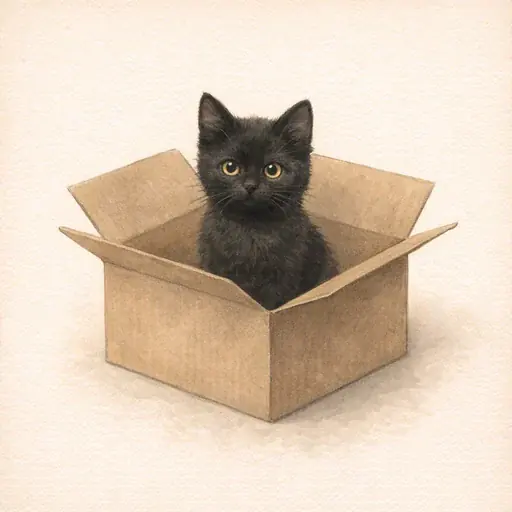
 in
in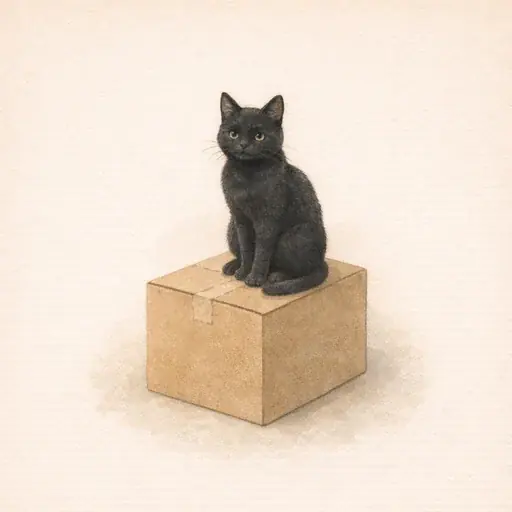 on
on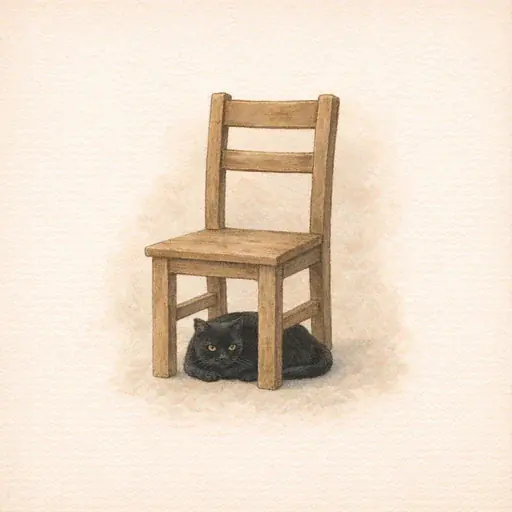 under
under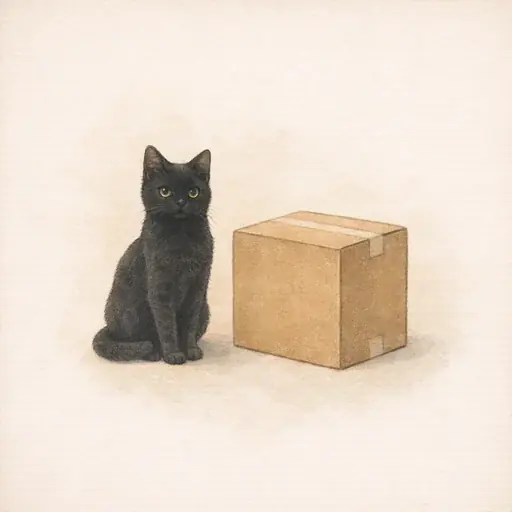 next to
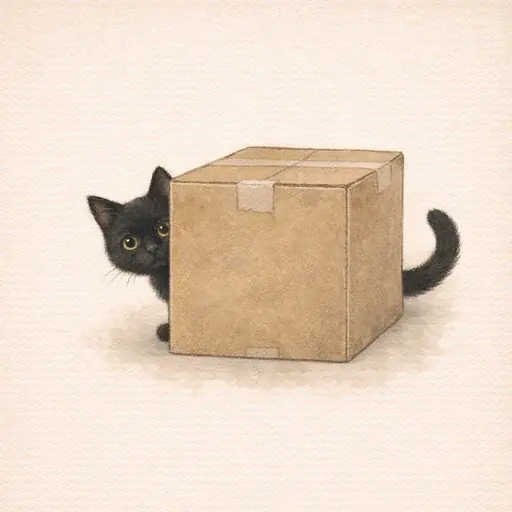 behind
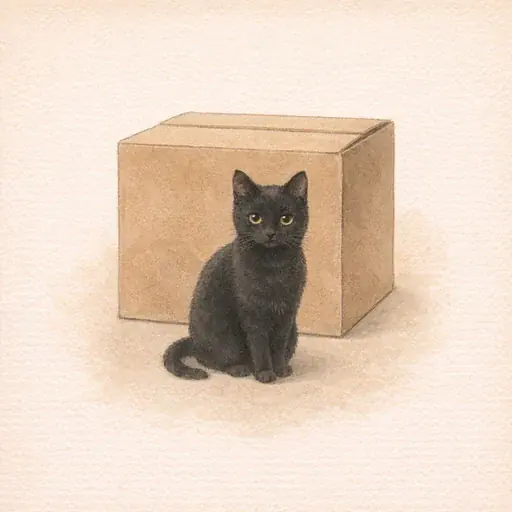 in front of
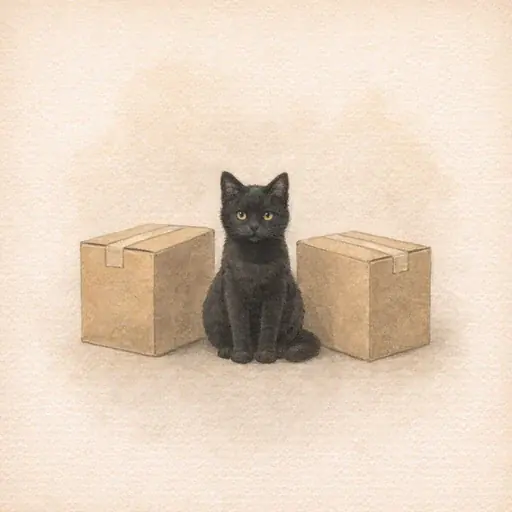 between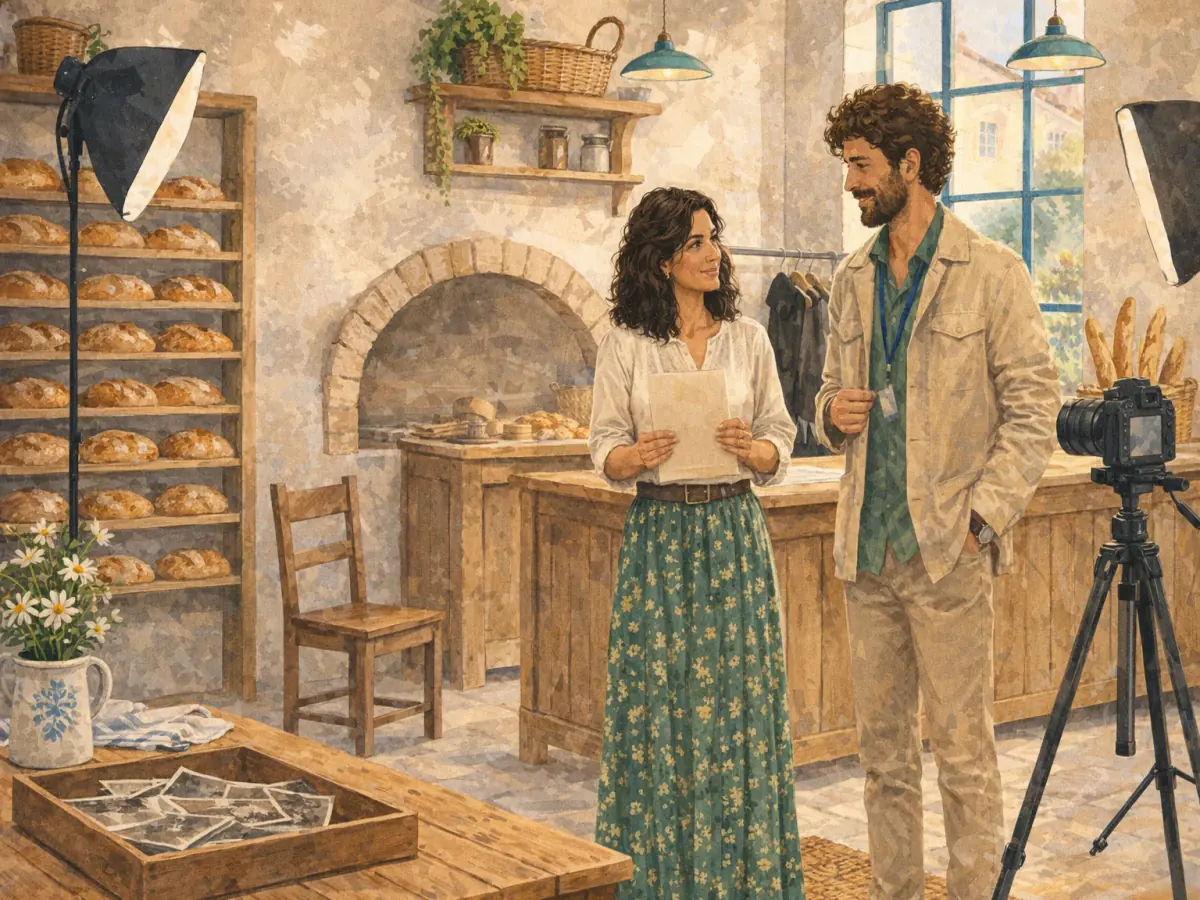
まず写真全体、それから細部へ
分かりやすい描写は大きいところから小さいところへ進みます。何を写した写真か、いつどこで撮ったか、人を1人ずつ、最後になぜ大切か、の順です。次の書き出しがほとんどの仕事をしてくれます。
- “This photo shows …” – この写真には…が写っています。
- “I took it last summer at my cousin’s wedding.” – 去年の夏、いとこの結婚式で撮りました。
- “The person on the left is …” – 左の人は…
- “I like this picture because …” – この写真が好きなのは…だからです。
“There is”、“there are” と位置の表現
動作の前に、“there is/are” で写真に何があるかを言います。“There are two chairs next to the window.” 日本語の「ある・いる」は1つでも複数でも同じですが、英語では複数なら “there are” です。次に人や物の位置を言います。日本語は「テーブルの上に」のように位置の言葉が後ろに来ますが、英語は “on the table” のように前に来ます。
- “in”(中に):“A woman is standing in the doorway.”
- “under”(下に):“The black bag is under the chair.”
- “next to”(隣に):“He’s standing next to the woman in the red coat.”
- “in front of”(前に):“The photographer is standing in front of the group.”
- “between”(間に):“Her aunt is standing between them.”
写真の動作は現在進行形、習慣は現在形
写真の中の人がしていることはその瞬間に起きているので、“am/is/are + -ing” を使います。その瞬間の外にある事実や習慣は現在形で言います。日本語の「〜ている」は「銀行で働いている」のように習慣にも使えますが、英語では分けます。1つの段落に両方あると、何がいつものことで、何がその瞬間だけのことかが伝わります。
- 今:“The photographer is moving the lamp.”
- 習慣:“He works in a studio every weekday.”
- 一時的なこと:“This month, he’s helping with an archive project.”
- 状態を表す動詞はふつう現在形のまま:“They look tired but excited.”
短い会話:昔の写真を撮り直す
2人が1986年にパン屋で撮られた家族写真を撮り直しながら、誰が何を持っていたか、みんながどこに立つかを確かめています。“usually works”(習慣)から “is parking”(今)への切り替えに注意して聞きましょう。
Owen Got it. What are you holding in the old photo?
Maya A tray of bread. I’m holding the menu at the moment, so let’s swap it.
Owen Your aunt usually works at the new bakery. Is she joining us?
Maya Yes. She’s parking the car, and then she can stand between us for the final picture.
服:“wear”、“carry”、“a pair of”
人が写っている写真には、ほぼ必ず服が出てきます。つまずきの多くは3つの小さな言葉から起こります。
- “wear” は服とアクセサリーに:“She’s wearing a green jacket over a white T-shirt.” 日本語では服は「着る」、靴やズボンは「履く」、帽子は「かぶる」、眼鏡は「かける」と分けますが、英語はすべて “wear” です。
- “carry” はかばんやスーツケースに:“He’s carrying a case.”
- 目的語のない “dress” は服装のスタイルに:“She’s dressing casually this week.”
- “a pair of” は複数形の服に:“a pair of trousers”, “two pairs of socks”。
- “shirt” と “skirt” は “her” と同じ長い母音で発音します:“The woman in the purple skirt is wearing a white shirt.”
100〜130語の写真描写を書く
100〜130語の段落なら、場所、人、理由を1つ入れるのに十分な長さで、1分ほどで話せる短さです。次の順番で組み立てましょう。
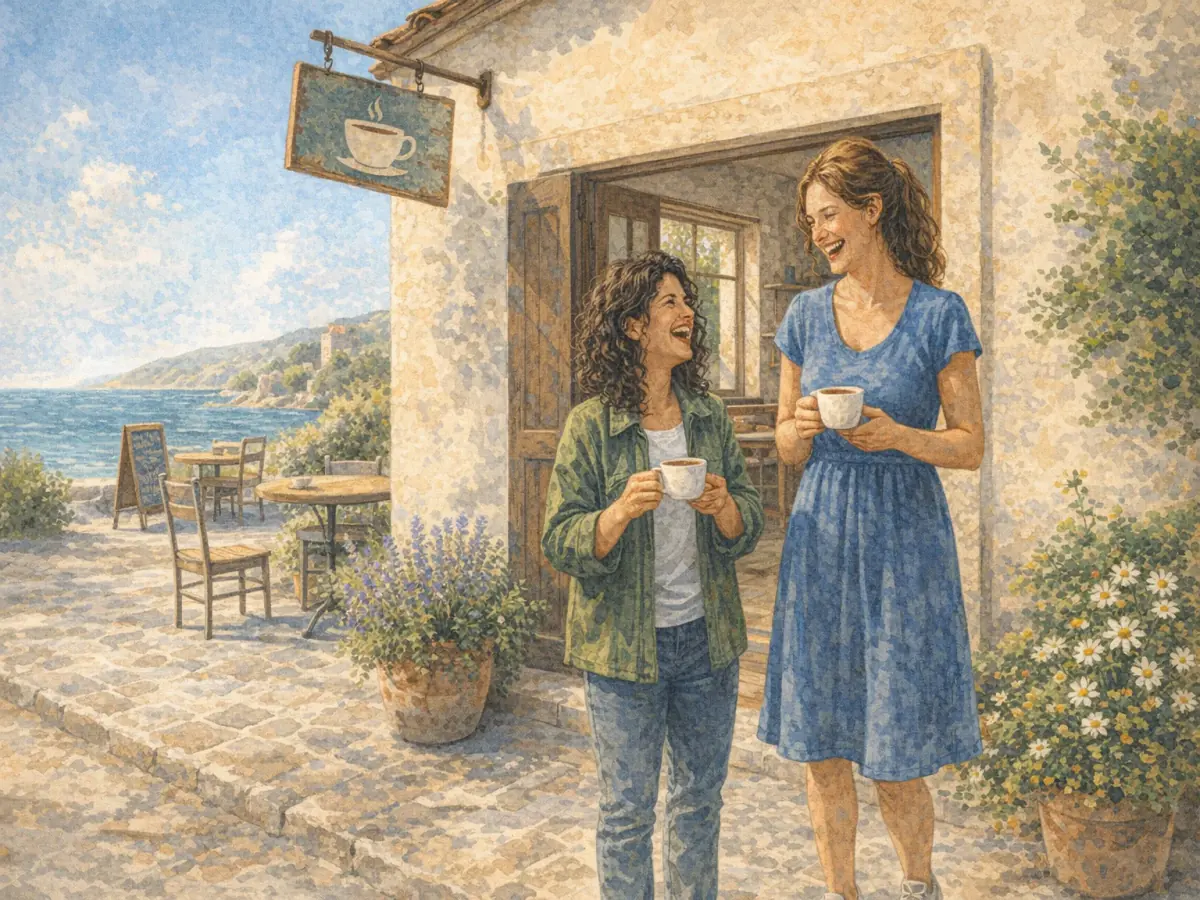
- 何と誰:“This photo shows my sister Lale and her business partner, June, outside their new café.”
- いつ:“I took it on the morning they opened last May.”
- 左から1人ずつ:どこにいるか、どんな見た目か、何を着ているか。
- 習慣とその瞬間:“Lale usually works in the kitchen … In the photo, they’re holding the first two cups of coffee.”
- なぜ大切か:“I like this picture because … it captures the exact moment their plan became real.”
よくある間違い
どれも簡単に直せます。
- “He wears a coat.” 写真で見えている様子なので “He’s wearing a coat.” と言います。
- “There is two chairs.” 複数なら “there are” です。“There are two chairs.”
- “She’s wearing a bag.” かばんは持つものです。“She’s carrying a bag.”
- “a trousers”、“a jean”。“a pair of trousers”、“jeans” と言います。
- 人を並べて終わる。写真がなぜ大切かを言う最後の1文がないと、ただのリストに見えてしまいます。
1日10分の練習法
スマートフォンにある実際の写真を選びましょう。知っている人を描写するほうが簡単です。
- 2分:会話を再生し、1文ごとに止めて繰り返します。
- 3分:自分の写真について5文言います。“there is/are” で1文、位置の表現で2文、“-ing” の動詞で2文です。
- 3分:上の順番で段落を書き、語数を数えます。目標は100〜130語です。
- 2分:声に出して読み、“photographer” と “about” の弱い母音(/ə/)を意識します。
次のステップ
ある瞬間を描写できるようになったら、その前後に何があったかを語りましょう。背景、転機、結末のある短い旅の話です。その次は、ある経験が今何を変えたかのように、過去の出来事を現在につなげて書きましょう。