
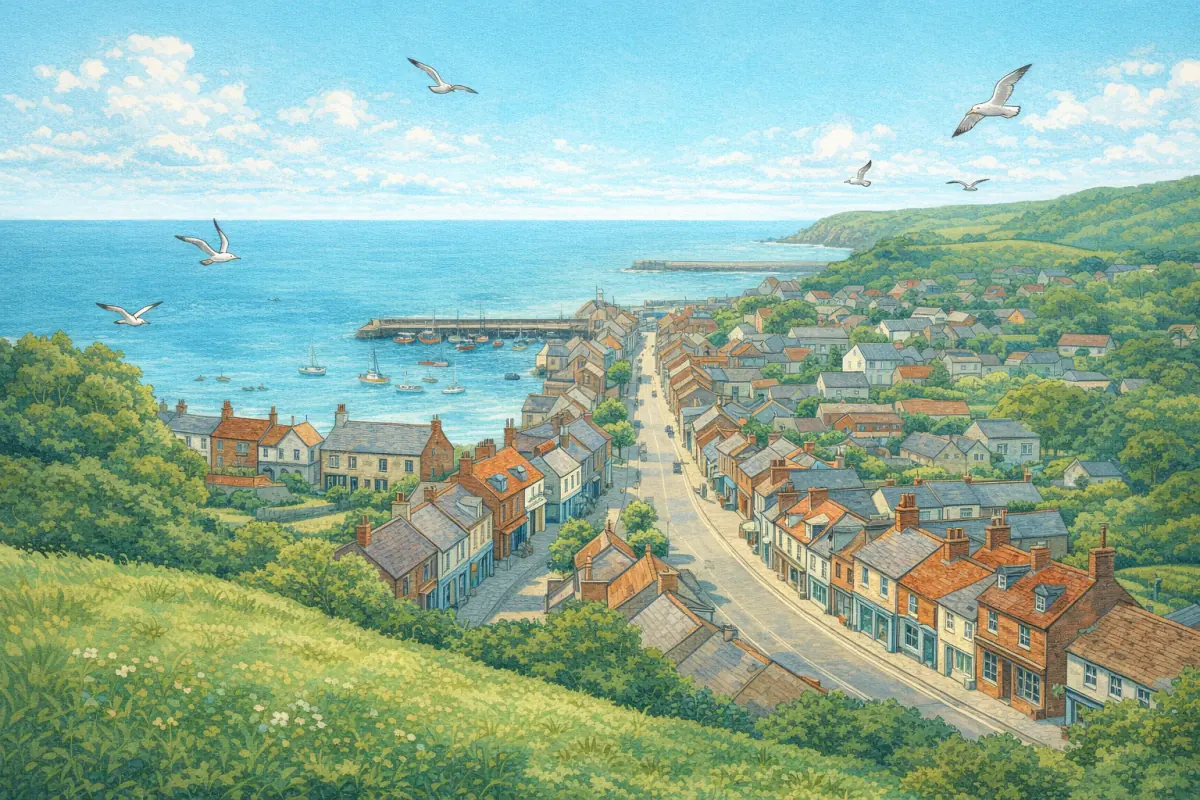
 square
 bridge
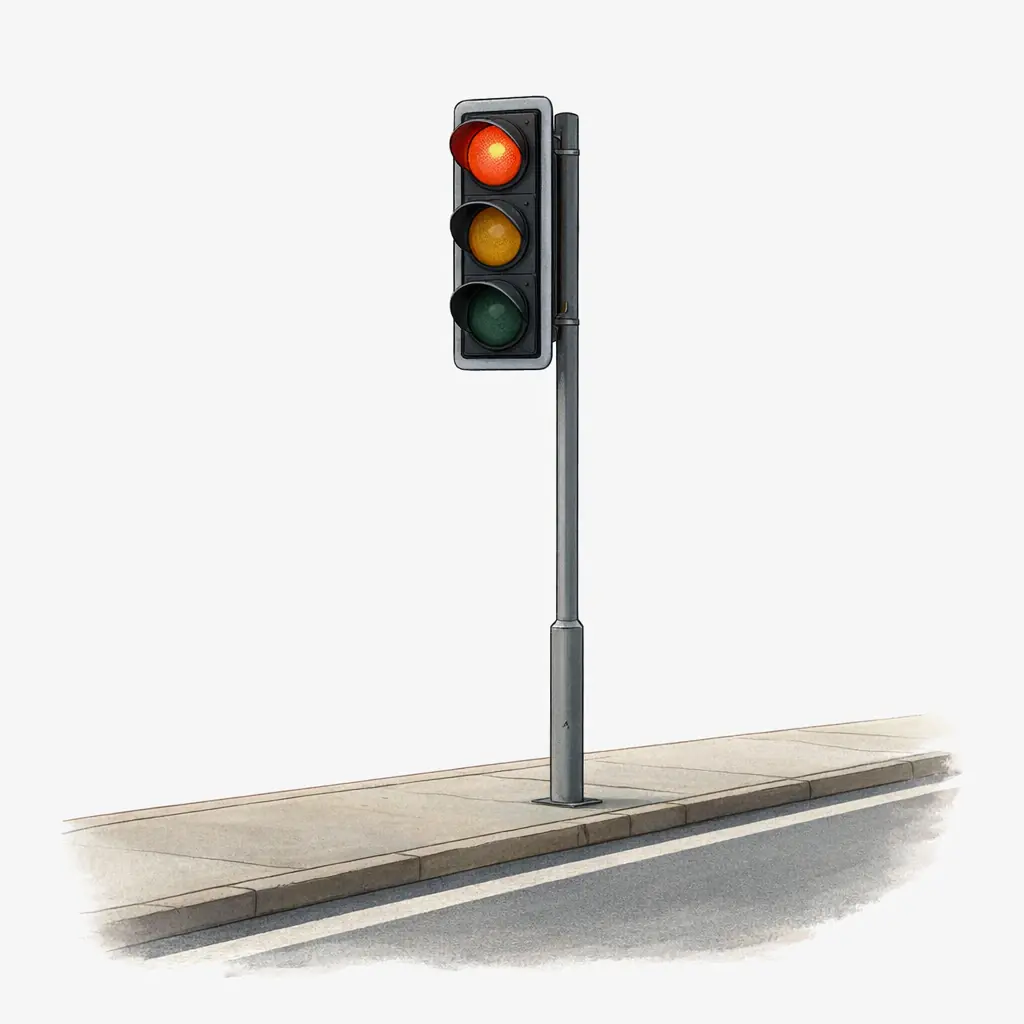 traffic light
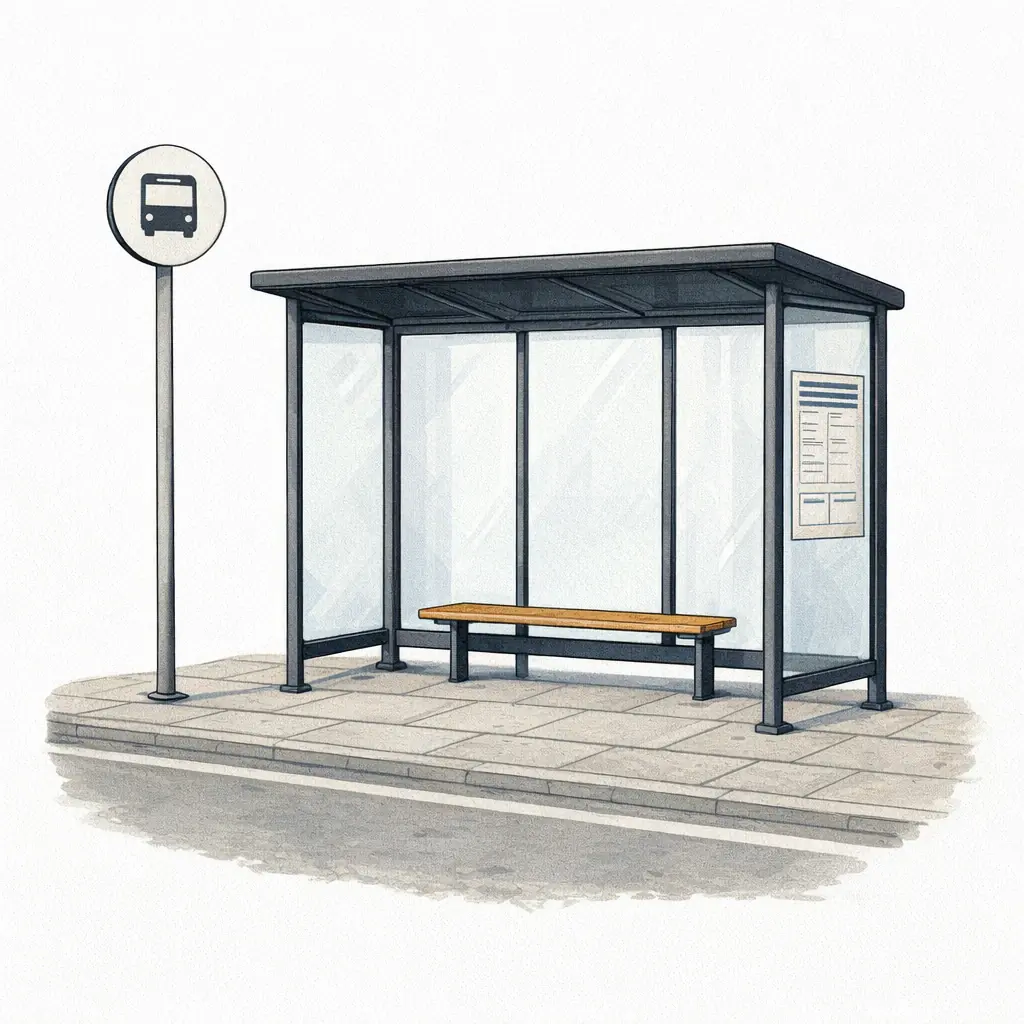 bus stop
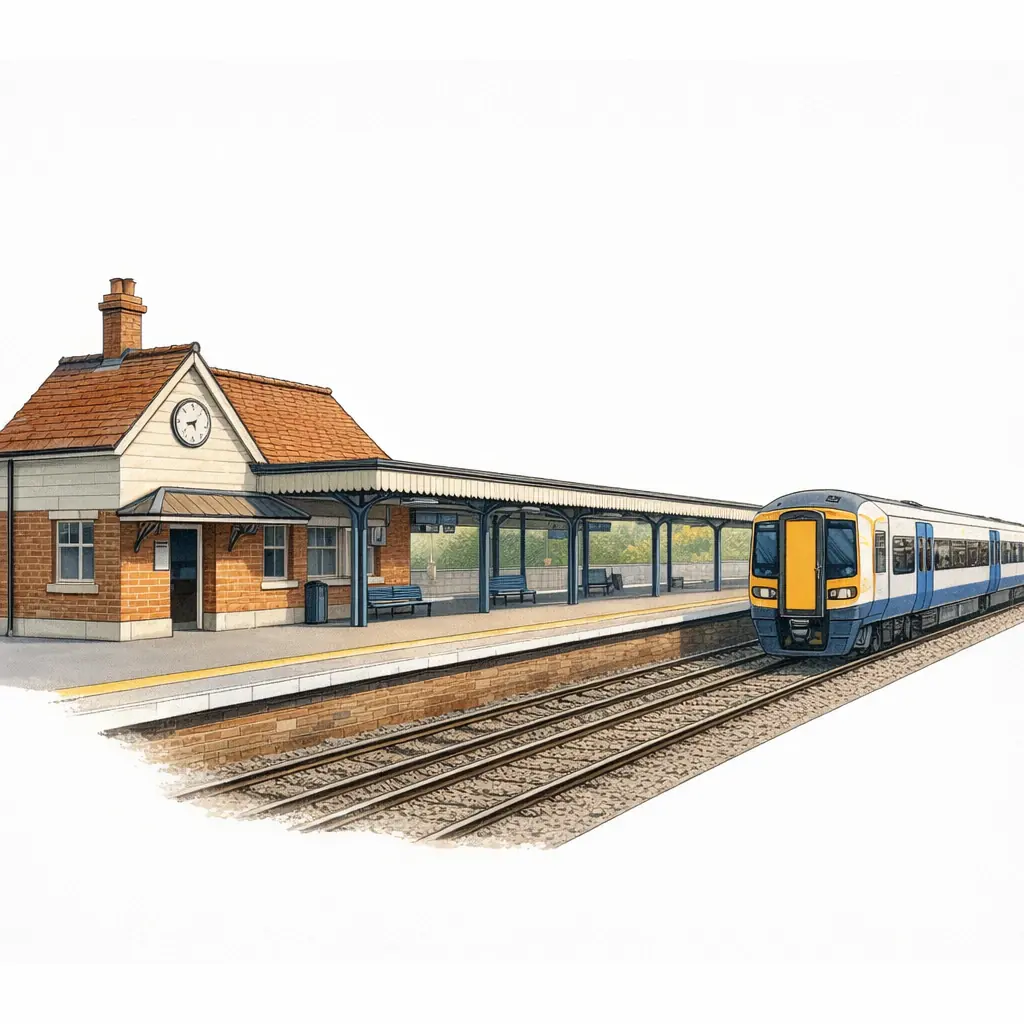 station
El correo con el punto de encuentro en A2 Key
La parte 6 de la prueba de lectura y escritura te da una situación corta y tres puntos que debes cubrir en 25 palabras o más. Esta es una tarea nuestra con el mismo estilo:
- “Your English friend Alex is visiting your town on Sunday. Write an email to Alex.”
- “Say where to meet, how to get there and what time to meet. Write 25 words or more.”
Dónde: expresiones que fijan un lugar
Elige un lugar fácil de encontrar y fíjalo con una expresión que sea verdad desde cualquier lado. Ojo con un falso amigo: “enfrente de” suele equivaler a “opposite” (al otro lado de la calle), mientras que “in front of” es “delante de”.
- Lugares: bus station, train station, post office, bank, library, museum, police station, car park, bridge
- next to (al lado de): “The museum is next to the café.”
- opposite (enfrente, al otro lado de la calle): “The bank is opposite the post office.”
- on the corner of (en la esquina de): “The café is on the corner of Park Street and Mill Road.”
- outside, near (en la puerta de, cerca de): “Meet me outside the station.” “It’s near the bridge.”
Cómo: las indicaciones empiezan con un verbo
Di primero el transporte y luego da un paso por frase, en orden, cada uno con un verbo al principio. En español dices “en el semáforo” y “en la esquina”, pero en inglés son “at the traffic lights” y “on the corner”.
La izquierda y la derecha dependen de hacia dónde miras, así que un correo necesita un punto de partida que conozcan los dos: “From the station, …”. En esta grabación todos están en la oficina de correos, así que “Turn right” funciona.
- Transporte: “Take the number 5 bus to the station.” “It’s ten minutes on foot.”
- Go straight on (sigue recto): “Go straight on to the traffic lights.”
- Turn left / right (gira a la izquierda / a la derecha): “Turn left at the traffic lights.”
- Walk along, walk past (camina por, pasa por delante de): “Walk along Park Street, past the police station.”
- Go across (cruza): “Go across the bridge.”
- Termina con el lugar: “It’s on your left, next to the café.”
Narrator "Ask the driver," said the woman at the post office. "He always has lunch at the bus station on Saturdays."
Friend The bus station? Easy. Turn right and walk straight on to the top of King Street.
Un correo modelo, línea a línea
Nuestra respuesta a la tarea, unas 40 palabras:
- “Hi Alex,” → saludo.
- “Let’s meet outside the cinema on Sunday.” → punto 1: dónde.
- “Take the number 5 bus to the station. Then walk along Park Street, past the bank.” → punto 2: cómo, desde un punto de partida conocido.
- “The cinema is on your left, opposite the café.” → una expresión fija que confirma el lugar.
- “See you at 2.30! Jamie” → punto 3: a qué hora, y luego tu nombre.
Cuando algo sale mal: was, were y -ed
Para explicar un malentendido, usa el pasado simple: “was” con I, he, she e it; “were” con you, we y they; y -ed en los verbos regulares. Las preguntas y las negaciones llevan “did” y el verbo en su forma base: “Did you take the bus?” “I didn’t walk.”
La terminación -ed suena /t/ en “walked”, /d/ en “played” e /ɪd/ en “waited”: solo añade una sílaba después de t o d, así que “walked” tiene una sola sílaba. Escucha “was”, “typed” y “delivered”:
Friend 1 It was my mistake. I typed Harbour Road, not Harbour Park!
Friend 2 The app says the driver delivered it last Saturday. That was a week ago!
Errores típicos y cómo corregirlos
Búscalos al terminar (antes de la flecha, el error; después, la corrección). “A pie” es “on foot”, y aunque en español digas “la calle Mayor”, en inglés el nombre de una calle va sin “the”.
- “Turn to left.” → “Turn left.”
- “Turn left in the traffic lights.” → “Turn left at the traffic lights.”
- “The café is in the corner.” → “The café is on the corner.”
- “Go across the Park Street.” → “Go across Park Street.”
- “ten minutes by foot” → “ten minutes on foot”
- “We was late. I didn’t walked.” → “We were late. I didn’t walk.”
- “Turn left.” sin punto de partida → “From the station, turn left.”
Tu rutina de 10 minutos
Planifica 2 minutos, escribe 6 y revisa 2. Juega también a dar indicaciones en casa: guía en inglés a tu madre o a tu padre desde la puerta hasta un lugar cercano y luego revisa la ruta en un mapa.
- Tarea: “A new student wants to watch your football match on Saturday. Write an email: say where it is, how to get there and what time it starts.”
- Revisa: ¿dónde, cómo y a qué hora? ¿Cada indicación empieza con un verbo? ¿Hay 25 palabras o más?
Qué viene después
En la parte 5 de la prueba de comprensión auditiva (Listening) de A2 Key, relacionas cinco personas o cosas con una lista de ocho opciones, por ejemplo, lugares. No elijas el primer lugar que oigas: “I wanted to go to the museum, but it was closed, so I went to the library.”
Después: hablar con un compañero sobre el transporte y luego contar en pasado simple una historia a partir de tres imágenes.