Ir al contenido
Flalingo

Práctica de inglés

Comparar cosas en inglés con niños (A2, 8–11 años): “the most comfortable”, better, worse y una fábula con ratones

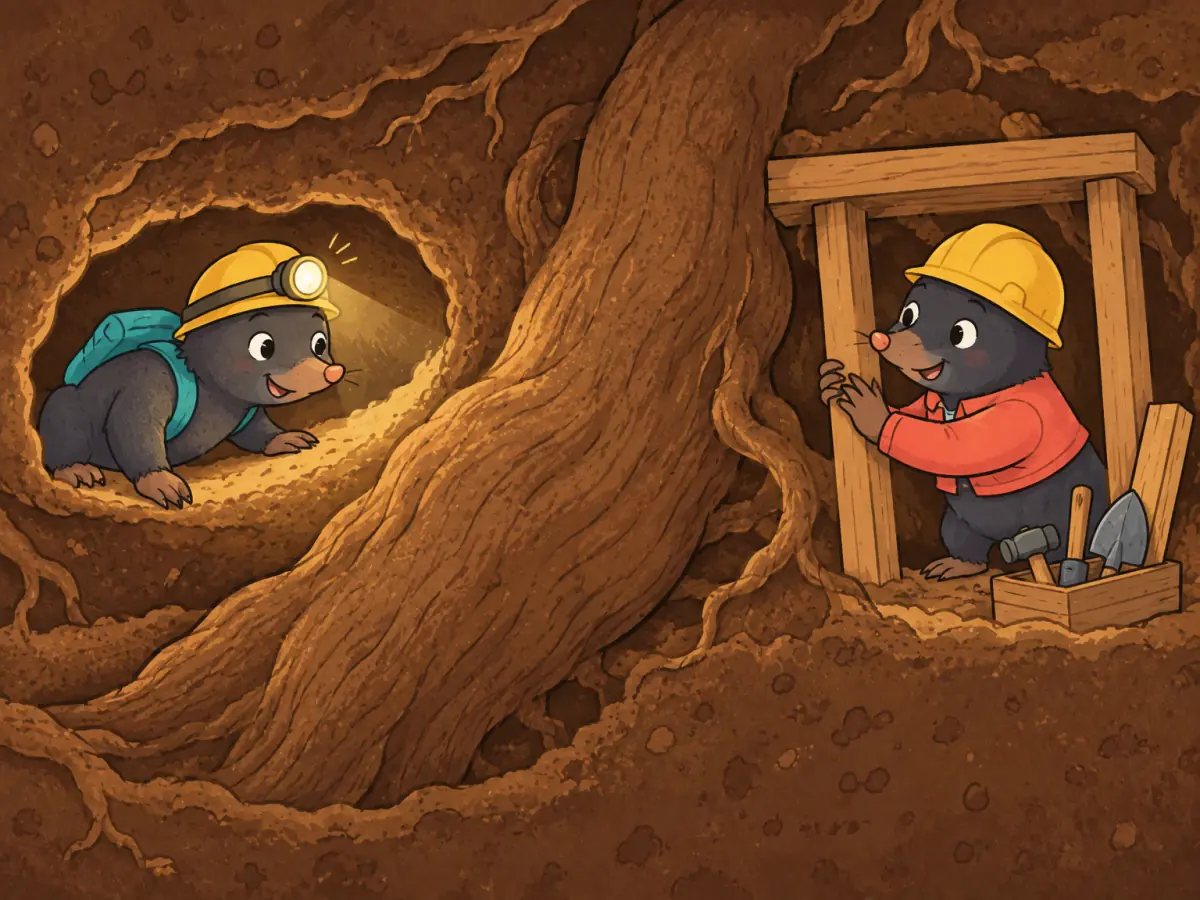
Two moles work safely around an enormous root, using a wooden support and shared tools.

Ayuda a tu peque a comparar cosas en inglés (A2, 8–11 años): cheaper y more expensive, the best y the worst, contar una historia en orden y una fábula de cuatro frases en la que escribe bien mouse, mice y children.

Para comparar dos cosas en inglés, los niños añaden -er a las palabras cortas y ponen more delante de las largas: “This chair is cheaper.” “This chair is more expensive.” Para elegir una cosa de un grupo, usan the con -est o con most: “The soft fabric is the most comfortable.” Good y bad son irregulares: better y the best, worse y the worst. Este tema de nivel A2 es para niños de unos 8 a 11 años que ya dicen “bigger than” y saben contar una historia corta en pasado. Termina con una fábula de cuatro frases que usa plurales irregulares como mouse y mice.

¿Para quién es este artículo?

  • Familias con peques que ya comparan dos cosas: tu peque dice “The dog is bigger than the cat.” y sabe contar una historia corta en pasado.
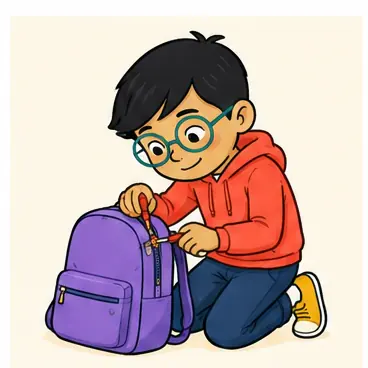
  • Familias que hablan de elecciones reales: escoger una silla, una mochila o un regalo de cumpleaños le da a tu peque cosas reales que comparar.
  • Familias que quieren una meta corta de escritura: al final, tu peque escribe una fábula de cuatro frases, y la grabación de abajo tiene cada frase de una historia contada de nuevo.
  • Demasiado pronto: si “bigger than” todavía es nuevo, practica primero comparaciones de nivel A1 con juguetes y animales: “The elephant is bigger than the mouse.”
  • Demasiado fácil: si ya escribe historias cortas con the best y the worst y escribe bien mice y children, pasa al artículo A2 sobre predicciones con will, enlazado abajo.

Abrir las páginas de muestra

Abrir las páginas de muestra

Tarjetas de vocabulario

breakbreak
repairrepair
comfortablecomfortable
hardhard
softsoft
expensiveexpensive
cheapcheap
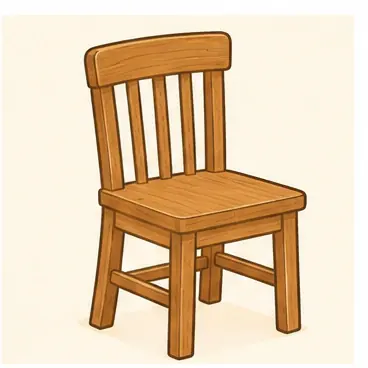
woodenwooden
metalmetal
modernmodern
Which material is the most comfortable?

The soft fabric is the most comfortable.

This chair is more expensive.
The wooden seat is the cheapest.
This design is better.
That design is worse.
The green model is the best.
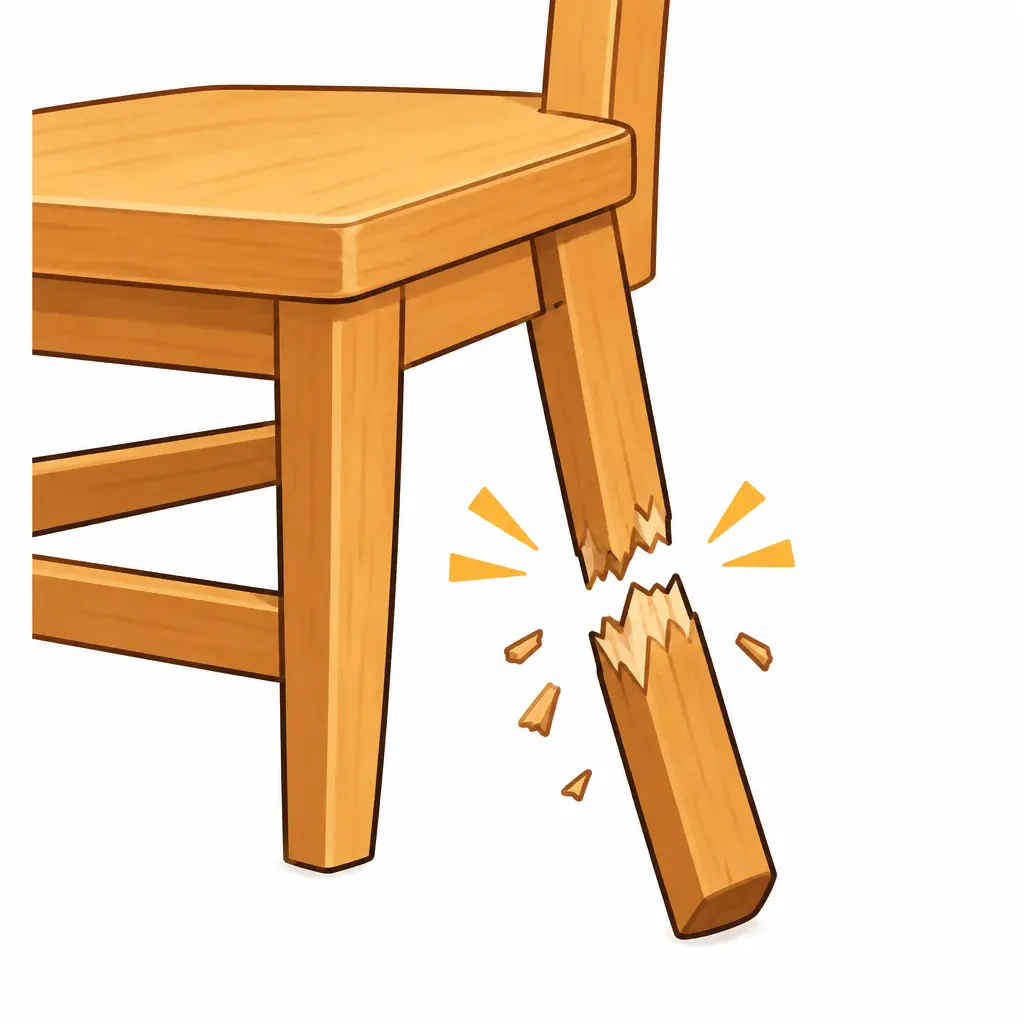
The broken chair is the worst.
enormous

very, very big

prepare

get ready before something happens

worry

feel troubled about a problem

thick

wide from one side to the other

dig

make a hole in the ground

share

let another person use or have some

generous

happy to give or share

lazy

not willing to work or make an effort

Conversación

Nia What happened first?

Leo Two moles began to dig a reading room before winter.

Leo What blocked their tunnel?

Nia A big, hard root blocked it.

Nia What did Pip and Sol do next?

Leo Sol made a wooden support, and Pip tested a safer route. Together, they finished a comfortable room.

Estructura de la frase

Which material is the most comfortable?

The soft fabric is the most comfortable.

  • This chair is more expensive.
  • The wooden seat is the cheapest.
  • This design is better.
  • That design is worse.
  • The green model is the best.
  • The broken chair is the worst.

Más práctica

Change the information

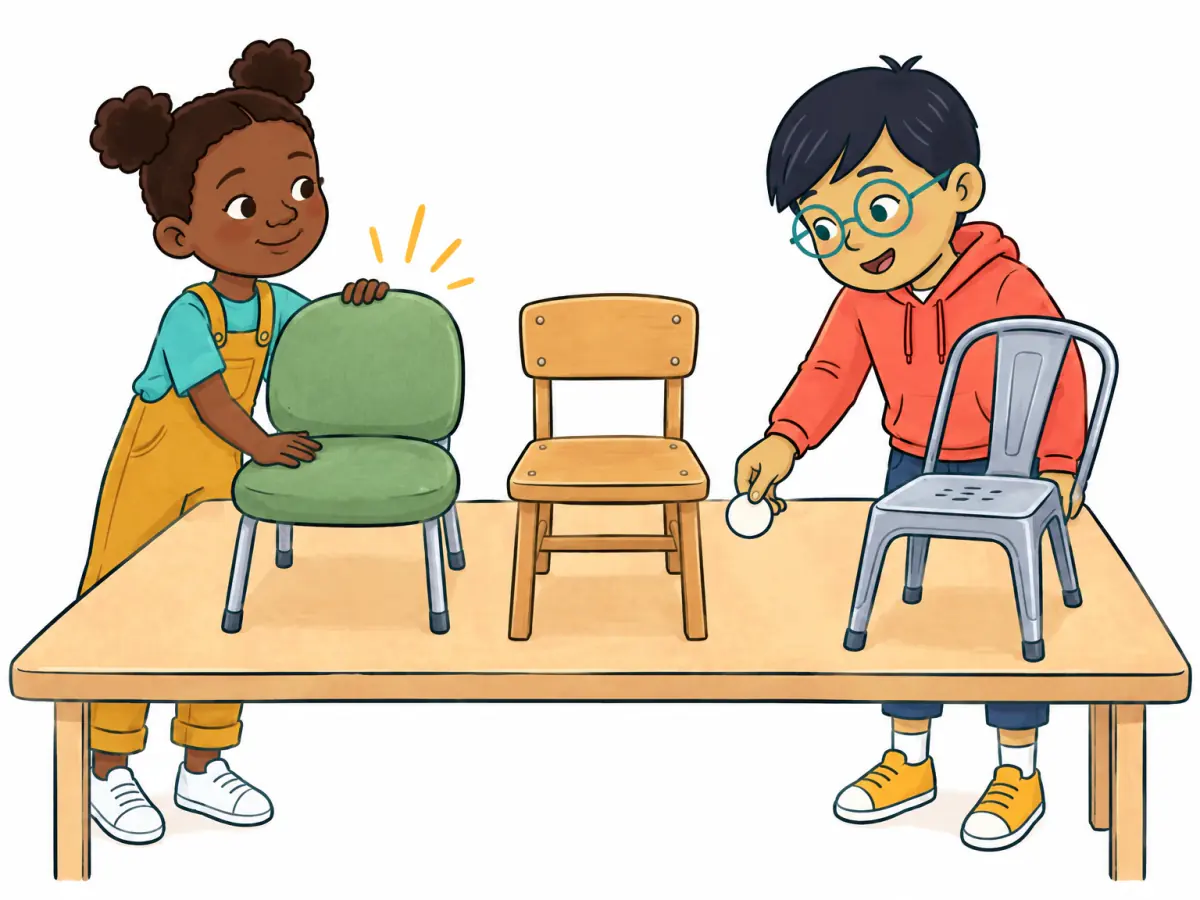
At a design table, three safe seat models are clearly different: a soft green fabric seat, a simple wooden seat and a modern metal chair. Nia chooses the soft green model as the most comfortable while Leo marks the wooden seat as the cheapest with a blank token.

Leo Which material is the most comfortable?

Nia The soft fabric is the most comfortable.

Nia Which choice is the cheapest?

Leo The wooden seat is the cheapest.

Leo Which design is better?

Nia The safe green model is better.

Which material is the most comfortable?

The soft fabric is the most comfortable.

  • This chair is more expensive.
  • The wooden seat is the cheapest.
  • This design is better.
  • That design is worse.
  • The green model is the best.
  • The broken chair is the worst.

The moles and the thick root

Two moles work safely around an enormous root, using a wooden support and shared tools.

THE MOLES AND THE THICK ROOT

Two moles had to dig a reading room before winter. An enormous, thick root blocked their tunnel. Pip began to worry, but Sol prepared a wooden support. Sol was generous and shared every tool. Pip was not lazy; he tested a safer route around the root. Together they finished a comfortable room and learned that the fastest plan is not always the best.

Writer’s studio

At a design table, three safe seat models are clearly different: a soft green fabric seat, a simple wooden seat and a modern metal chair. Nia chooses the soft green model as the most comfortable while Leo marks the wooden seat as the cheapest with a blank token.

Nia What will you write about?

Leo I will write a fable about three mice.

Nia Which plurals will you use?

Leo Mice, feet and children.

How does your fable end?

Three mice carried boxes to the bench. One mouse chose strong wood. The others added soft cushions. “Our safest idea is the best,” they said.

  • This chair is more expensive.
  • The wooden seat is the cheapest.
  • This design is better.
  • That design is worse.
  • The green model is the best.
  • The broken chair is the worst.
Aprende esta unidad
¿Cómo quieres aprender?

Palabras para describir: materiales y precios

Antes de comparar, los niños necesitan palabras para describir, y muchas forman parejas de opuestos. Wooden significa “de madera”, y metal también sirve para describir: “a metal chair”. En inglés el material va delante del sustantivo, al revés que en “una silla de metal”. Comfortable suele pronunciarse en tres sílabas: COMF-ta-ble.

Break y repair son verbos útiles para las historias: algo se rompe (break) y alguien lo arregla (repair, es decir, fix).

  • Opuestos: hard (duro) – soft (blando), cheap (barato) – expensive (caro), modern (moderno) – old (viejo)
  • Materiales: wooden (de madera), metal (metálico), plastic (de plástico), fabric (tela)

Comparar dos cosas: -er, more, better, worse

En español ponemos “más” delante de casi cualquier adjetivo: más barato, más caro. Por eso es fácil que tu peque diga “more cheap” o “more cheaper”. En inglés, las palabras cortas no llevan more, sino -er: cheaper, harder, softer. Algunas cambian la ortografía: big pasa a bigger y safe a safer. Las palabras largas sí usan more: more expensive, more comfortable, more modern. Para decir con qué comparas, añade than: “The metal chair is harder than the sofa.”

Good y bad son irregulares, como mejor y peor en español: “This design is better.” “That design is worse.” Nunca se dice “more better”.

Elegir uno de un grupo: the cheapest, the most comfortable, the best

Con tres cosas o más, el inglés elige una con the y -est, o con the y most: the cheapest, the most expensive. “El más barato” no es “the most cheap”, sino “the cheapest”. Good y bad cambian del todo: the best, the worst. Ojo: en español “mejor” sirve para comparar dos cosas y, con artículo, para elegir una de un grupo (“el mejor”); en inglés son dos palabras distintas, better y the best.

Practica con una pregunta real: “Which material is the most comfortable?” “The soft fabric is the most comfortable.” Después pide un motivo: “The green model is the best because it is safe.”

  • cheap – cheaper – the cheapest
  • comfortable – more comfortable – the most comfortable
  • good – better – the best
  • bad – worse – the worst

Contar una historia en orden

Muchas fábulas comparan un plan rápido con uno prudente. En esta grabación, dos niños vuelven a contar una fábula sobre dos topos, Pip y Sol, que excavan una habitación bajo tierra. Las preguntas mantienen el orden de la historia: What happened first? What did Pip and Sol do next? Fíjate en los verbos en pasado: blocked y tested añaden -ed, mientras que began y made son irregulares.

Nia What happened first?

Leo Two moles began to dig a reading room before winter.

Leo What blocked their tunnel?

Nia A big, hard root blocked it.

Nia What did Pip and Sol do next?

Leo Sol made a wooden support, and Pip tested a safer route. Together, they finished a comfortable room.

Escribir una fábula corta con mouse y mice

Una fábula es una historia muy corta, casi siempre de animales, que termina con una enseñanza: en inglés, moral (la moraleja). Bastan cuatro frases: los personajes, el problema, lo que hacen y la moraleja. Los personajes suelen ser generous (que comparte con gusto) o lazy (que no quiere trabajar).

Las historias de animales necesitan plurales irregulares, sin -s: one mouse, three mice; one foot, two feet; one child, two children. En español casi todos los plurales terminan en -s, por eso tu peque puede decir “mouses” o “childrens”. Un ejemplo para copiar y cambiar:

  • “Three mice needed a warm home before winter.”
  • “The youngest mouse chose a paper bag because it was the cheapest.”
  • “The bag broke in the rain, so they built a wooden house.”
  • “The moral: the cheapest choice is not always the best.”
Aprende esta unidad a tu manera

Truco de ortografía: c y g suaves

Delante de e, i o y, la c inglesa casi siempre suena como s. En gran parte de España la c delante de e o i suena como z, pero en inglés es una s: city, ice, dance. Delante de las mismas letras, la g inglesa suele sonar como la j inglesa de “jeans” o “jungle”, nunca como la jota de “gente”. Delante de a, o y u, las dos son duras: cat, game. La g tiene excepciones comunes, como get, give y girl.

  • Soft c: city, ice, dance, rice
  • Soft g: cage, page, giraffe, stage

Errores frecuentes y cómo corregirlos

Son normales en el nivel A2: repite la frase bien dicha y seguid.

  • “This chair is more cheaper.”: -er o more, nunca los dos: “This chair is cheaper.”
  • “The most good model.”: good es irregular: “the best model”.
  • “This design is worst.”: para dos cosas, worse; para todo un grupo, the worst.
  • “Three mouses ran home.”: “Three mice ran home.” Y también children, no “childrens”, y feet, no “foots”.
  • “Harder then the sofa.”: para comparar se usa than, no then.

Un juego en casa: el mejor asiento de la casa

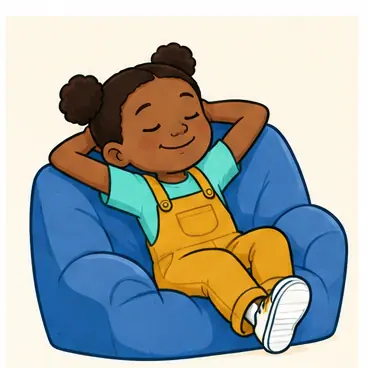
Elige tres asientos de casa: una silla de la cocina, un taburete y el sofá. Tu peque prueba cada uno y compara: “The stool is harder than the sofa.” “The sofa is the most comfortable.” Pon etiquetas de precio inventadas, pregunta “Which seat is the cheapest?” y luego di algo mal a propósito para que te corrija.

Terminad con una fábula de cuatro frases sobre los asientos: “Two children and three mice wanted the softest seat.”

El siguiente paso

Cuando comparar le resulte fácil, tu peque podrá responder preguntas con Which…? y Why…? dando un motivo. Más adelante llegan las predicciones con will (“I think it will rain.”) y convertir unas notas en un párrafo.

Preguntas frecuentes

¿Se dice “more cheap” o “cheaper”?

“Cheaper”. Las palabras de una sílaba añaden -er: cheap, cheaper, the cheapest. Las largas usan more: more expensive. Las de dos sílabas varían: easy, easier, pero modern, more modern.

¿Qué diferencia hay entre worse y worst?

“Worse” compara dos cosas: “This chair is worse than that one.” “The worst” elige una de un grupo y lleva the: “The broken chair is the worst.”

¿Cuál es el plural de mouse?

El plural es mice: one mouse, three mice. Otros plurales irregulares comunes son feet, teeth, children, men y women.

Aprende esta unidad
¿Cómo quieres aprender?

¿Qué viene después?

Clases individuales con un profesor en vivo

En las clases infantiles de Flalingo, tu hijo practica unidades como esta en clases individuales con un profesor en vivo, con juegos en la misma pantalla.

Reserva una clase de prueba gratis