
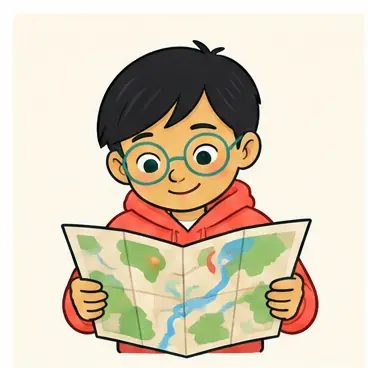
 read a map
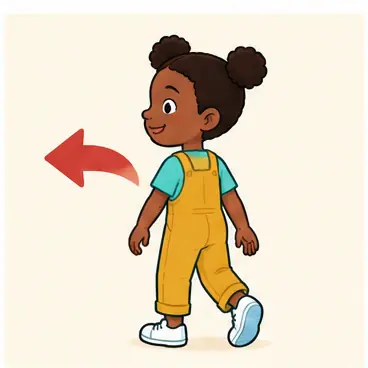 turn left
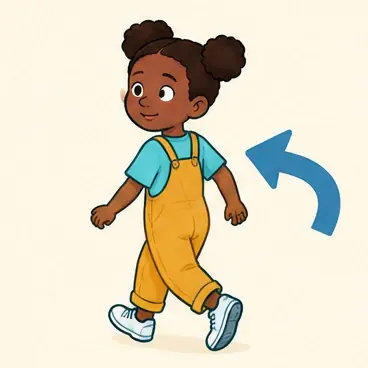 go back
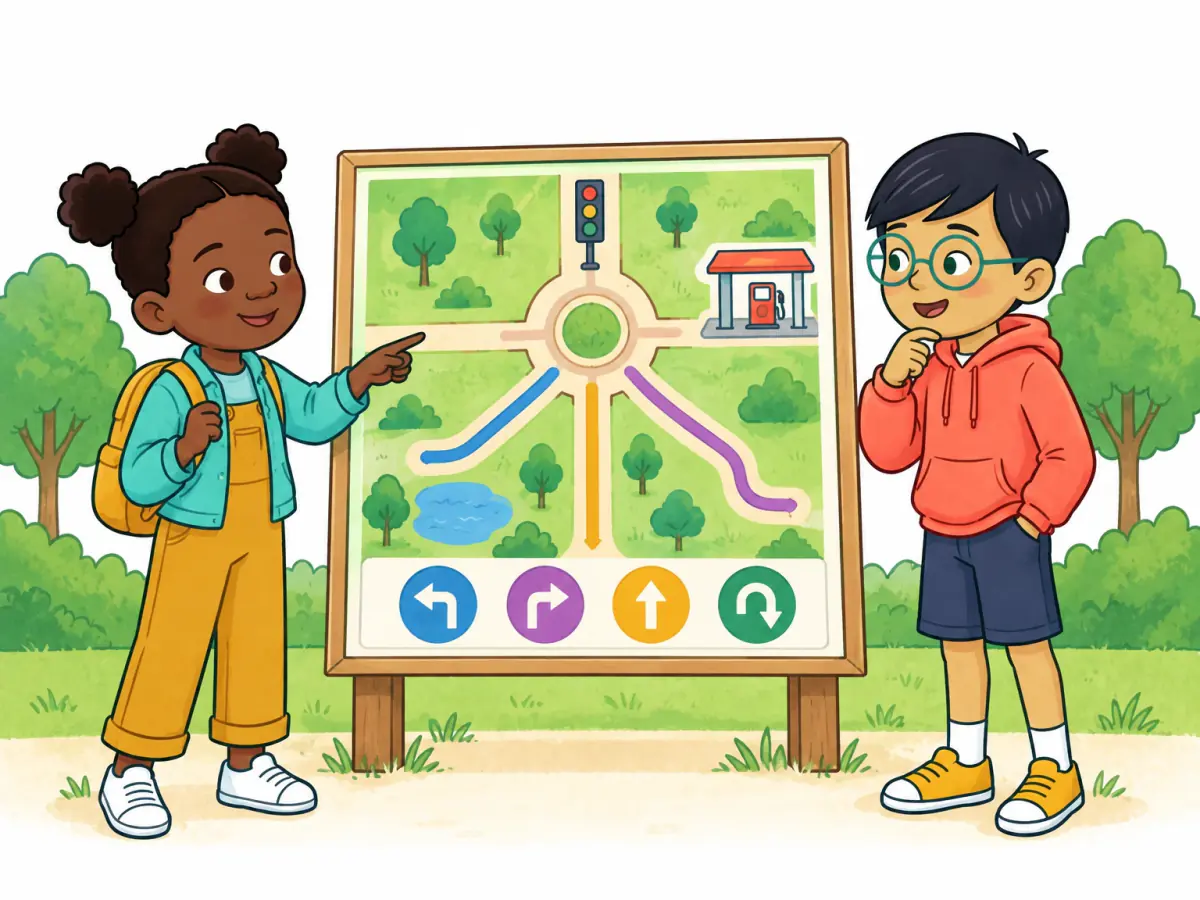
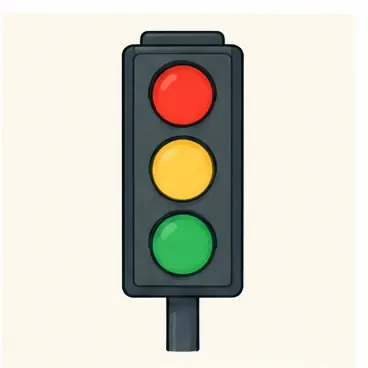 traffic light
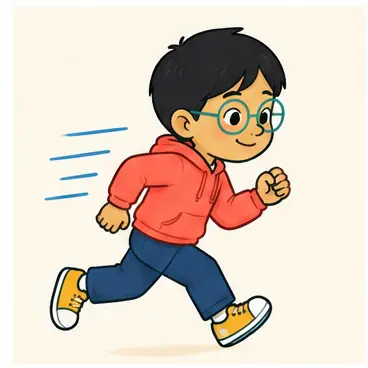 hurry
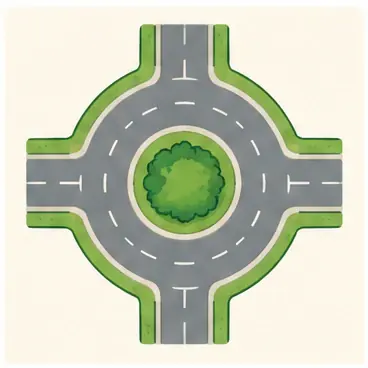 roundabout
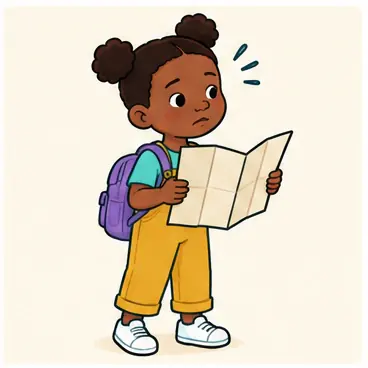 get lost
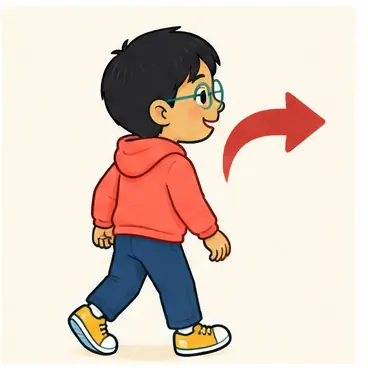 turn right
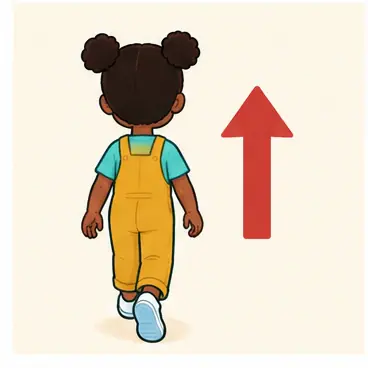 go straight on
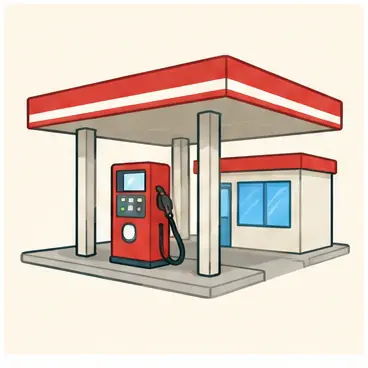 petrol station
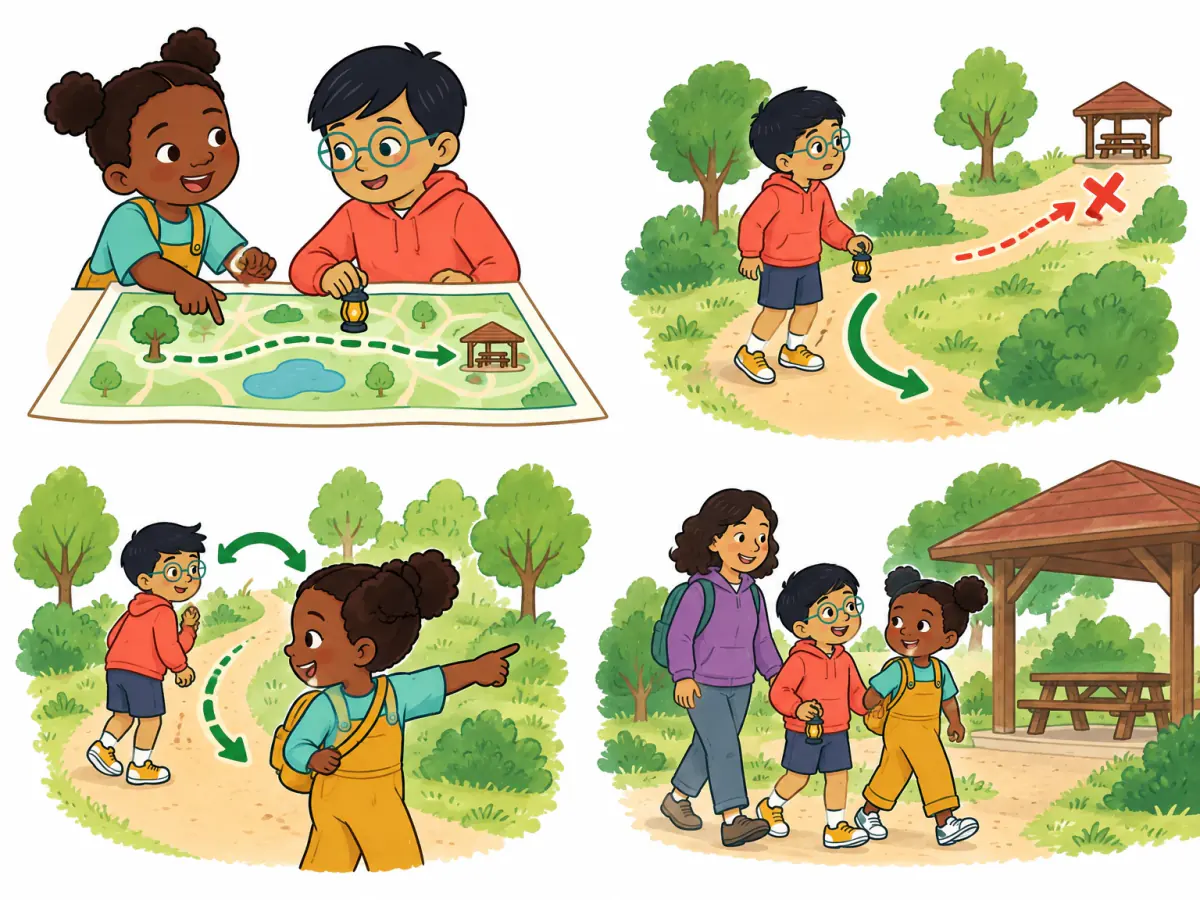
Route words: directions and places
Go straight on means keep going the same way; go back means return the way you came. A roundabout is a round junction where cars drive in a circle, and a petrol station (American English: gas station) is where cars get fuel. Hurry means go quickly, but it is never a reason to rush across a road.
- Directions: turn left, turn right, go straight on, go back
- Places: roundabout, traffic light, petrol station
- On the way: read a map, get lost, hurry
Giving directions: start with the verb
A direction starts with the verb and needs no “you”: “Turn left.” “Go straight on.” Then add the place: at for the point where you turn (“Turn left at the roundabout.”), to for how far you go (“Go straight on to the roundabout.”). Join two steps with then: “Go straight on, then turn right.” The listener can check with a yes/no question.
Nia Go straight on to the roundabout.
Leo Do I turn left there?
Why…? Because…: giving a reason
To ask for a reason about the past, use Why did + person + base verb: “Why did you go back?”, not “Why you went back?” The answer starts with because: “Because we had to find the right path.”
A Because… answer alone is normal in speech. In writing, join the reason to the main idea: “We went back because we took the wrong road.”
Nia Yes. Yesterday we took the wrong road and went back.
Leo Why did you go back?
Nia Because we had to find the right path.
Leo Now we won't get lost.
Have to and had to: what you need to do
Have to says something is necessary: “We have to wait at the light.” With he, she or a name it is has to; for the past, use had to with everyone: “We had to find the right path.” Questions use do or did: “Do we have to walk with an adult?” Spoken fast, have to sounds like “hafta”, but it is written have to.
Writing an invitation with directions
A good invitation tells a friend four things: the event and the day, where to meet, the way and one reason. Keep one starting point and one route, so nobody gets lost. Your child keeps this plan and changes every detail.
- “Come to our lantern walk on Friday!”
- “Meet at the library gate.”
- “Go straight on and turn right at the roundabout because the park entrance is there.”
- “You have to bring a coat because it gets cold in the evening.”
Spelling tip: ck or c at the end of a word
The k sound at the end of a word has two common spellings: ck after a short vowel in a one-syllable word, and c in longer words ending in -ic. Clap the syllables to decide.
- ck: neck, duck, clock, rock
- c (-ic): plastic, picnic, music, comic
Common mistakes and quick fixes
Normal at A2: repeat the sentence correctly and carry on.
- “Turn to left.”: no “to” is needed: “Turn left.”
- “Why you went back?”: add did: “Why did you go back?”
- “Yesterday we have to wait.”: the past is had to: “Yesterday we had to wait.”
- “She have to wait.”: with he, she or a name: “She has to wait.”
- No day or meeting place in the invitation: check all four parts before sharing.
A route game at home
Draw a simple map with your front door, a pretend roundabout, a traffic light and a park, and hide a small toy on it. Your child gives directions while you move a coin: “Go straight on, then turn left at the traffic light.” Go the wrong way on purpose; your child asks “Why did you go back?” and you answer with because. Then swap roles.
Finish with a real invitation to a family event, such as a Sunday picnic: four sentences and one because.
What comes next
Next, your child can say where a place is: “The library is on your right.” Later, because sits beside so for results: “It was dark, so we went back.”