
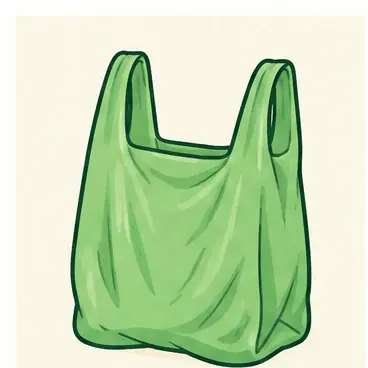
 carrier bag
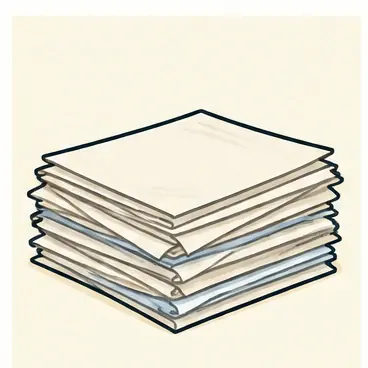 paper
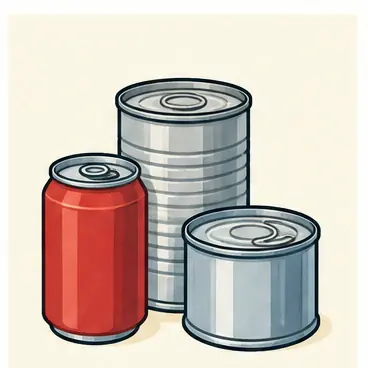 metal
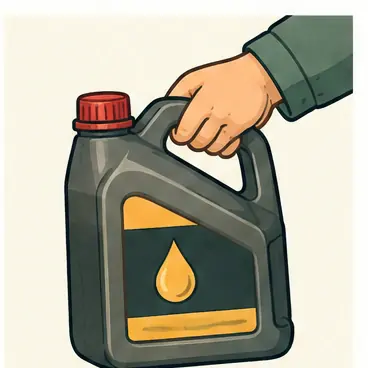 oil
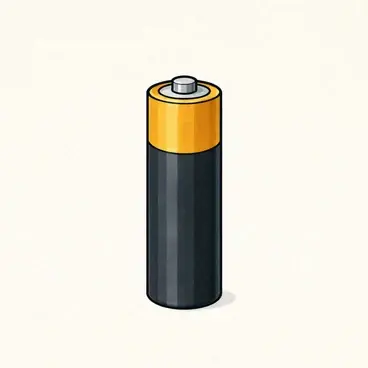 battery
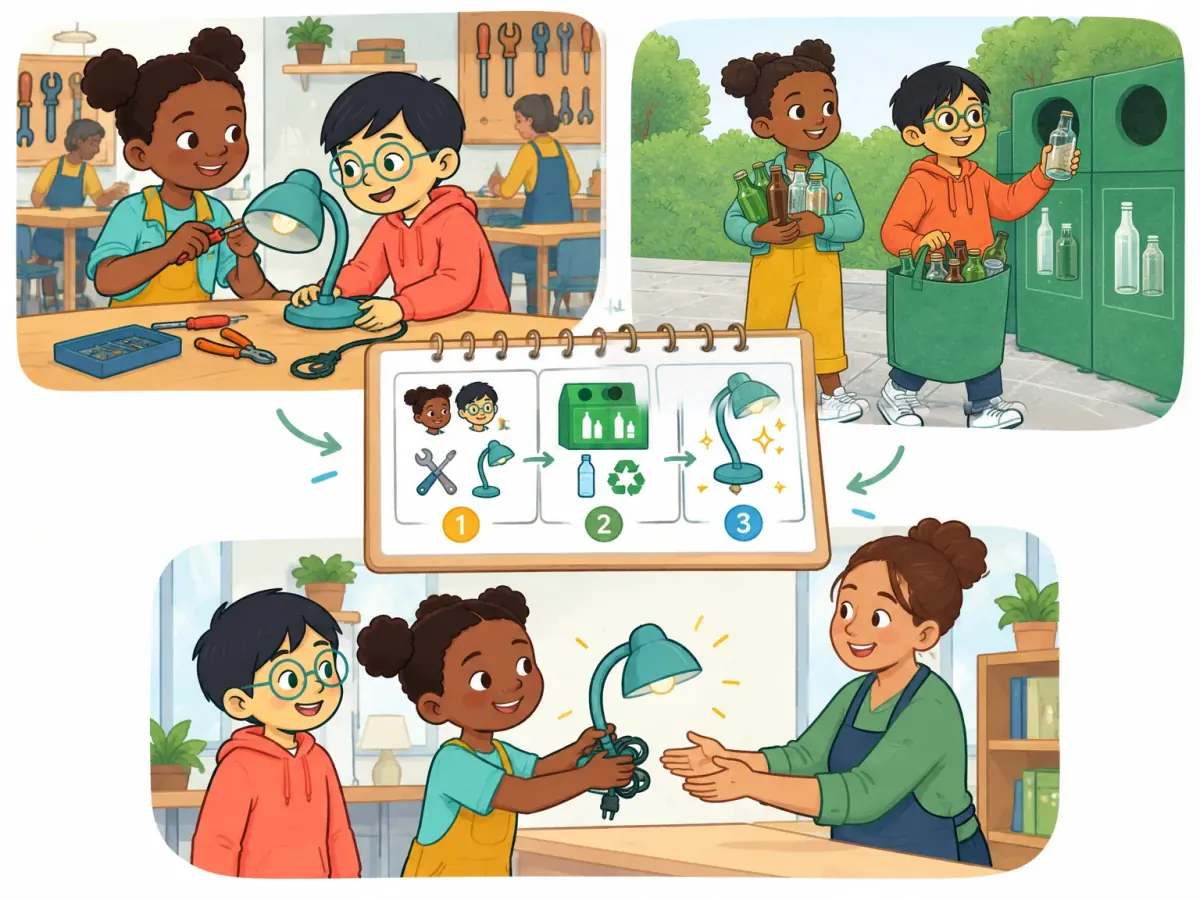
Recycling and repair words for this topic
A recycling centre is where people take used materials to be sorted; a bottle bank is a large container for glass bottles and jars. A repair café is a usually free event where volunteers help people fix broken things.
“Paper”, “metal” and “oil” are uncountable: say “a piece of paper”, because “a paper” means a newspaper.
- carrier bag – a bag you get in a shop
- battery – in the plural, batteries
- chemicals – substances that need careful, adult handling
Three ways to make a suggestion
Each opener needs its own verb form. “Why not” takes the base verb, with no “to”: “Why not repair a broken item?” It looks like a question, but it does not ask for a reason. “How about” and “What about” take -ing or a noun: “How about reusing carrier bags?” “What about a swap shelf for old toys?” All three end with a question mark; a friendly reply is “Good idea!”
- Why not + verb: “Why not fix your bike?”
- How about + -ing: “How about giving old books to the library?”
- What about + -ing: “What about taking the bottles to the bottle bank?”
- Also common: “Why don’t you repair it?”
Give every suggestion a reason
A suggestion convinces when the next sentence says what good it will do. At A2, use “It will…” or “This will…”: “How about reusing paper? This will reduce waste.”
The reason must explain that action. “Why not repair your bike? Glass can be recycled.” is true but explains nothing. Ask “What happens if people do this?”; the answer is the reason.
Will or am/are + -ing? Talking about what happens next
“Will” gives a result or a decision: “What will happen to the broken lamp?” “We will repair it.” The negative is “will not” or “won’t”: “We will not put batteries in this bin.”
Am, is or are + -ing with a time word gives an arranged plan: “I am taking the bottles tomorrow.” Without “tomorrow”, it sounds like right now. After one listen, ask “Which happens first, the bottles or the repair?” (the bottles).
Nia What will happen to the broken lamp?
Leo We will repair it with the technician on Saturday. Before that, we are taking the bottles tomorrow afternoon.
Nia When are you visiting the bottle bank?
Leo I am going there tomorrow afternoon.
Words with re-: again, back or neither
Children often guess that re- always means “again”. In “reuse”, “retell” and “rewrite” it does, but “return” means give or go back, and “remove” simply means take away. “Reuse” is using something again as it is; “recycle” means the material is made into something new.
- “Reuse the jar.” – keep it for pencils
- “Recycle the jar.” – its glass becomes new glass
Writing a short, safe leaflet
A leaflet speaks to a real reader, such as visitors to a school repair day: a heading, then three suggestions, each with a different opener and its own reason. A model: “GIVE OLD THINGS A SECOND LIFE. Why not repair a broken toy? It will stay useful for longer. How about reusing jars? This will reduce waste. What about taking old batteries to a collection point? It will keep chemicals out of the bin.”
Keep it safe: an adult handles batteries, oil and chemicals and opens any electrical item. Finally, your child checks the spelling and reads the leaflet aloud.
Leo Will we take the batteries?
Nia Yes, but an adult will carry them safely.
Common mistakes and quick fixes
These are normal at A2: repeat the sentence correctly and carry on.
- “Why not to repair it?”: “Why not repair it?”
- “How about reuse the bags?”: “How about reusing the bags?”
- “I am take the bottles tomorrow.”: “I am taking the bottles tomorrow.”
- “Why not repair it.”: end it with a question mark.
A home game: the family repair desk
Put a toy with a loose wheel, an empty jar and some scrap paper on the table. Your child suggests something for each, with a different opener each time; you ask “Why?” and hear “It will…”. Swap roles, then write the best three as a leaflet for the fridge.
What comes next
Next, your child organises longer writing into paragraphs with clear opening sentences and uses “going to” for plans and for predictions, then compares two short texts about a repair and a habitat.