Skip to content
Flalingo

English practice

How to teach clothes words in English to a 3–5-year-old: dressing for rainy and windy days (Pre-A1)

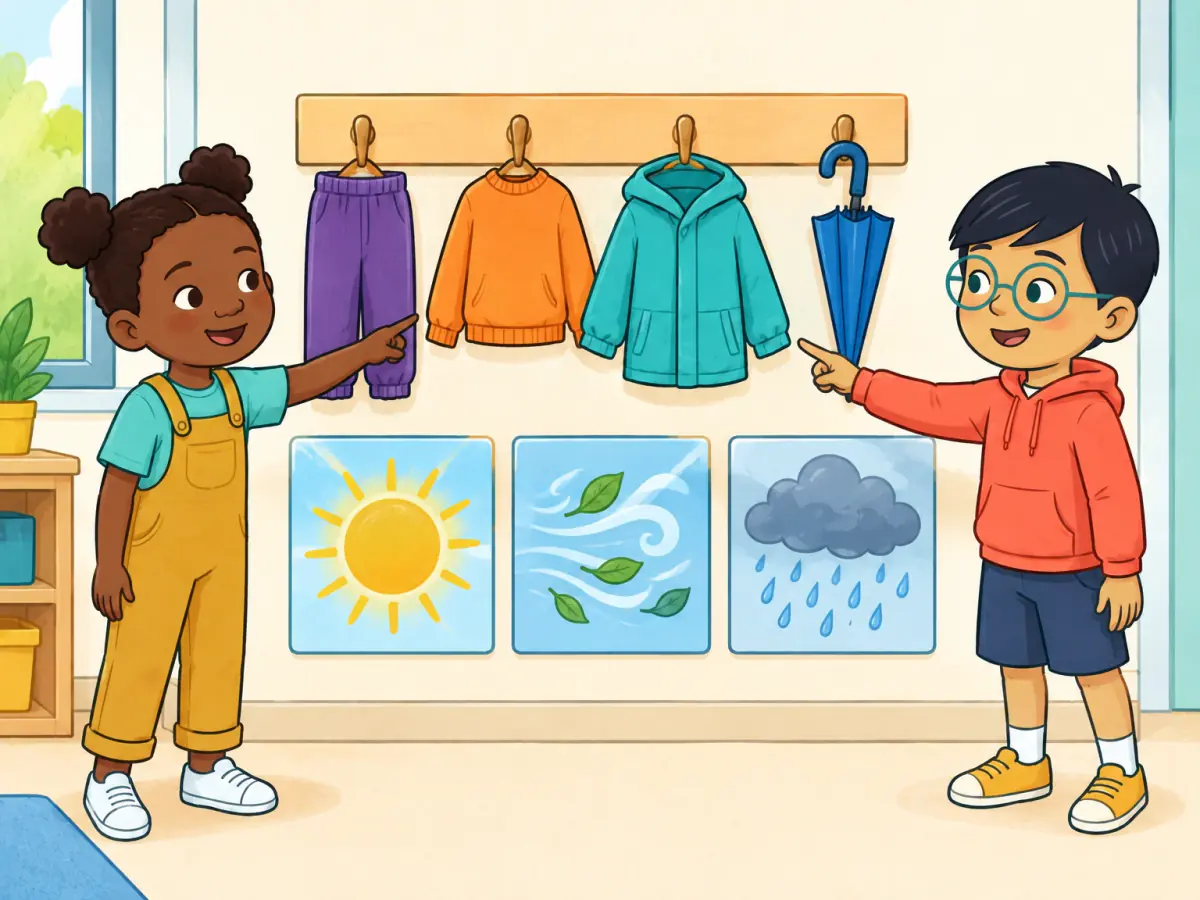
Two children choose trousers, a jumper, a jacket and an umbrella next to sunny, windy and rainy weather pictures.

Teach eight clothes words to 3–5-year-olds (Pre-A1) with “What are you wearing?” and “I need a jacket.”, pick clothes for rainy and windy days, and share a pretend umbrella.

The easiest way to teach clothes words in English to a 3–5-year-old is to link each word to a choice: look at the weather, then pick what to wear. Start with eight words: T-shirt, shorts, dress and hat for sun; jumper, trousers, jacket and umbrella for wind and rain. Use “I’m wearing…” for what your child has on now and “I need…” for what the weather calls for: “It is rainy. I need a jacket.” This first-steps topic (Pre-A1) suits children of about 3–5 who know a few English words; five minutes a day is enough, and the recordings here play every word.

Who this is for

  • Parents of 3–5-year-olds who already know a few English words: clothes go on every morning, so the words get daily use.
  • Children who love dressing up, dressing their teddies or jumping in puddles: every word has a job to do.
  • Parents who aren’t confident in English: every word and sentence has a recording here, and each step is written out.
  • Too early: if words like “rainy” and “sunny” are still new, start with a weather game (link below) and add clothes a week or two later.
  • Too easy: if your child already says “I’m wearing a jumper.” and “I need an umbrella.” without help, move on to “I’m hungry” and “I’m thirsty” (link below).

Open the sample pages

Open the sample pages

Word cards

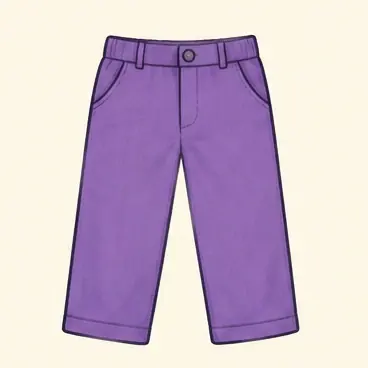
trouserstrousers
jumperjumper
jacketjacket
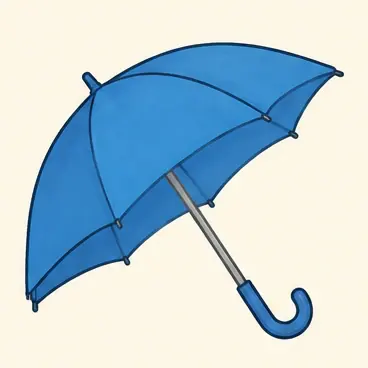
umbrellaumbrella
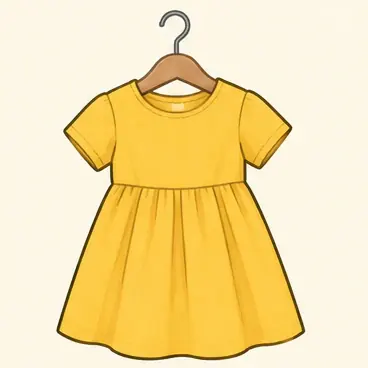
dressdress
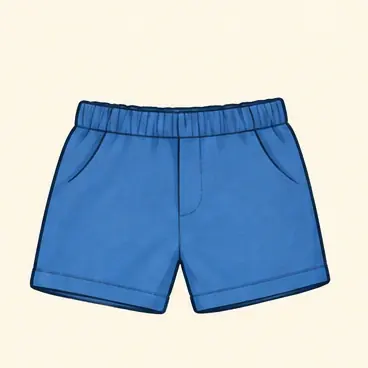
shortsshorts
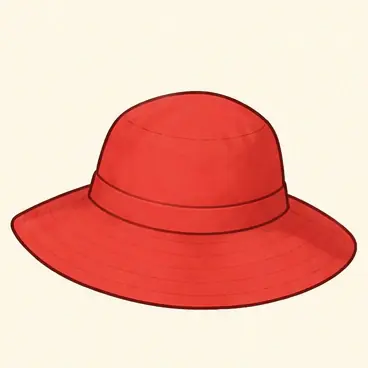
hathat
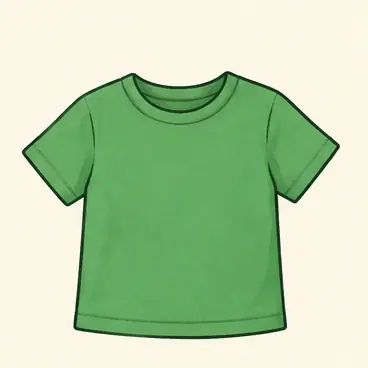
T-shirtT-shirt

Conversation

Nia It is rainy. I need a jacket.

Leo And we need an umbrella.

Nia It is windy. I can wear a jumper.

Leo I can wear trousers.

Language pattern

What are you wearing?

I'm wearing a T-shirt.

  • a dress
  • shorts
  • a hat

More practice

Use the new words

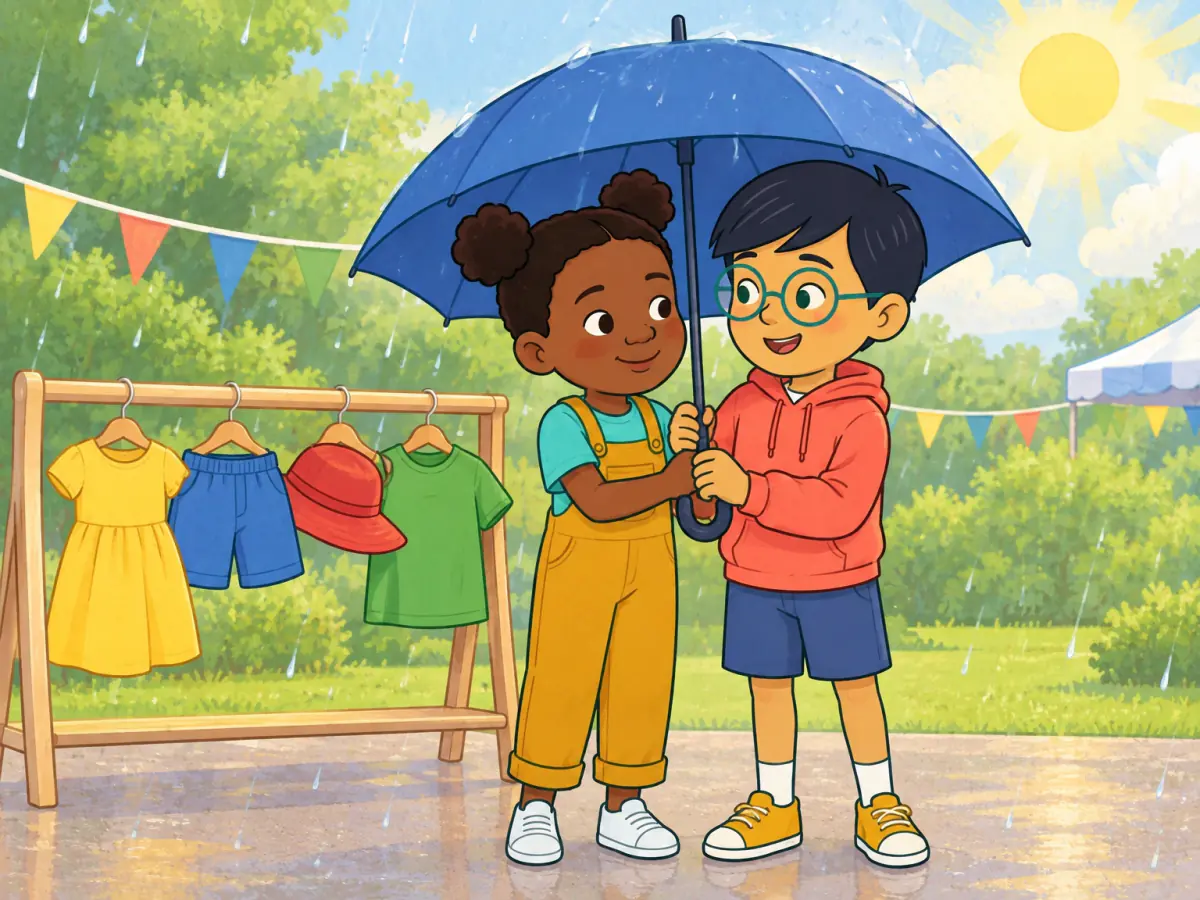
At a weather parade, Nia and Leo share one umbrella beside a rail with a dress, shorts, hat and T-shirt while sun and rain appear together.

Nia I'm wearing a T-shirt.

Leo I'm wearing shorts.

Nia Here is the dress.

Leo Here is the hat.

What are you wearing?

I'm wearing a T-shirt.

  • a dress
  • shorts
  • a hat

Use helpful words

At a weather parade, Nia and Leo share one umbrella beside a rail with a dress, shorts, hat and T-shirt while sun and rain appear together.

Nia Can we share the umbrella?

Leo Yes. Come under with me.

Nia Thank you for sharing.

Can we share the umbrella?

Yes. Come under with me.

  • Thank you for sharing.

Show what you know

Nia and Leo choose trousers, a jumper, a jacket and an umbrella next to sunny, windy and rainy weather pictures.
trouserstrousers
jumperjumper
jacketjacket
umbrellaumbrella

What do you need for rain?

I need a jacket and an umbrella.

  • trousers
  • jumper
  • jacket
  • umbrella
Learn this unit
How would you like to learn?

Eight words: four for sun, four for wind and rain

Clothes are a good early topic: your child puts them on every day, so every word has a real thing to point to. The eight words come in two groups. An umbrella isn’t clothing, but it belongs with the rain. Play each card above, then touch the real item at home and say the word again.

  • Sunny day: T-shirt, shorts, dress, hat
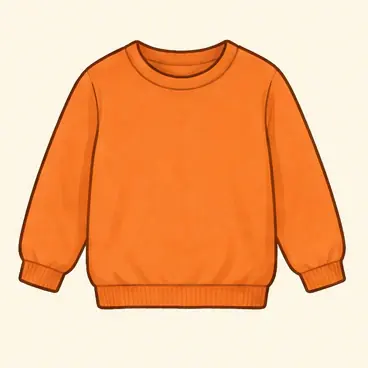
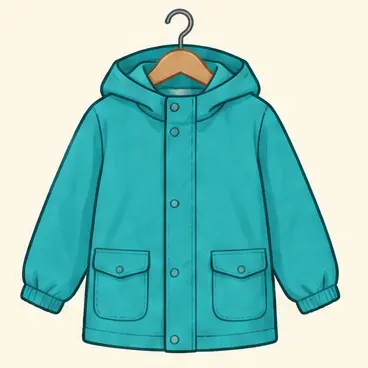
  • Windy or rainy day: jumper, trousers, jacket, umbrella
  • Actions: pull a pretend jumper over your head, zip up a jacket, pat on a hat, open an umbrella.
  • Sound tips: “umbrella” is stressed in the middle (um-BREL-la); the “s” in “trousers” sounds like “z”.

“What are you wearing?” “I’m wearing a T-shirt.”

This question is about what is on you right now, so ask it while getting dressed. Answer for yourself first, touching each item: “I’m wearing a jumper.” Your child can point, say one word (“Shorts!”) or say the whole sentence.

Play the question and answer above. Listen for the small word before each item: “a T-shirt”, “a dress”, “a hat”, but just “shorts”, which is always plural.

Wearing or needing? Choosing for the weather

Clothes words become useful when your child has a reason to choose. Look out of the window, or at a weather picture, and use four short patterns:

  • “I’m wearing…”: what is on you now. “I’m wearing a T-shirt.”
  • “I need…”: what the weather calls for. “It is rainy. I need a jacket.”
  • “I can wear…”: one good choice among several. “It is windy. I can wear a jumper.”
  • “We need…”: something you share, like one big umbrella.

Listen: choosing clothes for rain and wind

In the recording below, two children choose a jacket and an umbrella for rain, and a jumper and trousers for wind. Listen, point to each item as you hear it, then take one line each and swap.

Many English speakers would say “It’s raining.” Both are fine; pick one and keep to it.

Nia It is rainy. I need a jacket.

Leo And we need an umbrella.

Nia It is windy. I can wear a jumper.

Leo I can wear trousers.

Learn this unit your way

Sharing one umbrella

Rain also brings a small lesson in kindness. One child has a big umbrella; a friend has none. The friend asks “Can we share the umbrella?”, hears “Yes. Come under with me.”, and says “Thank you for sharing.”

Act it out under a pretend umbrella: a cushion or towel held over both your heads. Take turns asking and sharing, and finish with “Thank you for sharing.”

The weather window game: five minutes at home

You need a drawing of a sun, one of a rain cloud and a few real clothes. Stop while your child still wants more.

  • Hold up the rain cloud and wiggle your fingers: “It is rainy. What do you need?”
  • Your child picks an item, says a word or “I need a jacket.”, and puts it on.
  • Point to it: “You’re wearing a jacket!”
  • Hold up the sun and swap: your child picks a hat or a T-shirt for you.
  • End under a pretend umbrella: “Can we share the umbrella?” “Yes. Come under with me.”

Common mistakes

Most are small. Say the correct sentence back warmly and keep playing.

  • “a trousers” or “a shorts”: both words are always plural, even for one item: “I’m wearing trousers.” In many languages the word is singular, so the mistake feels natural.
  • “I wearing a hat”: children often drop the small “’m”. Say “I’m wearing a hat.” back, with a hand on your chest for “I’m”.
  • “a umbrella”: before a vowel sound, “a” becomes “an”.
  • “I wear a jumper” for today: “I wear” is for habits; right now is “I’m wearing”.
  • Quizzing: “What’s this?” about every item feels like a test; ask what the weather calls for.

What comes next

When your child picks clothes for a rain or wind picture without help, add shoes, socks and coat, and a sunny question: “What do you need for the sun?” “I need a hat.” The links below lead to weather words, “I need” at a pretend picnic and a birthday card.

Frequently asked questions

Which clothes words should a preschooler learn first in English?

Start with what your child wears most days: T-shirt, trousers, jumper, jacket, shoes and hat. Four to eight words at a time is plenty.

Jumper or sweater? Trousers or pants?

“Jumper” and “trousers” are British English; “sweater” and “pants” are American. Both are correct, so choose one set and keep to it. In British English, “pants” usually means underwear.

What is the difference between “wear” and “put on”?

“Put on” is the action: “Put on your jacket.” “Wear” is the state: “You’re wearing your jacket.” Many languages use one verb for both.

Learn this unit
How would you like to learn?

What comes next?

One-to-one lessons with a live teacher

In Flalingo kids lessons, your child practises units like this one-to-one with a live teacher, through games on the same screen.

Book a free trial lesson