
본문으로 바로가기
Flalingo

영어 연습

아이와 영어로 순서대로 설명하기 (A2, 10–12세): first, next, then, finally

An original book-extract scene follows a floating-library barge delivering books to three river villages.

10–12세 아이가 first, next, then, finally로 과정을 영어로 차례차례 설명하고, 지금도 진행 중인 일은 “have been + -ing”로 전하도록 도와주세요 (A2).

영어로 어떤 일을 하는 방법을 설명할 때는 각 단계를 지시문으로 쓰고 순서를 나타내는 말로 시작합니다: “First, put on a helmet. Next, check the brakes. Then, start on a clear path. Finally, stop in a safe place.” 전에 시작해서 지금도 계속되는 일을 전할 때는 have 또는 has been + -ing를 씁니다: “I have been testing it since eight this morning.” 이 A2 글은 짧은 영어 글을 알기 쉬운 순서로 정리해야 하는 약 10–12세 아이의 부모님을 위한 글입니다.

이 글이 맞는 분

  • 짧은 영어 문장을 쓰고 어제 한 일을 말할 수 있으며, 이제 여러 문장을 알기 쉬운 순서로 배열해야 하는 아이의 부모님.
  • 자전거, 배, 기계를 좋아하거나 물건이 어떻게 작동하는지 궁금해하는 아이: 실제 과정은 설명할 만한 좋은 주제가 됩니다.
  • 학교 글쓰기를 돕고 싶은 부모님: 아래의 ‘그림에서 글로’ 계획은 어떤 방법 설명 글에도 쓸 수 있고, 인터뷰의 모든 문장에 녹음이 있습니다.
  • 아직 이른 경우: 현재완료와 함께 for, since를 아직 쓰지 못한다면 아래에 연결된 축제 편지 글(A2)부터 시작하세요.
  • 너무 쉬운 경우: 네 단계의 분명한 글을 쓰고 “I have been waiting since nine.”을 혼자 말할 수 있다면 아래의 발명가 전기 글(A2)로 넘어가세요.

예시 학습 페이지 열기

예시 학습 페이지 열기

단어 카드

hot-air balloonhot-air balloon
helicopterhelicopter
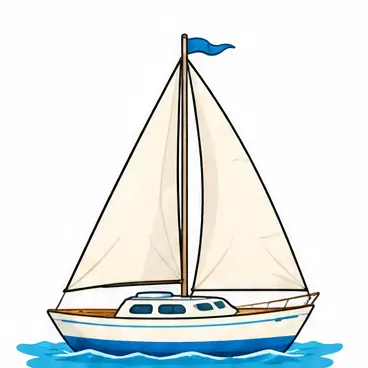
yachtyacht
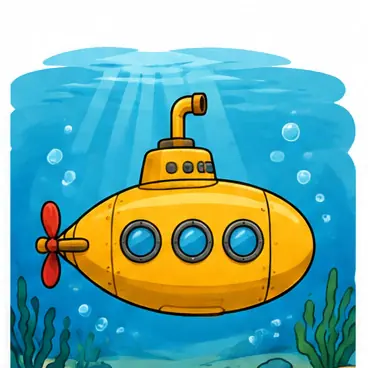
submarinesubmarine
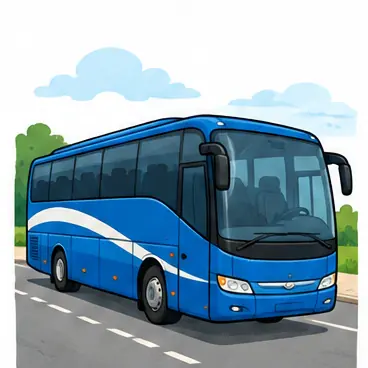
coachcoach
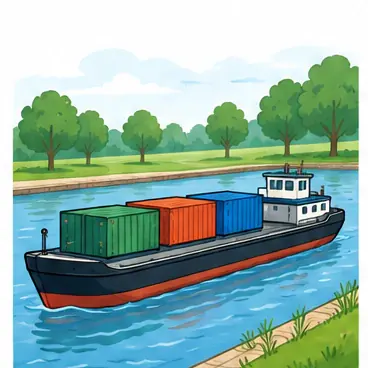
bargebarge
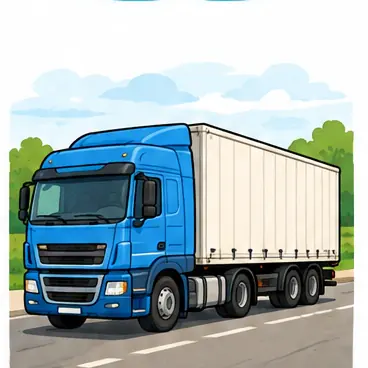
lorrylorry
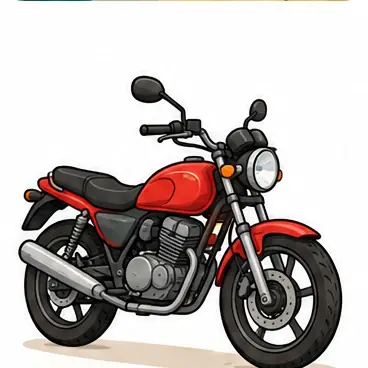
motorbikemotorbike
How long has the engineer been testing it?

He has been testing it all morning.

They have been travelling since eight.
Have you been looking after the batteries?
The team has been checking the panels since eight.

대화

Nia I am reporting from the harbour. Today Leo is playing the engineer of the solar ferry.

Nia How long have you been testing it?

Leo I have been testing it since eight this morning.

Nia What have you been checking?

Leo I have been checking the roof panels and recording their energy use.

Nia What has your team found?

Leo The batteries have been charging reliably, but we have not carried passengers yet.

문장 형태

How long has the engineer been testing it?

He has been testing it all morning.

  • They have been travelling since eight.
  • Have you been looking after the batteries?
  • The team has been checking the panels since eight.

추가 연습

Talk with the grammar

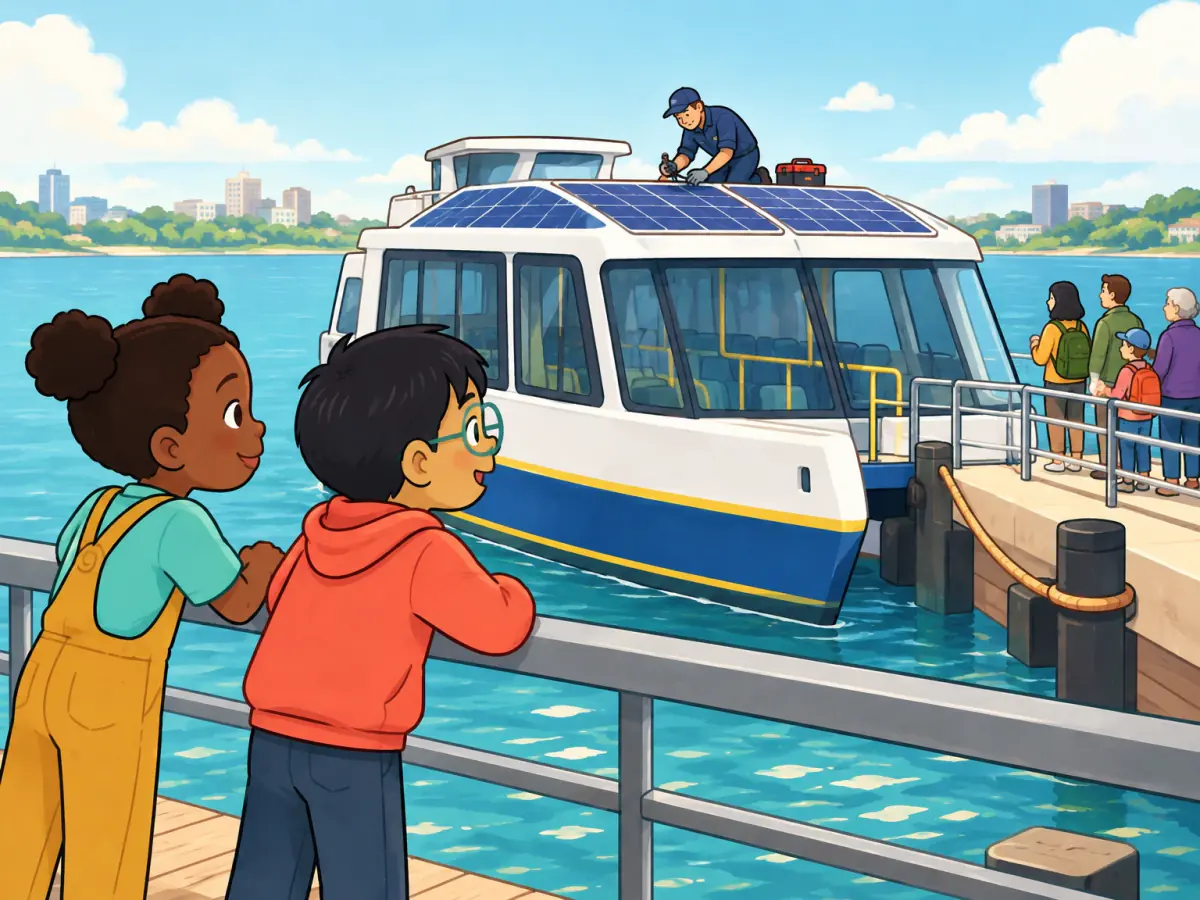
Nia and Leo observe a solar ferry prototype under repair; an engineer has been checking its roof panels all morning while visitors watch safely from the shore.

Leo How long has the engineer been testing it?

Nia He has been testing it all morning.

Nia What has he been checking?

Leo He has been looking after the roof panels.

Leo Have the visitors been waiting long?

Nia They have been waiting since eight.

How long has the engineer been testing it?

He has been testing it all morning.

  • They have been travelling since eight.
  • Have you been looking after the batteries?
  • The team has been checking the panels since eight.

Word study

look after

to take care of someone or something

The captain looks after the boat.

look up

to find information in a book or online

A librarian looks up each title.

look round

to look all around you, or visit all of a place

Put on a helmet and look round.

look forward to

to feel happy about something that will happen

I look forward to the first trip.

Books by barge

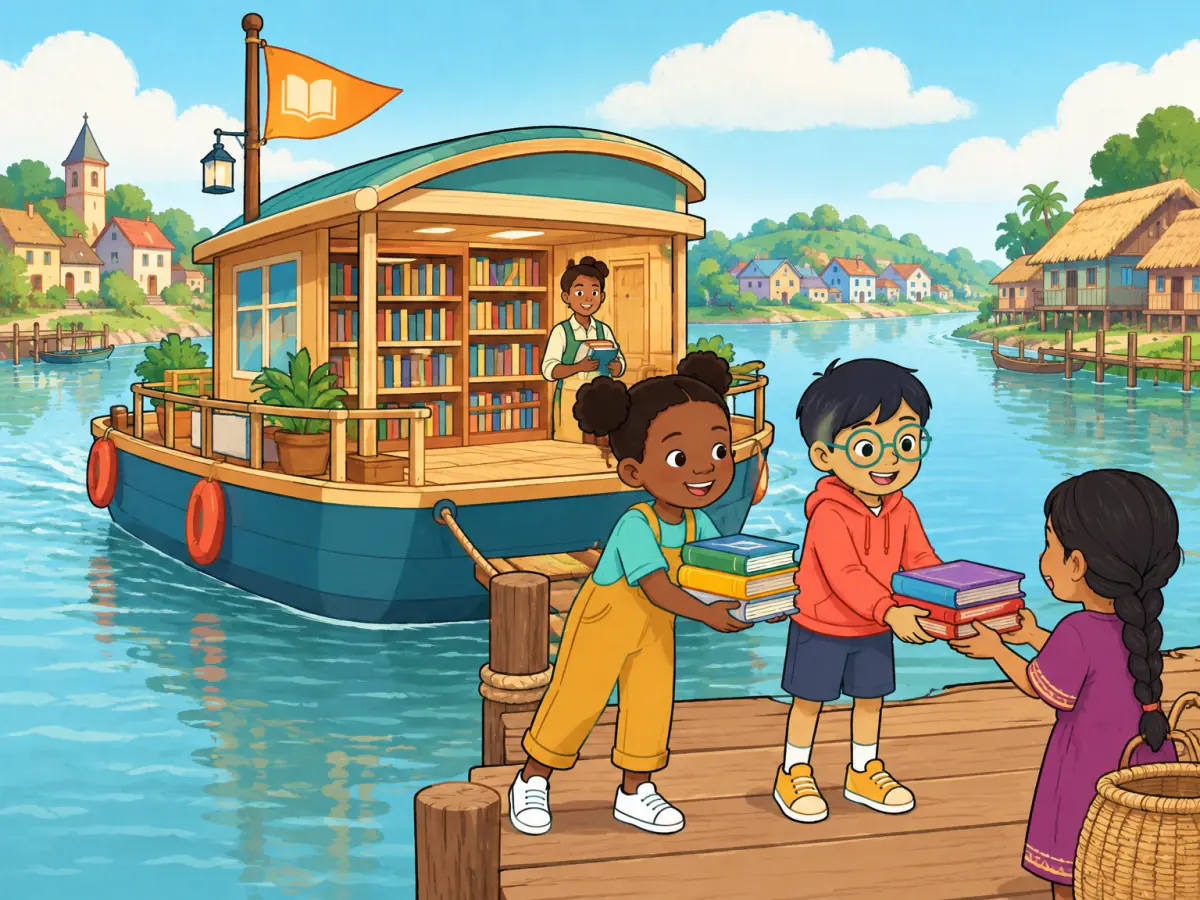
An original book-extract scene follows a floating-library barge delivering books to three river villages.

BOOKS BY BARGE

The blue library barge has been moving along the Willow River since Monday. Today, its crew has been carrying boxes to a village without a permanent library. Children have been waiting beside the safe landing stage since breakfast. The captain looks after the boat, while a librarian looks up each requested title. By evening, the barge will visit three communities and collect new reading requests.

Writer's studio

An original book-extract scene follows a floating-library barge delivering books to three river villages.

Nia Who will read your text?

Leo Children who are learning to ride will read it.

How do you ride safely?

HOW TO RIDE A BIKE First, put on a helmet and look round. Next, check the brakes and tyres. Then, start on a clear path and signal before you turn. Finally, slow down and stop in a safe place.

  • They have been travelling since eight.
  • Have you been looking after the batteries?
  • The team has been checking the panels since eight.
이 단원 배우기
어떻게 배우고 싶나요?

순서대로 쓰기: first, next, then, finally

방법 설명 글은 읽는 사람에게 할 일을 한 단계씩 알려 줍니다. 각 단계는 동사원형으로 시작하고 “you”를 쓰지 않습니다: “Check the brakes.” 맨 앞의 순서어가 단계의 위치를 보여 주고, 글에서는 보통 뒤에 쉼표를 찍습니다. first와 finally는 한 번씩만 쓰고, next와 then은 중간 단계마다 다시 쓸 수 있습니다. 한국어의 ‘먼저, 그다음에, 그러고 나서, 마지막으로’와 같은 흐름입니다.

  • First: 다른 모든 단계보다 먼저 하는 일 (먼저, 우선)
  • Next, Then, After that: 중간 단계 (그다음에, 그러고 나서)
  • Finally: 마지막 단계 (마지막으로)

그림에서 방법 설명 글로

먼저 누가 읽을 글인지 물어보세요. 자전거 타기를 배우는 아이들이 읽는다면 단계마다 짧은 동작이 한두 개만 있어야 합니다. 많은 아이가 그림으로 먼저 계획할 때 더 잘합니다: 화살표로 이은 상자 네 개를 그리고, 상자마다 아래에 동사 하나를 씁니다. 상자 하나는 문장 하나가 되고, 화살표 하나는 순서어 하나가 됩니다.

“HOW TO RIDE A BIKE. First, put on a helmet and look round. Next, check the brakes and tyres. Then, start on a clear path and signal before you turn. Finally, slow down and stop in a safe place.”

“signal”은 방향을 바꾸기 전에 팔로 어느 쪽으로 도는지 알리는 것입니다. 아이가 모델 글에서 동사 여덟 개를 찾아 몸으로 표현해 볼 수 있을까요?

진행 중인 일 전하기: have been + -ing

지시문은 무엇을 할지 말하고, 진행 보고는 누군가가 지금까지 무엇을 해 오고 있는지 말합니다. 과거에 시작해서 지금도 계속되는 일에는 have 또는 has + been + -ing를 씁니다(현재완료진행형). “How long…?”에는 since와 시작 시점, 또는 for와 기간으로 대답합니다. 질문에서는 have가 앞으로 옵니다: “Have you been looking after the batteries?”

한국어로는 “8시부터 테스트하고 있어요”처럼 현재형으로 말하기 때문에 아이들은 “I am testing it since eight.”라고 하기 쉽습니다. 영어로는 “I have been testing it since eight.”가 맞습니다. 아래에서는 리포터가 태양 에너지로 움직이는 여객선을 시험하는 엔지니어를 인터뷰합니다.

Nia How long have you been testing it?

Leo I have been testing it since eight this morning.

Nia What have you been checking?

Leo I have been checking the roof panels and recording their energy use.

아직 진행 중일까, 결과일까?

보고에는 두 형태가 함께 자주 나옵니다. have been + -ing는 지금도 진행 중인 활동을 말합니다. have + 과거분사(found, carried)는 결과를 전하거나, 어떤 일이 일어났는지 아닌지를 말합니다. 아래 엔지니어의 대답에는 둘 다 들어 있습니다.

  • 진행 중인 활동: “The barge has been moving along the river since Monday.”
  • 결과, 또는 아직 하지 않은 일: “We have not carried passengers yet.”

Nia What has your team found?

Leo The batteries have been charging reliably, but we have not carried passengers yet.

나에게 맞는 방법으로 이 단원 배우기

이 주제의 단어: 교통수단과 look

lorry와 motorbike는 영국 영어이고, 미국에서는 truck과 motorcycle이라고 합니다. coach는 장거리 버스입니다. yacht의 ch는 소리가 나지 않아 “hot”과 운이 맞습니다. look은 뒤에 오는 작은 단어에 따라 뜻이 바뀝니다. look forward to 뒤에는 명사나 -ing가 옵니다. 여기서 to는 전치사이기 때문입니다.

  • 하늘: hot-air balloon (열기구), helicopter (헬리콥터)
  • 물 위와 물속: yacht (요트), submarine (잠수함), barge (강에서 짐을 나르는 평평한 배, 바지선)
  • 도로: coach (장거리 버스), lorry (트럭), motorbike (오토바이)
  • look after (돌보다): “The captain looks after the boat.”
  • look up (정보를 찾아보다): “A librarian looks up each title.”
  • look round (주위를 둘러보다): “Put on a helmet and look round.”
  • look forward to (고대하다): “I look forward to the first trip.”

흔한 실수와 쉬운 해결법

A2 단계에서는 자연스러운 실수입니다. 바른 문장으로 다시 말해 주고 계속 진행하세요.

  • “I am testing it since eight.”: “I have been testing it since eight.”
  • “since two hours”: 기간에는 for를 씁니다: “for two hours”.
  • “After, check the brakes.”: after는 혼자 쓰지 않습니다. “Then”이나 “After that”이라고 하세요.
  • “I look forward to ride.”: “I look forward to riding.”
  • “I have been knowing him for years.”: know는 -ing로 쓰지 않습니다: “I have known him for years.”

집에서 하는 놀이: 내 순서대로 해 봐

샌드위치 만들기처럼 간단한 일을 하나 고르세요. 아이가 상자 네 개를 그린 다음 first, next, then, finally로 단계를 말해 줍니다. 부모님은 들은 그대로만 따라 하세요. 빠진 단계가 있으면 샌드위치가 이상해지고, 아이가 글을 고칩니다.

그다음 역할을 바꿉니다. 부모님이 요리하는 동안 아이가 “How long have you been cooking?”, “What have you been doing?”이라고 묻고, 부모님은 since나 for로 대답합니다.

다음 단계

다음에는 기술에 관한 짧은 글 두 편을 비교하고, 이어서 처음 아이디어부터 작동하는 모형까지 담은 짧은 발명가 전기를 써 볼 수 있습니다.

자주 묻는 질문

영어의 순서어에는 무엇이 있나요?

first, next, then, after that, finally처럼 단계의 순서를 보여 주는 말입니다. 방법 설명 글에서는 각 단계를 이 중 하나로 시작하고, 보통 뒤에 쉼표를 찍습니다.

“I have tested it”과 “I have been testing it”은 어떻게 다른가요?

“I have been testing it”은 활동에 초점을 두며, 그 활동은 아직 계속되고 있습니다. “I have tested it”은 결과에 초점을 둡니다. 시험이 끝났다는 뜻입니다. 동작을 나타내는 동사라면 “How long…?” 질문에는 보통 -ing를 씁니다.

“look forward to see”인가요, “look forward to seeing”인가요?

“look forward to seeing”이 맞습니다. 여기서 to는 전치사라서 뒤에 명사나 -ing 형태의 동사가 옵니다.

이 단원 배우기
어떻게 배우고 싶나요?

다음에는 무엇을 할까요?

라이브 선생님과 함께 배워요

Flalingo 어린이 수업에서는 아이가 이런 단원을 라이브 선생님과 1:1로, 같은 화면의 게임으로 연습합니다.

무료 체험 수업 예약하기