
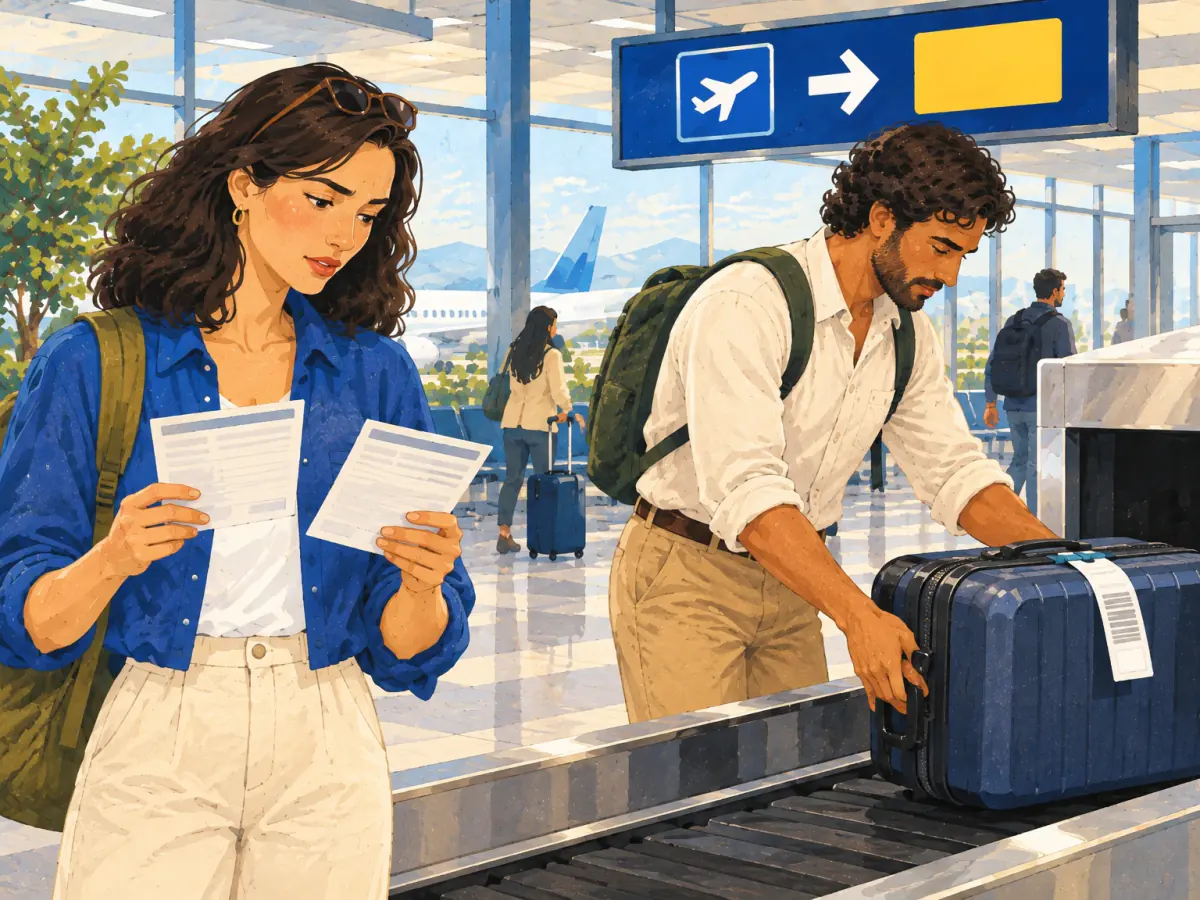
50단어 핵심에서 완성된 이야기로
문장을 다듬기 전에 무엇이 무엇을 일으켰는지 먼저 정하세요. 정확히 50단어로 쓰면 사슬만 남아요. 배경, 앞선 원인, 사건, 결과예요.
“We had been travelling for twelve hours when a message arrived: my passport was at gate 6. I had left it there. Because the desk would not announce names, the cleaner who found it asked staff to message me. I boarded just in time. Later, the airport changed its rules.”
그다음 140~190단어로 늘리고, 부사를 적어도 여섯 개 넣어 각각 분명한 역할을 맡기세요. 예시 이야기에서 가져온 문장이에요.
- 확신: “I checked my bag twice. The passport had definitely gone.”
- 논평: “Fortunately, I reached the new gate just before boarding closed.”
과거 시제 네 가지, 시간의 네 겹
이야기의 중심 줄기는 단순 과거로 쓰고, 꼭 필요할 때만 한 걸음 뒤로 가세요. 한국어에서는 ‘이미’, ‘-기 전에’ 같은 말로 순서를 보여 주는 경우가 많지만, 영어 이야기에서는 “had” + 과거분사가 그 역할을 해요. 어느 시점까지 ‘세 시간째 기다리고 있었다’면 “were waiting”이 아니라 과거완료진행형으로 말해요.
- 단순 과거, 주요 사건: “The gate changed, I ran, and the door closed.”
- 과거진행형, 진행 중이던 동작: “Passengers were boarding when the alarm sounded.”
- 과거완료, 그보다 먼저 끝난 일: “The crew discovered that a sensor had failed.”
- 과거완료진행형, 그 시점까지 이어진 앞선 활동: “They had been waiting for three hours when a gate was assigned.”
- “know” 같은 상태 동사는 진행형으로 쓰지 않아요: “had been knowing”이 아니라 “She had known about the connection”.
“so”와 “such”: 결과 보여 주기
한국어로는 둘 다 ‘너무 …해서’로 옮길 수 있지만, 영어는 뒤에 오는 말에 따라 골라요. 둘 다 정도를 강조하고 “that”으로 결과를 이어요.
- “so” + 형용사나 부사: “The announcement was so unclear that half the queue moved.”
- 셀 수 없는 명사에는 “so much”, 복수 명사에는 “so many”: “There was so much fog that the runway closed.”
- “such a” + 형용사 + 단수 명사: “It was such a tight connection that I ran.”
- “such” + 형용사 + 복수 명사나 셀 수 없는 명사: “We experienced such severe turbulence that service stopped.”
의미를 바꾸는 부사 짝
이 짝들은 비슷해 보여도 전하는 사실이 달라요. “hardly”는 “hard”에 “-ly”를 붙인 ‘열심히’가 아니라 ‘거의 … 않다’라는 뜻이에요.
- “hard”(열심히)와 “hardly”(거의 … 않다): “I worked hard but had hardly slept.”
- “late”(늦게)와 “lately”(최근에): “The train arrived late, and delays have increased lately.”
- “near”(가까이)와 “nearly”(거의): “The hotel is near the terminal, and it is nearly full.”
- “at the end”(끝 지점에서)와 “in the end”(어려움 끝에 결국): “At the end of the platform, I found the bag; in the end, we caught the flight.”
“apparently”와 “actually”: 전달, 정정, 논평
논평 부사는 내가 얼마나 확신하는지, 그 말이 어디서 왔는지 보여 줘요. 한국어의 ‘-대요’, ‘-다고 해요’처럼 “apparently”는 들은 정보라는 표시예요. 아래에서 두 동료가 잘못 전해진 수하물 알림을 되짚어 봐요.
- “apparently”: 듣거나 읽었지만 확인하지 않은 정보.
- “actually”, “in fact”: 앞의 말을 바로잡는 정정.
- “fortunately”, “certainly”: 내 생각이나 확신.
- “eventually”: 지연 끝에 결국. ‘아마’라는 뜻이 아니에요.
- 위치가 중요해요: “Clearly, he explained the delay.”는 그가 설명한 것이 분명하다는 뜻이고, “He explained the delay clearly.”는 설명이 알기 쉬웠다는 뜻이에요.
Owen Apparently, the bag was deliberately removed.
Maya Actually, staff moved it carefully after the label tore.
Owen I had hardly read the second note. I nearly accused the courier.
Maya Fortunately, you checked. The bag eventually reached baggage reclaim.
Owen Lately, I have been reacting too quickly to incomplete alerts.
Maya Ideally, the system should display the reason beside the movement.
자주 하는 실수
초안에서 다음을 확인하세요.
- “in the end of the flight”. “at the end of the flight”라고 하세요.
- “such a severe turbulence”. “turbulence”는 셀 수 없는 명사예요: “such severe turbulence”.
- “She checked carefully the tag.” 방법을 나타내는 부사는 동사와 짧은 목적어 사이에 넣지 않아요: “She checked the tag carefully.”
- 모든 문장에 “had” 쓰기. 과거완료는 한 걸음 뒤로 갈 때만 쓰고, 다시 단순 과거로 돌아오세요.
하루 10분 연습법
내 하루의 장면을 재료로 쓰고, 이야기 전체는 주말에 쓰세요.
- 3분: 오늘 있었던 한 장면을 과거 시제 네 가지로 말해 보세요.
- 3분: “so”, “so many”, “such a”로 결과를 덧붙이세요.
- 2분: “hard/hardly”, “late/lately”, “near/nearly”로 한 문장씩 말하세요.
- 2분: 어떤 소식을 “apparently”로 전한 뒤 “actually”로 바로잡으세요.
- 주말: 핵심을 쓰고 늘린 다음, 둘이 여전히 맞는지 확인하세요. 그리고 이야기해 보세요: “Does a good story need a clear ending, or can it leave a question open?”
다음 단계
B2에서 이어서 건강 소식에 개인 이메일로 답하거나, 직장 모험 연수에 대한 균형 잡힌 글을 쓰거나, 질문 세 개로 이끄는 지원자 프로필을 써 보세요. C1에서는 연극 리뷰에서 연출 선택을 설명해요.