本文へ移動
Flalingo

英語の練習

B1 Preliminaryスピーキング Part 3:パートナーと環境のアイデアを話し合って一緒に決めるコツ

Two friends take part in an online discussion with three other friends.

B1 PreliminaryとB1 Preliminary for Schoolsのペアでの話し合い問題:提案・賛成・ていねいな反対・決定の表現、理由を言うif文、環境の単語、よくある間違い、練習ルーティン。

B1 PreliminaryのスピーキングPart 3では、試験官が場面を説明して、パートナーと自分にいくつかのアイデアを描いた絵を渡す。2人でアイデアについて話し合い、どれがいちばんいいかを言うんだ。正解はない。試験官が聞いているのは、2人がどう話し合うかと英語そのもの。だから、いくつかのアイデアについて話し、それぞれに理由を言い、パートナーに意見を聞き、最後にはっきり決めよう。問題はB1 Preliminary for Schoolsでも同じだよ。この記事は12~16歳くらいの中級(B1)の人向け。

この記事が向いている人

  • B1 PreliminaryやB1 Preliminary for Schoolsの準備をしている12~16歳くらいの人。
  • 自分の意見は言えるけど、ペアの問題になるとひとりで長く話しすぎたり、“Yes, I agree.” だけで止まったりする人。
  • 保護者の方へ:おうちでパートナー役をしてみてください。週末の予定を2つ決めて、お子さんに英語でひとつを提案し、理由を言い、保護者の方の意見を聞いてもらいましょう。完璧な英語でなくて大丈夫です。
  • まだ早い:絵を見ながらパートナーと短い会話を続けるのもまだ難しいなら、A2 Keyのペアで話す問題から始めよう(下のリンク)。
  • 簡単すぎる:いくつかのアイデアをすらすら話し合って一緒に決められるなら、ライティングPart 2の記事で意見を書く練習や、試験週間のルールに進もう(下のリンク)。

サンプルページを開く

サンプルページを開く

単語カード

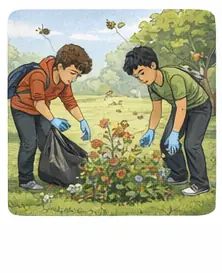
litter-picking daylitter-picking day

everyone picks up litter in the park for one afternoon

A litter-picking day is easy to organise.

recycling competitionrecycling competition

classes compete to recycle the most bottles and paper

The class that recycles the most wins a prize.

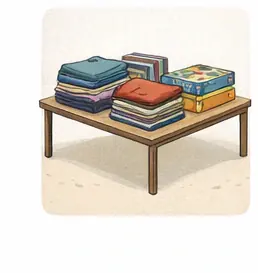
second-hand salesecond-hand sale

people sell old clothes and games instead of throwing them away

At the second-hand sale, Amara bought a jacket for two pounds.

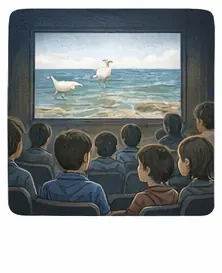
nature film nightnature film night

the school shows a film about animals and the natural world

At the nature film night, we learned about sea birds.

flowers for beesflowers for bees

students plant flowers that bees like around the school

If we plant flowers for bees, more bees will come to the school garden.

会話

Hana So, we need one idea for the school green week. Why don't we have a bike-to-school day?

Theo That's a great idea. I cycle every day anyway! But what about students who live far away?

Hana Good point. They could come by public transport instead.

Theo How about a no-plastic lunch day, too? Everyone brings food in boxes, not plastic bags.

Hana I'm not sure about that. Some families might not have boxes.

Theo I see what you mean. What do you think about the bike day, then?

Hana I think it's the best one, because everyone can take part.

Theo OK, so we both agree. The bike-to-school day it is!

文の形

The Green Team wants more young people in Kingsbay to help the environment. Here are some ideas. Talk together about the different ideas and say which one would be the best.

Why don't we start with the recycling competition? If classes compete, lots of students will take part. What do you think?

Talk about each idea, give reasons, ask for your partner's opinion and decide together at the end.

  • Why don't we…?
  • What do you think?
  • I'm not sure about that.
  • If we…, more people will…
  • So, we both agree.

追加の練習

What will happen if…?

Theo and Amara take part in an online discussion with Hana, Deniz and Lucas.

Hana Welcome to our debate. The question is: can young people really change anything?

Deniz If we only clean beaches, the plastic will come back next week.

Lucas Maybe. But unless someone starts, nothing will change.

Amara People might listen to us if we share our videos. Climate change is a big problem, but small actions may help.

Theo I agree. If more people take public transport, there will be less pollution.

Hana So, will we save the whole planet? Probably not. But we'll definitely change our four schools.

What will happen if we don't pick up the plastic?

If we don't pick it up, it will end up in the sea.

Use the present simple after 'if' or 'unless', and will, might or may in the result.

  • if
  • unless
  • will
  • won't
  • might
  • may
  • definitely
  • probably
  • perhaps

First conditional

  • If + present simple, will / won't + verb
  • If we only clean beaches, the plastic will come back.
  • The result can come first: The plastic will come back if we only clean beaches.

unless = if … not

  • Unless someone starts, nothing will change.
  • = If someone doesn't start, nothing will change.

How sure are you?

  • will definitely / definitely won't = very sure
  • will probably / probably won't = fairly sure
  • might / may / perhaps = not sure

Useful phrases

How did it go?

Your discussion

  • Did you ask for your partner's opinion?
  • Did you give reasons?
  • Did you decide together at the end?
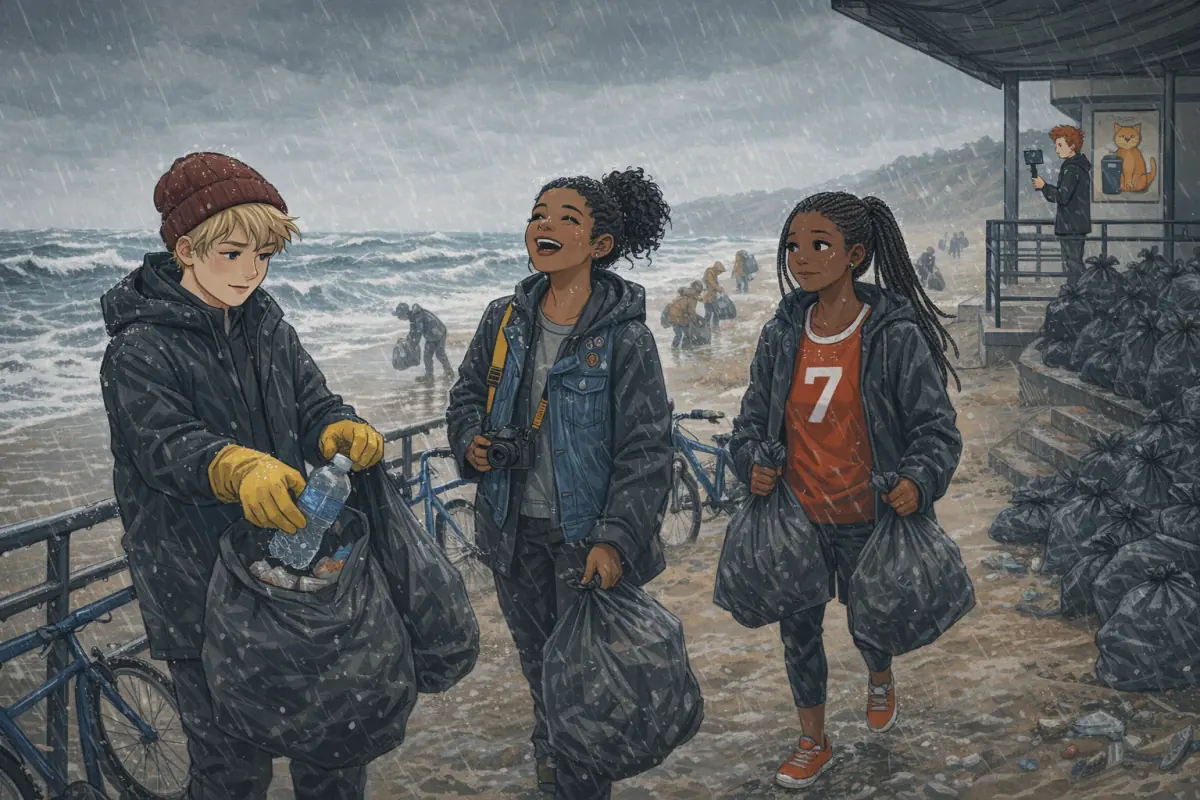
  1. The Green Team picks up litter on Kingsbay beach in heavy rain while Max Carter films them; a poster of Byline hangs by the café.

    Narrator On Saturday, the wind was freezing and the rain didn't stop. But twenty volunteers filled forty bags of rubbish on Kingsbay beach.

    Narrator In Curitiba, Lucas's team cleaned the river on the same day.

    Theo It isn't much, but small actions are a start.

    Narrator That evening, Amara checked her phone.

    Amara Look at this! Max Carter has posted a video of our clean-up, and he's put his own name on it!

この単元を学ぶ
どの方法で学びますか?

スピーキングPart 3ってどんな問題?

スピーキングはほかの受験者とペアで、2人の試験官の前で受ける。Part 3では絵が描かれた紙を渡されて、アイデアについて2人で話し合い、どれがいちばんいいか決める。Part 4では同じテーマについて2人に質問が続くよ。

私たちが作った練習問題:“Your school wants more young people to help the environment. Here are some ideas. Talk together about the different ideas and say which one would be best.”

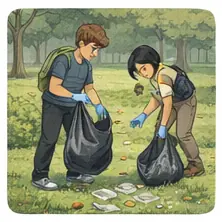
  • “a litter-picking day”: 公園でごみを拾う
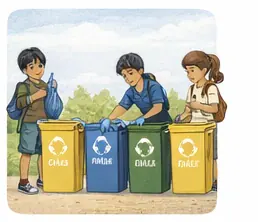
  • “a recycling competition”: クラス対抗でリサイクルの量を競う
  • “a second-hand sale”: 古い服やゲームを捨てずに売る
  • “a nature film night”: 動物と自然についての映画を見る
  • “flowers for bees”: 学校のまわりにミツバチが好きな花を植える

会話を続ける6つの技

すごいアイデアはいらない。大事なのは、会話を2人で分け合うこと。どの技も2回以上使おう。

  • 提案する:“Why don’t we have …?”、“How about a …?”
  • 理由を言う:“… because everyone can take part.”
  • 賛成する:“That’s a great idea.”、“Good point.”
  • 理由をつけてていねいに反対する:“I’m not sure about that.”、“I see what you mean, but …”
  • 意見を聞く:“What do you think?”、“Which one do you prefer?”
  • 決める:“So, we both agree.”、“In the end, the best idea is …”

聞いてみよう:提案から決定まで

2人の生徒が、学校の環境週間でやるアイデアをひとつ選んでいる。最初の提案から最後の決定まで、それぞれの技を見つけよう。“The … it is!” は選んだものに決めるときの親しみのある言い方だよ。

生徒1 So, we need one idea for the school green week. Why don't we have a bike-to-school day?

生徒2 That's a great idea. I cycle every day anyway! But what about students who live far away?

生徒1 Good point. They could come by public transport instead.

生徒2 How about a no-plastic lunch day, too? Everyone brings food in boxes, not plastic bags.

生徒1 I'm not sure about that. Some families might not have boxes.

生徒2 I see what you mean. What do you think about the bike day, then?

生徒1 I think it's the best one, because everyone can take part.

生徒2 OK, so we both agree. The bike-to-school day it is!

if、unless、mightで理由を言おう

いちばん手軽な理由の言い方はfirst conditional。if + 現在形のあとに will + 動詞を続ける。ifのすぐあとにwillは来ない。自信がないときはmightやmay、「~しなければ」はunlessを使おう。

  • “If we have a recycling competition, lots of students will take part.”
  • “If we plant flowers for bees, more bees will come to the school garden.”
  • “A film night might be boring for students who don’t like films.”
  • “Unless the school says yes, we can’t have the sale.”(学校が許可しなければ…)
自分に合った方法でこの単元を学ぶ

理由を強くする環境の単語

単語は、いっしょに使われる単語とセットで覚えよう。

  • “pick up litter”(ごみを拾う)、“reduce waste”(ごみを減らす)、“cause pollution”(汚染を引き起こす)
  • “recycle bottles and paper”、“a recycling bin”(リサイクル用のごみ箱)
  • “protect the beach”、“Plastic damages rivers.”
  • “volunteers”(ボランティア)、“public transport”(公共交通機関)、“second-hand clothes”(古着)

よくある間違いと直し方

練習のときは、これが出ていないか聞いてみよう。

  • “If we will plant flowers, more bees will come.” → “If we plant flowers, …”
  • “How do you think?” → “What do you think?” 「どう思う?」をそのまま訳すと起きる間違い。
  • “I’m agree.” → “I agree.” agreeは動詞だから、amはいらない。
  • “Let’s discuss about the ideas.” → “Let’s discuss the ideas.”
  • “How about make a film night?” → “How about a film night?” または “How about having …?”
  • “Yes, I agree.” だけ → “I agree, because …” と言って、新しい意見を足す。
  • 最後に決めていない → “So, our final decision is …”

15分の練習ルーティン

週2回、友だちか家族とやってみよう。できれば録音しよう。

  • 2分:場面をひとつ決めて(クラス旅行、環境週間など)、アイデアを5つ書く。
  • 4分:話し合う。それぞれ “What do you think?” を最低2回聞く。
  • 1分:声に出して決める:“So, our final decision is …”
  • 5分:録音を聞いて、理由と質問の数を数え、if文をひとつ直す。
  • 3分:Part 4のような質問に答える:“Do you think young people can help to protect the environment?”

次のステップ

Part 4では、意見と理由と例を言おう。話し合いが簡単になったら、ライティングPart 2のバランスのとれた記事や、mustとdon’t have toを使ったルールに進もう(下のリンク)。

よくある質問

B1 PreliminaryのスピーキングPart 3では、意見が同じじゃないとだめ?

ううん。ていねいに反対してもいいけど、一緒に決めようとしよう。決められないときは、はっきりそう言えばいい:“We don’t agree, but we both like …”

パートナーが話しすぎたり、ほとんど話さなかったりしたら?

質問をしよう:“What do you think about …?” 採点されるのはパートナーではなく、自分自身の英語だよ。

B1 Preliminary for SchoolsでもスピーキングPart 3は同じ?

うん、形式は同じ。テーマがみんなと同じ年代の生徒に合ったものになるよ。

Flalingoは、A2 KeyおよびB1 Preliminaryを提供するCambridge Englishと提携しておらず、同機関の承認を受けていません。

この単元を学ぶ
どの方法で学びますか?

次は何をしましょうか?

ライブの先生とマンツーマン

Flalingoでは、ティーンがこのような単元をライブの先生とマンツーマンで、自分のペースで学びます。

無料体験レッスンを予約