
本文へ移動
Flalingo

英語の練習

子どもと英語のレポートと物語を比べる(A2、10~12歳):長所、短所、そして信頼

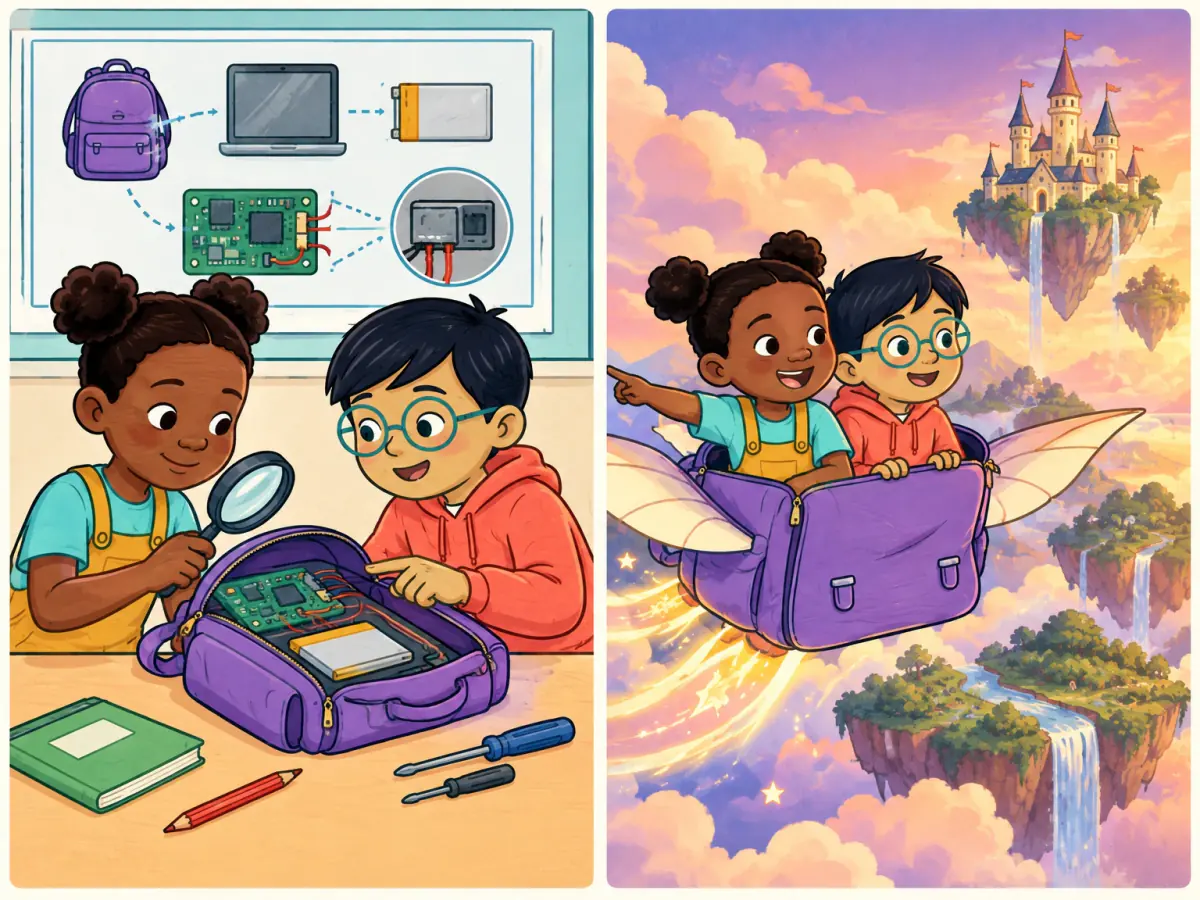
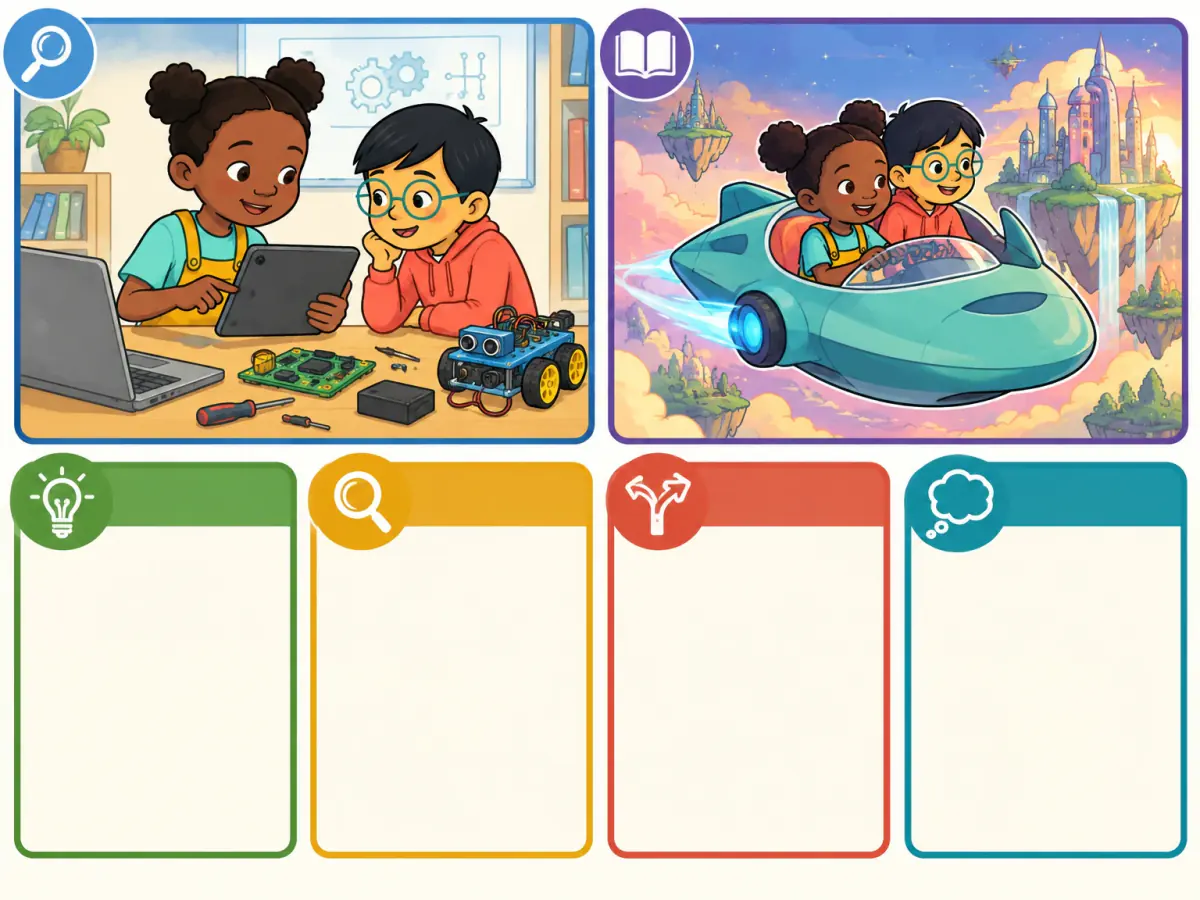
An original paired-reading display about technology: one factual investigation panel and one fictional narrative panel, visually distinct and without text.

短い英語のレポートと物語を比べられるようにしましょう。長所と短所を1つずつ挙げ、“too high for”を使い、比較の文と自分で考えた新しい場面を書きます(A2、10~12歳)。

英語でレポートと物語を比べるとき、子どもは両方の文章に同じ質問をします:“Why should I believe this?”(なぜこれを信じていいの?)レポートは、示せる具体的な事実と、うまくいかなかった点を認めることで信頼を得ます:“One board was too high for children and wheelchair users.” 物語は、登場人物の選択によって信頼を得ます。そのあと子どもは短い比較の文を書き、自分で考えた新しい場面を加えます。このテーマはA2レベルで、短い英語の文章が読める10~12歳くらいの子どもに向いています。

この記事が向いている人

  • 短い英語の文章を読む子どもの保護者:子どもが1ページのレポートや物語を読み、いくつかの文で言い直せます。
  • 機械やテクノロジーが好きな子ども:駅の画面、合図、動く模型があると、ていねいな読みが身近に感じられます。
  • 家で練習したい保護者:バス停やお店の案内表示が1つあれば十分です。下のカードと文章には音声があります。
  • まだ早い場合:first、next、finallyで出来事を順番に説明するのがまだ難しいなら、下にリンクした手順の説明のA2の記事から始めましょう。
  • 簡単すぎる場合:2つの文章をそれぞれの具体例で比べ、物語に合う続きを書けるなら、下にリンクしたアンケートレポートを書くA2の記事へ進みましょう。

サンプルページを開く

サンプルページを開く

単語カード

claim

An idea someone says is true.

observable detail

Something you can see, hear or measure.

changed assumption

An early belief that changes after new evidence.

uncertainty

Something the evidence does not yet prove.

会話

Nia Who will read your text?

Leo My teacher will read it, and we will talk about it.

文の形

How do the texts build trust?

Priya’s report builds trust with facts from one week: the lift message and the delay warning helped passengers. It also admits a weakness, because one board was too high. The story builds trust through Eren’s choice to slow the foal down and add signals. I would continue the story with the foal leading the parade safely.

  • claim
  • evidence
  • turning point
  • comparison

追加の練習

A true-to-life case study

CITY SIGNALS

For one week, Priya recorded how people used digital noticeboards at three busy stations. The boards showed platform changes with colour, sound and large symbols. On Monday, a broken lift message helped passengers choose an accessible route. On Thursday, a delay warning reduced crowding near one platform. Priya also found a weakness: one board was too high for children and wheelchair users. Her report recommended a lower duplicate screen and staff announcements during emergencies.

Turning Point

THE CLOCKWORK FOAL

Eren built a small mechanical foal for a theatre parade. At first, he programmed it to move as fast as possible. During rehearsal, the model ignored a stage assistant’s stop signal and knocked over an empty basket. Eren slowed it down and added three clear hand signals. In the final rehearsal, the foal paused, turned and followed its guide safely. The audience admired its speed, but Eren valued the moment it responded correctly.

Writer's studio

An original paired-reading display about technology: one factual investigation panel and one fictional narrative panel, visually distinct and without text. Four blank response panels show claim, evidence, turning point and reflection.

Nia Who will read your text?

Leo My teacher will read it, and we will talk about it.

How do the texts build trust?

Priya’s report builds trust with facts from one week: the lift message and the delay warning helped passengers. It also admits a weakness, because one board was too high. The story builds trust through Eren’s choice to slow the foal down and add signals. I would continue the story with the foal leading the parade safely.

  • claim
  • evidence
  • turning point
  • comparison
この単元を学ぶ
どの方法で学びますか?

文章を判断する4つの言葉

下のカードで、文章が何をどう証明しているかを考えるための4つの言葉が聞けます。ここでは駅の案内画面の例といっしょに紹介します。理科で似た考え方を日本語で学んでいれば、新しいのは英語だけです:claim(主張)、observable detail(観察できる事実)、changed assumption(変わった思い込み)、uncertainty(まだわからないこと)。

  • claim: “The station screens help passengers.”
  • observable detail: “A delay warning reduced crowding near one platform.”
  • changed assumption:“Everyone can see the screens.”という思い込みが“One screen is too high for some people.”に変わります。
  • uncertainty:3つの駅での1週間だけでは、画面がどこでも役に立つとは証明できません。

レポートが信頼を得る方法:よい知らせと問題点

ある短いレポートでは、プリヤ(Priya)という生徒が1週間、混雑する3つの駅のデジタル案内板を観察します。エレベーター故障のお知らせは乗客がバリアフリーのルートを選ぶ助けになり、遅延のお知らせは混雑を減らします。でも、案内板の1つは子どもや車いすの人には高すぎます。そこでプリヤは、もっと低い位置にもう1つ画面を置くことと、緊急時に駅員がアナウンスすることを提案します。

自分の問題点を認める文章のほうが信じやすいことはよくあります。ただし、提案はあくまで考えです。レポートには、低い画面が実際に設置されたとは書かれていません。

  • “One weakness is that the board is too high.”
  • “The report recommended a lower screen.”

文法ポイント:too+形容詞+for

“too”は「必要以上に」という意味なので、問題があることを示します。日本語の「〜すぎる」に近く、「とても」にあたるのは“very”です。“The board is very high.”は案内板の様子を説明するだけですが、“The board is too high for children.”は子どもが困るという意味です。何ができないかを言うには“to”と動詞を加えます:“The board was too high for children to read.”

  • too high for children:問題がある
  • very high:説明だけ
  • “The screen was too small to read.”

物語が信頼を得る方法:転換点

ある短い物語では、エレン(Eren)という男の子が劇場のパレードのために機械の子馬を作り、できるだけ速く動くようにします。リハーサルで子馬は止まれの合図を無視し、かごを倒してしまいます。エレンは速度を落とし、3つの手の合図を加えます。最後のリハーサルで、子馬は案内役に安全についていきます。

かごの出来事が転換点です。エレンの考えは「速いのがいちばん」から「合図に従うのがいちばん」に変わります。この物語は事実ではなく、選択によって信頼を得ています。子どもに過去形(past simple)で言い直してもらいましょう:

  • “At first, the foal moved too fast.”
  • “Then it knocked over a basket.”
  • “Eren slowed it down and added signals.”
  • “In the end, it followed its guide.”

本当の読み手に向けて比較を書く

まず、この会話のように、だれが読むのかを決めます。先生が読み手なら、3つの具体例を用意します:レポートから1つ、物語から1つ、そして自分の意見です。

よい比較は両方の面を示します:“The report builds trust with facts from one week, while the story builds trust through Eren’s choice to slow the foal down.” ここでの“while”は日本語の「〜一方で」のように2つを対比します。「〜している間に」という意味もあるので、文の中で見分けましょう。書く前に話し合ってみましょう:“Is a careful machine more useful than a fast one?”

  • “Both texts show that…”
  • “In the report…, but in the story…”
  • “I trust … more because…”

Nia Who will read your text?

Leo My teacher will read it, and we will talk about it.

自分に合った方法でこの単元を学ぶ

はっきり新しい続きの場面

物語の続きを書くときは、物語が終わったところから始め、物語が示したこと(子馬は今では合図に従う)を守り、過去形で新しい出来事を1つ加えます:

“On parade day, the music was too loud for anyone to hear a shout. When a dog ran in front of the foal, its guide raised one hand, and the foal stopped at once.” 理由もなく子馬がまた全速力で走り出す場面は、物語が築いた信頼をこわしてしまいます。

家でできる遊び:案内表示チェック隊

バス停やお店で、案内表示か画面を1つ選びましょう。子どもが英語で短く口頭レポートをします:長所1つ、短所1つ、提案1つ。5分で十分です。

  • “One strength is that it uses big symbols.”
  • “One weakness is that it’s too small for older people to read.”
  • “I recommend a bigger screen near the door.”

よくある間違いと簡単な直し方

正しい文で言い直して、そのまま続けましょう。

  • “too much high”:“too high”だけで十分です。
  • “He slowed down it.”:itやthemは真ん中に入れます:“He slowed it down.”
  • “It recommended to put a lower screen.”:名詞を使います:“It recommended a lower screen.”
  • “Both texts builds trust.”:“Both texts build trust.”
  • 物語をくり返すだけの続き:結末のあとに起こる出来事を1つ加えましょう。

次のステップ

次は、クラスの小さなアンケートで集めた数と理由を使って、自分のレポートを書いてみましょう。

よくある質問

英語の2つの文章を比べるのを、どう手伝えばいいですか?

両方の文章に同じ質問をしましょう。たとえば“Why should I believe this?” 子どもがそれぞれについて1文ずつ書き、“while”か“but”でつなぎます。

短所を認めるレポートは、なぜ信頼しやすいのですか?

書き手がていねいに確かめ、何も隠していないことがわかるからです。そのため、よい結果もより信じやすくなります。

物語をまねせずに続きを書くには?

物語を一度読んだらしまい、最後の出来事のあとに何が起こるかを書きましょう。

この単元を学ぶ
どの方法で学びますか?

次は何をしましょうか?

ライブの先生と学ぼう

Flalingoのキッズレッスンでは、お子さまがこのような単元をライブの先生とマンツーマンで、同じ画面のゲームを通して練習します。

無料体験レッスンを予約