
 break
 repair
 comfortable
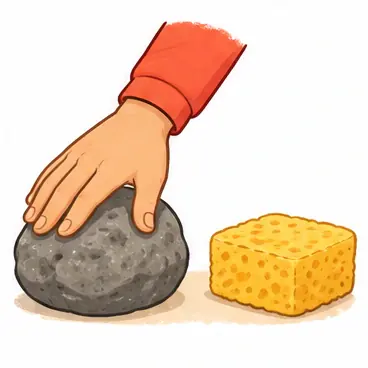 hard
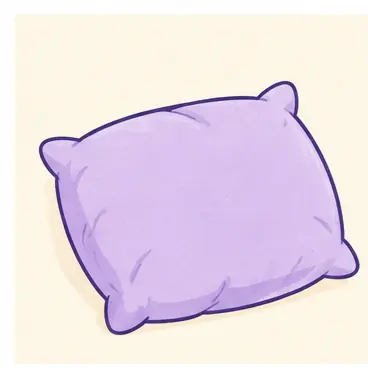 soft
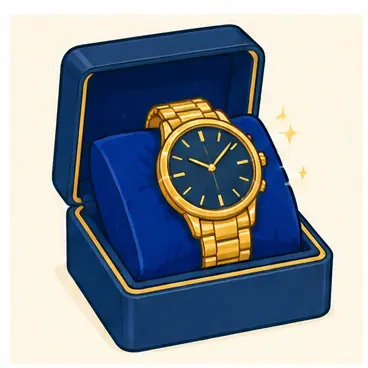 expensive
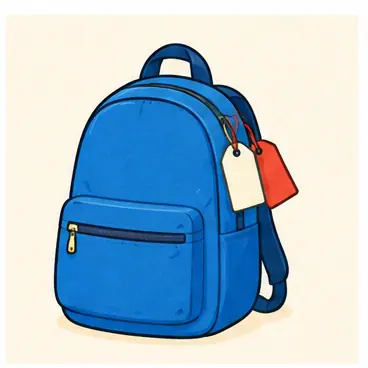 cheap
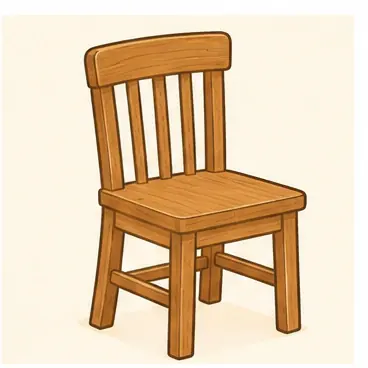 wooden
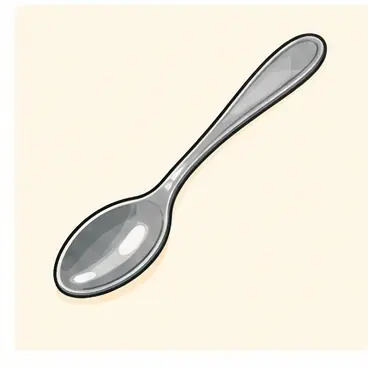 metal
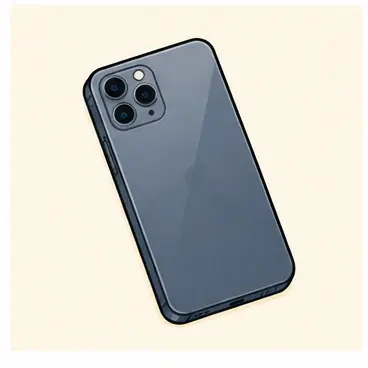 modern
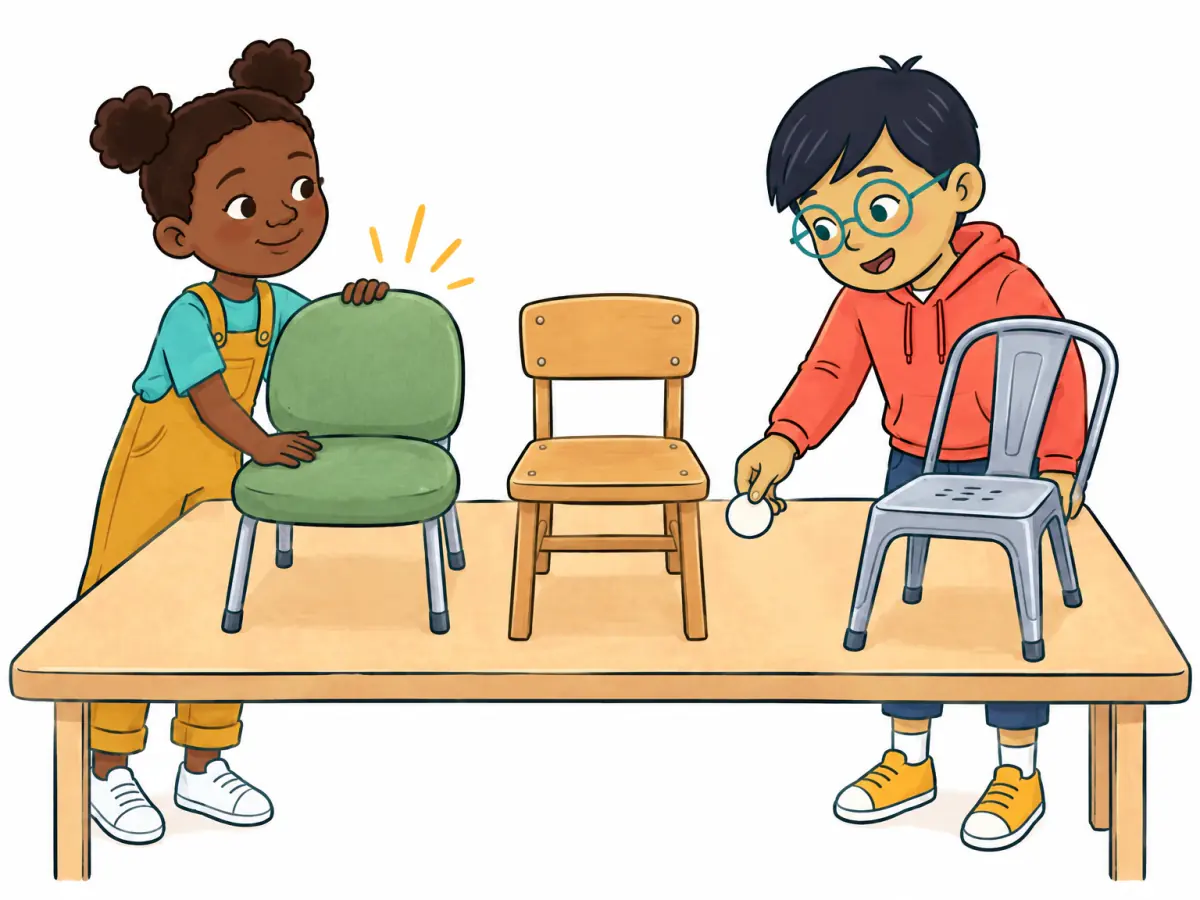
説明する言葉:素材と値段
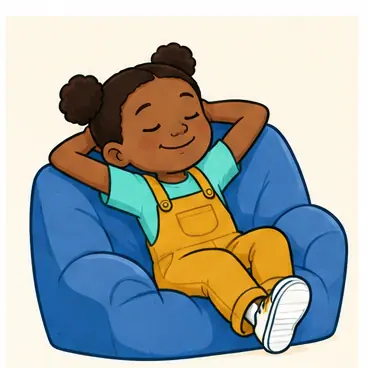
比べる前に、ものを説明する言葉が必要です。その多くは反対の意味のペアになっています。woodenは「木でできた」という意味で、metalもものを説明する言葉として使えます:“a metal chair”。comfortableはふつうCOMF-ta-bleのように3音節で発音します。
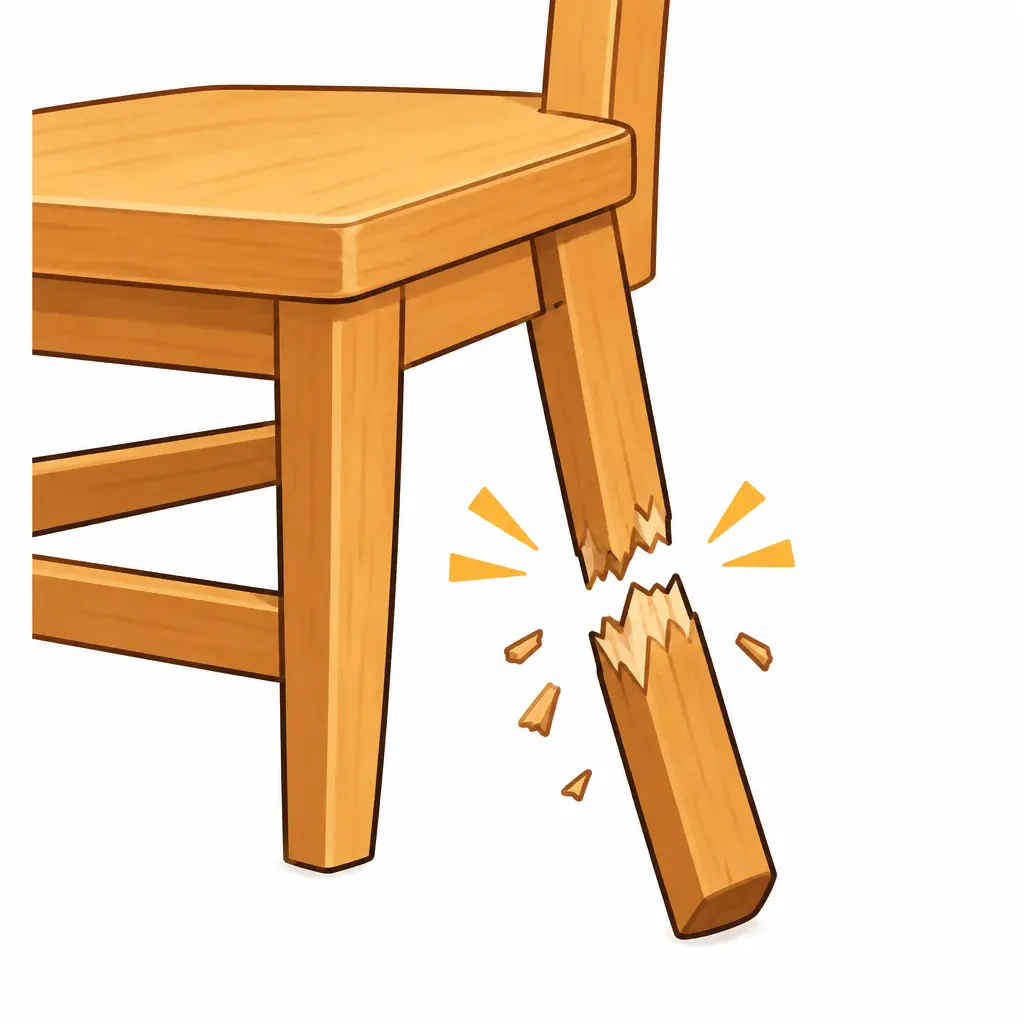
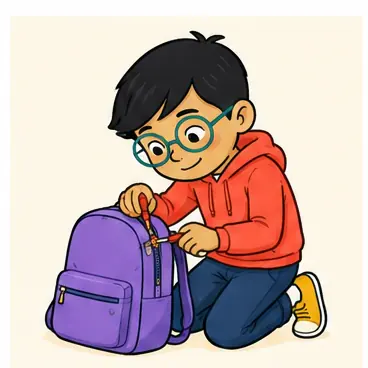
breakとrepairはお話で役に立つ動詞です。何かがこわれ(break)、だれかが直します(repair、つまりfix)。
- 反対の言葉:hard(かたい) – soft(やわらかい)、cheap(安い) – expensive(高い)、modern(現代的な) – old(古い)
- 素材:wooden(木の)、metal(金属)、plastic(プラスチック)、fabric(布)
2つを比べる:-er、more、better、worse
日本語では「もっと安い」「より高い」のように、どの形容詞でも形を変えずに前に言葉を足します。そのため日本の子どもは“more cheaper”や“more cheap”と言いがちです。英語では短い語にmoreをつけず、-erをつけます:cheaper、harder、softer。つづりが変わる語もあります:bigはbigger、safeはsaferになります。長い語にはmoreを使います:more expensive、more comfortable、more modern。比べる相手はthanで言います:“The metal chair is harder than the sofa.”
goodとbadは不規則です:“This design is better.” “That design is worse.” “more better”とは決して言いません。
いくつかの中から1つを選ぶ:the cheapest、the most comfortable、the best
3つ以上あるときは、theと-est、またはtheとmostで1つを選びます:the cheapest、the most expensive。日本語の「一番安い」は“the most cheap”ではなく“the cheapest”です。goodとbadはすっかり形が変わります:the best、the worst。日本語にはtheにあたる言葉がないので忘れがちですが、ここでは必ず必要です。
実際の質問で練習しましょう:“Which material is the most comfortable?” “The soft fabric is the most comfortable.” それから理由をたずねます:“The green model is the best because it is safe.”
- cheap – cheaper – the cheapest
- comfortable – more comfortable – the most comfortable
- good – better – the best
- bad – worse – the worst
お話を順番に話す
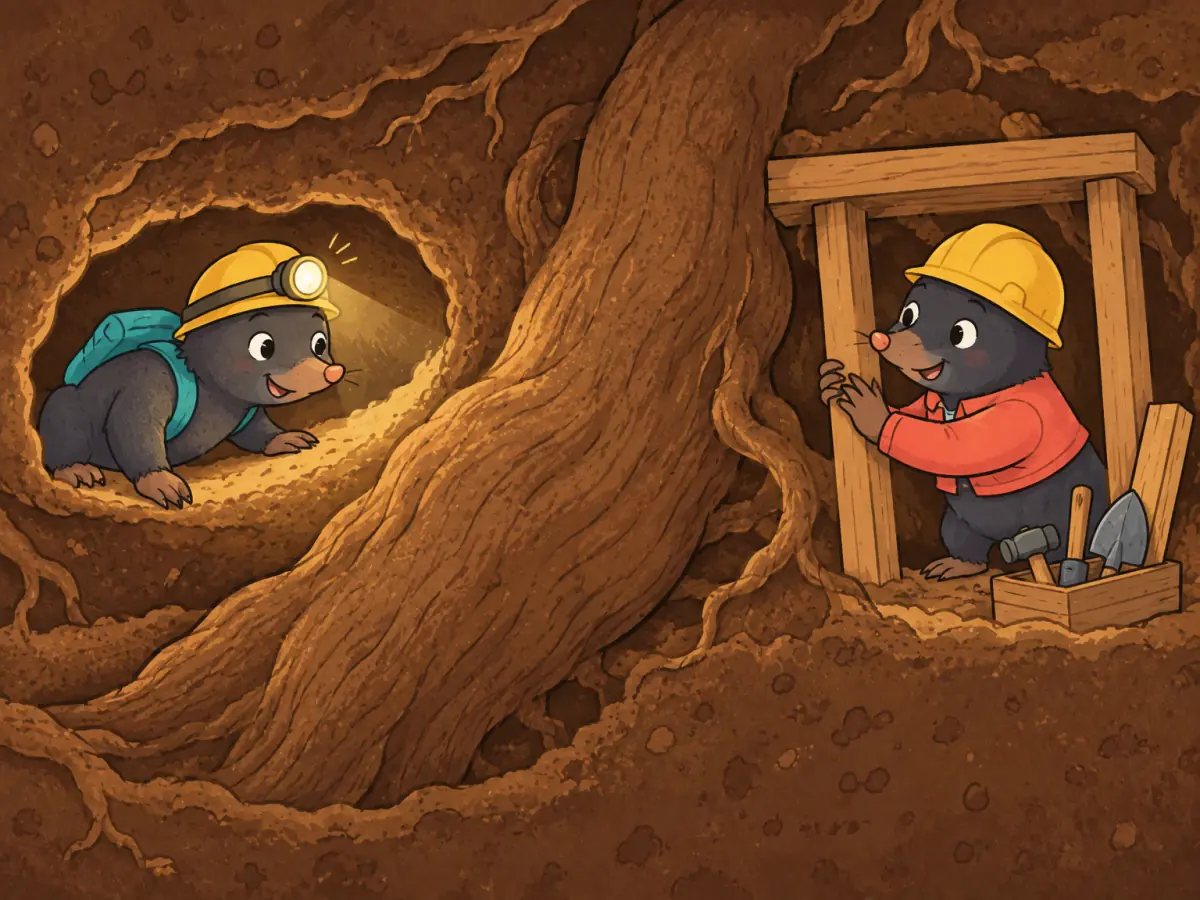
多くの寓話は、急いだ計画と慎重な計画を比べます。この音声では、2人の子どもが、地下に部屋をほるPipとSolという2匹のモグラの寓話を語り直します。お話を順番につなぐ質問はWhat happened first?とWhat did Pip and Sol do next?です。過去形の動詞も聞いてみましょう。blockedとtestedは-edをつけ、beganとmadeは不規則です。
Nia What happened first?
Leo Two moles began to dig a reading room before winter.
Leo What blocked their tunnel?
Nia A big, hard root blocked it.
Nia What did Pip and Sol do next?
Leo Sol made a wooden support, and Pip tested a safer route. Together, they finished a comfortable room.
mouseとmiceで短い寓話を書く
寓話は、たいてい動物が出てくるとても短いお話で、moralと呼ばれる教訓で終わります。4文で十分です:登場人物、問題、したこと、教訓。登場人物はよくgenerous(気前よく分ける)やlazy(働きたがらない)と説明されます。
動物のお話には、-sをつけない不規則な複数形が必要です:one mouseとthree mice、one footとtwo feet、one childとtwo children。日本語は「ネズミ3匹」のように数があっても名詞の形が変わりませんが、英語では数のあとに必ず複数形を使います:“three mice”。まねして変えられる例です:
- “Three mice needed a warm home before winter.”
- “The youngest mouse chose a paper bag because it was the cheapest.”
- “The bag broke in the rain, so they built a wooden house.”
- “The moral: the cheapest choice is not always the best.”
つづりのコツ:やわらかいcとg
cはe、i、yの前ではほとんどいつもsの音になります。シティ(city)、ダンス(dance)、アイス(ice)というカタカナ語を思い出すと分かりやすいでしょう。同じ文字の前のgは、よく「ジ」のような音になります:ページ(page)、ステージ(stage)のように。a、o、uの前ではどちらもかたい音です:cat、game。gにはget、give、girlのようなよくある例外があります。
- Soft c: city, ice, dance, rice
- Soft g: cage, page, giraffe, stage
よくある間違いと簡単な直し方
A2では自然な間違いです。正しい文で言い直して、そのまま続けましょう。
- “This chair is more cheaper.”:-erとmoreはどちらか1つだけです:“This chair is cheaper.”
- “The most good model.”:goodは不規則です:“the best model”。
- “This design is worst.”:2つならworse、グループ全体の中ならthe worstです。
- “Three mouses ran home.”:“Three mice ran home.” “childrens”ではなくchildren、“foots”ではなくfeetです。
- “Harder then the sofa.”:比べるときはthenではなくthanです。
家でできるゲーム:家でいちばんの席
家で座る場所を3つ選びます:台所のいす、スツール、ソファ。子どもが1つずつ座って比べます:“The stool is harder than the sofa.” “The sofa is the most comfortable.” おもちゃの値札をつけて“Which seat is the cheapest?”とたずね、わざとまちがったことを言って子どもに直してもらいましょう。
最後に、席についての4文の寓話を作ります:“Two children and three mice wanted the softest seat.”
次のステップ
比べるのが楽になったら、Which…?やWhy…?の質問に理由をつけて答えられるようになります。その次は、willで予想を言うこと(“I think it will rain.”)と、メモを1つの段落にまとめることです。