
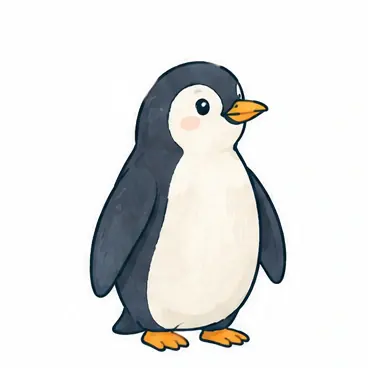
 penguin
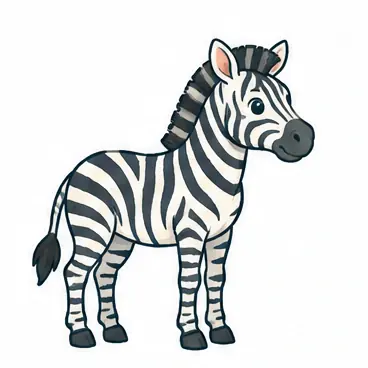 zebra
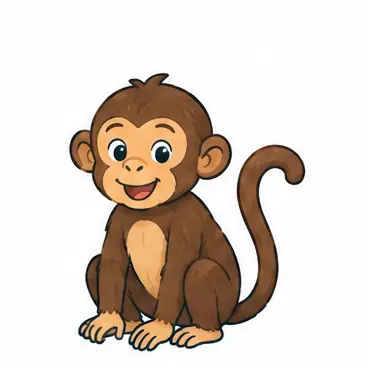 monkey
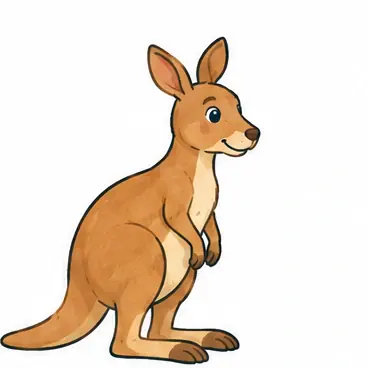 kangaroo
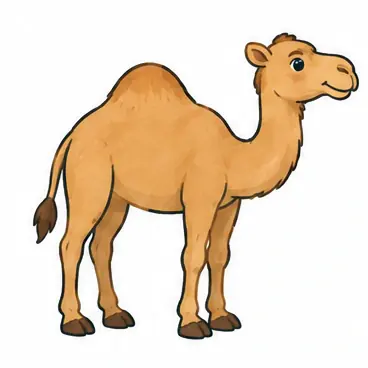 camel
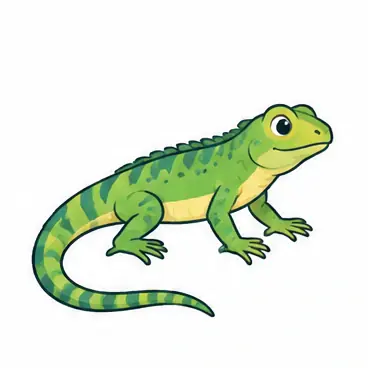 lizard
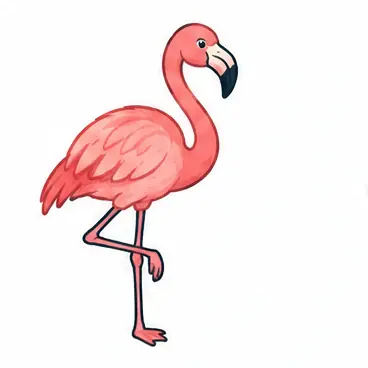 flamingo
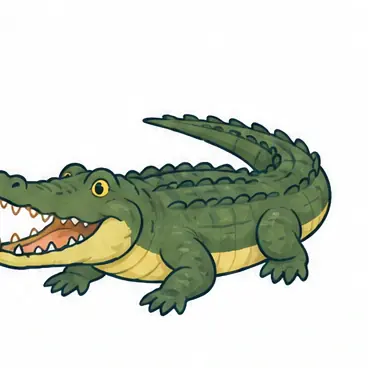 crocodile
 angry
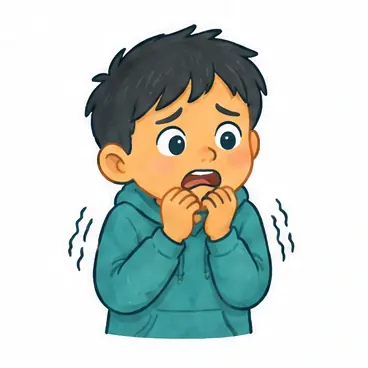 scared
 free
 sorry
 funny
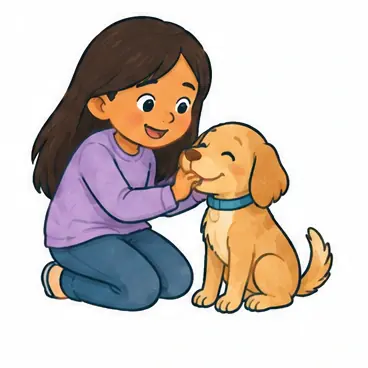 kind
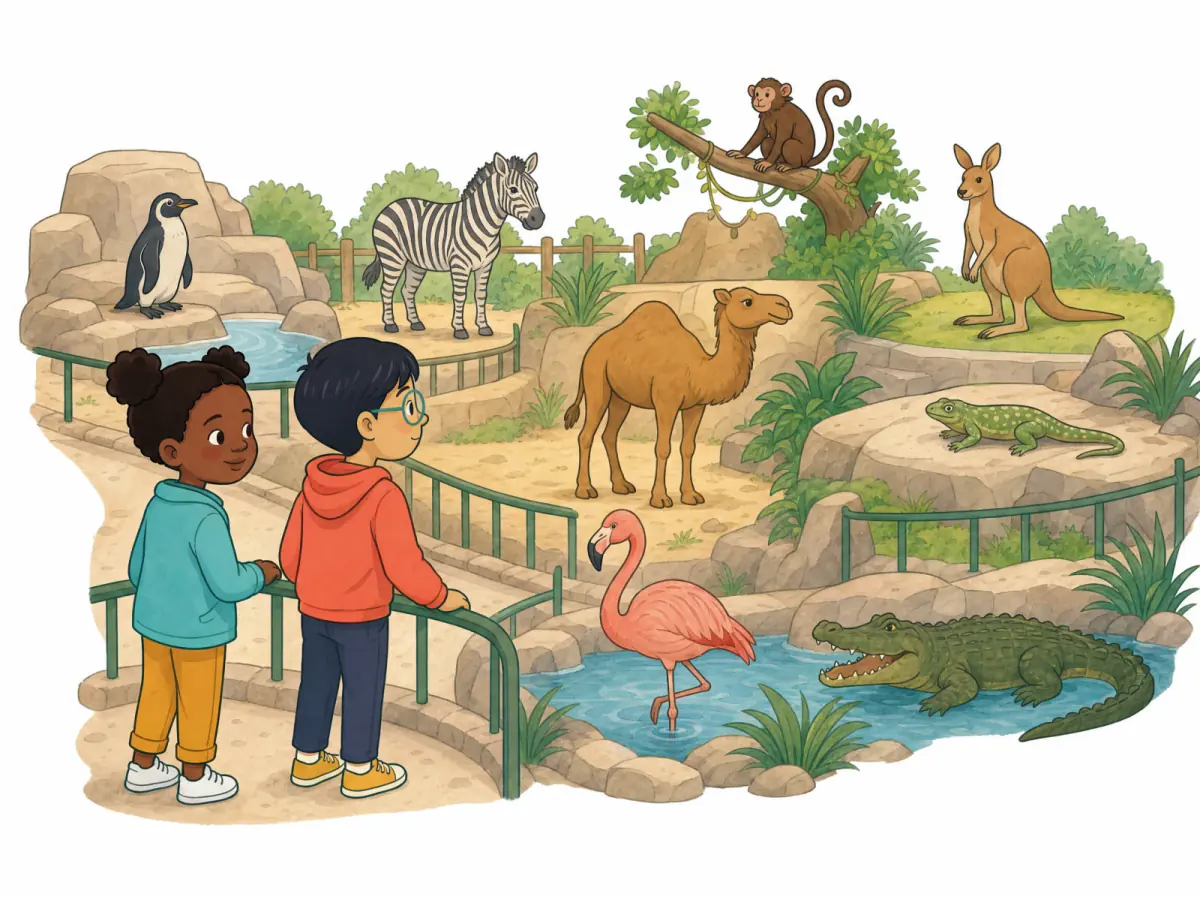
Eight zoo animals, one feature each
Each animal has one easy-to-see feature, often your child’s first fact: “A zebra has black and white stripes.”
- penguin: can swim but can’t fly
- zebra: black and white stripes
- monkey: a long tail, can climb
- kangaroo: big back legs, can jump
- camel: one or two humps, lives in the desert
- lizard: small, with a long tail
- flamingo: pink, with long legs
- crocodile: big teeth, can swim
Four kinds of facts in the present simple
A fact file answers four questions: what the animal looks like, where it lives, what it can do and what it eats. One sentence for each, under a title such as FLAMINGO FACTS, is enough.
Facts are always true, so they use the present simple. With “they”, the verb has no -s: “They live near water.” With “it”, add -s: “It lives near water.” “Can” never changes.
- Looks: “Flamingos have long legs. They are pink and white.”
- Home: “They live near water.”
- Abilities: “They can fly, swim and run.”
- Food: “Penguins eat fish.”
Plan by talking first
Talk before writing. Three questions make a plan: which animal, what it can do, and what an expert says. In the last line below, the keeper’s words are reported, so there are no speech marks; in the fact file they become a quote.
Nia Which animal will you write about?
Leo The flamingo.
Nia What can it do?
Leo It can fly, swim and run.
Nia What does the keeper say?
Leo The keeper says they live near water.
Speech marks: where the comma goes
Speech marks go around someone’s exact words; the speaker and “says” stay outside. Double (“ ”) and single (‘ ’) marks are both correct.
- Speaker first: A keeper says, “They live near water.” Comma after “says”, capital letter inside, full stop before the closing mark.
- Speaker after: “They live near water,” says the keeper. The full stop becomes a comma inside the closing mark.
- With ! or ?: “Don’t eat me!” says the mouse. The ! takes the place of the comma.
- With he or she, the person goes before “says”: “Thank you,” he says.
- Reported, with no marks: The keeper says they live near water.
Talking animals belong in stories
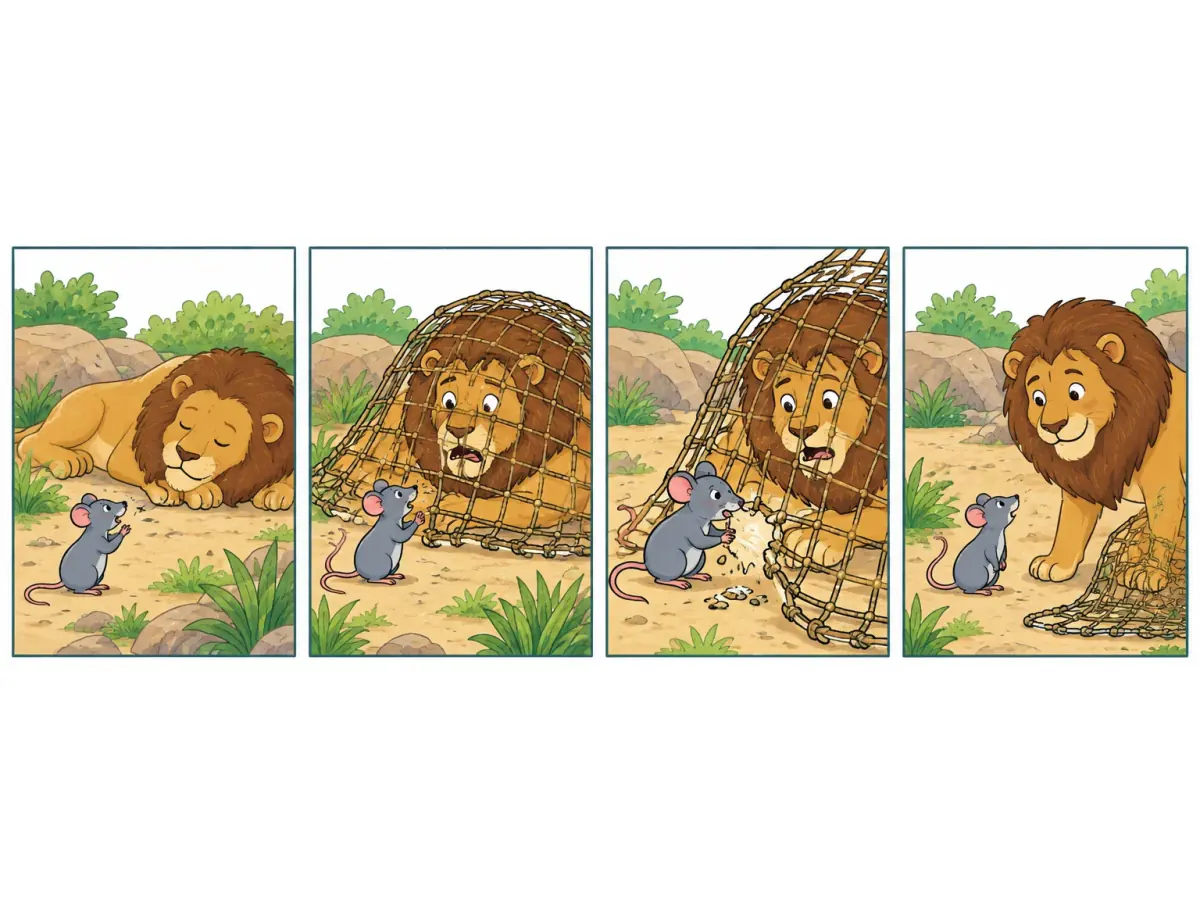
Story animals talk, so stories are good for practising speech marks. In Aesop’s fable The Lion and the Mouse, a scared mouse tells an angry lion, “Don’t eat me! I can help you one day.” Later it frees him from a net. “Thank you,” says the lion.
Can a real mouse talk? No. In a fact file, only a real expert gets speech marks: a keeper, a vet or a guide. The fable also gives six describing words: angry, scared, sorry, funny, kind and free.
A fact or right now?
Watching an animal, children also say what it is doing now: is or are plus -ing. “A penguin eats fish.” is always true; “The penguin is eating a fish.” is happening now.
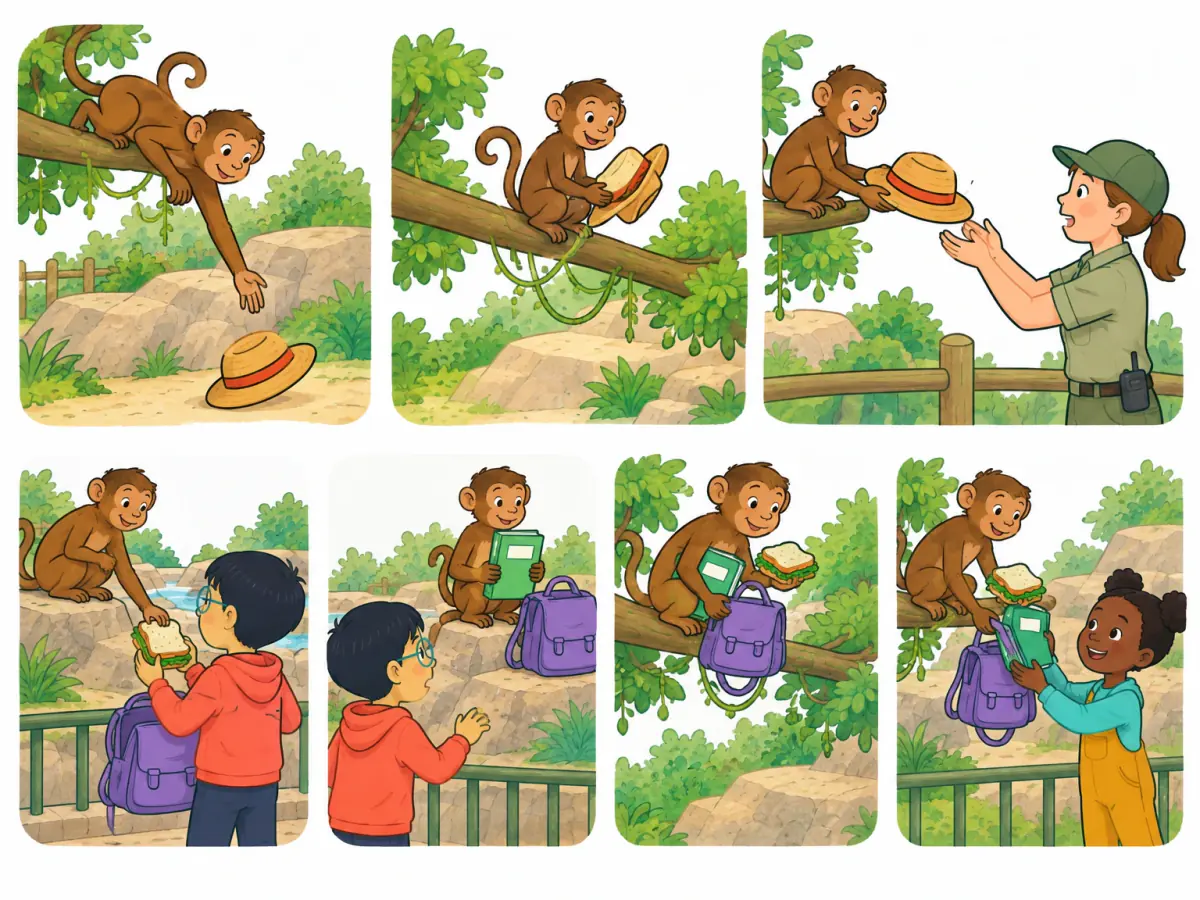
- “Is the monkey sleeping?” “No, it isn’t. It’s taking the bag.”
- “Are the monkeys eating?” “No, they aren’t. They’re playing.”
A home project: one animal, four sentences
Let your child choose an animal and find four facts together in a children’s animal book, on a zoo sign or in a nature programme. Your child writes a title and four sentences on a card and turns one fact into a quote: The presenter says, “Penguins can’t fly.” Then check capital letters, full stops and both speech marks. About 15 minutes is enough.
Common mistakes and quick fixes
These are normal. Rewrite the sentence together and move on.
- “It eat fish.”: add -s after “it”: “It eats fish.”
- “Flamingos has long legs.”: plurals take “have”: “Flamingos have long legs.”
- “They live near water” says the keeper.: comma inside the closing mark: “They live near water,” says the keeper.
- A keeper says “they live near water.”: comma after “says”, capital inside: A keeper says, “They live near water.”
- “It is eating fish.” in a fact file: facts take “It eats fish.”
What comes next
When four facts come easily, add a fifth with “but”: “Penguins are birds, but they can’t fly.” Next steps: telling an action now from a habit, and writing a morning routine in order.