
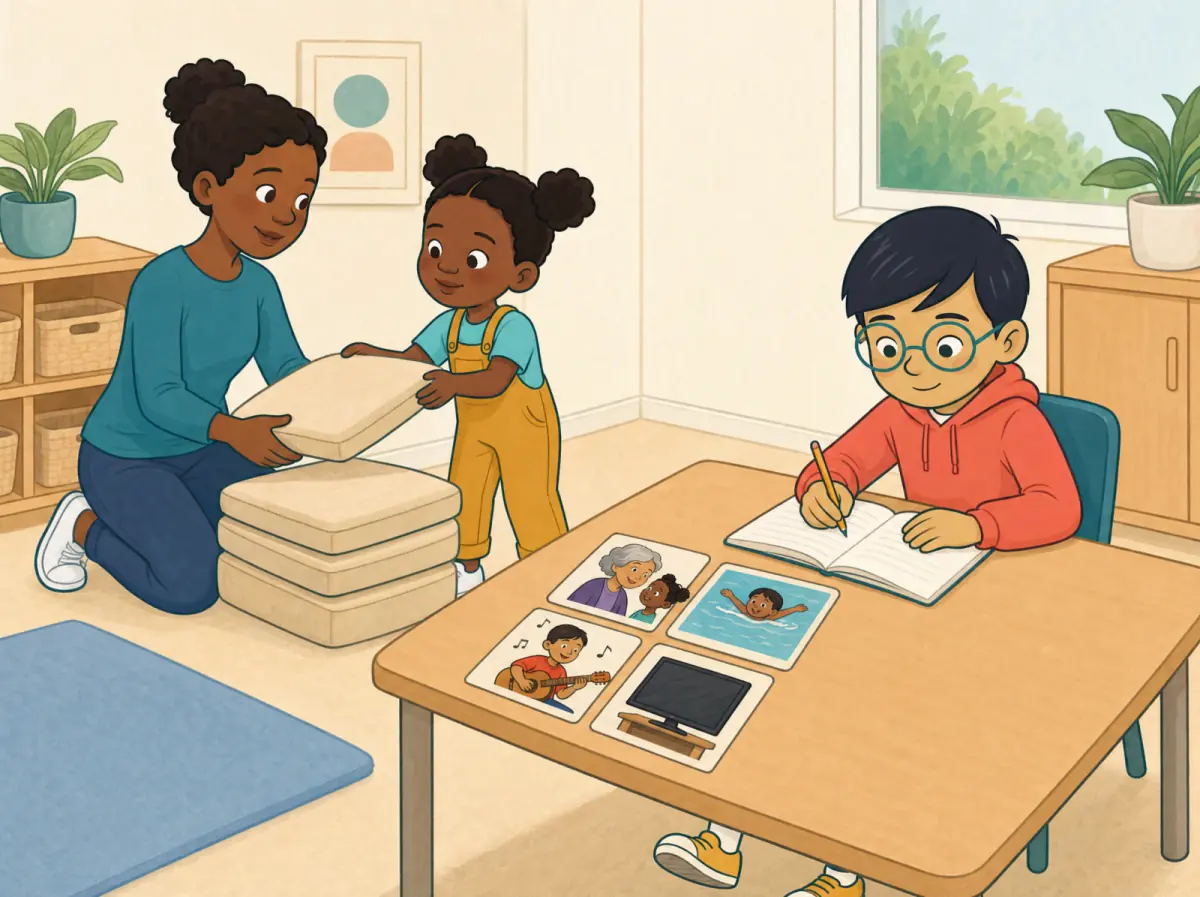
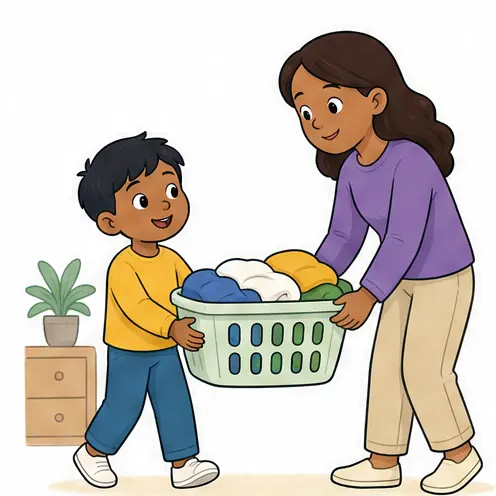
 help my mum
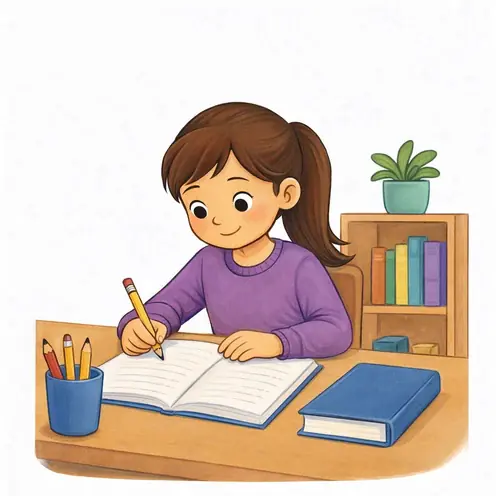 do my homework
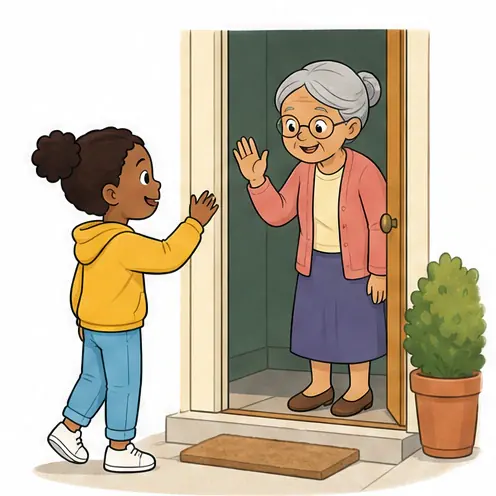 visit my grandma
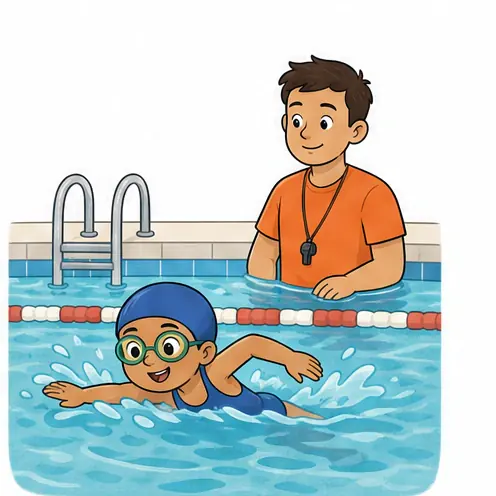 go swimming
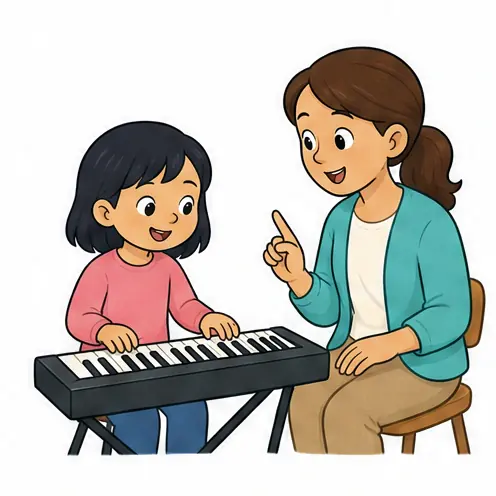 have a music lesson
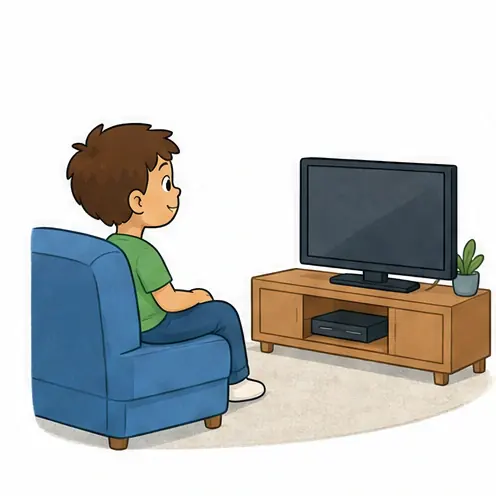 watch TV
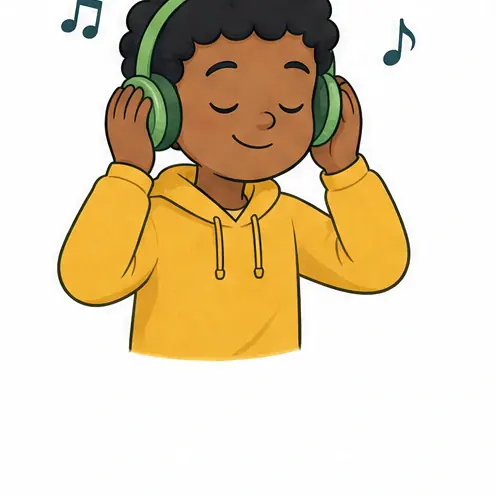 listen to music
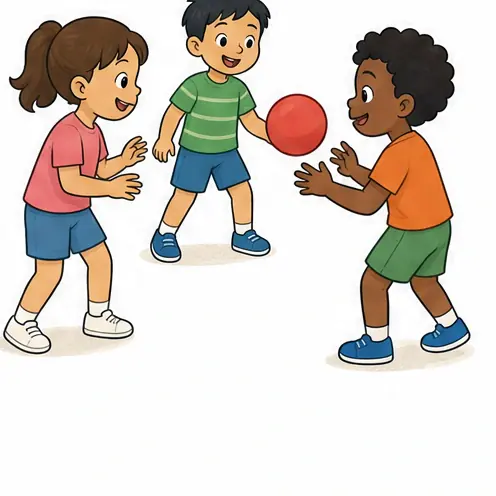 play with friends
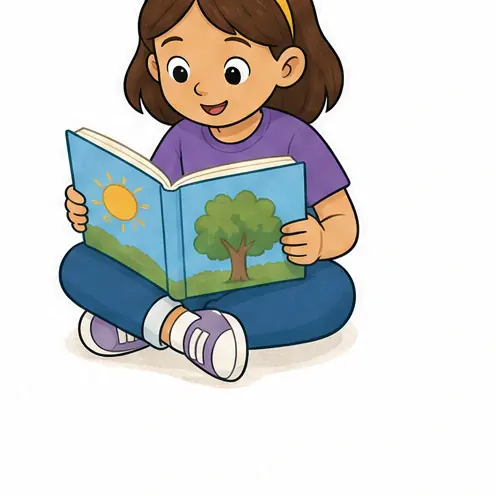 read a book
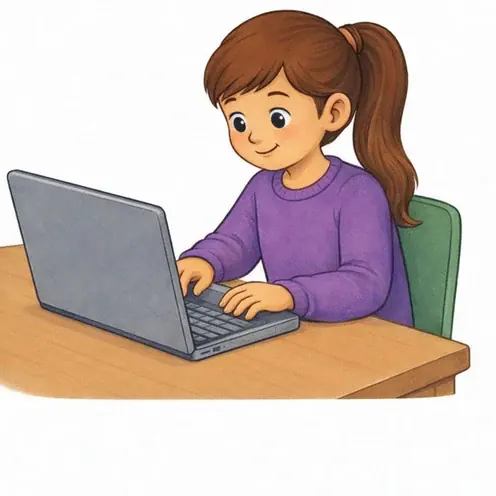 write an email
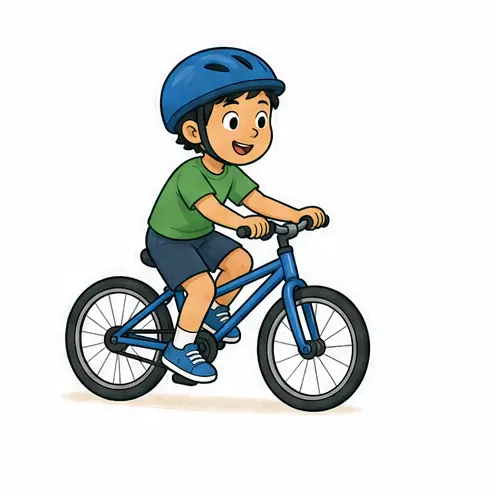 ride a bike
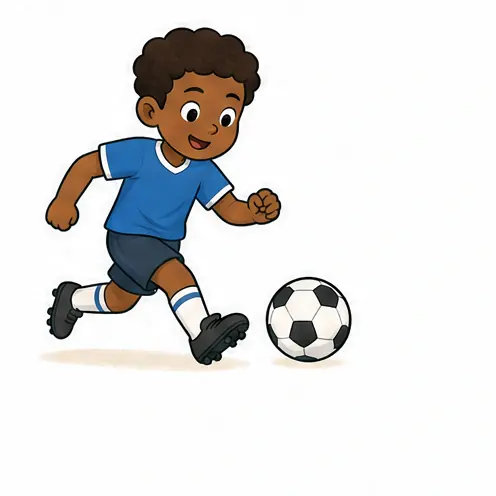 play football
Twelve after-school activities: learn the verb with the word
Each activity is a chunk of two to four words, and the verb belongs to the chunk: “go swimming”, “play football”, “ride a bike”. These verbs cannot be swapped, so teach the whole phrase, not just “bike”. Watch the little words too: “listen to music” has “to”, but “watch TV” and “visit my grandma” have nothing in between.
- Out and active: go swimming, play football, ride a bike, play with friends
- At home: do my homework, help my mum, watch TV, listen to music, read a book, write an email
- Lessons and visits: have a music lesson, visit my grandma
Either-or questions: “Do you go swimming or read a book?”
An either-or question offers two choices joined by “or”, so “yes” is not an answer. Your child says the activity they choose, then the other one with “don’t”. When you ask, let your voice go up on the first choice and down on the second.
Nia Leo, do you go swimming or read a book after school?
Leo I go swimming. I don’t read a book.
Saying no with “don’t”
“Don’t” is the short form of “do not”, and it goes straight before the verb: “I don’t ride a bike.” Many children say “I no ride a bike.” or “I not ride a bike.”, because many languages use one “no” word. In English, “I” needs “don’t”, and the verb stays the same: “I swim.”, “I don’t swim.”
“Do you…?”, short answers and two meanings of “then”
A yes-no question starts with “Do you”, and the short answer repeats “do”: “Yes, I do.” or “No, I don’t.” Notice that “my” becomes “your” in the question: “Do you help your mum?” “Yes, I do. I help my mum.”
“Then” has two jobs. In “Then I play with friends.”, it means “after that”. In “I don’t do my homework then.”, it means “at that time”: the homework still happens, just later.
Nia Do you listen to music or do your homework?
Leo I listen to music. I don’t do my homework then.
Nia Do you play with friends?
Leo Yes, I do. I play with friends.
Sound practice: fl, pl and bl
Six words in this topic start with two consonants pressed together. Say the pair slowly, then quickly, with no vowel in between: “flower”, not “fuh-lower”. Then sort the words into three groups and read each group aloud.
- fl: flower, flat
- pl: plum, plate
- bl: blanket, blue
A home game: your own choice board
Fold a sheet of paper into six boxes and draw three pairs of activities: swimming and a book, football and an email, TV and homework. Point to a pair and ask: “Do you go swimming or read a book?” Your child answers with one positive and one negative sentence, then draws a tick and a cross. Swap roles and play again. Finish with one real yes-no question: “Do you visit your grandma at the weekend?”
Writing four sentences about after school
When the talking is easy, your child can write four lines: two things they do and two things they don’t. Read the lines aloud together, then circle the verbs, the doing words: help, play, read, watch.
- After school, I help my mum.
- Then I play with friends.
- I don’t read a book.
- I don’t watch TV after school.
Common mistakes and quick fixes
These are normal. Repeat the sentence back the right way and carry on.
- “I no read a book.”: put “don’t” before the verb: “I don’t read a book.”
- “I listen music.”: “listen” needs “to”: “I listen to music.”
- “I go to swimming.”: no “to” before the activity: “I go swimming.”
- “Yes, I play.” or “Yes, I am.”: the short answer uses “do”: “Yes, I do.”
- “I make my homework.”: homework takes “do”: “I do my homework.”
What comes next
Next, add days: “I go swimming on Wednesday.” Then talk about other people. With he and she, the verb takes an “s” and “don’t” becomes “doesn’t”: “She plays football. She doesn’t ride a bike.” Later, your child can put three activities in order with first, then and after that.